Source Hand Exerciser for Gym, Rehab, and Daily Strength Training
Compare 30 hand exerciser options from verified Chinese manufacturers. Evaluate strength levels, materials like carbon steel and TPR, and packaging details to find the right grip trainer for your business needs; compare the available evidence and request quotations based on your requirements.
Key considerations
Products List


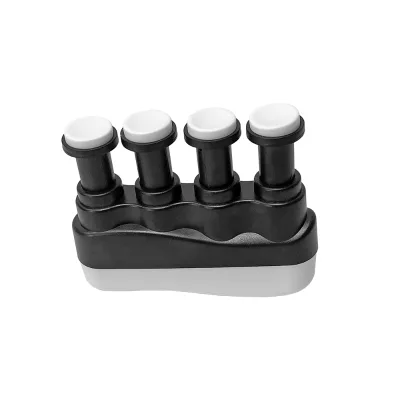


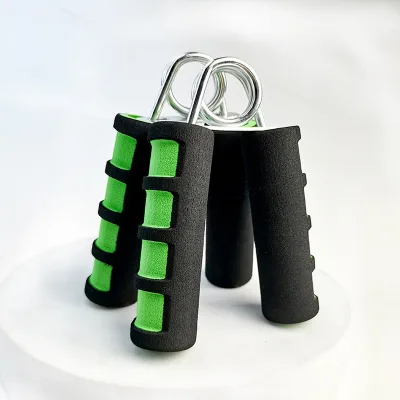


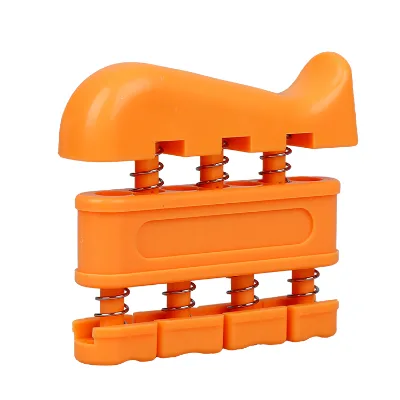


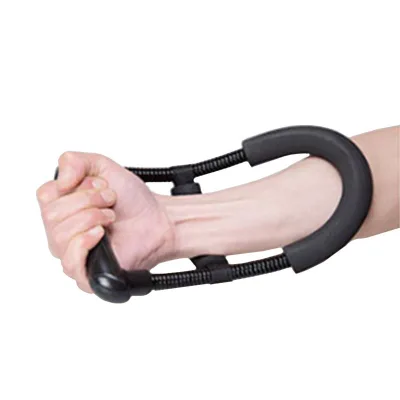

Comprehensive Sourcing Guide
Hand Exerciser Sourcing Guide
Buyers must first distinguish between the primary functional categories observed in the market, specifically hand strengtheners and finger stretchers, as these serve distinct rehabilitation and training needs. The product data indicates a clear divergence in resistance levels, ranging from light 3lb to 5lb units for general toning up to heavy-duty 10-80lb models for advanced grip training. Understanding this spectrum is critical before initiating contact with suppliers, as the intended user demographic dictates the necessary mechanical properties and material durability required for the final product.
Procurement teams should also evaluate the physical form factors and packaging standards that accompany these devices, noting that individual units often arrive in OPP bags while bulk orders utilize export cartons. The observed weight variations, from lightweight 8g finger exercisers to 105g steel-based strengtheners, directly impact shipping costs and inventory handling strategies. Sourcing decisions must account for these dimensional differences, ensuring that the selected models align with the specific logistical constraints and retail presentation requirements of the target market.
Product Scope and Observed Listing Signals
The market presents a diverse array of models, including specific identifiers like SP-SH8 and SP-SH13, which suggest distinct engineering approaches to resistance mechanisms and user ergonomics. Buyers should verify that the listed strength levels, such as the 6.6lb to 11lb range for finger exercises or the 5-60kg resistance for heavy-duty units, match the actual product specifications provided by the manufacturer. Relying on general descriptions without confirming the exact model number can lead to receiving products that do not meet the intended performance criteria for specific athletic or medical applications.
Color and material composition are also significant signals that influence both aesthetic appeal and functional longevity in the final product line. The available data highlights options in black, red, green, blue, and gray, constructed from materials like carbon steel or TPR combined with ABS and steel components. Sourcing strategies must prioritize suppliers who can consistently deliver these specific material blends, as the combination of flexible TPR and rigid steel is essential for balancing comfort during prolonged use with the structural integrity needed for high-resistance training.
Technical Specifications to Verify
Dimensional accuracy is a primary verification point, as the observed standard sizes vary significantly from compact 7.5cm units to larger 14.5cm packages, affecting both portability and storage requirements. Buyers must confirm that the physical dimensions, such as the 11x10.5x3cm or 127x93x25mm specifications, align with the product's intended application, whether it is for pocket carry or stationary gym use. Discrepancies in these measurements can lead to customer dissatisfaction, particularly if the product is marketed as a compact travel solution but arrives with bulkier packaging or oversized components.
Resistance calibration and weight consistency are equally critical technical parameters that require rigorous validation against the supplier's provided data. The observed weight ranges, spanning from 65g to 69g for certain models and up to 105g for others, indicate potential variations in material density or manufacturing tolerances that could affect the perceived quality of the device. Procurement teams should request sample testing to ensure that the stated resistance levels, such as 3.2kg or 10-40kg, are accurate and that the weight distribution remains consistent across the entire production batch.
Compliance and Safety Documentation
Safety certifications serve as a fundamental requirement for market entry, with observed listings indicating compliance with CE, RoHS, and ISO standards for specific product lines. Buyers must verify that the supplier can provide valid, up-to-date documentation for these certifications, ensuring that the materials used, particularly the steel and plastic components, meet international safety and environmental regulations. Without these credentials, the product may face regulatory hurdles in key markets, potentially leading to customs delays or the inability to sell the goods in regions with strict safety mandates.
Material safety and chemical composition are additional compliance areas that require detailed scrutiny, especially for products intended for direct skin contact during exercise. The use of TPR and ABS materials suggests a focus on non-toxic, durable components, but buyers should confirm that these materials are free from harmful substances like phthalates or heavy metals. Requesting material safety data sheets (MSDS) and third-party test reports is essential to validate that the product meets the necessary health and safety standards for consumer goods in the fitness and rehabilitation sectors.
Cost Drivers and Commercial Terms
Pricing structures in this category are heavily influenced by the complexity of the resistance mechanism and the quality of the raw materials used in construction. The observed price range of 0.27 to 3 USD reflects the significant cost difference between simple finger stretchers and robust hand strengtheners made from carbon steel or reinforced composites. Buyers should analyze the cost per unit relative to the strength level and material durability, ensuring that the selected price point allows for a healthy margin while maintaining competitive positioning in the target market.
Minimum Order Quantities (MOQ) and packaging configurations are key commercial terms that impact the initial capital outlay and inventory management strategy. The data shows MOQs ranging from 1 to 1000 units, with packaging options varying from single OPP bags to bulk export cartons, which directly affects shipping efficiency and storage costs. Procurement teams must negotiate terms that balance the need for inventory flexibility with the economies of scale offered by larger orders, ensuring that the total landed cost remains within budget while meeting the demand forecast for the product line.
Supplier Qualification and Quality Control
Supplier qualification should focus on verifying the origin and manufacturing capabilities, as the observed data points to production centers in Zhejiang, China, known for specific industrial expertise. Buyers must confirm that the supplier has a proven track record in producing hand exercisers with the specific models and materials observed, such as the SP-SH series or IR97005A variants. Establishing a relationship with a manufacturer that specializes in this niche ensures access to consistent quality and the ability to scale production as market demand fluctuates.
Quality control protocols must be strictly enforced to maintain consistency in resistance levels and physical dimensions across all produced units. Given the variation in weight and size observed in the market, suppliers should implement rigorous in-process inspections and final quality checks to minimize defects and ensure that every unit meets the specified standards. Buyers should request a detailed quality control plan that outlines testing procedures for resistance accuracy, material integrity, and packaging durability to mitigate the risk of receiving substandard products.
Long-Term Procurement Checks
Sustainability and supply chain resilience are critical considerations for long-term procurement success, requiring buyers to assess the supplier's ability to maintain consistent material sourcing and production capacity. The reliance on specific materials like carbon steel and TPR means that fluctuations in raw material markets could impact both cost and availability, necessitating a robust supply chain strategy. Buyers should engage in regular reviews of the supplier's inventory management and production scheduling to ensure that lead times remain stable and that the supply chain can adapt to changing market conditions.
Product evolution and customization capabilities are also vital for maintaining a competitive edge in the hand exerciser market. The observed availability of customization options suggests that suppliers can adapt product designs to meet specific branding or functional requirements, such as unique color schemes or resistance levels. Buyers should establish a framework for ongoing collaboration with the supplier to explore new product developments and ensure that the product line remains relevant and aligned with emerging trends in fitness and rehabilitation equipment.
FAQs
What strength levels are available for hand exercisers?
Strength levels vary by model, ranging from 3lbs to 80lbs. Specific models offer 3lbs or 5lbs options, while others provide 6.6lbs, 8.8lbs, or 11lbs. Some heavy-duty versions support 10-40 Kg or 5-60 Kg resistance. Buyers should select based on their specific training intensity needs.
Can hand exercisers be customized for branding?
Yes, customization is available for many hand exerciser models. Suppliers offer options for custom branding and packaging to meet specific business requirements. This allows buyers to tailor products for their target market. Check with manufacturers for specific customization limits and minimum order quantities.
What materials are used in hand strength trainers?
Common materials include Carbon Steel, TPR, ABS, and Steel. These materials ensure durability and comfort during exercise. Carbon steel provides strength, while TPR and ABS offer ergonomic grips. The combination ensures the device withstands repeated use in gym or daily life settings.
What certifications do hand exercisers typically have?
Many hand exercisers hold CE, RoHS, and ISO certifications. These standards ensure product safety and quality compliance for international markets. Buyers should verify specific model certifications before ordering. Certified products are essential for selling in regulated regions like Europe or North America.
How are hand exercisers packaged for shipping?
Packaging varies by product type. Individual pieces often come in OPP bags, while bulk orders use export cartons or standard cartons. Dimensions like 14.5 x 10 cm are common for single units. Proper packaging protects the product during transit and meets retailer display requirements.
Where are hand exercisers typically manufactured?
Most hand exercisers are manufactured in China, particularly in Zhejiang province. This region is known for producing fitness equipment with competitive pricing. Buyers can source directly from these factories to ensure quality and cost-effectiveness. Origin verification is recommended for supply chain transparency.