Source Hand-Held Leg Air Compression Massager for Home, Clinic, and Travel
Find and compare 30 Hand-Held Leg Air Compression Massager options from verified suppliers. Evaluate features like LCD displays, heating modes, and pressure ranges to select the right device for residential or commercial use.
Key considerations
Products List


Comprehensive Sourcing Guide
Hand-Held Leg Air Compression Massager Sourcing Guide
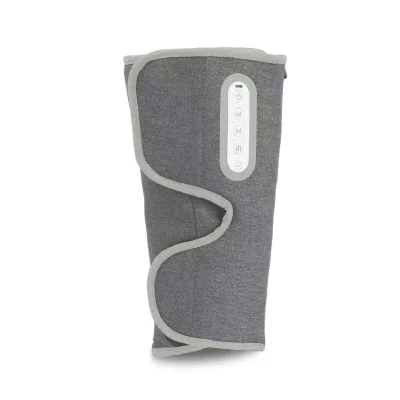
Sourcing hand-held leg air compression massagers requires a careful balance between portable convenience and therapeutic efficacy. These devices utilize pneumatic compression technology to mimic the natural muscle contractions of walking, promoting venous return and reducing swelling in the lower extremities. For B2B buyers, the primary challenge lies in distinguishing between simple consumer wellness gadgets and robust medical-grade orthopedic devices capable of withstanding commercial use. The market offers a wide spectrum of products, ranging from lightweight, battery-operated units designed for personal travel to heavier, AC-powered systems intended for clinic or residential therapy. Understanding these distinctions is critical for aligning product selection with your target customer’s specific needs, whether they are fitness enthusiasts, post-surgery patients, or elderly individuals requiring daily circulation support.
The procurement landscape for these devices is characterized by significant variation in technical specifications and operational modes. Buyers must navigate a complex array of features, including adjustable pressure ranges, customizable treatment times, and various heating modes. The observed market data indicates a diverse product count, suggesting a highly competitive environment with numerous manufacturers offering similar core functionalities but differentiated by build quality, accessory sets, and certification levels. Successful sourcing depends on the ability to verify these technical claims against trusted category knowledge and to establish clear quality benchmarks before committing to large-volume orders. This guide provides a structured approach to evaluating suppliers, ensuring that the final product meets both regulatory requirements and end-user expectations for safety and performance.
Product Scope and Observed Listing Signals
The current market for leg air compression massagers encompasses a broad range of applications, primarily focused on improving blood circulation and providing orthopedic support. Observed listings indicate that these devices are suitable for both residential and commercial use, highlighting their versatility in settings ranging from home care to professional physical therapy clinics. The core functionality revolves around air compression therapy, which is often enhanced by additional features such as electric heating to relax muscles and improve the efficacy of the compression cycles. Buyers should note that while many products are marketed for general wellness, specific models are explicitly categorized under orthopedics, suggesting a higher level of therapeutic intent and potentially stricter manufacturing standards.
Listing signals reveal significant diversity in form factors and power configurations, which directly impacts the target demographic and use case. Some units are designed as handheld or portable devices powered by DC 5V or internal lithium batteries, appealing to users who prioritize mobility and ease of transport. In contrast, other models are larger, stationary systems powered by AC 220V, offering higher power output and more robust compression capabilities for intensive therapy sessions. The presence of LCD displays on many units suggests a user interface that allows for precise control over treatment parameters, such as pressure levels and duration. Buyers must carefully assess these physical and operational differences to ensure that the selected product aligns with the intended user experience and logistical requirements of their distribution channel.
Technical Specifications to Verify
When evaluating technical specifications, pressure range is a critical parameter that determines the therapeutic intensity of the device. Observed data shows a wide variance in pressure capabilities, with some units offering a range of 0-200 mmHg, while others extend up to 250 mmHg. Buyers must verify the actual pressure output under load, as nominal ratings may not reflect real-world performance. Additionally, the pressure holding time, which can range from 1 to 6 seconds, affects the comfort and effectiveness of each compression cycle. It is essential to confirm that the device maintains consistent pressure throughout the treatment period and that the inflation/deflation cycles are smooth and quiet, as excessive noise can detract from the user experience.
Power supply and battery specifications are equally important, particularly for portable models. Some devices operate on AC 220V/50Hz, indicating they are designed for fixed locations, while others utilize DC 5V 1A inputs or internal lithium batteries with capacities around 2000 mAh. Buyers should verify the battery life and charging time for portable units, as these factors significantly impact usability. Furthermore, the input power rating, observed at around 5W for some models, provides insight into the energy efficiency of the device. For models with heating functions, the heating temperature range, typically between 41-45°C, should be verified to ensure it provides therapeutic warmth without posing a burn risk. Pulse frequency and width, ranging from 1Hz to 200Hz and 20-200μs respectively, are also key technical indicators that buyers should request detailed data sheets for.
Compliance and Safety Documentation
Compliance with international safety and quality standards is non-negotiable for medical and wellness devices. Buyers must verify that suppliers hold relevant certifications, such as ISO CE and FDA clearance, which indicate adherence to rigorous manufacturing and safety protocols. The presence of these certifications suggests that the product has undergone testing for electrical safety, electromagnetic compatibility, and biocompatibility, particularly for components that come into direct contact with the skin, such as the TPU cuffs. Buyers should request copies of these certificates and verify their validity with the issuing bodies to ensure they are current and applicable to the specific models being sourced.
In addition to certifications, buyers should inquire about the specific standards the products meet, such as IEC 60601-1 for medical electrical equipment. While specific standard numbers may vary by region, the underlying principles of safety and performance remain consistent. Documentation should also include detailed user manuals, warning labels, and maintenance guidelines that comply with local regulatory requirements. Buyers must ensure that the supplier provides all necessary documentation for customs clearance and market entry, including material safety data sheets for the TPU cuffs and other materials used in the device. Failure to secure proper compliance documentation can lead to shipment delays, product recalls, or legal liabilities in the destination market.
Cost Drivers and Commercial Terms
The cost of hand-held leg air compression massagers is influenced by several factors, including the complexity of the electronic components, the quality of materials used, and the level of customization offered. Devices with advanced features such as LCD displays, multiple compression modes, and heating functions typically command higher prices. Observed price ranges vary significantly, reflecting differences in build quality, brand positioning, and supplier overhead. Buyers should analyze the cost structure in relation to the feature set, ensuring that they are not overpaying for unnecessary features or underpaying for compromised quality. Customization options, such as branding or packaging modifications, may also impact the final unit cost and should be discussed early in the negotiation process.
Minimum Order Quantities (MOQs) and payment terms are critical commercial considerations that affect cash flow and inventory management. Observed MOQs range from 1 to 500 units, offering flexibility for both small-scale testers and large-volume buyers. Buyers should negotiate MOQs based on their sales forecasts and storage capabilities, seeking suppliers who are willing to accommodate smaller initial orders to mitigate risk. Payment terms, such as deposits and balance payments upon shipment, should be structured to protect both parties. Additionally, buyers should clarify the packaging details, as standard export packaging or custom carton designs can affect shipping costs and product protection during transit.
Supplier Qualification and Quality Control
Supplier qualification is a vital step in ensuring the reliability and consistency of the supply chain. Buyers should conduct thorough due diligence on potential suppliers, verifying their business licenses, manufacturing capabilities, and quality management systems. Suppliers with a proven track record in producing medical or wellness devices are preferable, as they are more likely to adhere to strict quality control protocols. Buyers should request samples for rigorous testing, evaluating not only the product’s performance but also the supplier’s responsiveness, communication, and after-sales support. Building a strong relationship with a qualified supplier can lead to better pricing, priority production, and collaborative product development opportunities.
Quality control measures should be implemented at various stages of the production process, from raw material inspection to final product testing. Buyers should establish clear quality acceptance criteria, including functional tests for pressure accuracy, heating consistency, and battery performance. Random sampling inspections during production and before shipment can help identify and rectify defects early, reducing the risk of receiving substandard products. Buyers should also inquire about the supplier’s warranty policy and return procedures, ensuring that there is a clear mechanism for addressing any quality issues that may arise after the products reach the end user.
Long-Term Procurement Checks
Long-term procurement success depends on continuous monitoring of product performance and market feedback. Buyers should establish a system for collecting and analyzing customer reviews and complaints, using this data to identify potential design flaws or quality issues. Regular audits of the supplier’s production processes and quality control systems can help maintain high standards and prevent drift in product quality. Buyers should also stay informed about changes in regulatory requirements and industry standards, ensuring that their products remain compliant and competitive in the market.
Furthermore, buyers should consider the lifecycle of the product and the availability of spare parts and accessories. Ensuring a steady supply of replacement cuffs, batteries, and other consumables is essential for maintaining customer satisfaction and brand loyalty. Buyers should negotiate long-term supply agreements that include provisions for price stability, volume discounts, and priority access to new product developments. By proactively managing these aspects of the procurement relationship, buyers can build a resilient supply chain that supports sustainable growth and minimizes operational risks.
FAQs
What certifications do these massagers have?
These devices typically hold ISO CE and FDA certifications. This ensures they meet international safety and quality standards for medical-grade air compression therapy. Buyers should verify specific documentation for each model to confirm compliance with local regulations before importing.
How does the heating function work?
The massagers feature electric heating that maintains temperatures between 41-45°C. This warmth enhances blood circulation during the 15-minute massage cycles. The heating mode is integrated with the air compression system to provide a combined therapeutic effect for legs and arms.
What is the pressure range for compression?
The pressure range varies by model, typically spanning from 0-200mmhg to 30-250mmhg. This adjustable range allows for customized therapy intensity. Users can select appropriate pressure levels for different body parts, ensuring safe and effective air compression for residential or commercial use.
Can these devices be customized for branding?
Yes, customization is available for many models. Buyers can often request specific packaging, logos, or functional adjustments. This service supports private labeling and brand differentiation. It is advisable to confirm customization options and minimum order quantities directly with manufacturers during the sourcing process.
What power supply options are available?
Power options include AC220V/50Hz for stationary units and DC 5V 1A for portable devices. Some models feature a 2000 mAh lithium battery for cordless operation. This flexibility allows use in various settings, from home environments to clinical facilities, depending on the specific model selected.
What are the standard cuff sizes?
Cuff sizes vary by application, with leg sizes ranging from 91cm to 125cm and arm sizes around 87-90cm. The cuffs are made from durable TPU material. Proper sizing ensures effective compression therapy. Buyers should match cuff dimensions to target user demographics to maximize product utility and satisfaction.