Source Portable Cold Compress Therapy Tool for Knee, Shoulder, and Back
Find and compare 30 Portable Cold Compress Therapy Tool options for knee, shoulder, and back care. Evaluate models with LCD displays, adjustable pressure, and electric power types to select the right electrotherapeutic device for your needs.
Key considerations
Products List


Physical Therapy Equipments Cold Therapy Machine Cryo Cold Compress System
$75.00 - $120.00
MOQ: 500 Sets


Custom Advanced Portable Cold Compression Surgery Recovery System Cold Therapy Machine
$75.00 - $120.00
MOQ: 500 Sets

Custom Advanced Portable Cold Compression Surgery Recovery System Ice Therapy Machine
$75.00 - $120.00
MOQ: 500 Sets


Hot and Cold Compression Machine for Legs Hot Therapy and Cold Therapy Device
$1050.00 - $2070.00
MOQ: 1 Sets


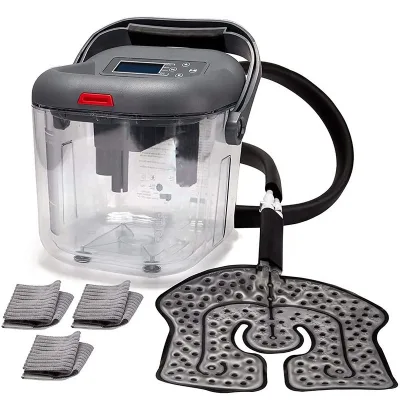
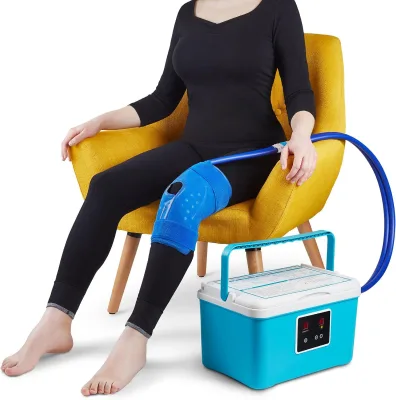


Portable Ice and Hot Compress Instrument for Pain Relief and Muscle Recovery
$28.00 - $40.00
MOQ: 100 Pieces

Handheld Heat Wave and Cold Compress Relax Muscles Therapeutic Massage Gun
$24.12 - $24.71
MOQ: 1000 Sets


Professional Portable Cooling Cryotherapy Gun for Cold Therapy Recovery Treatment
$2100.00 - $3000.00
MOQ: 1 Pieces


Comprehensive Sourcing Guide
Portable Cold Compress Therapy Tool Sourcing Guide
Sourcing portable cold compress therapy tools requires a nuanced understanding of the diverse technological approaches available in the current market. These devices generally fall into two distinct categories: active electronic systems that utilize refrigeration or thermoelectric cooling, and passive or semi-active systems such as gel-based packs or compression sleeves designed for manual temperature adjustment. The active category often includes units with LCD displays, adjustable pressure settings, and specific temperature control ranges, catering to professional sports rehabilitation or clinical environments. In contrast, passive tools focus on convenience, portability, and ease of use for household or on-the-go applications, such as finger or joint-specific cold therapy. Buyers must first determine whether their target market requires complex, powered machinery or simpler, non-electric accessories, as this decision fundamentally dictates the supply chain requirements, certification needs, and cost structures involved.
The procurement landscape for these tools is characterized by a wide variance in product specifications, origin locations, and commercial terms. Observed listings indicate a broad price range, reflecting the disparity between basic compression sleeves and sophisticated electronic therapy machines. Furthermore, minimum order quantities (MOQs) vary significantly, with some suppliers requiring bulk commitments of hundreds of units while others offer lower entry points. Geographic origins are primarily concentrated in major manufacturing hubs in China, such as Shanghai and Xiamen, which influences logistics planning and lead times. Understanding these baseline signals is crucial for establishing realistic budget expectations and supplier engagement strategies, ensuring that procurement teams align their sourcing efforts with the specific technical and commercial realities of the portable cold compress market.
Product Scope and Observed Listing Signals
The product scope for portable cold compress therapy tools encompasses a variety of form factors, each designed for specific anatomical applications and usage scenarios. Active electronic devices, such as those identified by models like CTS-V1, CTS-V2, and CTS-V3, often feature LCD displays and operate on electric power sources, typically DC12V. These units are engineered for targeted treatment of larger body areas including the neck, shoulder, waist, back, knee, and foot+calf, offering functions like cold compress, hot press, and pressurization. The presence of adjustable pressure ranges, such as 30-120mmhg, and precise water temperature controls between 5ºC and 40ºC, indicates a focus on therapeutic precision suitable for professional or clinical settings. These devices are generally classified under electrotherapeutics and are intended for adult users, emphasizing functionality and treatment efficacy over mere convenience.
Conversely, the scope also includes simpler, non-electric or minimally powered tools designed for specific, localized injuries. For instance, finger cold and hot compress products, such as model CC-0619, are packaged in compact sets and are non-waterproof, highlighting their role as lightweight, portable solutions for minor joint injuries. These items are often marketed for household use and feature attributes like convenience and specific sizing standards, such as packs containing different centimeter measurements for various finger sizes. The distinction between these complex electronic systems and simple passive packs is critical for buyers, as it determines the target customer base, from professional athletes and physiotherapists to general consumers seeking immediate relief for everyday strains. Buyers must carefully evaluate whether their procurement needs align with the high-tech, feature-rich electronic devices or the straightforward, cost-effective passive solutions.
Technical Specifications to Verify
When evaluating portable cold compress therapy tools, verifying technical specifications is paramount to ensuring product performance and user safety. For electronic devices, key parameters include power consumption, machine weight, and operating modes. For example, some units consume as little as 10W of power while weighing around 3.5kg, making them relatively portable despite their internal mechanisms. Buyers should verify the voltage requirements, such as DC12V, to ensure compatibility with power sources in different regions, and check the water flow rate, which may be limited to less than 2L/Min in certain models. Additionally, the treating time options, often adjustable from 5 to 99 minutes, and the storage temperature ranges, such as 2-30°C, are critical for understanding the device’s operational limits and maintenance requirements. These specifications directly impact the user experience and the device’s suitability for continuous or intermittent use in various environments.
For non-electric or simpler devices, technical verification focuses on physical dimensions, material properties, and packaging standards. Buyers should confirm the exact dimensions of the product and its packaging, such as a pack size of 13.59.53.2cm for finger compresses, to optimize logistics and shelf space. The accuracy of temperature retention or pressure application, if applicable, should also be verified, with some products claiming high accuracy rates like 99.9%. Furthermore, the protection projects associated with these tools, such as suitability for basketball, football, or tennis, provide insight into the durability and intended intensity of use. Understanding these physical and functional attributes allows buyers to match product specifications with the specific demands of their target market, ensuring that the tools provided are both effective and durable for their intended applications.
Compliance and Safety Documentation
Compliance and safety documentation are non-negotiable aspects of sourcing medical or therapeutic devices, including portable cold compress tools. Buyers must ensure that suppliers provide valid certifications, such as FDA and ISO CE marks, which indicate adherence to stringent regulatory standards for health and safety. These certifications are particularly crucial for electronic devices that involve electrical components and direct contact with the skin, as they mitigate risks of electrical shock, overheating, or material toxicity. The presence of ISO 13485 standards, although sometimes listed with lower confidence, suggests a commitment to quality management systems specific to medical devices, which is a strong indicator of a supplier’s reliability and process control. Buyers should request copies of these certificates and verify their authenticity with the issuing bodies to avoid sourcing non-compliant products that could lead to legal liabilities or product recalls.
In addition to certifications, buyers should inquire about the specific standards and testing protocols used by the supplier. While exact test results may not be publicly available, understanding the framework under which products are tested provides insight into their safety profile. For instance, verifying that the materials used in the compress packs are hypoallergenic and non-toxic is essential for user safety. Similarly, for electronic devices, ensuring that the waterproofing standards, or lack thereof, are clearly communicated helps prevent misuse and potential damage. Buyers should also check for any additional safety features, such as automatic shut-off mechanisms or pressure release valves, which enhance user safety during operation. By prioritizing compliance and safety documentation, buyers can protect their brand reputation and ensure the well-being of end-users.
Cost Drivers and Commercial Terms
The cost of portable cold compress therapy tools is influenced by several key drivers, including the complexity of the technology, materials used, and order volume. Electronic devices with LCD displays, adjustable pressure, and precise temperature controls naturally command higher prices due to their advanced engineering and component costs. In contrast, simple finger compress packs or basic compression sleeves are significantly less expensive, reflecting their simpler construction and lower material requirements. Buyers should also consider the impact of customization options, which can add to the unit cost but may provide a competitive advantage in specific markets. Understanding these cost drivers allows buyers to negotiate more effectively and align their pricing strategies with the value proposition of the products they source.
Commercial terms, such as minimum order quantities (MOQs) and packaging details, also play a significant role in the total cost of ownership. Observed MOQs for electronic devices often start at 500 pieces, which can be a barrier for smaller buyers or those testing new markets. Packaging standards, such as carton boxes with specific dimensions like 402619cm, affect shipping costs and storage efficiency. Buyers should evaluate the total landed cost, including freight, duties, and handling, rather than focusing solely on the unit price. Negotiating flexible MOQs or consolidated shipping arrangements can help reduce costs, especially for smaller orders. Additionally, understanding the supplier’s payment terms and lead times is crucial for cash flow management and inventory planning, ensuring that procurement operations run smoothly and efficiently.
Supplier Qualification and Quality Control
Supplier qualification is a critical step in ensuring the reliability and consistency of portable cold compress therapy tools. Buyers should conduct thorough due diligence on potential suppliers, verifying their business licenses, manufacturing capabilities, and quality control processes. Suppliers located in established manufacturing hubs like Shanghai or Xiamen may offer advantages in terms of supply chain efficiency and access to raw materials. However, buyers should not rely solely on location; instead, they should assess the supplier’s track record, customer reviews, and ability to meet specific technical requirements. Requesting samples for evaluation is a best practice to verify product quality, functionality, and compliance with stated specifications before committing to large orders.
Quality control measures should be clearly defined and agreed upon with the supplier. This includes establishing clear acceptance criteria for product defects, packaging integrity, and performance metrics. Buyers should inquire about the supplier’s internal testing procedures, such as pressure testing for electronic devices or material safety checks for compress packs. Implementing third-party inspections during production or before shipment can provide an additional layer of assurance, helping to identify and rectify issues before products reach the end customer. Furthermore, establishing a clear communication channel for addressing quality issues and returns is essential for maintaining a healthy supplier relationship. By prioritizing supplier qualification and robust quality control, buyers can minimize risks and ensure a steady supply of high-quality portable cold compress therapy tools.
Long-Term Procurement Checks
Long-term procurement success depends on continuous monitoring and evaluation of supplier performance and market trends. Buyers should regularly review supplier metrics, such as on-time delivery rates, product defect rates, and responsiveness to issues. Establishing key performance indicators (KPIs) and conducting periodic supplier audits can help identify areas for improvement and ensure that suppliers remain aligned with the buyer’s quality and service expectations. Additionally, staying informed about changes in regulatory standards, such as updates to FDA or ISO requirements, is crucial for maintaining compliance over time. Buyers should proactively engage with suppliers to discuss potential product improvements, new technologies, or cost-saving opportunities, fostering a collaborative partnership that benefits both parties.
Market dynamics and consumer preferences in the portable cold compress therapy sector are also subject to change. Buyers should monitor trends in product design, functionality, and pricing to ensure their offerings remain competitive. This may involve exploring new materials, such as more durable or eco-friendly options, or integrating new technologies, such as smart connectivity features. Regularly soliciting feedback from end-users and sales teams can provide valuable insights into product performance and customer satisfaction, guiding future procurement decisions. By maintaining a proactive and adaptive approach to long-term procurement, buyers can mitigate risks, capitalize on opportunities, and sustain a competitive edge in the evolving market for portable cold compress therapy tools.
FAQs
What models are available for portable cold compress therapy tools?
The CTS-V1, CTS-V2, and CTS-V3 are available models. The CTS-V1 features an LCD display and weighs 3.1kg. The CTS-V2 lacks an LCD display and weighs 5kg. The CTS-V3 is adjustable and suitable for adults. Each model has distinct dimensions and packaging specifications to meet different usage requirements.
Can these devices be customized for specific branding needs?
Yes, customization is available for these portable cold compress therapy tools. Buyers can request specific modifications to meet their branding or functional requirements. This service allows for tailored solutions that align with specific market demands or corporate identity standards while maintaining core therapeutic functionality.
What certifications do these therapy machines hold?
These devices hold FDA and ISOCE certifications. These credentials indicate compliance with relevant safety and quality standards for medical or therapeutic equipment. Buyers can rely on these certifications to ensure the products meet international regulatory requirements for distribution and use in various global markets.
What is the minimum order quantity for these products?
The minimum order quantity is 500 pieces. This MOQ applies to the listed models including CTS-V1, CTS-V2, and CTS-V3. Buyers should consider this threshold when planning procurement volumes to ensure cost-effectiveness and alignment with supplier production capabilities for bulk orders.
Where are these portable therapy tools manufactured?
These products originate from Shanghai and Xiamen City in Fujian Province, China. The manufacturing locations indicate domestic production within China. Buyers can expect consistent quality control and logistical efficiency associated with these established industrial hubs in the region for export-oriented medical device manufacturing.
What are the operating specifications for the compression machine?
The compression machine operates on DC12V with 10W power consumption. It features a pressure range of 30-120mmhg and water temperature control from 5 to 40 degrees Celsius. The treating time is optional between 5 and 99 minutes, allowing flexible usage for various body parts like knees or shoulders.