Source Heated EMS Massage Shawl for Neck, Shoulder, and Back Relief
Compare 30 Heated EMS Massage Shawl options from verified suppliers. Buyers can evaluate features like heating temperature, material, and voltage to find suitable solutions for neck and shoulder relaxation.
Key considerations
Products List




Comprehensive Sourcing Guide
Heated EMS Massage Shawl Sourcing Guide
Sourcing a Heated EMS Massage Shawl requires a nuanced understanding of the intersection between wearable textile technology and therapeutic wellness devices. Unlike traditional massage pillows or standalone units, shawls integrate heating elements and electrical muscle stimulation (EMS) directly into a fabric structure, demanding rigorous evaluation of both material durability and electronic safety. Buyers must navigate a market where product definitions often blur between simple heating pads and complex neuromuscular stimulators, making precise specification verification critical before committing to volume orders. The core challenge lies in ensuring that the electrical components remain secure and functional within a flexible, washable, or at least cleanable textile environment without compromising user safety or device longevity.
This guide provides a structured approach to evaluating suppliers and products in this category, focusing on technical verification, compliance documentation, and commercial risk management. By adhering to evidence-based procurement practices, buyers can mitigate the risks associated with low-quality electronic integration in textiles. The following sections detail the essential steps for validating product scope, verifying technical specifications, ensuring regulatory compliance, analyzing cost structures, qualifying suppliers, and establishing long-term quality assurance protocols. Each step is designed to help procurement professionals make informed decisions that align with their brand’s quality standards and market positioning.
Product Scope and Observed Listing Signals
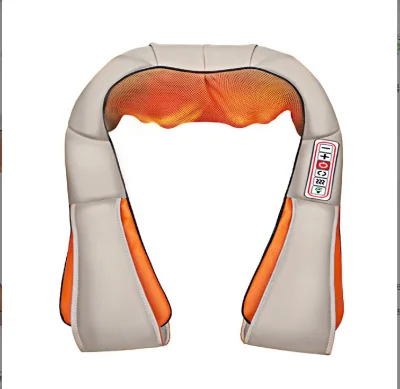
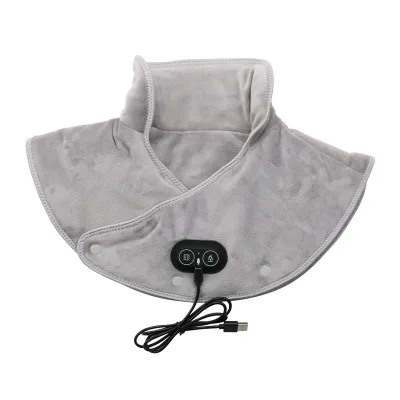
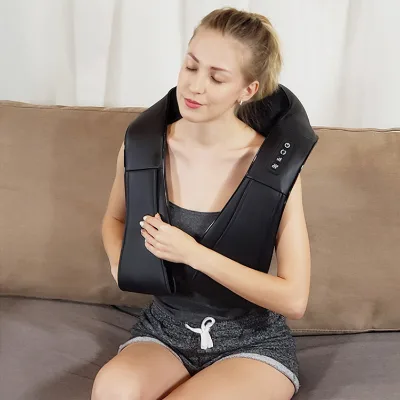
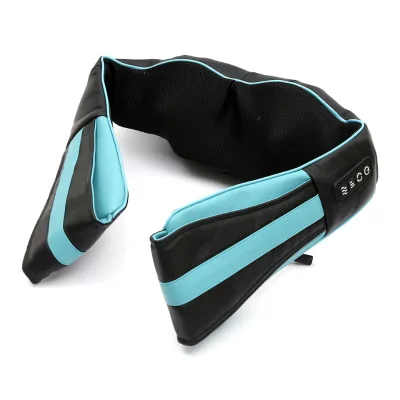
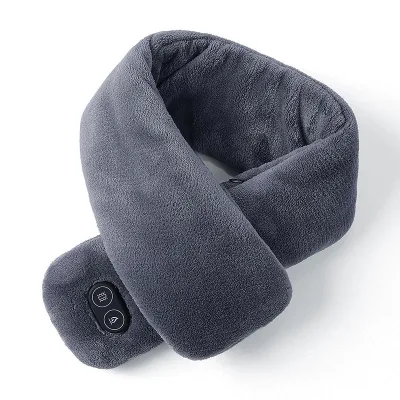
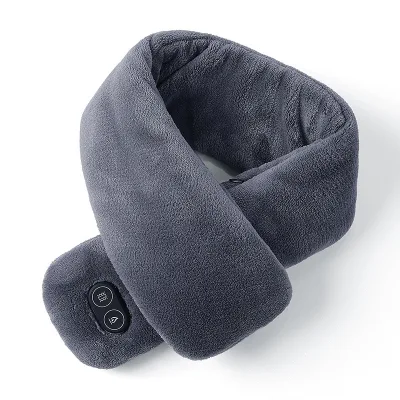
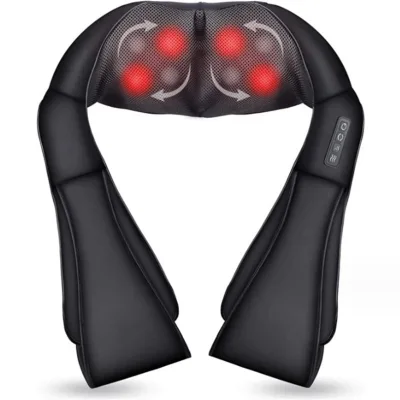
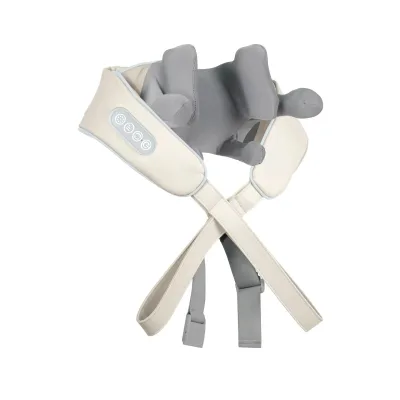
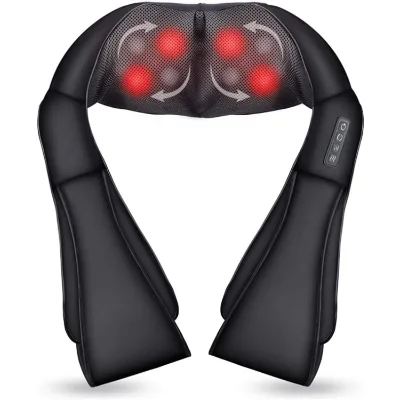
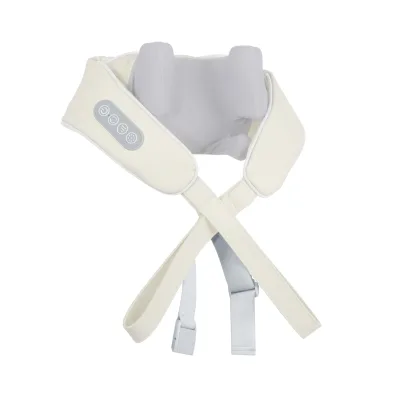
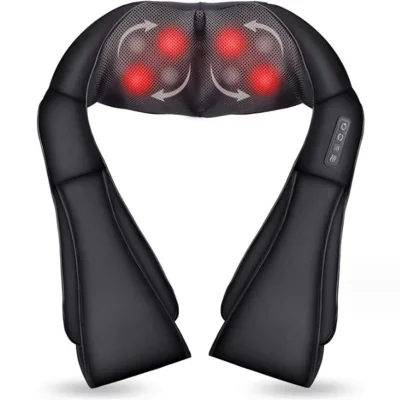
The current market landscape for heated EMS massage shawls reveals a diverse range of product configurations, often categorized under broader terms such as electric massage pillows, shoulder pads, or heating wraps. Observed listings indicate a significant variation in form factors, with some products resembling traditional shawls while others are structured as compact, wearable pads designed for neck and shoulder application. For instance, specific models identified in market data include items labeled as "Electric Deep Tissue Kneading Massage Pillow" and "Electric heating vibration massage shoulder pad," suggesting that the term "shawl" may encompass a wide array of wearable therapeutic devices. Buyers should be cautious of generic listings that do not clearly distinguish between simple heating functions and active EMS or kneading mechanisms, as the user experience and technical complexity differ substantially between these categories.
Material composition and design features are critical differentiators in this segment. Available product attributes highlight materials ranging from PU leather to double-sided golden mink fur and polyester/cotton blends, each offering distinct tactile experiences and durability profiles. The observed color options, including black, beige, purple, grey, yellow, and pink, indicate a strong emphasis on aesthetic customization to appeal to diverse consumer preferences. Furthermore, the presence of OEM/ODM packaging options and acceptable logo customization suggests that many suppliers are equipped to handle private label requirements. However, buyers must verify whether the specific "shawl" form factor they require is actually available, as many suppliers may primarily offer pillow or pad configurations that can be adapted but are not natively designed as full shawls.
Technical Specifications to Verify
Electrical parameters are the most critical technical aspect to verify when sourcing EMS massage shawls, as they directly impact safety and performance. Observed specifications include nominal voltages of 12V/2A/24W and 5V, indicating that some devices may operate on standard USB power while others require dedicated power adapters. Buyers must confirm the power source compatibility and ensure that the included adapters meet the safety standards of their target market. Additionally, working hours and duty cycles, such as the observed 15-minute operation limit, are essential for understanding user experience and preventing overheating. These limits often reflect built-in safety timers designed to prevent prolonged exposure to heat or stimulation, which is a standard feature in therapeutic devices but must be clearly communicated to end-users.
Physical dimensions and weight are equally important for determining portability and user comfort. Listed sizes vary significantly, with some products measuring 450mm500mm or 4530*20cm, while single package dimensions range from 19X10X10 cm to 50X55X10 cm. The weight of the products also varies, with observations ranging from 230g for lighter shoulder pads to 1.36kg for heavier massage pillows. Buyers should assess whether the weight and size are appropriate for the intended use case, as heavier devices may offer more robust motorization but could be cumbersome for extended wear. Furthermore, the design of the heating elements, with observed temperature ranges of 45℃-55℃-65℃, must be verified for uniformity and safety, ensuring that hot spots do not develop within the fabric structure.
Compliance and Safety Documentation
Regulatory compliance is non-negotiable for electronic wellness devices, particularly those involving heat and electrical stimulation. Buyers must request and verify certification documents such as CE and ISO9001, which are observed in some product listings, to ensure that the manufacturer adheres to recognized quality management and safety standards. However, certifications alone are not sufficient; buyers should also inquire about specific test reports for electrical safety, such as IEC 60335-2-2 for household and similar electrical appliances, and EMC (Electromagnetic Compatibility) directives. These tests ensure that the device does not emit excessive electromagnetic interference and is safe for use in residential environments, which is crucial for maintaining brand reputation and avoiding legal liabilities.
Material safety is another critical compliance area, especially for products that come into direct contact with the skin. Buyers should verify that the materials used, such as PU, mink fur, or polyester/cotton blends, are free from harmful substances like azo dyes, formaldehyde, or heavy metals. Requesting material safety data sheets (MSDS) or compliance with REACH (Registration, Evaluation, Authorization and Restriction of Chemicals) in the European market can provide assurance in this regard. Additionally, for products claiming EMS functionality, buyers should ensure that the electrical stimulation parameters comply with relevant medical device or wellness product regulations, depending on the claims made in marketing materials. Misclassification of the product as a medical device without proper approval can lead to severe regulatory penalties.
Cost Drivers and Commercial Terms
The cost structure of heated EMS massage shawls is influenced by several key factors, including the complexity of the electronic integration, the quality of materials, and the level of customization required. Products with advanced features such as kneading mechanisms, multiple heating zones, and precise EMS controls will naturally command higher prices than simple heating pads. Observed price ranges in the market vary from $2.03 to $25.76, reflecting this diversity in feature sets and quality levels. Buyers should analyze the cost breakdown to understand where value is being added, ensuring that they are not overpaying for features that do not align with their target market’s needs. It is also important to consider the cost of packaging and branding, as OEM/ODM services often incur additional fees.
Minimum Order Quantities (MOQs) and payment terms are significant commercial considerations that impact cash flow and inventory management. Observed MOQs range from 1 to 1000 pieces, with some suppliers offering low MOQs of 5 pieces to accommodate trial orders, while others require larger volumes for production efficiency. Buyers should negotiate MOQs based on their sales forecasts and storage capabilities, keeping in mind that lower MOQs may come with higher unit prices. Additionally, lead times and sample availability should be clarified early in the sourcing process. The observation that samples are available is a positive indicator, allowing buyers to conduct thorough quality checks before committing to large orders. Clear communication regarding payment terms, such as deposits and balance payments, is essential to avoid misunderstandings and ensure smooth transaction processing.
Supplier Qualification and Quality Control
Supplier qualification is a critical step in mitigating sourcing risks, particularly for products involving electronic components. Buyers should conduct thorough due diligence on potential suppliers, verifying their business licenses, manufacturing capabilities, and quality control processes. Suppliers with ISO9001 certification, as observed in some listings, demonstrate a commitment to standardized quality management, but buyers should also assess their specific experience with electronic textile products. Requesting references or case studies from previous clients can provide insights into the supplier’s reliability and product consistency. Additionally, verifying the supplier’s ability to handle OEM/ODM requirements is essential for brands seeking customized solutions, as this indicates their flexibility and technical expertise.
Quality control measures should be established before production begins to ensure that the final products meet the specified standards. Buyers should define clear acceptance criteria for electrical performance, material quality, and cosmetic appearance. Implementing pre-production samples and pilot runs can help identify potential issues early in the manufacturing process. During mass production, regular inspections, such as Initial Production Check (IPC), During Production Check (DPC), and Final Random Inspection (FRI), are recommended to monitor quality consistency. Buyers should also consider third-party inspection services to provide an objective assessment of the products. Establishing a robust quality control plan helps minimize the risk of receiving defective goods and ensures that the products meet the expectations of end-users.
Long-Term Procurement Checks
Long-term procurement success depends on establishing a continuous improvement loop with suppliers, focusing on feedback, performance metrics, and relationship management. Buyers should regularly review supplier performance based on key metrics such as on-time delivery, product quality, and responsiveness to issues. Constructive feedback should be provided to suppliers to encourage continuous improvement, particularly regarding any recurring defects or quality issues identified during inspections. Building a strong partnership with suppliers can lead to better pricing, priority production, and access to new product innovations. Regular communication and site visits, if feasible, can strengthen the relationship and ensure alignment on quality and delivery expectations.
Adapting to market trends and regulatory changes is essential for maintaining a competitive edge in the wellness product sector. Buyers should stay informed about emerging technologies in EMS and heating therapy, as well as changes in regulatory requirements in their target markets. This proactive approach allows for timely adjustments to product specifications and sourcing strategies. Additionally, diversifying the supplier base can mitigate risks associated with single-source dependencies, ensuring business continuity in case of supply chain disruptions. By maintaining a strategic focus on quality, compliance, and supplier relationships, buyers can build a resilient and successful sourcing operation for heated EMS massage shawls.
FAQs
What certifications do the heated ems massage shawls have?
The products carry CE and ISO9001 certifications as documented in the specifications. These standards ensure compliance with safety and quality management requirements for the electric deep tissue kneading massage pillow and similar items.
How much is the minimum order quantity for these shawls?
The minimum order quantity varies between 5 and 50 pieces depending on the specific model selected. Some listings indicate an MOQ of 5 pieces while others require 50 pieces for the electric heating vibration massage shoulder pad.
Which materials are used to make the massage shawls?
Manufacturers use PU leather and double-sided golden mink fur for the outer coverings. Some variants also incorporate polyester and cotton blends to ensure durability and comfort during the heating and kneading massage sessions.
Can I customize the logo on the heated massage shawl?
Yes, logo customization is acceptable and available for most product listings. The packaging supports OEM and ODM services, allowing buyers to add their branding to the electric deep tissue kneading massage pillow or shoulder pad.
What is the working time for the electric massage shawl?
The device operates for approximately 15 minutes per session as specified in the product attributes. This duration applies to the electric deep tissue kneading massage pillow which features a 12V/2A/24W power specification.
Where are these massage shawls manufactured?
The products originate from factories located in Hebei and Guangdong provinces in China. These locations serve as the primary places of origin for the electric heating vibration massage shoulder pad and related massaging devices.
What voltage does the heated massage shawl require?
The device operates on a 12V power supply with a 2A current rating for 24W output. Some variants may also support 5V voltage inputs depending on the specific model and its electrical configuration.