Source Hand-made Cartoon Stuffed Toy for Gifts, Promotions, and Toys
Compare 24 Hand-made Cartoon Stuffed Toy options from verified Chinese manufacturers. Buyers can review customization, certifications, and pricing for gifts, promotions, and toys.
Key considerations
Products List


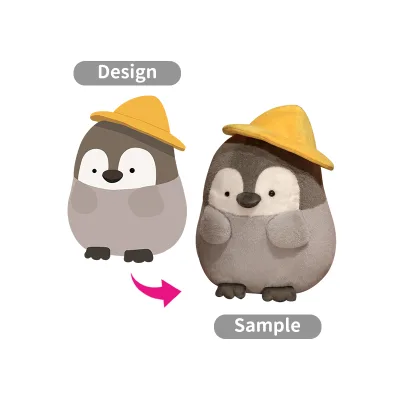

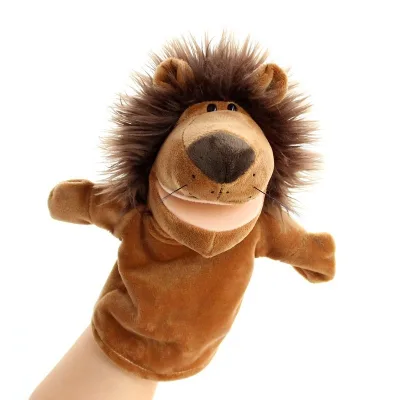
Comprehensive Sourcing Guide
Strategic Sourcing Guide for Hand-Made Cartoon Stuffed Toys
Understanding Product Specifications and Customization Capabilities
When sourcing hand-made cartoon stuffed toys, buyers must first establish a clear understanding of the technical specifications that define the product category. The core offering in this sector is the plush doll, often categorized under sewing products or hand-made technical classifications. These items are distinct from mass-produced, machine-sewn alternatives due to the artisanal nature of their construction, which often involves detailed stitching and fabric manipulation to achieve a specific aesthetic. The primary modeling source for these toys is typically cartoon characters, ranging from established global franchises to custom designs created specifically for the buyer.
A critical aspect of this product category is the high degree of customization available. Buyers should verify that the supplier offers "Custom Made" capabilities, allowing for the creation of unique plush dolls that reflect specific brand identities or character designs. The technical production process often involves sewing products where the "Hand-Made" attribute is a key differentiator, ensuring that each unit may possess slight variations that add to its charm. Regarding physical dimensions, specifications vary significantly; some products are defined as "Short Plush Toys," while others fall under the broader "Plush Toys" category. The modeling source can be either pre-existing cartoon characters or fully custom designs, and the weight of the final product is often listed as "Custom," requiring precise communication between the buyer and the manufacturer to ensure the final item meets the desired feel and durability standards.
The style of the plush doll is another vital specification. While some listings indicate a "Rag Doll" style, others specify "Sitting Animal" or "Standing Animal" configurations. These structural differences impact the internal stuffing, the rigidity of the limbs, and the overall stability of the toy. For instance, a standing animal requires a more robust internal structure to maintain its posture, whereas a sitting animal may prioritize softness and comfort. The naming of animals or characters, such as specific references to "Chibi Maruko-Chan," indicates that suppliers may have experience with specific character archetypes, though buyers should confirm if these are licensed representations or generic interpretations. The final product is often described as "Soft Comfortable," a feature that is essential for toys intended for "Any Ages" or "All Ages," ensuring safety and tactile appeal for the end consumer.
Compliance, Certification, and Safety Standards
Safety and regulatory compliance are non-negotiable when importing stuffed toys, particularly those intended for children. The market for hand-made cartoon plush dolls is subject to rigorous testing to ensure they meet international safety standards. Buyers must verify that suppliers possess valid certifications that cover the regions where the toys will be sold. Common certifications observed in this sector include CE, EN71, ASTM, CPSIA, and REACH. These standards address various aspects of toy safety, from mechanical and physical properties to chemical composition.
The EN71 standard is particularly relevant for the European market, covering mechanical safety, flammability, and chemical migration. Similarly, ASTM F963 is the primary safety standard for toy safety in the United States, often referenced alongside CPSIA (Consumer Product Safety Improvement Act) which mandates strict limits on lead and phthalates. The REACH regulation, applicable in the European Union, focuses on the registration, evaluation, authorization, and restriction of chemicals. Additionally, some suppliers may hold "Azo Free" certifications, indicating that the dyes used in the fabric do not contain harmful azo compounds that can break down into carcinogenic amines.
Beyond product-specific certifications, buyers should also evaluate the supplier's operational certifications. Certifications such as BSCI (Business Social Compliance Initiative) and ISO9001 indicate that the manufacturer adheres to specific social responsibility and quality management standards. While these do not directly certify the toy's safety, they suggest a level of organizational maturity and ethical manufacturing practices. It is crucial for buyers to request current, valid certificates from the supplier rather than relying on general claims. The testing protocols often referenced include ASTM and EN71 tests, which should be conducted by accredited third-party laboratories. Buyers must ensure that the test reports are specific to the product model and batch being produced, as certifications are not always blanket approvals for all products from a factory.
Cost Drivers and Pricing Structures
The pricing of hand-made cartoon stuffed toys is influenced by several dynamic factors, making it essential for buyers to understand the cost structure before negotiating. The observed price range in the market for such items can vary significantly, typically falling between $0.50 and $7.90 USD per unit. This wide range is driven by the complexity of the design, the quality of materials used, the level of customization, and the volume of the order.
One of the primary cost drivers is the "Hand-Made" nature of the production. Labor-intensive processes, such as detailed sewing and assembly, increase the unit cost compared to fully automated manufacturing. The complexity of the cartoon character design also plays a significant role; intricate details, multiple colors, and unique accessories require more time and skill to execute, thereby increasing the price. Furthermore, the "Custom Made" aspect introduces additional costs for pattern making, sampling, and tooling. Buyers should be prepared for higher unit costs if they require unique designs that deviate from existing templates.
Material quality is another critical factor. The choice of fabric, stuffing density, and the inclusion of safety features like reinforced stitching or non-toxic components directly impact the final price. High-quality plush materials that are soft, durable, and compliant with safety standards will command a premium. Additionally, the Minimum Order Quantity (MOQ) affects the unit price. While some suppliers may offer low MOQs starting at 10 units for samples, bulk orders often have higher thresholds, with a common MOQ observed at 500 pieces. Larger order volumes typically result in lower per-unit costs due to economies of scale in material purchasing and production efficiency.
The packaging requirements also contribute to the overall cost. Standard packaging might be simple, such as a single polybag with 50 pieces per carton, but custom packaging requests, such as branded boxes or specific labeling, will add to the expense. Shipping costs, which depend on the chosen method (Ocean or Air) and the destination, must also be factored into the total landed cost. Buyers should request detailed quotations that break down the cost of the product, packaging, and shipping to ensure transparency and avoid hidden fees.
Typical Applications and Market Usage
Hand-made cartoon stuffed toys serve a diverse range of applications, extending beyond simple playthings for children. The primary use cases identified in the market include toys, gifts, and promotional items. As toys, these plush dolls are designed for "Any Ages," making them suitable for a broad demographic that includes toddlers, children, and even adults who collect plush characters. The "Soft Comfortable" feature makes them ideal for cuddling and as comfort objects, which is a significant selling point for parents and caregivers.
In the realm of gifting, these toys are often chosen for their emotional appeal and customization potential. They are frequently used as birthday presents, holiday gifts, or tokens of appreciation. The ability to customize the toy with a specific cartoon character or a customer's logo makes them a popular choice for personalized gifts. The "Gift" usage category is particularly strong for corporate gifting, where companies may order plush dolls with their branding to distribute to clients or employees.
Promotional applications are another significant market segment. Businesses often use these toys as marketing tools to promote brands, events, or products. The "Custom Made" capability allows companies to create unique plush dolls that align with their marketing campaigns. For example, a company might commission a plush doll of a mascot or a character associated with their brand to be distributed at trade shows or as part of a loyalty program. The "Global" nature of the main market indicates that these toys are versatile and can be adapted to various cultural contexts and marketing strategies.
The versatility of these products is further enhanced by their ability to be customized in terms of style, size, and features. Whether it is a "Sitting Animal" for a child's room or a "Standing Animal" for a retail display, the applications are limited only by the buyer's creativity and the supplier's capabilities. The "Toy Design" being "Custom Made" ensures that the final product can be tailored to meet specific marketing or branding objectives, making it a valuable asset for businesses looking to differentiate themselves in a competitive market.
Supplier Evaluation and Operational Capabilities
Selecting the right supplier for hand-made cartoon stuffed toys requires a thorough evaluation of their operational capabilities, production capacity, and reliability. Buyers should look for suppliers that explicitly state their ability to handle "Custom Made" orders and possess the technical expertise to produce "Sewing Products" or "Hand-Made" items. The presence of "OEM/ODM" (Original Equipment Manufacturer/Original Design Manufacturer) capabilities is a strong indicator that the supplier can work closely with buyers to develop and produce unique designs.
Production timelines are a critical factor in supplier evaluation. Buyers should verify the sample time and production lead times to ensure they align with their project schedules. Typical sample times range from 3 to 8 working days, with some suppliers offering a "Sample Revised" option with unlimited revisions to ensure the design meets the buyer's expectations. Production times generally fall between 25 and 35 working days, depending on the order volume and complexity. It is essential to confirm these timelines in writing to avoid delays in the supply chain.
Logistics and shipping capabilities are also important considerations. Suppliers should be able to offer flexible shipping options, such as Ocean or Air freight, and provide "Door to Door Service" if required. The loading port is typically located in major manufacturing hubs like Shenzhen or Guangzhou in Guangdong, China. Buyers should also inquire about the supplier's packaging standards, which may range from standard polybag and carton combinations to custom packaging solutions based on the toy size and client requests.
Quality control is another vital aspect of supplier evaluation. Buyers should ask about the supplier's internal quality assurance processes and their adherence to safety standards. The presence of certifications like BSCI and ISO9001 can provide confidence in the supplier's commitment to quality and social responsibility. Additionally, buyers should request references or case studies from previous clients to gauge the supplier's reliability and performance. It is advisable to conduct a factory audit or hire a third-party inspection service to verify the supplier's claims and ensure that their facilities meet the required standards.
Quality Control and Long-Term Procurement Strategies
Implementing a robust quality control (QC) strategy is essential for maintaining the integrity of hand-made cartoon stuffed toys throughout the production process. Given the "Hand-Made" nature of these products, there is an inherent risk of variation between units. To mitigate this, buyers should establish clear quality standards and inspection criteria before production begins. This includes defining acceptable tolerances for dimensions, stitching quality, and material consistency.
Third-party inspection services can play a crucial role in the QC process. These services can conduct pre-production, during-production, and pre-shipment inspections to ensure that the products meet the agreed-upon specifications. Inspections should focus on critical areas such as the safety of materials, the integrity of the stitching, and the accuracy of the custom designs. Buyers should also verify that the supplier conducts internal QC checks at various stages of production, including material sourcing, cutting, sewing, and final assembly.
For long-term procurement, building a strategic partnership with the supplier is key. This involves maintaining open communication, providing feedback on product quality, and collaborating on continuous improvement initiatives. Buyers should consider placing recurring orders to build a relationship with the supplier, which can lead to better pricing, priority production scheduling, and improved service levels. Additionally, buyers should stay informed about changes in safety regulations and market trends to ensure that their products remain compliant and competitive.
Long-term considerations also include supply chain resilience. Buyers should assess the supplier's ability to scale production in response to demand fluctuations and their contingency plans for potential disruptions. Diversifying the supplier base can also help mitigate risks, ensuring that the buyer is not overly reliant on a single source. Finally, buyers should regularly review and update their procurement strategies to align with evolving business goals and market conditions, ensuring a sustainable and efficient supply chain for hand-made cartoon stuffed toys.
FAQs
What certifications do hand made cartoon stuffed toys have?
These toys typically hold CE, EN71, ASTM, CPSIA, REACH, and Azo Free certifications. Some suppliers also provide BSCI and ISO9001 operational certificates. Buyers should verify specific test reports for the model before ordering.
How long does it take to produce custom plush dolls?
Production time generally ranges from 25 to 35 working days. Sample creation takes 3 to 8 working days with unlimited revisions available. Delivery times depend on shipping method and destination from the loading port.
Can I customize the design and logo of the plush toy?
Yes, the product design is fully custom made with customer logos available. Suppliers offer OEM and ODM services for unique character designs. Buyers can request specific packing and labeling requirements to match their brand.
What is the minimum order quantity for these stuffed toys?
The standard minimum order quantity is 500 pieces, though some listings show ranges from 10 to 1000. Bulk orders often benefit from lower unit prices due to economies of scale in material purchasing and production.
Where are these hand made plush toys manufactured and shipped from?
Products originate from Guangdong, China, with loading ports in Shenzhen or Guangzhou. Shipping options include ocean or air freight with door-to-door service available. The main market coverage is global for these items.
What styles and sizes are available for cartoon plush dolls?
Styles include sitting animals, standing animals, and rag dolls with soft comfortable features. Sizes vary from short plush toys to custom dimensions based on client requests. Modeling sources range from cartoon characters to fully custom designs.