Source Hand Made Astronaut Statue for decor, gifts, and collections
Compare 30 Hand Made Astronaut Statue options from verified suppliers in Hebei, China. Buyers can evaluate bronze and copper materials, casting techniques, and customization services for art, advertising, and souvenir applications.
Key considerations
Products List


Hand Made Life Size Custom Art Sculpture Anubis Bronze Ancient Egyptian God Statue
$1700.00 - $3000.00
MOQ: 1 Pieces


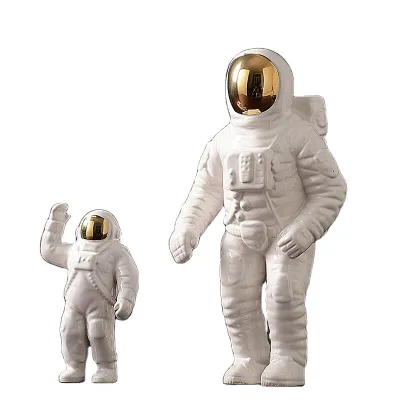
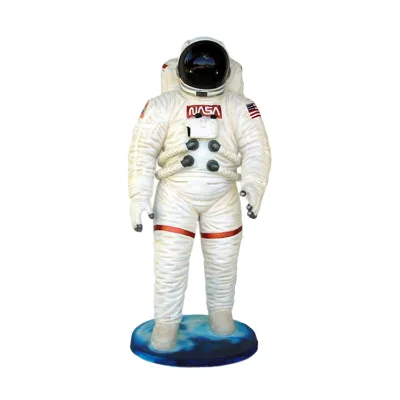


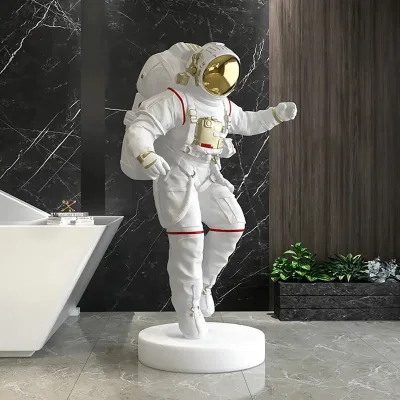


Creative Crafts Resin Action Human Figurines Statue Sculpture Decoration
$2.00 - $5.00
MOQ: 500 Pieces


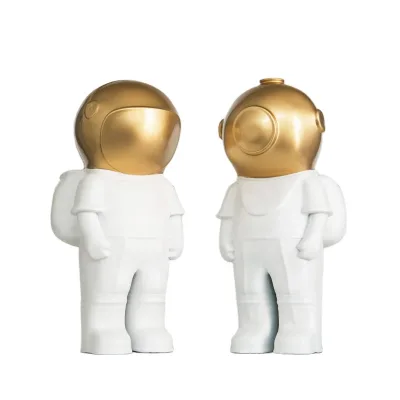
Comprehensive Sourcing Guide
Strategic Sourcing Guide for Hand-Made Astronaut Statues
The procurement of hand-made astronaut statues represents a specialized niche within the broader decorative arts and custom sculpture market. Buyers seeking these items are often driven by specific aesthetic requirements, such as the desire for European and American styles or natural finishes, alongside functional needs for outdoor durability or indoor home decoration. The market for these artifacts is characterized by a high degree of customization, where the "hand-made" designation implies a labor-intensive production process, typically utilizing the lost-wax casting technique. This guide outlines the critical factors for sourcing these items, focusing on the technical realities of bronze and copper casting, the implications of supply chain origins, and the verification of quality attributes without relying on unverified marketing claims.
Technical Specifications and Material Integrity
When evaluating hand-made astronaut statues, the primary technical differentiator lies in the material composition and the casting method employed. The supplied product data indicates that the core material for these sculptures is predominantly bronze, with copper also appearing as a viable alternative in specific listings. Bronze is the industry standard for high-end outdoor and indoor sculptures due to its durability and ability to hold fine detail. The production process is explicitly identified as the "lost-wax process," a traditional method that ensures a high level of fidelity to the original model. This technique involves creating a wax replica of the astronaut, encasing it in a ceramic shell, melting out the wax, and pouring molten bronze into the cavity.
The physical specifications of these statues vary significantly based on the buyer's requirements. While some listings specify a single package size of 10x10x5 cm, this likely refers to a miniature or sample unit rather than the full-scale "life size" product described in the product name. For actual life-size installations, the single gross weight is observed to be approximately 3.000 kg for smaller units, but full-scale bronze statues will naturally be heavier. The surface treatment is a critical technical specification; options include painted finishes, polished and waxed surfaces, or custom colors. The "polished and waxed" finish is particularly relevant for outdoor applications, as it provides a protective layer against the elements. Buyers must verify that the "customized" shape and "natural" or "European & American" style attributes align with the specific dimensional requirements of their intended space.
Compliance, Certification, and Origin Verification
In the realm of custom metal sculpture, formal certifications are often less standardized than in mass-produced consumer goods. However, the origin of the product remains a vital compliance and logistical factor. The supplied data consistently identifies the place of origin as Hebei, China (Mainland), a region known for its manufacturing capabilities in metalwork. Buyers must treat the "Hebei" origin as a factual observation of the supply chain node rather than a guarantee of specific quality standards.
Regarding compliance, the "prod_standard" is listed as "As customized" or "Customize." This indicates that there is no single universal standard applied to every unit; instead, the standard is defined by the specific agreement between the buyer and the supplier. Consequently, buyers cannot assume that a product meets specific international safety or environmental standards without explicit verification. For outdoor sculptures, the "suitable for: Outdoor" attribute suggests a level of weather resistance, but buyers should request specific data on the protective coatings used to ensure the bronze does not corrode in local climate conditions. Similarly, while the "OEM/ODM: Accept" attribute confirms the supplier's flexibility, it does not imply adherence to specific intellectual property or labor standards. Verification of these aspects must be conducted through direct inquiry and contractual stipulation rather than relying on the product listing alone.
Cost Drivers and Pricing Dynamics
The pricing structure for hand-made astronaut statues is influenced by several distinct variables. The observed price range in the market spans from $0.10 to $9,749.81 USD. This extreme variance is not indicative of a single product line but rather reflects the spectrum from small decorative items or samples to full-scale, life-size bronze masterpieces. The primary cost driver is the material volume; a life-size bronze statue requires significantly more raw material than a small figurine, directly impacting the base cost.
Labor is the second major cost component. The "Hand-Made" and "Casting" attributes denote a process that cannot be fully automated. The lost-wax process is time-intensive, requiring skilled artisans for mold creation, wax modeling, casting, chasing, and surface finishing. The "Sample Time" of 10 days further underscores the labor involved in the prototyping phase. Additionally, the "Transportation" method, described as "Door to Door," adds logistical costs that vary based on the weight and dimensions of the final product. While the "Single package size" of 10x10x5 cm suggests low shipping costs for small items, life-size statues will require "Strong Wooden Crate" packaging, as noted in the product packing specifications, which significantly increases freight expenses. Buyers should anticipate that the lower end of the price range likely corresponds to smaller, mass-produced variations, while the higher end reflects custom, life-size commissions.
Typical Applications and Design Customization
The versatility of hand-made astronaut statues allows for a wide range of applications, as evidenced by the diverse usage categories listed. These include "Art & Collectible," "Home Decorations," "Business Gift," "Holiday Gifts," and "Religious Crafts." The "European & American" style and "Natural" design attributes suggest that these statues are often used to create a specific atmospheric effect in commercial or residential spaces. For instance, a "Life Size Landscaping Bronze Rearing Horse Sculpture" and an "Astronaut life size bronze statue" share similar aesthetic goals, often serving as focal points in gardens, corporate lobbies, or public art installations.
The "Custom made" and "Customization: Available" attributes are central to the value proposition of these items. Buyers can specify the shape, color, and size to match their unique requirements. The "Shape: Customized" and "Color: Custom Color" options allow for personalization that mass-produced items cannot offer. However, this customization introduces complexity to the procurement process. The "MOQ" (Minimum Order Quantity) is observed to range from 1 to 1000, with specific listings showing an MOQ of 1 PCS or 10 PCS. This flexibility allows individual collectors to purchase a single piece, while businesses can order larger quantities for promotional events or retail display. The "Selling Units" are typically "Single item," meaning the transaction is often unit-based rather than batch-based, which simplifies the ordering process for small-scale buyers.
Supplier Evaluation and Quality Control Protocols
Evaluating a supplier for hand-made astronaut statues requires a rigorous approach to quality control, given the lack of standardized testing data in the provided context. The "Technics" and "Technique" are listed as "Casting" and "Lost-wax process," respectively. Buyers should verify the supplier's capability to execute this process consistently. The "Surface Treatment" options, such as "Painted" or "Polished and Waxed," must be inspected for uniformity and durability. A key quality control step is the verification of the "prod_packing" standards, which are described as "Strong Wooden Crate+Inner Cotton Wrap" or "Inner: Plastic Foam or Foam; Outside: with Strong." This packaging is essential to prevent damage during transit, especially for heavy bronze items.
When assessing suppliers, buyers should look for evidence of the "Hand-Made" claim. This can be done by requesting photos or videos of the workshop, specifically focusing on the casting and finishing stages. The "Process: Hand-Made" attribute should be corroborated by the supplier's ability to demonstrate the manual labor involved in the lost-wax process. Furthermore, the "OEM/ODM: Accept" status suggests the supplier is capable of adapting to specific design requests, but buyers must ensure that the supplier has the technical capacity to maintain the integrity of the design during the casting process. The "Sample Time" of 10 days is a useful metric for evaluating the supplier's responsiveness and production efficiency. A supplier that can deliver a high-quality sample within this timeframe is likely to have a streamlined production process.
Long-Term Procurement and Maintenance Considerations
For buyers planning long-term procurement, the maintenance and longevity of the statue are critical factors. The "Suitable for: Outdoor" attribute indicates that the statues are designed to withstand environmental exposure, but this does not eliminate the need for maintenance. The "Polished and Waxed" surface treatment requires periodic re-waxing to maintain its protective qualities and aesthetic appeal. Buyers should inquire about the specific type of wax or coating used and the recommended maintenance schedule.
The "Customized" nature of the product means that replacement parts or matching pieces may be difficult to source later if the original supplier is no longer available. Therefore, establishing a long-term relationship with a reliable supplier is advisable. The "MOQ: 1" flexibility allows for initial low-risk testing of the supplier's quality, but for larger orders, buyers should negotiate terms that ensure consistency in material and finish. The "Transportation: Door to Door" service simplifies logistics, but buyers must ensure that the shipping partner is experienced in handling heavy, fragile items to avoid damage. Finally, the "Application" scope, which includes "Advertising" and "Souvenir," suggests that these statues may be used in high-traffic areas where they are subject to wear and tear. Buyers should consider the durability of the finish and the structural integrity of the bronze to ensure the statue remains a valuable asset over time.
Comparative Analysis of Product Attributes
To assist buyers in distinguishing between different offerings, the following table summarizes the key attributes observed in the market data. This comparison highlights the variability in specifications and helps buyers identify the features most relevant to their specific needs.
| Attribute | Observation A | Observation B | Observation C |
|---|---|---|---|
| Material | Bronze | Copper | Bronze |
| Technique | Lost-wax process | Casting | Hand-Made |
| Origin | Hebei, China | China | Hebei, China (Mainland) |
| MOQ | 1 PCS | 10 PCS | 1 |
| Style | European & American | Natural | Customized |
| Surface | Painted | Polished and Waxed | Custom Color |
| Packaging | Wooden Crate + Cotton | Plastic Foam + Strong | Strong Wooden Crate |
| Application | Home Decor, Art | Business Gift, Religious | Outdoor, Advertising |
This table illustrates that while the core material and technique remain consistent (bronze/copper and lost-wax), the specific finish, origin details, and minimum order quantities vary. Buyers must carefully match these attributes to their project requirements. For example, a buyer requiring an outdoor statue with a polished finish should prioritize listings that explicitly state "Polished and Waxed" and "Suitable for: Outdoor." Conversely, a buyer seeking a small promotional gift might focus on listings with an MOQ of 1 and a "Natural" style.
In conclusion, sourcing hand-made astronaut statues requires a meticulous approach that balances the artistic value of the lost-wax casting process with the practical realities of logistics and quality control. By understanding the technical specifications, verifying the origin and standards, and carefully evaluating the cost drivers and maintenance needs, buyers can successfully procure high-quality sculptures that meet their specific aesthetic and functional requirements. The flexibility of the market, evidenced by the wide range of prices and MOQs, offers opportunities for both individual collectors and large-scale commercial buyers, provided they conduct thorough due diligence on each potential supplier.
FAQs
What material is used for hand made astronaut statues?
The statues are primarily made of bronze, with copper also available as an alternative material. This choice ensures durability for both indoor and outdoor applications while allowing for the intricate details required by the lost-wax casting process.
How is the lost-wax process applied to these sculptures?
The lost-wax process is a traditional hand-made technique used to create high-fidelity bronze sculptures. It involves creating a wax model, encasing it in a ceramic shell, melting out the wax, and pouring molten metal to form the final shape.
Can I customize the shape and color of the statue?
Yes, customization is available for both the shape and color of the Hand Made Astronaut Statue. Buyers can specify unique designs to match their aesthetic needs, with options for custom colors and tailored dimensions to suit specific spaces.
What is the minimum order quantity for these sculptures?
The minimum order quantity can be as low as one piece for individual buyers. Some listings allow for orders starting at ten pieces, providing flexibility for both single collectors and businesses looking for promotional gifts or bulk purchases.
Where are these hand made astronaut statues manufactured?
These sculptures are manufactured in Hebei, China, which is a known hub for metalwork and casting. The origin is consistently listed as Hebei, China Mainland, ensuring a specific supply chain node for all observed product listings.
How are the statues packaged for transportation?
Statues are packed in strong wooden crates with inner cotton wraps or plastic foam for protection. This robust packaging is designed to prevent damage during transit, especially for heavy bronze items that require careful handling and secure shipping.