Source Hand Nylon Shoe Cleaning Brush for Shoes, Furniture, and Glass
Find and compare 30 Hand Nylon Shoe Cleaning Brush options for industrial and household use. These tools feature soft bristles, long handles, and customizable sizes for effective dust removal and cleaning tasks.
Key considerations
Products List


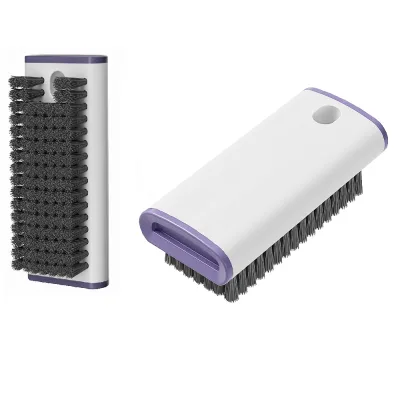
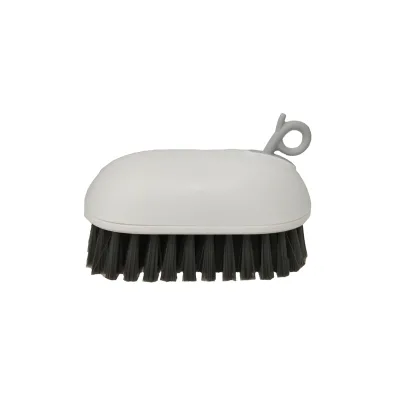


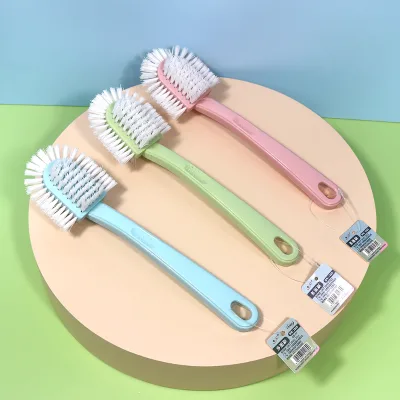
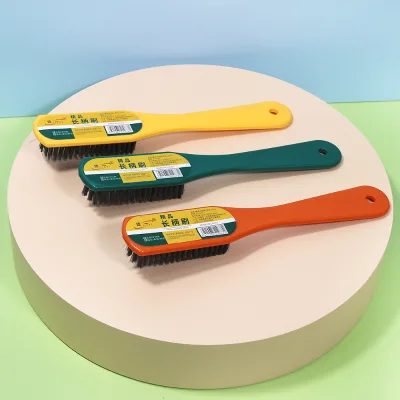
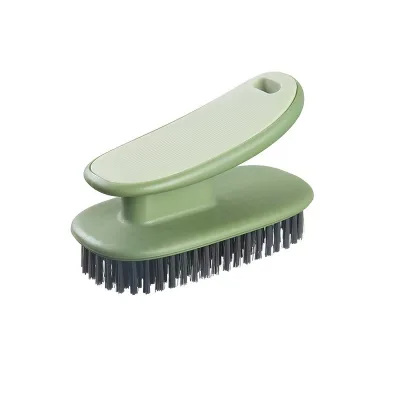


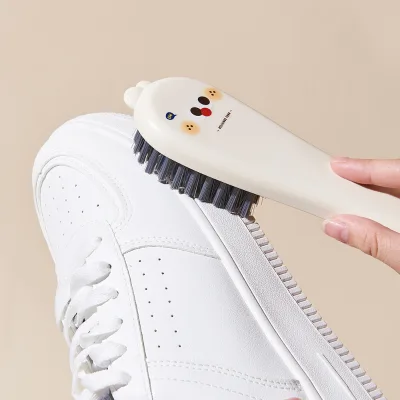
Comprehensive Sourcing Guide
Hand Nylon Shoe Cleaning Brush Sourcing Guide
Sourcing hand nylon shoe cleaning brushes requires a nuanced understanding of the intersection between material durability, bristle configuration, and end-use application. These tools are ubiquitous in the footwear care industry, serving both professional cobbler shops and individual consumers who prioritize the longevity of their footwear. The core value proposition of a nylon-bristled brush lies in its ability to provide effective scrubbing power without damaging delicate materials such as leather, suede, or synthetic uppers. Unlike natural fiber brushes, which may retain moisture and harbor bacteria, nylon bristles dry quickly and maintain their structural integrity over repeated use. For procurement professionals, selecting the right supplier involves balancing cost-efficiency with the specific performance characteristics required by the target market, whether that be heavy-duty industrial cleaning or gentle home care.
The market for these brushes is characterized by a high degree of customization and a wide variance in product specifications. Buyers often encounter listings that vary significantly in handle ergonomics, bristle density, and overall dimensions. While some products are designed for general-purpose cleaning, others are specialized for specific tasks such as removing dried mud from hiking boots or polishing high-gloss leather. The presence of brands like BOSCH, MAKITA, and Hitachi in some listings suggests a potential overlap with power tool accessories or industrial-grade cleaning equipment, indicating that buyers must carefully distinguish between manual hand tools and powered counterparts. Understanding these distinctions is critical to avoiding procurement errors and ensuring that the purchased inventory aligns with customer expectations and brand positioning.
Product Scope and Observed Listing Signals
The observed product landscape for hand nylon shoe cleaning brushes reveals a diverse array of models, each tailored to specific functional requirements. Common model identifiers such as TOP-RB, TOP-PWB, and EHH275 indicate a standardized naming convention used by manufacturers to differentiate between variations in size, bristle type, and handle design. For instance, the TOP-RB series appears to offer multiple size options, including 3-inch, 4-inch, and 5-inch variants, catering to different cleaning surfaces and user preferences. Similarly, the TOP-PWB model is specified with dimensions of 173.5cm and 236cm, suggesting a focus on ergonomic handling and surface coverage. These variations allow buyers to curate a product line that addresses a broad spectrum of consumer needs, from compact travel brushes to larger, more robust cleaning tools.
Packaging and branding strategies also play a significant role in the sourcing process, influencing both logistics costs and retail appeal. Products are frequently packaged in OPP bags or corrugated cartons, with quantities ranging from single units to bulk packs of 1000 pieces per carton. This flexibility in packaging allows suppliers to accommodate both small-scale retailers and large distributors. Additionally, the presence of "Customized" attributes in product listings highlights the potential for private labeling and OEM services, enabling buyers to create unique brand identities. However, the inclusion of major power tool brand names in some descriptions may indicate cross-listing errors or generic templates, necessitating careful verification to ensure that the actual product matches the marketing claims. Buyers should prioritize suppliers who provide clear, accurate product descriptions and transparent packaging details to minimize supply chain disruptions.
Technical Specifications to Verify
When evaluating hand nylon shoe cleaning brushes, the material composition of the bristles is a primary technical consideration. Nylon is the predominant material cited, offering a balance of stiffness and flexibility that is ideal for removing dirt and debris without scratching surfaces. Buyers should verify the specific grade of nylon used, as higher-quality nylon bristles tend to be more resilient and resistant to wear. Additionally, the bristle configuration, including density and length, significantly impacts cleaning efficiency. Some listings mention "Custom-Made" bristle options, suggesting that suppliers can tailor the bristle properties to meet specific customer requirements. This level of customization can be particularly valuable for buyers targeting niche markets, such as those requiring brushes for delicate suede or specialized synthetic materials.
Handle design and overall dimensions are equally critical factors that influence user experience and product functionality. The EHH series, for example, features specific dimensions such as 19.543CM and 20.53.33CM, indicating a focus on compact and ergonomic designs. Long handles are also available, providing better leverage and reducing hand fatigue during extended cleaning sessions. Buyers should assess the material of the handle, which is often made from plastic or wood, and ensure that it is durable and comfortable to grip. Furthermore, the folded or unfolded state of the brush can impact storage and shipping efficiency, with unfolded designs being more common for standard cleaning tasks. Verifying these technical specifications through sample requests or detailed product datasheets is essential to ensure that the final product meets the desired quality standards and functional requirements.
Compliance and Safety Documentation
Compliance with international safety and quality standards is a fundamental requirement for sourcing hand nylon shoe cleaning brushes, particularly when targeting regulated markets. The CE certification mentioned in some listings indicates that the products meet European health, safety, and environmental protection standards. Buyers should request valid CE certificates from suppliers to verify compliance, ensuring that the materials used in the brushes, including the nylon bristles and plastic handles, are free from harmful substances such as phthalates or heavy metals. Additionally, for products intended for food-related applications or environmental protection, specific material safety data sheets (MSDS) may be required to confirm that the brushes do not contaminate surfaces or pose health risks during use.
Beyond regulatory compliance, buyers should also consider the environmental impact of the products they source. The "Eco-Friendly" attribute noted in some listings suggests that certain manufacturers are adopting sustainable practices, such as using recyclable packaging materials or sourcing biodegradable components. While nylon is not biodegradable, some suppliers may offer brushes with replaceable heads or handles made from recycled plastics. Buyers interested in promoting sustainability should inquire about the supplier's environmental policies and certifications, such as ISO 14001, to ensure that their procurement activities align with corporate social responsibility goals. Verifying these documentation requirements early in the sourcing process helps mitigate legal risks and enhances the brand's reputation among environmentally conscious consumers.
Cost Drivers and Commercial Terms
The cost of hand nylon shoe cleaning brushes is influenced by several key factors, including material quality, production volume, and customization requirements. Higher-grade nylon bristles and ergonomic handle designs typically command higher prices due to increased manufacturing complexity and material costs. Customization options, such as private labeling or unique bristle configurations, can also add to the overall cost, as they require additional setup time and resources from the supplier. Buyers should negotiate pricing based on order volume, as larger quantities often result in lower per-unit costs. However, it is important to balance cost savings with quality assurance, as overly aggressive price negotiations may lead to compromises in material quality or production standards.
Commercial terms, including minimum order quantities (MOQ) and lead times, are critical components of the procurement strategy. Observed MOQs range from 1 to 10,000 pieces, offering flexibility for both small businesses and large enterprises. Lead times typically range from 10 to 12 days, depending on the complexity of the order and the supplier's production capacity. Buyers should establish clear communication channels with suppliers to ensure timely delivery and address any potential delays proactively. Additionally, payment terms and shipping methods, such as DHL, TNT, or ocean freight, should be negotiated to optimize cash flow and logistics efficiency. Understanding these commercial dynamics allows buyers to structure contracts that protect their interests while fostering a collaborative relationship with suppliers.
Supplier Qualification and Quality Control
Selecting a reliable supplier for hand nylon shoe cleaning brushes requires a thorough evaluation of their manufacturing capabilities and quality control processes. Buyers should verify the supplier's production facilities, including their equipment, workforce, and quality management systems. Suppliers with ISO 9001 certification demonstrate a commitment to consistent quality and operational efficiency. Additionally, buyers should request samples to assess the physical attributes of the brushes, such as bristle strength, handle durability, and overall finish. Conducting on-site audits or third-party inspections can provide valuable insights into the supplier's production practices and help identify potential risks before committing to large orders.
Quality control measures should be integrated into the procurement process to ensure that the final products meet the specified standards. Buyers should establish clear quality criteria, including acceptable tolerances for dimensions, bristle density, and material composition. Implementing a pre-shipment inspection protocol can help catch defects early and prevent the distribution of substandard products. Furthermore, buyers should maintain open communication with suppliers regarding any quality issues that arise, fostering a culture of continuous improvement. By prioritizing supplier qualification and rigorous quality control, buyers can build a resilient supply chain that delivers consistent value to their customers.
Long-Term Procurement Checks
Sourcing hand nylon shoe cleaning brushes is not a one-time transaction but an ongoing process that requires regular review and adjustment. Buyers should periodically assess supplier performance based on metrics such as delivery reliability, product quality, and responsiveness to issues. Establishing key performance indicators (KPIs) and conducting regular supplier evaluations can help identify areas for improvement and ensure that the supply chain remains efficient and cost-effective. Additionally, buyers should stay informed about market trends and technological advancements in brush manufacturing, as these developments may offer opportunities for product innovation or cost reduction.
Long-term relationships with suppliers can provide significant benefits, including preferential pricing, priority production scheduling, and collaborative product development. However, it is important to maintain a diversified supplier base to mitigate risks associated with single-source dependencies. Buyers should regularly explore new suppliers and evaluate their capabilities to ensure that they have access to the best possible resources. By adopting a strategic approach to long-term procurement, buyers can build a sustainable and competitive supply chain that supports their business growth and customer satisfaction goals.
FAQs
What materials are used for the bristles of these brushes?
The bristles are made from nylon or custom-made materials to ensure durability and softness. This composition supports effective cleaning for shoes and industrial applications while maintaining an eco-friendly profile for various usage scenarios.
Can I find these brushes with CE certification?
Yes, the product listings confirm that CE certification is available for these industrial brushes. This certification ensures compliance with safety standards, making them suitable for diverse applications including food and drinks, textile printing, and general machinery cleaning.
What is the typical lead time for delivery?
The standard lead time for these products is between 10 to 12 days. Delivery can be arranged via DHL, TNT, UPS, FedEx, ocean freight, or train, depending on the specific shipping requirements and the supplier's location in China.
Which specifications are available for the shoe cleaning brushes?
Available specifications include dimensions like 19.5 by 4 by 3 cm and 20.5 by 3.3 by 3 cm. Other models offer sizes such as 13.5 by 5 by 7 cm or 45 by 75 by 540 mm, with options for custom-made dimensions to fit specific needs.
How are these brushes packaged for shipment?
Packaging options vary by model, including OPP bags, corrugated cartons, or bulk cartons containing 1000 pieces. Some specific items are packed in cartons of 5 or 100 pieces, ensuring safe transport and easy inventory management for buyers.
Are these brushes suitable for industrial applications?
Yes, these brushes are designed for industrial use, including food and drinks, textile printing, and wooden furniture. They are also effective for environmental protection, glass, electrical, and electronics sectors, offering versatile cleaning and dust removal capabilities.
What is the minimum order quantity for these products?
The minimum order quantity ranges from 1 to 10,000 pieces depending on the specific model and customization. Some standard items may require a minimum of 5,000 pieces, while others allow for smaller trial orders starting at just one unit.