Source Waterproof Anti-Allergy Wound Fixation Dressing for Surgery, Trauma, and Chronic Care
Compare 30 verified listings for waterproof anti-allergy wound fixation dressing suitable for surgical, trauma, and chronic wound applications. Buyers can review CE and ISO certified options with customizable sizes and strong adhesion features from Shanghai-based manufacturers.
Key considerations
Products List




Comprehensive Sourcing Guide
Strategic Sourcing Guide for Waterproof Anti-Allergy Wound Fixation Dressings
Procuring medical-grade waterproof anti-allergy wound fixation dressings requires a rigorous approach that balances clinical efficacy with supply chain reliability. For buyers in the B2B sector, the market offers a diverse array of adhesive non-woven wound dressings designed to secure medical devices, protect wounds, and provide a barrier against external contaminants. The core objective is to source products that ensure patient safety through robust adhesion while minimizing the risk of allergic reactions, typically achieved through latex-free formulations. This guide outlines the critical technical, compliance, and commercial factors necessary for making informed procurement decisions in this specialized category.
Technical Specifications and Material Composition
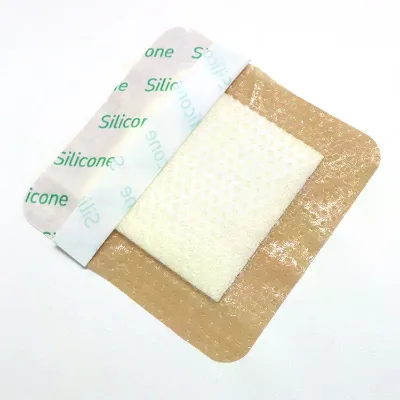
The foundation of a reliable wound fixation dressing lies in its material composition and physical specifications. Based on available market data, these products are predominantly manufactured using non-woven fabrics combined with various polymer layers such as Polyethylene (PE), Polyvinyl Chloride (PVC), Polyurethane (PU), or flexible fabrics. The specific choice of material directly influences the dressing's breathability, flexibility, and waterproof capabilities. A common configuration observed in high-performance units involves a Non-Woven/PU+Glue structure, which offers an optimal balance between strong adhesion and skin compatibility.
Size variability is a critical specification factor. Buyers must verify that the supplier can accommodate a range of dimensions to suit different clinical scenarios. Standard sizes frequently encountered in the market include 67cm, 1012cm, 78.5cm, 1015cm, and larger variants up to 1025cm. Some specialized models feature absorbent pads integrated into the design, such as the 1015cm variant with an absorbent pad, which is essential for managing exudate while maintaining a waterproof seal. The format of the dressing is also customizable; options typically include standard rectangular shapes or those with a "U Cut" design to facilitate application around specific anatomical areas or medical tubing.
Color is another observable attribute, with white and transparent being the most common options. While color does not inherently dictate performance, it can impact visibility during application and aesthetic preferences in certain clinical settings. The product classification generally falls under Class I medical devices, indicating a lower risk profile, yet the manufacturing standards remain stringent. The "Type" of product is often categorized as passive dressing or elastic adhesive bandage, depending on the intended flexibility and stretch properties required for the specific wound fixation application.
Compliance, Certification, and Regulatory Standards
Navigating the regulatory landscape is paramount when sourcing medical devices. The primary certifications to verify are CE marking and ISO standards. Specifically, the International Organization for Standardization certification ISO 13485 is a critical benchmark for medical device quality management systems. Data indicates that reputable suppliers in this sector often hold both CE and ISO certifications, ensuring that their manufacturing processes meet international safety and quality requirements.
Sterilization is a non-negotiable aspect of wound care products. The standard method employed for these dressings is Ethylene Oxide (EO) Gas sterilization, which effectively eliminates pathogens without damaging the material properties of the non-woven fabric or the adhesive. Buyers must explicitly confirm the sterilization status of the product. While some listings mention EO Gas sterilization, it is crucial to distinguish between products that are sterilized and those that are not. Claims of "Without Ethylene Oxide Sterilization" must be treated with caution, as non-sterile dressings are generally unsuitable for open wound applications and are typically restricted to external fixation or non-invasive uses.
The shelf life of these products is a key logistical parameter, with a typical duration of three years observed in the market. This longevity allows for efficient inventory management and reduces the risk of product expiration before use. However, the quality guarantee period may vary, with some suppliers offering a two-year guarantee. Buyers should verify the specific quality assurance terms in the contract, as this reflects the manufacturer's confidence in the product's durability and performance over time.
Cost Drivers and Pricing Structures
Understanding the cost structure of waterproof wound dressings involves analyzing several variables, including material costs, customization levels, and order volume. The observed price range for these products in the market is relatively low, typically falling between 0.01 and 4.00 USD per unit. This wide range suggests significant variation based on the complexity of the design, the quality of the adhesive, and the specific material composition (e.g., PU vs. standard non-woven).
The Minimum Order Quantity (MOQ) is a significant factor influencing the unit cost. The market data indicates an MOQ range spanning from 500 to 50,000 units. Smaller orders near the 500-unit threshold will likely command a higher per-unit price due to the fixed costs of production setup and logistics. Conversely, bulk orders approaching the 50,000-unit mark can leverage economies of scale to achieve more competitive pricing. Buyers should be aware that customizations, such as specific sizes, colors, or branded packaging, may increase the MOQ requirements and potentially alter the cost structure.
Packaging standards also play a role in cost. Standard packaging often involves corrugated cartons with specific inner configurations, such as 100 pieces per box and 2,000 pieces per carton. Custom packaging solutions, including individually wrapped units or specialized labeling for OEM clients, will incur additional costs. Buyers must evaluate whether the added expense of custom packaging aligns with their distribution strategy and brand requirements.
Typical Applications and Clinical Utility
The primary application of waterproof anti-allergy wound fixation dressings is wound care, specifically for the protection and fixation of medical devices. These dressings are designed to secure dressings, tubes, and catheters in place while providing a waterproof barrier that prevents contamination from water, bacteria, and other environmental factors. The "Strong Adhesion" feature is a critical attribute, ensuring that the dressing remains secure even in moist environments or during patient movement.
The "Latex Free" characteristic is a vital safety feature for patients with latex allergies, which is a common concern in healthcare settings. By utilizing materials such as PE, PVC, or PU, manufacturers can provide a hypoallergenic alternative to traditional latex-based bandages. The "Elastic Adhesive Bandage" type offers additional flexibility, making it suitable for application on joints or areas requiring movement, while the "Passive Dressing" type provides a stable, non-stretching barrier for flat wound sites.
These products are generally intended for adult use, as indicated by the "Group: Adult" classification. The application scope includes protection, fixation, and general wound care. The ability to customize the product, including the provision of OEM services, allows healthcare providers and distributors to tailor the dressing to specific clinical protocols or brand identities. The "With or Without U Cut" format further enhances versatility, allowing for precise application around complex anatomical structures.
Supplier Evaluation and Manufacturing Capabilities
When evaluating potential suppliers, buyers should prioritize those with verified manufacturing capabilities. The presence of a factory ("Factory: Yes") is a strong indicator of direct production control, which often translates to better quality consistency and more flexible lead times compared to trading companies. The origin of the products is frequently listed as Shanghai, China, a major hub for medical device manufacturing. Buyers should verify the specific location and capacity of the facility to ensure it aligns with their supply chain requirements.
Customization capabilities are a key differentiator among suppliers. The market data confirms that customization is available, and OEM services are provided. This means suppliers can accommodate requests for specific sizes, colors, packaging, and branding. Buyers should assess the supplier's ability to handle these customizations efficiently, including their capacity to produce samples. The availability of free samples is a common practice that allows buyers to test product quality before committing to a large order.
Stock availability is another critical consideration. Some suppliers operate on a "No Stock" model, indicating a made-to-order approach. This can lead to longer lead times, which are often listed as "To Be Discussed." Buyers must negotiate clear delivery timelines based on their order volume and customization needs. Understanding the production cycle is essential for planning inventory levels and ensuring a continuous supply of critical medical consumables.
Quality Control and Long-Term Procurement Considerations
Ensuring consistent quality requires a robust quality control framework. Buyers should request detailed documentation regarding the manufacturing process, including material sourcing, sterilization validation, and final product testing. The "Quality Certification" of CE and ISO 13485 provides a baseline assurance, but buyers should also inquire about internal quality control measures and any third-party testing results. The "Quality Guarantee Period" of two years, where applicable, offers a layer of protection against premature product failure.
Long-term procurement strategies should focus on building a sustainable relationship with suppliers who demonstrate reliability and flexibility. The variability in lead times and the need for customization mean that communication and contract clarity are vital. Buyers should establish clear specifications for size, material, and packaging to avoid misunderstandings. Additionally, monitoring the shelf life of the products is crucial; with a typical shelf life of three years, buyers can plan for extended inventory cycles but must ensure proper storage conditions to maintain product integrity.
The "Instrument Classification" as Class I simplifies regulatory hurdles in many jurisdictions, but it does not negate the need for due diligence. Buyers should verify that the supplier maintains up-to-date certifications and adheres to all relevant local and international regulations. Regular audits and performance reviews of the supplier can help mitigate risks and ensure that the supply chain remains resilient against market fluctuations or production disruptions.
Comparative Analysis of Product Attributes
To facilitate decision-making, the following table summarizes key attributes observed in the market for waterproof anti-allergy wound fixation dressings. This comparison highlights the variability in specifications and helps buyers identify products that best match their clinical and operational needs.
| Attribute | Common Observation | Variability Notes |
|---|---|---|
| Material | Non-Woven, PE, PVC, PU, Cotton | Combinations vary (e.g., Non-Woven/PU+Glue) |
| Sterilization | EO Gas | Must verify "Sterilized" vs. "Without EO" |
| Certification | CE, ISO, ISO13485 | ISO13485 is critical for QMS |
| Size Range | 67cm to 1025cm | Includes specific sizes like 10*15cm with pad |
| Adhesion | Strong Adhesion | Latex-free is a standard safety feature |
| MOQ | 500 - 50,000 units | Higher volume reduces unit cost |
| Shelf Life | 3 Years | Standard duration for non-woven products |
| Origin | Shanghai, China | Primary manufacturing hub |
| Packaging | Corrugated Carton, 100/Box | Custom packaging available via OEM |
| Customization | Available | Sizes, colors, U-Cut, branding |
This structured overview underscores the importance of verifying specific attributes against the general market observations. By focusing on these key parameters, buyers can effectively navigate the complex landscape of medical device procurement, ensuring they source high-quality, compliant, and cost-effective waterproof anti-allergy wound fixation dressings for their specific requirements.
FAQs
What certifications do waterproof anti-allergy wound fixation dressings have?
These dressings typically hold CE and ISO certifications, including ISO 13485 for quality management. Buyers should verify specific certificates as some listings mention only CE or ISO without specifying the standard number for every product variant.
How are these wound dressings sterilized before delivery?
The standard sterilization method used is Ethylene Oxide gas. While most products are EO sterilized, some listings explicitly state they are without this process, so buyers must confirm the sterilization status for open wound applications.
Can I request custom sizes for waterproof anti-allergy wound fixation dressings?
Yes, customization is available for sizes like 6*7cm, 10*12cm, and 10*15cm with absorbent pads. Suppliers offer OEM services to tailor dimensions, colors, and packaging formats such as individually wrapped or corrugated cartons to specific needs.
What is the typical shelf life for these medical wound dressings?
The observed shelf life for these products is three years from the manufacturing date. This duration allows for efficient inventory management, though some suppliers may offer a two-year quality guarantee period depending on the contract terms.
Which materials are used to make waterproof anti-allergy wound fixation dressings?
Materials include non-woven fabric combined with PE, PVC, PU, or cotton. Specific configurations often use a Non-Woven/PU+Glue structure to ensure strong adhesion while remaining latex-free and waterproof for sensitive skin applications.
What is the minimum order quantity for sourcing these wound dressings?
The minimum order quantity ranges from 500 to 50,000 units depending on the supplier and customization level. Smaller orders near 500 units may have higher per-unit costs compared to bulk orders that leverage economies of scale.
Are free samples available for testing waterproof anti-allergy wound fixation dressings?
Free samples are commonly provided by suppliers to allow buyers to test product quality before placing large orders. This service helps verify adhesion strength, waterproof properties, and material compatibility before committing to a significant purchase volume.