Source Handheld HDPE Pipe Welding Machine for Water, Gas, and Irrigation
Compare 30 handheld HDPE pipe welding machines from verified Chinese suppliers. View specifications including welding ranges from 40mm to 1200mm, power ratings, and control types to find the right equipment for your project.
Key considerations
Products List


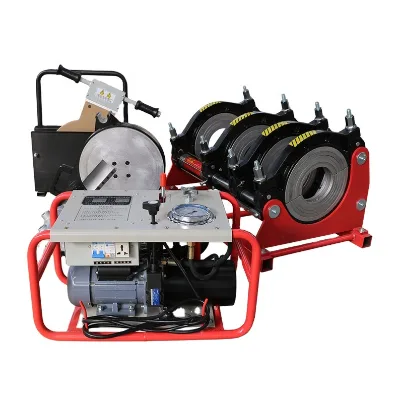
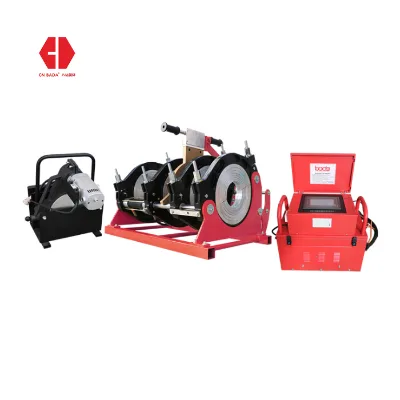


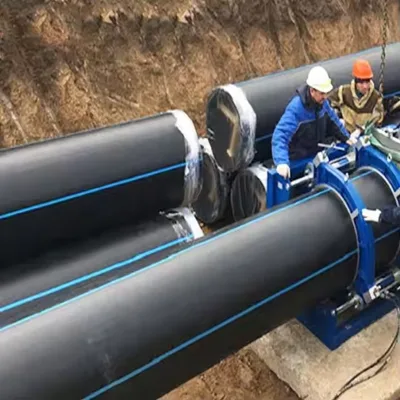


Comprehensive Sourcing Guide
Strategic Sourcing Guide for Handheld HDPE Pipe Welding Equipment
Procuring handheld HDPE (High-Density Polyethylene) pipe welding machines requires a rigorous understanding of technical specifications, operational constraints, and supplier verification protocols. In the B2B market, these machines are critical for joining plastic pipes in water supply, gas distribution, and industrial fluid transport systems. The diversity of available models, ranging from manual to fully automatic units, necessitates a structured approach to ensure that the selected equipment aligns with specific project requirements, pipe diameters, and regulatory compliance standards. This guide outlines the essential factors buyers must evaluate to mitigate procurement risks and secure reliable welding solutions.
Technical Specifications and Operational Capabilities
The core functionality of a handheld HDPE welding machine is defined by its power source, control mechanism, and welding range. Buyers must distinguish between machines designed for manual operation and those featuring automatic control systems. Market observations indicate that models exist with both manual and automatic control configurations. For instance, specific product listings identify models such as the SDA500 and SUD250M2, which offer distinct operational profiles. The SDA500 is noted for its automatic control and DC electric current requirements, whereas other units, like the SUD250M2, are explicitly labeled as manual HDPE Butt Fusion Pipe Welding Machines utilizing AC electric current.
Power consumption is another critical technical parameter. Variations in total power ratings are observed across different models, with figures such as 1.71kw and 2.83kw appearing in product data. These power ratings directly influence the machine's ability to maintain consistent heating plate temperatures and apply the necessary fusion pressure. The working voltage is typically standardized, with 220V at 50Hz being a common specification for many units, though buyers must verify this against local grid standards.
The welding range determines the applicability of the machine to specific pipe projects. Data suggests that welding ranges vary significantly, with some units covering diameters from 50mm to 250mm, while others extend to 160mm or even up to 1200mm for specialized heavy-duty applications. For example, one model lists a welding range of 50, 63, 75, 90, 110, 125, 140, 160, 180, 200, 225, and 250mm. Another model specifies a range of 40-160mm, while a third indicates a capacity of 63-1200mm. Buyers must match these ranges precisely to the pipe sizes they intend to weld to avoid equipment underutilization or failure to accommodate larger diameters.
Compliance and Certification Verification
Ensuring that welding equipment meets international safety and quality standards is paramount for project approval and long-term reliability. The supply chain for these machines often originates from China (Mainland), and products frequently carry certifications such as ISO, CE, and SGS. These certifications are not merely marketing labels but indicate adherence to specific manufacturing and safety protocols.
When evaluating a potential supplier, buyers should request documentation proving that the specific model possesses the claimed certifications. The presence of CE certification suggests compliance with European health, safety, and environmental protection standards, while ISO certification indicates a quality management system. SGS certification often relates to product testing and inspection services. It is crucial to note that while some listings mention these certifications, the validity must be confirmed for the specific batch or model being purchased.
Furthermore, product standards and specifications must be cross-referenced. Some listings cite specific model numbers as standards, such as "WP160C" or "61X47X55cm," which may refer to dimensional standards or specific product configurations rather than universal industry standards. Buyers should verify if the machine complies with relevant international welding standards, such as those defined by ISO 12176 or ASTM D3350, rather than relying solely on the model number provided in the product description.
Cost Drivers and Pricing Structure
The pricing of handheld HDPE welding machines is influenced by a complex interplay of factors, including automation level, power capacity, and included accessories. The observed price range in the market is extensive, spanning from 1 USD to 108,000 USD. This vast disparity reflects the difference between basic manual units and high-end, computerized systems capable of handling large-diameter pipes.
Several key cost drivers affect the final price. First, the control mechanism is a primary differentiator; automatic machines with computerized interfaces generally command higher prices than manual units. Second, the welding range and power output contribute significantly to cost. Machines capable of welding larger diameters (e.g., up to 1200mm) or those with higher power ratings (e.g., 2.6kw or higher) are more expensive due to the increased material and engineering requirements. Third, the cooling system type, such as air cooling, and the total weight and volume of the unit can impact shipping and handling costs, which are often factored into the final price.
Minimum Order Quantity (MOQ) is another financial consideration. The observed MOQ range varies from 1 to 1000 units. Buyers purchasing a single unit for a specific project may face different pricing structures compared to those sourcing for a large fleet. Customization options, which are available for many models, can also influence the cost, as bespoke configurations often require additional engineering and production time.
Typical Applications and Material Compatibility
Handheld HDPE welding machines are primarily designed for the fusion welding of polyethylene pipes used in various infrastructure projects. The material compatibility is a key consideration; these machines are specifically engineered for PE (Polyethylene) and HDPE pipes. Some product descriptions explicitly mention "PE Pipe" as the product type, confirming their intended use.
The applications for these machines are diverse. They are commonly used in municipal water supply networks, gas distribution systems, and industrial fluid transport. The welding range of the machine dictates the scale of the project. For instance, a machine with a range of 50-250mm is suitable for smaller diameter distribution lines, while a unit capable of 63-1200mm is essential for major transmission pipelines.
Additionally, the style of the machine, such as vertical configurations, may be preferred for specific site conditions where space is limited or where vertical pipe alignment is required. The usage category is consistently listed as "Pipe Welding," emphasizing the specialized nature of the equipment. Buyers should ensure that the machine's welding area and pressure capabilities match the specific requirements of the pipe material and diameter being joined to prevent weld failures.
Supplier Evaluation and Product Attributes
Evaluating a supplier involves more than just checking the product price; it requires a deep dive into the product attributes and the supplier's ability to deliver consistent quality. Key attributes to verify include the condition of the machine (typically "New"), the warranty period (often one year), and the packaging standards.
Packaging is a critical aspect of procurement, especially for heavy machinery. Many listings specify "Wooden Box" or "Standard Export Wooden Box" as the packaging type, which is essential for protecting the equipment during international shipping. The volume and weight of the packaged unit, such as 0.15cbm and 40kg or 0.2cbm and 70kg, are vital for logistics planning and cost estimation.
Buyers should also assess the customization capabilities of the supplier. The availability of customization options allows for tailoring the machine to specific project needs, such as unique voltage requirements or specialized welding jaws. However, buyers must clarify the extent of these customizations and any associated lead times. The origin of the product, typically China (Mainland), should be confirmed, and buyers should be aware of any potential trade barriers or import regulations associated with the country of origin.
Quality Control and Long-Term Procurement Considerations
Quality control is the final safeguard in the procurement process. Buyers must establish clear criteria for accepting the equipment upon delivery. This includes verifying the working voltage, total power, and weight against the product specifications. For example, a machine listed with a total power of 2.6kw must be tested to ensure it delivers the expected performance under load.
Long-term procurement considerations involve the availability of spare parts and technical support. While the warranty period is often one year, buyers should inquire about the availability of replacement parts, such as heating plates and clamps, after the warranty expires. The cooling method, typically air cooling, should be evaluated for its durability and maintenance requirements in the specific operating environment.
Furthermore, the computerized nature of some machines introduces the need for software updates and technical training. Buyers should ensure that the supplier provides comprehensive training materials and support for operating computerized interfaces. The condition of the machine, whether new or refurbished, must be clearly defined to avoid disputes. Finally, the integration of the machine into existing workflows should be planned, considering the weight and volume of the unit, which can impact portability and on-site setup efficiency.
Comparative Analysis of Key Models
To assist in decision-making, the following table summarizes the key differences between observed model types based on the provided data. This comparison highlights the variations in control, power, and welding range that buyers should consider.
| Feature | Model SDA500 | Model SUD250M2 | Model SUD160M-2 |
|---|---|---|---|
| Control Type | Automatic | Manual | Manual |
| Electric Current | DC | AC | Not Specified |
| Total Power | 1.71kw | 2.83kw | 2.6kw |
| Welding Range | Not Specified | 50-200mm | 40-160mm |
| Weight | 40kg | 70kg | Not Specified |
| Volume | 0.15cbm | 0.2cbm | Not Specified |
| Certification | ISO, CE, SGS | Not Specified | CE, SGS |
| Origin | China | China (Mainland) | China (Mainland) |
This table illustrates that while all models serve the core function of HDPE pipe welding, their operational parameters differ significantly. The SDA500 offers automatic control and DC power, which may suit high-volume or precision applications. The SUD250M2, with its higher power and manual control, might be better suited for heavy-duty manual operations. The SUD160M-2 offers a specific range of 40-160mm, making it ideal for medium-sized projects. Buyers must weigh these attributes against their specific project needs to select the most appropriate equipment.
In conclusion, sourcing handheld HDPE pipe welding machines requires a meticulous approach that balances technical specifications, compliance requirements, and cost considerations. By carefully evaluating the control mechanisms, power ratings, welding ranges, and supplier credentials, buyers can secure equipment that ensures the integrity of their pipe welding projects. The diversity of available models offers flexibility, but it also demands a thorough due diligence process to avoid mismatches between equipment capabilities and project demands.
FAQs
What control types are available for handheld HDPE pipe welding machines?
Both automatic and manual control types are available for these machines. Specific models like the SDA500 feature automatic control with DC current, while others such as the SUD250M2 operate manually using AC current.
Which welding ranges do these machines support for different pipe sizes?
Welding ranges vary significantly across models to accommodate different pipe diameters. Some units cover ranges from 50mm to 250mm, while others support 40mm to 160mm or even up to 1200mm for specialized heavy-duty applications.
Can buyers find machines with ISO, CE, and SGS certifications?
Yes, many listed products carry ISO, CE, and SGS certifications. These certifications indicate adherence to international safety and quality management protocols, though buyers should verify validity for specific batches or models before purchase.
How does the total power consumption differ between manual and automatic models?
Total power consumption varies by model, with observed ratings including 1.71kw, 2.6kw, and 2.83kw. Higher power ratings often correlate with the ability to maintain consistent heating plate temperatures and apply necessary fusion pressure for larger pipes.
What packaging standards are used for shipping these welding machines?
Most machines are shipped in wooden boxes or standard export wooden cases. These packaging types protect the equipment during international transit, with typical volumes ranging from 0.15cbm to 0.2cbm depending on the specific unit.
Are customization options available for specific project requirements?
Customization options are available for many models to tailor machines to specific needs. Buyers can request bespoke configurations, though they must clarify the extent of customizations and any associated lead times with the supplier.
What is the typical warranty period for these handheld welding units?
The typical warranty period for these machines is one year. Buyers should also inquire about the availability of spare parts and technical support after the warranty expires to ensure long-term operational reliability.