Source Handheld Hemoglobin Meter for Clinics, Labs, and Field Tests
Explore 30 verified listings for the Handheld Hemoglobin Meter, comparing models with varying analysis times, memory capacities, and calibration methods. Buyers can evaluate options for clinical diagnostics, mobile health units, and laboratory settings based on real specifications.
Key considerations
Products List


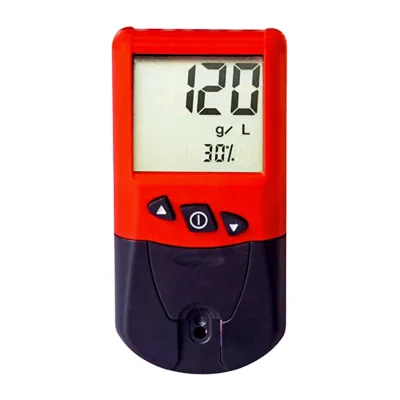
Hospital Portable Tester Glycosylated Hemoglobin Handheld Hba1c Analyser
$105.00 - $500.00
MOQ: 1 Pieces


Comprehensive Sourcing Guide
Strategic Sourcing Guide for Handheld Hemoglobin Meters
Procuring handheld hemoglobin meters requires a disciplined approach that balances clinical accuracy with operational efficiency. For buyers in the medical device sector, the decision-making process extends beyond the initial purchase price to include long-term reliability, regulatory compliance, and the total cost of ownership. This guide synthesizes observed market data and technical specifications to provide a framework for evaluating suppliers and selecting equipment that meets rigorous diagnostic standards. The following sections detail the critical attributes, compliance requirements, and procurement strategies necessary for a successful acquisition.
Technical Specifications and Performance Metrics
When evaluating handheld hemoglobin meters, the primary focus must be on the device's ability to deliver rapid and accurate results. The core functionality of these instruments relies on specific analytical parameters that directly impact clinical decision-making. Based on observed product attributes, the analysis time is a critical differentiator. High-performance units typically report results in less than 15 seconds, with some advanced models achieving results in under 10 seconds. This speed is essential for high-volume screening environments where patient throughput is a priority.
Memory capacity is another vital specification. Buyers should verify that the device can store a sufficient number of test results to facilitate data tracking and trend analysis. Market observations indicate memory ranges from 250 tests to 1000 tests. A device with 1000 tests of memory is generally preferred for clinics requiring robust data logging without frequent manual downloads. Furthermore, the calibration method is a key technical consideration. While some units require manual intervention, the most reliable handheld meters feature automatic calibration or are factory-calibrated according to established standards such as the International Committee for Standardization in Hematology (ICSH). This ensures that the device maintains accuracy over time without requiring complex user intervention.
The test range defines the clinical utility of the meter. A standard operational range for these devices spans from 3.0 to 25.6 g/dL (30 to 256 g/L). Some models also support hematocrit conversion, offering a range of 1.9 to 15.9 mmol/L. Buyers must ensure the selected meter covers the expected physiological range of their patient population. Additionally, the detection principle, such as methemoglobin methods, and the specimen type, including capillary and venous whole blood, must align with the intended use case. Precision levels are also critical; observed data suggests that high-quality meters achieve specific precision levels, such as Level I at 8.1 g/L, Level II at 13.9 g/L, and Level III at 18.9 g/L. These metrics should be verified against the supplier's technical documentation before purchase.
Compliance and Certification Verification
Regulatory compliance is non-negotiable in the medical device industry. When sourcing handheld hemoglobin meters, buyers must rigorously verify that the equipment holds valid certifications for the target market. The most common certifications observed in the market include CE, ISO, and TUV. Specific product listings often cite combinations such as ISOMSDS, EEC, and CE, or simply CE and ISO. It is imperative for buyers to request current certification documents rather than relying on marketing claims. The presence of a CE mark indicates conformity with health, safety, and environmental protection standards for products sold within the European Economic Area, while ISO certification suggests adherence to international quality management standards.
Furthermore, the product standard itself must be scrutinized. While some listings reference general standards like CE, ISO, and TUV, others may list specific dimensional standards or internal quality benchmarks. Buyers should confirm that the manufacturer adheres to recognized international standards for hemoglobin testing. The origin of the product is also a factor in compliance; many suppliers list China as the production origin. While this is a common manufacturing hub, it necessitates a deeper review of the specific factory's quality control systems and their ability to maintain consistent certification status. The warranty period, typically observed as 12 months or one year, serves as an additional indicator of the manufacturer's confidence in their product's durability and compliance.
Cost Drivers and Pricing Structures
Understanding the cost structure of handheld hemoglobin meters is essential for budgeting and financial planning. The observed price range in the market is extensive, spanning from 5 USD to 4000 USD. This wide variance is driven by several factors, including the complexity of the technology, the brand reputation, the included accessories, and the volume of consumables purchased. The lower end of the price spectrum often corresponds to basic models or individual test strips, while the higher end reflects complete diagnostic systems with advanced features, larger memory, and extended warranties.
The Minimum Order Quantity (MOQ) is another significant cost driver. Market data indicates an MOQ range of 1 to 100 units. Buyers with limited budgets or those testing a new market may find suppliers with an MOQ of 1 unit advantageous. However, larger organizations seeking economies of scale should negotiate for lower unit prices by meeting higher MOQ thresholds. It is also crucial to consider the cost of consumables, such as test strips. Some listings specify packaging details, such as 50 strips per box, which affects the recurring cost of operation. Buyers should calculate the total cost of ownership by factoring in the price per test strip alongside the initial hardware cost. The lead time, typically ranging from 3 to 7 working days after payment, also influences cash flow and inventory planning. Faster lead times may come at a premium, while longer lead times could disrupt supply chains if not managed correctly.
Typical Applications and Operational Context
Handheld hemoglobin meters are versatile tools designed for a variety of clinical and field applications. Their primary use is for testing hemoglobin and hematocrit in whole blood, making them indispensable in settings where rapid diagnosis is critical. Common applications include hospital emergency departments, where quick assessment of anemia is necessary for triage and treatment planning. They are also widely used in blood donation centers to screen donors efficiently before collection.
Beyond acute care, these devices are essential in mobile health clinics and remote field operations. The portability of handheld meters allows healthcare workers to conduct tests in resource-limited settings without the need for complex laboratory infrastructure. The ability to analyze samples from both capillary and venous sources adds to their flexibility, enabling their use in pediatric populations where venous draws are difficult. The classification of these devices as "Imaging Diagnostic Equipment" or "Biochemical Apparatus" in some listings highlights their role in broader diagnostic workflows. Whether used for routine screening or specialized biochemical analysis, the device must be robust enough to withstand varying environmental conditions while maintaining accuracy.
Supplier Evaluation and Quality Assurance
Selecting the right supplier is as important as selecting the right device. Buyers should evaluate potential suppliers based on their ability to provide consistent quality and reliable after-sales support. Key evaluation criteria include the supplier's track record, the clarity of their technical documentation, and their responsiveness to inquiries. The observed product attributes, such as "Strong Packing" or "Carton" packaging, indicate attention to logistics, but buyers should also inquire about the supplier's quality control processes.
Quality assurance extends to the manufacturing process. Suppliers should be able to demonstrate that their production lines adhere to strict standards, ensuring that every unit meets the specified performance metrics. The warranty period, typically one year, is a critical component of the quality assurance agreement. Buyers should clarify what the warranty covers, including repairs, replacements, and the handling of defective units. Additionally, the production time, often cited as 7 days, should be factored into the procurement timeline. A supplier with a transparent production schedule and a history of on-time delivery is preferable to one with vague timelines.
Long-Term Procurement Considerations
Sourcing handheld hemoglobin meters is not a one-time transaction but part of a long-term procurement strategy. Buyers must consider the lifecycle of the device, including maintenance, software updates, and the availability of consumables. The interface, such as a Mini USB Port, facilitates data transfer to central systems, which is crucial for long-term data management and integration with hospital information systems. Ensuring that the device remains compatible with existing IT infrastructure is a key consideration.
Furthermore, the availability of spare parts and technical support is vital for minimizing downtime. Buyers should verify that the supplier offers a steady supply of test strips and other consumables to avoid interruptions in service. The customization options available, as noted in some product listings, can also play a role in long-term procurement. If a buyer requires specific branding or software configurations, the supplier's ability to accommodate these requests can be a deciding factor. Finally, buyers should monitor the market for updates in standards and regulations, ensuring that their procurement choices remain compliant with evolving legal requirements. By adopting a proactive approach to long-term planning, organizations can ensure the sustained effectiveness and reliability of their hemoglobin testing capabilities.
Comparative Analysis of Product Attributes
To assist in the decision-making process, the following table summarizes key attributes observed across different product listings. This comparison highlights the variability in specifications and helps buyers identify the features that align with their specific needs.
| Attribute | Observation A | Observation B | Observation C |
|---|---|---|---|
| Product Name | Hemoglobin Meter | Strips of Hemoglobin Meter | Hemoglobin Hba1c Analyzer |
| Analysis Time | <15 Seconds | <10 Seconds | Within 15 Seconds |
| Memory Capacity | 1000 Tests | 250 Tests | Not Specified |
| Test Range | 3.0-25.6 g/dL | 3.0-25.6 g/dL | Not Specified |
| Calibration | Automatic | Factory Calibrated (ICSH) | Not Specified |
| Certification | ISOMSDS, EEC, CE | CE | ISOMSDS, CE |
| Lead Time | Within 7 Working Days | Within 3-5 Working Days | Within 3-5 Days |
| Warranty | 12 Months | One Year | Not Specified |
| Interface | Mini USB Port | Not Specified | Not Specified |
This table illustrates that while core functions remain consistent, specific features like memory capacity and calibration methods vary significantly. Buyers should use this data to prioritize their requirements and engage suppliers with the specific attributes that match their operational needs. By carefully analyzing these differences, organizations can make informed decisions that optimize both performance and cost-efficiency in their hemoglobin testing programs.
FAQs
How long does analysis take for handheld hemoglobin meters?
Analysis typically completes in less than 15 seconds, with some advanced models achieving results in under 10 seconds. This rapid turnaround supports high-volume screening environments where patient throughput is critical for operational efficiency.
What is the memory capacity of these diagnostic devices?
Memory capacity ranges from 250 tests to 1000 tests depending on the specific model selected. Buyers should verify that the device stores sufficient results to facilitate data tracking and trend analysis without frequent manual downloads.
Which certifications are commonly required for these medical devices?
Common certifications include CE, ISO, TUV, and ISOMSDS. Buyers must verify current certification documents to ensure conformity with health, safety, and environmental protection standards for the target market before finalizing any procurement decision.
Can these meters be factory calibrated according to international standards?
Yes, many reliable units are factory calibrated according to the International Committee for Standardization in Hematology. This ensures the device maintains accuracy over time without requiring complex manual intervention by the user during operation.
What is the typical lead time after receiving payment?
Lead times generally range from 3 to 7 working days after receiving payment. Faster delivery options may be available, but buyers should confirm specific timelines with the supplier to ensure they align with their inventory planning needs.
Which test range covers most clinical hemoglobin measurements?
The standard operational range spans from 3.0 to 25.6 g/dL or 30 to 256 g/L. Some models also support hematocrit conversion, offering a range of 1.9 to 15.9 mmol/L to cover expected physiological patient populations.
What is the warranty period for these diagnostic instruments?
The standard warranty period is typically 12 months or one year. This period serves as an indicator of the manufacturer's confidence in product durability and compliance, covering repairs or replacements for defective units.