Source Hanging Slow Feeding Horse Feeder for Stables, Pastures, and Arenas
Compare 30 hanging slow feeding horse feeder options designed for durable, customized stainless steel construction. These feeders support safe, efficient feeding in stables, pastures, and arenas while protecting hay and reducing waste; compare the available evidence and request quotations based on your requirements.
Key considerations
Products List




Comprehensive Sourcing Guide
Hanging Slow Feeding Horse Feeder Sourcing Guide
Procuring a hanging slow feeding horse feeder requires distinguishing between specialized equine designs and general industrial feeding equipment. The market presents distinct options, including stainless steel models designed specifically for horse houses and heavy-duty vibrating feeders intended for mining or metallurgy. Buyers must carefully verify that the product's core application aligns with equine needs, as some listings describe machinery for ore-dressing or chemical industries rather than animal husbandry.
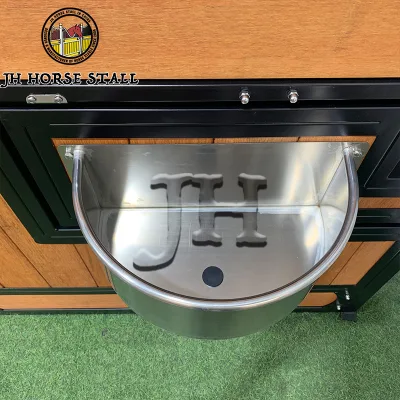
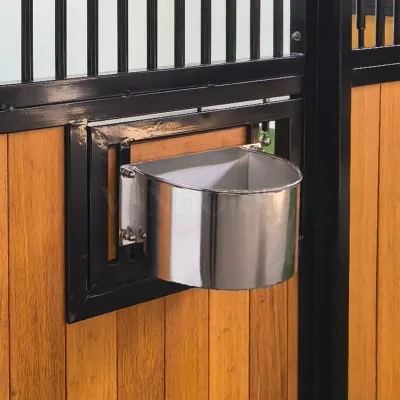
The observed product range includes units with swivel feeders and hay rack fittings, which are critical for reducing waste and encouraging natural grazing behaviors. While some listings mention customized sizes and colors, others specify fixed dimensions like 3000mm lengths or 2500mm diameters. It is essential to confirm that the selected unit features a "Use: Horse" attribute and is constructed from durable materials like stainless steel or hot-dipped galvanized steel to withstand outdoor conditions and constant animal interaction.
Product Scope and Observed Listing Signals
Buyers should scrutinize the specific fitting types listed, such as swivel feeders or feeder windows, to ensure they match the intended stable environment. The data indicates a strong presence of stainless steel horse feeders with customized capacities, yet some entries describe electromagnetic vibrating feeders with linear movement modes. This discrepancy suggests that a single supplier page may aggregate diverse product lines, requiring the buyer to isolate the specific equine model from industrial machinery descriptions.
The physical attributes of the feeders vary significantly, with some units weighing 200 kg while others have a single gross weight of 10.0 kg. Dimensions range from compact 40x40x40 cm packages to large overall dimensions of 4890x1830x1320 mm. When evaluating listings, the buyer must prioritize the "Type: Stainless steel horse feeder" designation and verify that the "Power Supply" is listed as "Use Without Electricity," ensuring the device relies on gravity or mechanical design rather than external power sources.
Technical Specifications to Verify
Technical verification must begin with the material composition, as the core components are explicitly listed as steel or stainless steel. Buyers should confirm the surface finish, looking for "Hot Dipped Galvanized" or "HDG" treatments to ensure corrosion resistance in damp stable environments. The model number JH-Feeder and specific dimensions like a 3000mm length or 1200mm height serve as key identifiers, but the buyer must ensure these specs apply to the horse-specific variant rather than the industrial vibrating feeder models.
Capacity and structural integrity are paramount, with some listings offering customized capacities while others specify fixed feed spaces of 12 or 30 units. The installation slope of 10 degrees and chute sizes of 6000x1300 mm are critical for the industrial models but may not apply to hanging slow feeders. Buyers must cross-reference the "Skirt Height" of 500mm and the "Diameter" of 2500mm against their specific stable layout to ensure the feeder fits the available hanging space and allows for proper horse access.
Compliance and Safety Documentation
Safety and compliance documentation often includes machinery test reports and warranty certificates, which are listed as provided for certain units. The presence of a CE standard on some industrial models indicates a baseline for safety, but buyers must verify if this certification extends to the specific horse feeder model. It is crucial to distinguish between the "Warranty of core components" of one year and the general "Warranty" of six months, ensuring the coverage period matches the expected lifespan of the equipment.
After-sales service is a critical component of the procurement decision, with some suppliers offering a one-year warranty specifically for core components. The "Machinery Test Report" serves as evidence of performance, yet buyers should request specific test data related to equine safety and durability rather than general industrial testing. Confirming that the product origin is Qingdao, China, and that the packing is on a wooden pallet helps in planning logistics and ensuring the equipment arrives without damage during transit.
Cost Drivers and Commercial Terms
Cost drivers in this category are heavily influenced by material quality, with stainless steel and hot-dipped galvanized finishes commanding higher prices than standard steel. The observed price range of 1 to 900 USD reflects the vast difference between small, simple feeders and large, customized industrial units. Buyers must be vigilant to ensure the quoted price corresponds to the specific horse feeder model and not the high-capacity vibrating feeder, which may have a different pricing structure based on motor power and capacity.
Commercial terms vary significantly, with minimum order quantities ranging from 1 to 200 sets, though some listings specify an MOQ of 5 sets. The selling unit is typically a single item, but the single package size of 40x40x40 cm suggests that larger units may require consolidated shipping. Buyers should clarify whether the price includes the wooden pallet packaging and if the customized size or color options incur additional charges, as these variables can substantially impact the final landed cost.
Supplier Qualification and Quality Control
Supplier qualification should focus on their ability to provide machinery test reports and adhere to the specified core component warranties. The presence of a "Brand Name: JH" and specific model numbers like MAR-HT02 indicates a level of standardization, but buyers must verify that the supplier can consistently deliver the "Stainless steel horse feeder" type rather than mixing it with unrelated industrial equipment. Quality control checks should include verifying the "Finish" and "Surface" treatments to ensure they meet the durability requirements for horse housing.
Quality assurance also involves checking the "After-Sales Service" provisions, which are listed as a one-year warranty for some units. Buyers should confirm that the supplier can provide the necessary documentation for the "Machinery Test Report" and that the "Core Components" are indeed steel as advertised. The "Customization: Available" attribute suggests flexibility, but the buyer must ensure that custom orders maintain the same quality standards regarding material thickness and surface treatment as the standard models.
Long-Term Procurement Checks
Long-term procurement success depends on verifying the durability of the "Protecting, Waterproof, Durable" features over time. Buyers should establish a protocol for inspecting the "Hot Dipped Galvanized" finish annually to check for any signs of wear or corrosion that could compromise the feeder's integrity. The "Warranty of core components" lasting one year provides a baseline, but the buyer should plan for potential maintenance needs beyond this period, especially given the harsh conditions of a horse house environment.
Sustainability and replacement part availability are also critical for long-term operations. Since the "Capacity" is often customized, buyers must ensure the supplier can provide compatible parts or replacement units if the original model is discontinued. The "Market: Global" status suggests a broad supply chain, but buyers should verify the lead times for custom orders and the availability of spare parts to minimize downtime. Regular reviews of the supplier's performance against the "Machinery Test Report" standards will help maintain high operational efficiency.
FAQs
What material is used for the hanging slow feeding horse feeder?
The hanging slow feeding horse feeder is constructed from stainless steel and steel to ensure durability. It features a hot-dipped galvanized finish for protection against weather. This design supports long-term use in horse houses without requiring electricity.
Can I customize the size and color of the feeder?
Yes, customization is available for both size and color to meet specific needs. The product offers customized dimensions and colors while maintaining a standard single package size of 40x40x40 cm. This flexibility allows buyers to adapt the feeder to various stable environments.
What is the minimum order quantity for this horse feeder?
The minimum order quantity is 5 sets for this stainless steel horse feeder. This MOQ applies to the JH brand model JH-Feeder. Buyers should note that while some items allow lower quantities, this specific product requires the stated minimum for purchase.
How long is the warranty period for the core components?
The warranty for core components is 1 year, while the general product warranty is 6 months. This coverage ensures reliability for the steel construction. Buyers receive a machinery test report to verify quality before installation in their facilities.
Where is the product manufactured and what is the origin?
The product originates from Qingdao, China, and is marketed globally. It is designed for use in horse houses and features a closed-type appearance. The manufacturing process includes hot-dipped galvanization to ensure the steel remains durable in various conditions.
Does the feeder require electricity to operate?
No, the feeder does not require electricity as it uses without power. It is designed as a manual or gravity-fed system suitable for horse houses. This feature ensures it remains functional even in areas with unreliable power supply or during outages.