Source Electric Bread Food Warmer Cabinet for Bakery
Compare 30 Electric Bread Food Warmer Cabinet options from verified suppliers. Evaluate features like stainless steel construction, voltage compatibility, and layer capacity to find the right unit for your food service needs; compare the available evidence and request quotations based on your requirements.
Key considerations
Products List
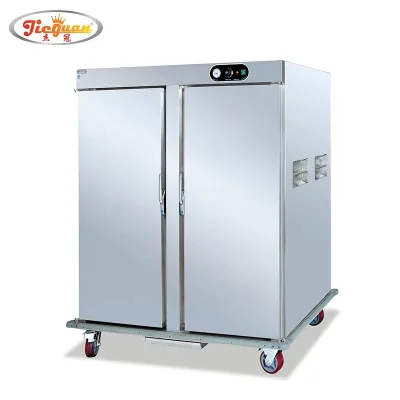
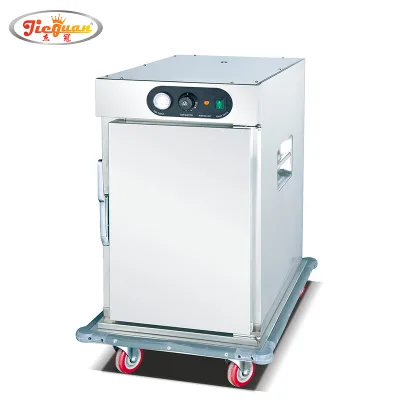
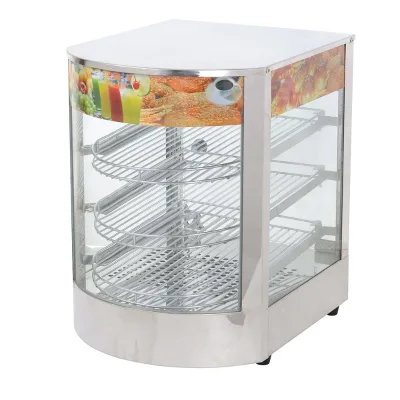
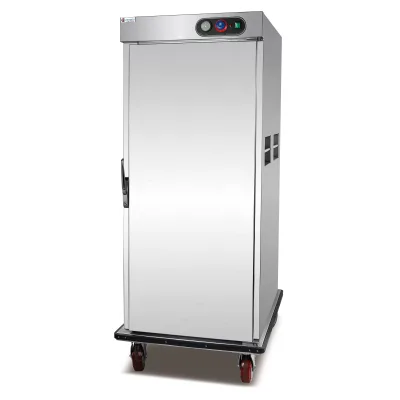
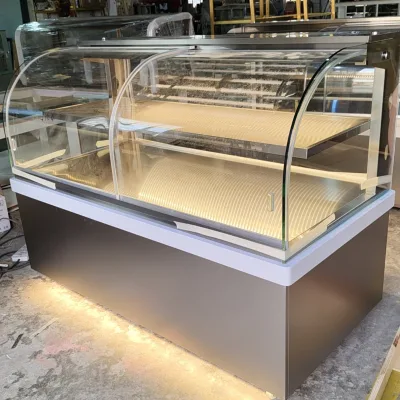

Single Door Mobile Electric Food Warmer Cabinet
$794.00 - $850.00
MOQ: 1 Pieces
Guangzhou Junjian Kitchen Appliances & Refrigeration Equipment Co., Ltd.

Large Two Doors Mobile Electric Food Warmer Cabinet
$1309.00 - $1350.00
MOQ: 1 Pieces
Guangzhou Junjian Kitchen Appliances & Refrigeration Equipment Co., Ltd.


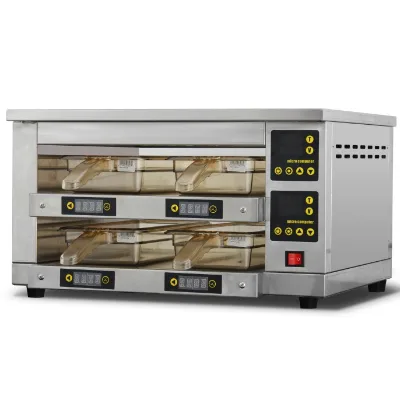
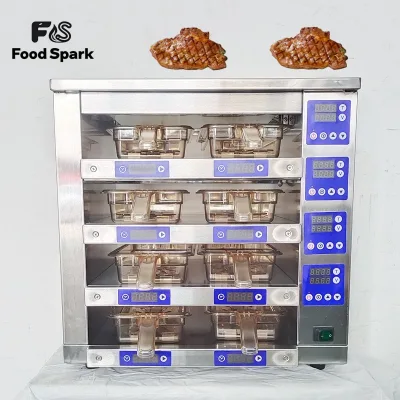
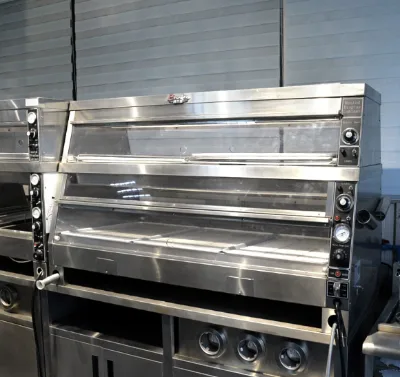
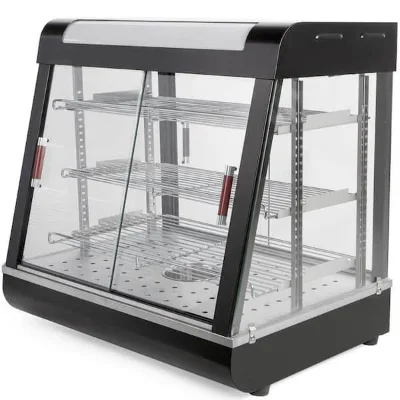


Commercial Kitchen Double Doors Electric Food Warmer Cabinet with Wheels
$835.00 - $972.00
MOQ: 1 Pieces
Comprehensive Sourcing Guide
Electric Bread Food Warmer Cabinet Sourcing Guide
Procurement professionals must first distinguish between large-scale mobile units and compact countertop models when sourcing electric bread food warmer cabinets. The market presents significant variance in physical dimensions, with observed specifications ranging from compact units measuring 350460500mm to substantial mobile cabinets reaching 15409751795mm. Buyers should carefully align their facility layout and display requirements with these physical constraints to ensure the selected unit fits the intended operational space without obstructing workflow.
Operational capacity is another critical differentiator that influences the selection process, particularly for high-volume food service environments. Some observed units feature extensive layering capabilities, such as models with 22 layers designed for maximum throughput, while others are optimized for single-item display or specific bakery applications. Understanding the specific tray height and internal bore dimensions is essential for determining whether a unit can accommodate the specific bread sizes and quantities required for daily service operations.
Product Scope and Observed Listing Signals
The product landscape for electric bread food warmer cabinets includes diverse configurations ranging from standalone heaters to integrated mobile display units. Listings frequently highlight specific attributes such as stainless steel construction for durability and silver finishes for a professional aesthetic. Buyers should note that while some units are explicitly marketed for fast-shop food display, others are designed for general food warming applications, requiring careful verification of the intended use case against the supplier's product description.
Power consumption and source requirements vary significantly across the available inventory, necessitating a thorough review of electrical specifications before finalizing a purchase. Observed data indicates power ratings ranging from 0.85KW for smaller units to 5.24KW for larger commercial models, all operating on standard electric power sources. It is imperative to verify that the voltage requirements, typically observed in the 220v~240v range, match the local electrical infrastructure to prevent operational failures or safety hazards during installation.
Technical Specifications to Verify
Dimensional accuracy is paramount when selecting a warmer cabinet, as discrepancies between listed and actual sizes can disrupt kitchen logistics. Buyers must cross-reference the single package size and overall unit dimensions, noting that some units have a single gross weight exceeding 300kg while others are lightweight enough for easy relocation. Verifying the internal bore size and tray height ensures that the equipment can physically accommodate the specific bread products and serving trays used in the facility.
Performance metrics such as power output and heating efficiency directly impact the unit's ability to maintain optimal food temperatures. Specifications like 5.24KW power consumption suggest high-efficiency heating elements suitable for large-scale warming, whereas lower wattage units may be better suited for smaller displays. Procurement teams should confirm that the advertised advantages, such as easy operation and high efficiency, are supported by the technical data provided in the product specifications to ensure reliable daily performance.
Compliance and Safety Documentation
Electrical safety is a primary concern when sourcing high-power heating equipment for commercial food service environments. Buyers must request documentation confirming that the unit's electrical components meet local safety standards, particularly given the variance in power ratings from 0.85KW to 5.24KW. Ensuring that the voltage compatibility and power source specifications align with regional electrical codes is essential to prevent fire hazards and ensure the longevity of the equipment.
Material safety and construction quality are equally critical for food contact applications involving bread and other baked goods. The observed use of stainless steel as a primary material suggests a focus on hygiene and durability, but buyers should verify that the specific grade of steel complies with food safety regulations. Additionally, confirming that the unit's design prevents contamination and facilitates easy cleaning is necessary to maintain high sanitation standards in any food service operation.
Cost Drivers and Commercial Terms
Pricing for electric bread food warmer cabinets is heavily influenced by the unit's size, power capacity, and material construction. The observed price range spans from approximately 63 USD for compact models to 1500 USD for large, high-capacity mobile units, reflecting the significant differences in manufacturing costs and functional capabilities. Buyers should analyze the cost per unit of capacity or power to determine the most economical option that meets their specific operational needs without overspending on unnecessary features.
Minimum Order Quantities (MOQ) and packaging requirements also play a significant role in the total cost of ownership and logistics planning. While some suppliers offer an MOQ of just one unit, others may require orders of ten pieces or more, which can impact inventory management and cash flow. Furthermore, the single gross weight and packing specifications, such as wooden packing for heavy units, must be factored into shipping costs and handling procedures to avoid unexpected expenses during the procurement process.
Supplier Qualification and Quality Control
Evaluating the supplier's background and manufacturing capabilities is essential for ensuring the reliability of the sourced equipment. Buyers should verify the place of origin, noting that many units are manufactured in Guangdong, China, a region known for its industrial capacity in food service equipment. Confirming the brand name and model number against the supplier's portfolio helps ensure that the product is genuine and that the manufacturer has a track record of producing consistent, high-quality units.
Quality control measures, including warranty terms and condition guarantees, provide a safety net for procurement teams against potential defects. Most observed listings offer a one-year warranty, which serves as a baseline expectation for product reliability and after-sales support. Buyers should also inspect the condition of the units, ensuring they are new and that the single package size and weight align with the supplier's claims to prevent delivery issues or damage during transit.
Long-Term Procurement Checks
Sustainability and maintenance requirements should be considered when planning the long-term lifecycle of electric bread food warmer cabinets. Units with complex features like multi-function capabilities or high-efficiency heating elements may require specialized maintenance or replacement parts, which should be available from the supplier. Establishing a relationship with a supplier who can provide ongoing technical support and spare parts is crucial for minimizing downtime and extending the operational life of the equipment.
Regular performance audits and user feedback loops are necessary to ensure that the equipment continues to meet the facility's evolving needs. Buyers should monitor the unit's performance over time, checking for any deviations in power consumption or heating efficiency that might indicate wear or malfunction. By maintaining a proactive approach to equipment management, organizations can ensure that their electric bread food warmer cabinets remain a reliable asset in their daily operations.
FAQs
What are the dimensions of the mobile electric food warmer cabinet?
The mobile electric food warmer cabinet measures 1540 by 975 by 1795 millimeters. This large footprint accommodates 22 layers for high-volume warming. The internal bore size is 540 by 680 by 1380 millimeters. It is constructed from stainless steel for durability. The single gross weight is 330 kilograms, requiring careful handling during installation.
How much power does the DH-11-22 model consume?
The DH-11-22 model consumes 5.24 kilowatts of power. It operates on a voltage range of 220 to 240 volts. This electric power source ensures consistent heating performance. The unit is designed for commercial food warming applications. Buyers should verify their electrical infrastructure supports this power requirement before installation.
What is the minimum order quantity for these units?
The minimum order quantity is one unit for some listings. Other suppliers may require a minimum of ten pieces. This flexibility allows buyers to test the product with a single item. The selling unit is listed as a single item. Buyers should confirm the specific MOQ with their chosen supplier before placing an order.
Can the food warmer cabinet be used for bread display?
Yes, the food warmer cabinet is suitable for bread and other baked goods. It features multi-function capabilities for various food warming needs. The design supports fast-shop food display applications. The stainless steel construction maintains hygiene standards. It helps keep food warm and fresh for customers.
What warranty is provided for the electric food warmer?
The product comes with a one-year warranty. This coverage protects against manufacturing defects. The brand name is Jieguan for the larger model. Another model by BaoKang is also available. Buyers should retain proof of purchase to claim warranty services effectively.
What is the weight of the smaller BW-1P model?
The smaller BW-1P model weighs 18 kilograms. Its dimensions are 350 by 460 by 500 millimeters. The single gross weight is listed as 19 kilograms. It consumes 0.85 kilowatts of power. This compact size is ideal for smaller commercial kitchens or limited spaces.