Source Commercial Bakery Fermentation Box for Bread, Pizza, and Cake
Find 30 Commercial Bakery Fermentation Box options from China. Compare stainless steel models with automatic timing, EGO temperature control, and CE certification. Ideal for industrial bakeries producing bread, pizza, and cake with reliable performance; compare the available evidence and request quotations based on your requirements.
Key considerations
Products List
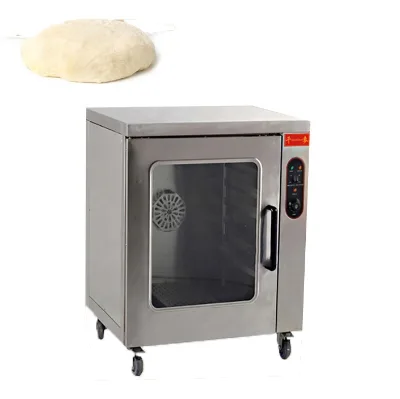


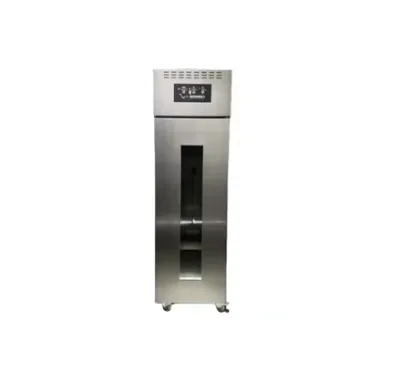


China Factory Price Online Fermentation Box Intermediate Proofer for Dough Leavening
$3200.00 - $20000.00
MOQ: 1 Pieces


64 Trays 2 Trolley Bread Fermentation Dough Proofing Cabinet Retarder Proofer
$2400.00 - $9800.00
MOQ: 1 Pieces


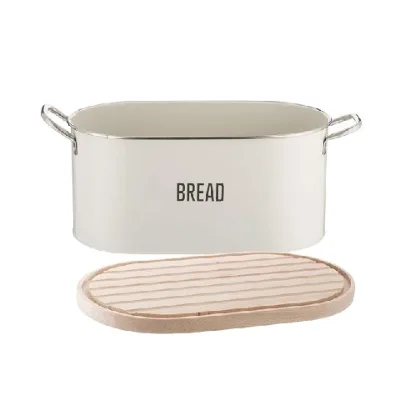


Best Price Bread Fermentation Chamber Proof Boxes for Baking Bakery Proofer
$626.00 - $783.00
MOQ: 1 Pieces

$3000.00 - $8000.00
MOQ: 1 Pieces
Comprehensive Sourcing Guide
Commercial Bakery Fermentation Box Sourcing Guide
Procurement professionals evaluating commercial bakery fermentation boxes must first distinguish between single-unit proofing cabinets and multi-pan industrial tanks. The observed market data indicates a product range spanning from compact 16-pan units to larger double-door systems, with weights varying significantly from 42 kg to 155 kg depending on the specific model configuration. Buyers should prioritize understanding the physical footprint and weight constraints of their facility before selecting a unit, as dimensions can range from approximately 835 mm in width to over 2 meters in height for larger commercial models.
The functional scope of these units extends beyond simple dough rising to include precise temperature control for diverse baked goods like bread, pizza, cake, and biscuits. While some listings highlight automatic operation and timing devices, the core utility remains the ability to maintain a stable environment for fermentation. Sourcing teams must verify that the selected equipment aligns with their specific production volume, noting that some models are explicitly designed for industrial bakery settings while others serve general restaurant equipment needs.
Product Scope and Observed Listing Signals
When analyzing product listings, buyers will encounter a wide variance in power consumption and voltage requirements, with observed values ranging from 2000 watts to 2.5 kilowatts and standard 220V electrical inputs. This variation often correlates with the unit's capacity and the inclusion of advanced features such as refrigeration or defrosting cycles, which add specific power loads of 0.8 kW and 0.9 kW respectively. Procurement specialists must ensure their facility's electrical infrastructure can support these specific wattage demands to prevent operational failures or safety hazards.
Packaging and shipping logistics present another critical signal, with observed packing sizes varying from compact single-item boxes to large wooden crates designed for heavy industrial units. The materials used for packaging, typically a combination of cartons and wooden boxes, are essential for protecting stainless steel surfaces during transit. Buyers should calculate shipping costs based on the single gross weight, which can reach up to 78 kg for smaller units and significantly higher for larger models, ensuring that freight quotes accurately reflect the actual shipping volume and weight.
Technical Specifications to Verify
Technical verification begins with the temperature control system, where high-performance units often utilize EGO controllers to maintain precise environments. The observed temperature ranges in the market data suggest capabilities spanning from -18 degrees to 60 degrees, allowing for both fermentation and potential freezing applications depending on the specific model selected. Buyers must confirm that the controller type matches their operational needs, as standard units may lack the precision required for sensitive dough processes or specialized storage requirements.
Material construction and dimensional accuracy are equally vital, with stainless steel being the standard material for hygiene and durability in commercial environments. The physical dimensions of the units, such as the 835674992mm footprint for certain models, must be cross-referenced against available floor space and aisle widths. Additionally, the presence of a timing device and the specific model number, such as YXD-8A-FX or SS-16P, serve as unique identifiers that help buyers distinguish between different capacity tiers and feature sets within the product line.
Compliance and Safety Documentation
Compliance verification is a non-negotiable step, with CE certification appearing as a standard requirement for equipment originating from Guangdong, China. Buyers must request valid CE certificates to ensure the product meets European safety and health standards, particularly regarding electrical safety and mechanical integrity. The presence of a CE mark or certificate indicates that the manufacturer has undergone specific testing protocols, providing a baseline assurance of safety for the end-user in regulated markets.
Beyond electrical compliance, documentation regarding the warranty and after-sales support structure is essential for long-term operational stability. Most observed listings offer a one-year warranty and indicate that overseas third-party support is available, which is crucial for international buyers who cannot rely on local service networks. Procurement teams should explicitly confirm the scope of this support, including whether it covers parts replacement, labor costs, and the availability of technical troubleshooting for the specific model number being purchased.
Cost Drivers and Commercial Terms
The commercial terms for these units are heavily influenced by the Minimum Order Quantity (MOQ), which ranges from a single set to 500 units depending on the supplier and customization level. While some vendors offer a low entry point of one set, larger orders may trigger different pricing tiers or shipping arrangements. Buyers must clarify whether the listed price includes all necessary accessories, such as pans or specific control modules, to avoid unexpected costs that could inflate the total cost of ownership.
Customization availability acts as a significant cost driver, with many suppliers offering tailored solutions for specific bakery layouts or branding requirements. The ability to customize the unit often involves additional lead times and potentially higher unit costs compared to standard off-the-shelf models. Procurement managers should evaluate the trade-off between the flexibility of a customized unit and the speed of delivery for standard models, ensuring that the customization does not delay critical production timelines or exceed the allocated budget.
Supplier Qualification and Quality Control
Supplier qualification requires a thorough review of the place of origin and the manufacturing capabilities of the vendor, with Guangdong, China being a primary hub for this equipment. Buyers should verify the supplier's history of producing new condition units and their ability to maintain consistent quality across different production batches. The observation of specific model numbers and standardized packaging suggests a mature supply chain, but direct verification of the manufacturer's quality control processes is necessary to ensure product reliability.
Quality control checks should extend to the physical inspection of the stainless steel construction and the integrity of the electrical components upon delivery. Given the heavy nature of these units, with net weights ranging from 42 kg to 155 kg, the structural integrity of the frame and the durability of the doors are critical factors. Buyers must establish clear acceptance criteria for the condition of the equipment, ensuring that the product arrives without damage and that all safety features, such as the temperature control systems, function correctly before final acceptance.
Long-Term Procurement Checks
Long-term procurement success depends on the availability of spare parts and the longevity of the equipment's core components. The observed warranty period of one year provides a baseline for initial support, but buyers should inquire about the availability of replacement parts beyond this period, such as heating elements, fans, or control boards. Ensuring a reliable supply chain for maintenance components is essential to minimize downtime and extend the operational life of the fermentation box.
Performance monitoring over time is another critical check, requiring buyers to track energy consumption and temperature stability against the original specifications. Units with refrigeration and defrosting capabilities may experience increased wear on compressors and heating elements, necessitating regular maintenance schedules. Procurement teams should establish a protocol for periodic performance audits to ensure the equipment continues to meet the high-performance standards required for industrial bakery operations and to identify any potential issues before they impact production quality.
FAQs
What is the certification for this Commercial Bakery Fermentation Box?
This equipment carries CE certification to meet safety standards. The product is designed for industrial bakery use and features automatic operation. It includes a timing device and is built from stainless steel for durability in professional kitchen environments.
How much does the Commercial Bakery Fermentation Box weigh?
The net weight varies by model, with some units weighing 42 kg and others up to 155 kg. The single gross weight is listed as 78 kg for specific configurations. Packaging includes a carton and wooden box to ensure safe transport.
Can I customize the Commercial Bakery Fermentation Box specifications?
Yes, customization is available for this Commercial Bakery Fermentation Box. Buyers can request specific adjustments to meet unique production needs. The product supports various baking applications including bread, pizza, and cake preparation in professional settings.
What is the warranty period for the Commercial Bakery Fermentation Box?
The product comes with a one-year warranty covering manufacturing defects. This warranty applies to new units manufactured in Guangdong, China. Overseas third-party support is available to assist with maintenance and technical inquiries after the initial purchase period.
Which temperature range does the Commercial Bakery Fermentation Box support?
The unit supports a temperature range from -18 to 60 degrees Celsius. This wide range allows for both fermentation and freezing functions depending on the model. The system uses EGO temperature control for precise management of baking conditions.
What is the minimum order quantity for the Commercial Bakery Fermentation Box?
The minimum order quantity is one set for this Commercial Bakery Fermentation Box. This low MOQ allows small businesses to purchase single units easily. The product is sold as a single item with flexible sourcing options for various buyers.
How is the Commercial Bakery Fermentation Box powered and what is its voltage?
The equipment operates on 220V electric power with a rated power of 2000 watts. Some models feature a refrigeration power of 0.8kw and defrost power of 0.9kw. It is designed as an electric unit suitable for standard commercial kitchen electrical systems.