Source Heat Insulation Bamboo Venetian Blinds for Kitchen Living Room Office
Find 30 listings for Heat Insulation Bamboo Venetian Blinds with varying sizes, thicknesses, and mounting options. Buyers can compare features like windproof and anti-theft functions across suppliers from Fujian and Anhui.
Key considerations
Products List


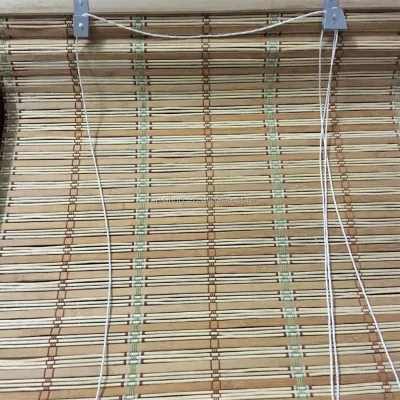
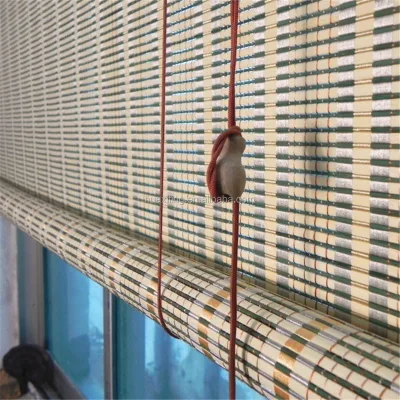
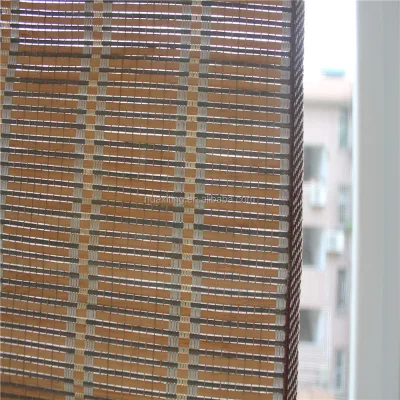
$1.84 - $2.65
MOQ: 1 Minimum
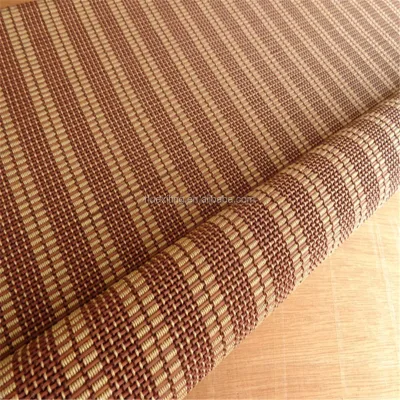
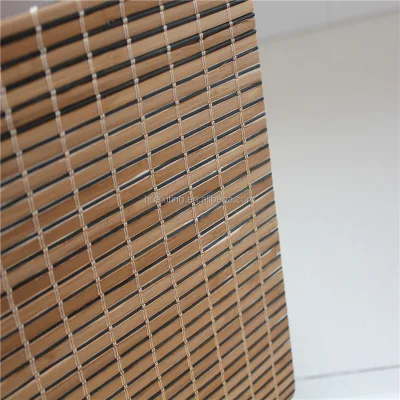
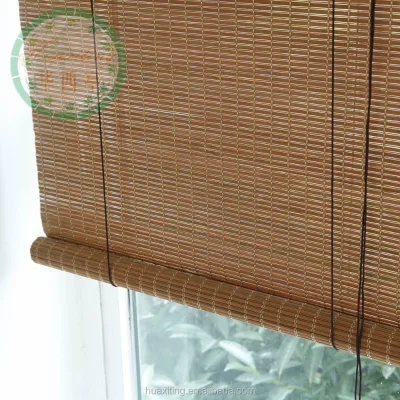

Factory Wholesale Cheap Price Windows Venetian Blinds Designed Outdoor Bamboo Blinds
$52.00 - $60.00
MOQ: 5 Square Meters


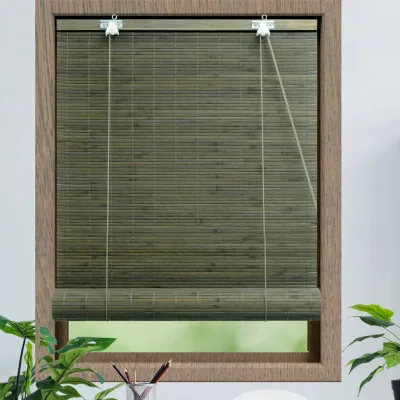
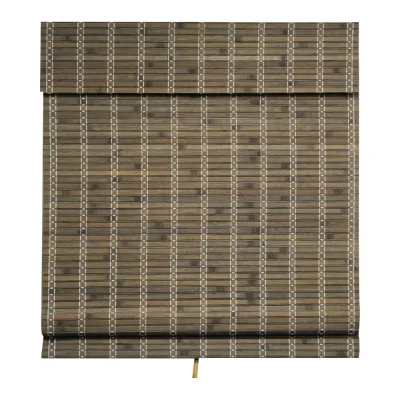
Cordless Bamboo Woven Blinds Indoor Bamboo Woven Blinds, Fresh Home Bamboo Blinds
$12.90 - $15.00
MOQ: 100 Square Meters
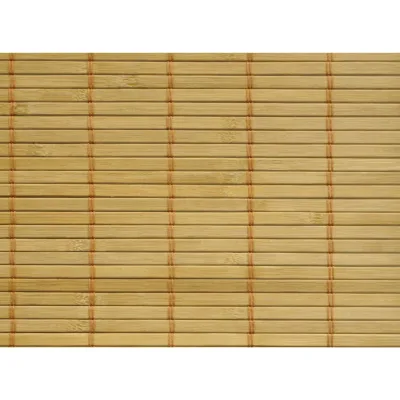
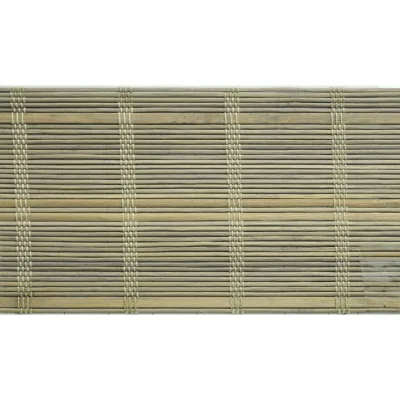
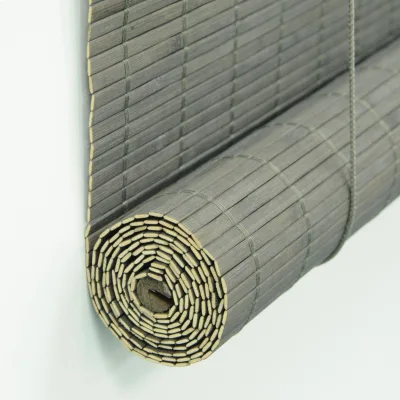


Comprehensive Sourcing Guide
Strategic Sourcing Guide for Heat Insulation Bamboo Venetian Blinds
Understanding Product Variants and Technical Specifications
The market for Heat Insulation Bamboo Venetian Blinds presents a complex landscape where natural aesthetics meet functional performance. Buyers must first distinguish between the specific structural configurations available, as the term "venetian blind" in this context often encompasses distinct mechanical designs. Based on observed product attributes, the supply base includes vertical slat structures and horizontal slat structures, both of which are critical for different architectural needs. The vertical configuration typically offers a modern, streamlined look suitable for large glass facades, while the horizontal configuration is the traditional standard for room-specific applications like living rooms and offices.
A primary technical differentiator is the slat material and dimension. The core material is consistently identified as bamboo, a renewable resource prized for its natural thermal properties. However, the physical specifications vary significantly across listings. Observed slat thicknesses include 1.5mm, 1.8mm, and 2.0mm, which directly influence the rigidity and light-blocking capability of the unit. Furthermore, slat widths are available in 1-inch, 1.5-inch, and 2-inch increments. Thicker slats generally provide better heat insulation by creating a denser barrier against solar radiation, while wider slats allow for greater light control when tilted.
The operational mechanics are another vital specification. The supply chain features both manual and cordless operation types. Manual systems often utilize a wand or tilt rod, whereas cordless options prioritize safety and modern aesthetics. The drop height capabilities are substantial, ranging from 90cm up to 280cm, allowing for coverage of standard to high-ceiling windows. Additionally, some listings indicate specific model numbers such as px2019052404, A-43, A-68, and A-39, which serve as unique identifiers for specific design iterations. Buyers should verify that the chosen model supports the required size customization, as many suppliers offer standard sizes but also accommodate custom dimensions to fit non-standard window frames.
Thermal Performance and Functional Attributes
The primary driver for sourcing these products is the heat insulation capability. Bamboo, being a natural fiber, possesses inherent thermal resistance that helps regulate indoor temperatures. The functional attributes listed for these products include heat insulation, windproofing, and dustproofing. These features are not merely marketing terms but represent specific performance outcomes. The heat insulation function is particularly relevant for commercial and residential spaces in hot climates, where reducing solar heat gain can lower air conditioning loads.
In addition to thermal regulation, the blinds often serve a dual purpose of light control and privacy. The "Light Proof" and "Blackout" attributes indicate that certain configurations can completely block external light, which is essential for bedrooms and home theaters. However, the "Light Filtering" attribute suggests that other models allow for a softer diffusion of light while maintaining privacy. The "Invisibility" and "Anti-Theft" functions mentioned in some listings point to specialized designs that may blend into the window frame or offer enhanced security features, though these should be verified against specific product data sheets.
The surface finish also plays a role in performance. The observed surface processes include "Smoothful" and "Embossed" textures. An embossed surface may provide better grip for manual adjustment and can add a layer of visual depth, while a smooth finish is easier to clean. The "Eco-Friendly" attribute is a significant consideration for buyers targeting green building certifications or sustainability goals. Bamboo is a rapidly renewable resource, and the production processes often align with eco-friendly standards, though specific certification details must be confirmed with the supplier.
Cost Drivers and Pricing Dynamics
The pricing for Heat Insulation Bamboo Venetian Blinds is influenced by a combination of material costs, customization levels, and order volume. The observed price range in the market spans from $1.84 to $150 per unit, a wide variance that reflects differences in slat thickness, size, and operational complexity. The lower end of the spectrum typically corresponds to standard sizes with manual operation and thinner slats, while the higher end reflects custom dimensions, thicker slats, and specialized features like cordless mechanisms or blackout linings.
Order Volume is a critical cost driver. The Minimum Order Quantity (MOQ) ranges from 1 to 2000 pieces. Suppliers with an MOQ of 2000 pieces often offer more competitive unit pricing, making them suitable for large-scale projects such as hotels, office complexes, or multi-unit residential developments. Conversely, suppliers with lower MOQs cater to small businesses or individual renovations but may charge a premium per unit. Buyers must balance the need for customization against the financial implications of meeting higher volume thresholds.
Customization is a major factor in cost escalation. While standard sizes are available, the "Customized" attribute indicates that many suppliers can produce blinds to specific dimensions. Customization involves additional setup costs and potentially longer lead times. The "Standard" attribute for some products suggests that off-the-shelf options are available at a lower price point. Buyers should clearly define their size requirements early in the sourcing process to avoid unnecessary costs associated with custom tooling or production adjustments.
Supplier Evaluation and Geographic Considerations
Geographic origin is a key indicator of supply chain logistics and potential quality standards. The observed products originate from three primary regions in China: Fujian, Anhui, and Zhejiang. Fujian is known for its expertise in bamboo processing and export-oriented manufacturing. Anhui and Zhejiang are also significant hubs for home furnishing and window treatment production. The concentration of suppliers in these regions suggests a mature supply chain with established logistics networks for international shipping.
When evaluating suppliers, buyers should look for evidence of OEM (Original Equipment Manufacturer) capabilities. The presence of "OEM: Yes" indicates that suppliers are willing to brand products under the buyer's label, which is essential for distributors and retailers. Additionally, the "After-Sales Service" attribute, with some suppliers offering 24 months of support, is a strong indicator of supplier confidence and commitment to long-term customer relationships. Buyers should verify the specifics of this warranty, including what is covered and the process for claiming service.
Packaging standards also vary and can impact the condition of goods upon arrival. Observed packaging methods include "Packaged in Pallets," "Shrinking Bag with a Label," "Pet Box," and "Carton Box." For large orders, palletized packaging is generally preferred for ease of handling and storage. Buyers should ensure that the packaging is robust enough to protect the bamboo slats from moisture and physical damage during transit, especially given the natural susceptibility of bamboo to humidity changes.
Compliance, Certification, and Quality Assurance
While specific certification names are not universally listed in the provided data, buyers must actively verify compliance with relevant safety and environmental standards. The "Eco-Friendly" claim requires substantiation through third-party testing or certification, such as FSC (Forest Stewardship Council) for bamboo sourcing or formaldehyde emission standards for any adhesives used in the assembly. The "Standard" attribute being listed as "Customized" for some products suggests that buyers may need to define the specific compliance requirements they need met, rather than relying on a default industry standard.
Quality control should focus on the consistency of the bamboo material. Natural materials can vary in color and texture, so buyers should request samples to ensure the aesthetic matches their expectations. The "Smoothful or Embossed" surface finish should be inspected for uniformity. Additionally, the structural integrity of the slats, particularly the 1.5mm, 1.8mm, and 2.0mm thicknesses, must be verified to ensure they do not warp or break under normal operating conditions.
The "Mounting Type" is another area requiring verification. The "Inside Mount" option is common, but buyers must confirm that the supplier can accommodate "Outside Mount" if required by the architectural design. The "Privacy Level" is listed as "High Privacy" for some models, which should be tested to ensure it meets the buyer's specific needs for light blocking and visual obstruction.
Application Scenarios and Installation Requirements
The versatility of Heat Insulation Bamboo Venetian Blinds makes them suitable for a wide range of applications. The observed usage categories include Kitchen, Home, Hotel, Living Room, Bedding Room, Bathroom, and Office. In residential settings, these blinds are ideal for living rooms and bedrooms where natural light and privacy are balanced. The "Windproof" and "Dustproof" functions make them particularly suitable for kitchens and bathrooms where humidity and airborne particles are concerns.
For commercial applications, such as hotels and offices, the "Simple" style and "Eco-Friendly" attributes align well with modern design trends that prioritize sustainability and minimalism. The ability to customize sizes allows these blinds to fit the diverse window configurations found in large office buildings or hotel suites. The "Heat Insulation" function is particularly valuable in commercial spaces to reduce energy costs associated with climate control.
Installation requirements vary based on the mounting type. "Inside Mount" blinds require precise measurements of the window recess to ensure a proper fit. Buyers should provide suppliers with accurate width and height dimensions, noting that the observed size range is 40-220cm for width and 90-280cm for drop height. For "Outside Mount" installations, the blinds need to cover the window frame entirely, which may require a wider slat width or a larger overall unit size.
Long-Term Procurement and Maintenance Considerations
Sourcing bamboo venetian blinds is not just a one-time transaction but a long-term commitment to maintaining building aesthetics and functionality. The "24 Months" after-sales service period highlights the importance of supplier reliability for future repairs or replacements. Buyers should establish clear communication channels with suppliers to ensure that spare parts, such as tilt rods or lift cords, are available if needed.
Maintenance of bamboo blinds requires specific care to preserve their natural beauty and structural integrity. Bamboo is susceptible to moisture, so buyers should advise end-users to avoid cleaning with excessive water. The "Smoothful" or "Embossed" surfaces should be dusted regularly with a soft cloth. In high-humidity environments, such as bathrooms, buyers should verify that the bamboo has been treated to resist mold and warping.
The "Customized" nature of many products means that replacement parts may not be universally compatible. Buyers should encourage suppliers to provide detailed installation manuals and maintenance guides. Additionally, the "Packaged in Pallets" or "Carton Box" methods should be reviewed to ensure that the packaging includes protective materials that prevent damage during storage.
In conclusion, sourcing Heat Insulation Bamboo Venetian Blinds requires a detailed understanding of the technical specifications, cost drivers, and supplier capabilities. By carefully evaluating the slat dimensions, operational mechanisms, and geographic origins, buyers can secure high-quality products that meet their specific thermal and aesthetic requirements. The wide range of applications and the potential for customization make these blinds a versatile choice for both residential and commercial projects, provided that buyers conduct thorough due diligence on compliance, quality, and long-term support.
| Feature Category | Observed Specifications | Sourcing Verification Point |
|---|---|---|
| Material | Bamboo | Verify FSC or eco-certification status. |
| Slat Thickness | 1.5mm, 1.8mm, 2.0mm | Request physical samples to check rigidity. |
| Slat Width | 1", 1.5", 2" | Confirm availability of desired width for light control. |
| Structure | Vertical, Horizontal | Match structure to window orientation and style. |
| Operation | Manual, Cordless | Verify safety standards for cordless options. |
| Size Range | 40-220cm (Width), 90-280cm (Drop) | Confirm custom size capabilities and tolerances. |
| Origin | Fujian, Anhui, Zhejiang | Assess logistics costs and lead times per region. |
| MOQ | 1 - 2000 pcs | Negotiate based on project scale and budget. |
| Packaging | Pallets, Shrinking Bag, Pet Box, Carton | Ensure packaging protects against humidity and damage. |
| Warranty | 24 Months (observed) | Clarify terms and coverage scope in contract. |
FAQs
What customization options are available for Heat Insulation Bamboo Venetian Blinds?
Customization is available for size, style, and specifications. Buyers can request specific dimensions like 90cm to 280cm drop height and slat widths of 1 to 2 inches. The material remains bamboo, and surface finishes can be smoothful or embossed to suit specific design needs.
Which slat thicknesses are offered for Heat Insulation Bamboo Venetian Blinds?
Slat thicknesses of 1.5mm, 1.8mm, and 2.0mm are offered. Thicker slats generally provide better heat insulation and rigidity. These dimensions directly influence the light-blocking capability and structural integrity of the blind units for various applications.
Can buyers find Heat Insulation Bamboo Venetian Blinds with specific mounting types?
Yes, inside mounting is a specified option for these blinds. Buyers should verify if outside mounting is supported for their specific window frames. The product supports high privacy levels and fits standard window sizes ranging from 40cm to 220cm in width.
What are the typical MOQ values for sourcing Heat Insulation Bamboo Venetian Blinds?
Minimum Order Quantities range from 1 to 2000 pieces depending on the supplier. Some vendors require 2000 pieces for competitive pricing, while others accommodate smaller orders. Buyers must balance order volume with unit cost and customization requirements.
How are Heat Insulation Bamboo Venetian Blinds packaged for international shipping?
Packaging varies by supplier and includes pallets, shrinking bags with labels, pet boxes, and carton boxes. Palletized packaging is preferred for large orders to ensure ease of handling. Robust packaging protects the bamboo slats from moisture and physical damage during transit.
Which regions in China manufacture Heat Insulation Bamboo Venetian Blinds?
Products originate from Fujian, Anhui, and Zhejiang provinces. Fujian is known for bamboo processing, while Anhui and Zhejiang are hubs for home furnishing. These regions offer established logistics networks for international shipping and mature supply chains.