Source Heating Reactor for Chemical Mixing, Paint Production, and Industrial Processing
Find 30 Heating Reactor listings from verified suppliers in China. Buyers can compare specifications like capacity, material, and power to select suitable units for chemical mixing, paint production, and industrial processing applications.
Key considerations
Products List
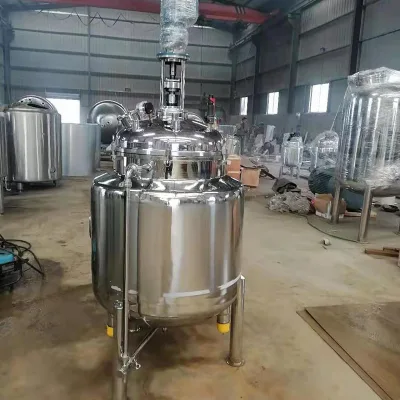


Acrylic Resin Reaction Kettle Automatic Heating Stirring Reactor Tank
$3000.00 - $16800.00
MOQ: 1 Sets


Comprehensive Sourcing Guide
Strategic Sourcing Guide for Industrial Heating Reactors
Understanding Core Technical Specifications for Reactor Selection
When evaluating a Heating Reactor for industrial procurement, the primary focus must remain on the precise alignment between the equipment's technical architecture and the intended chemical process. The market presents a diverse array of configurations, ranging from small-scale laboratory units to large-volume industrial vessels. A critical observation in current product listings indicates that the core component of these systems is the engine, which drives the agitation and heating mechanisms essential for uniform reaction conditions. Buyers must scrutinize the automatic grade of the machinery, as specifications vary significantly between fully automatic and semi-automatic models. While some units are marketed with an automatic grade suitable for high-throughput environments, others are classified as semi-automatic, requiring more operator intervention for process control.
The material composition is another non-negotiable specification. The industry standard for corrosion resistance and chemical purity is stainless steel, which is frequently cited as the primary material for the reactor vessel. This material choice ensures durability against aggressive chemical environments. Furthermore, the heating mechanism is a defining characteristic of the reactor's efficiency. Available configurations often include outside or inside coil heating systems, which dictate how thermal energy is transferred to the reaction medium. The capacity of the reactor is equally vital; listings show a wide spectrum of volumes, with specific models offering capacities of 200 liters, while others are designed for industrial scales exceeding 1000 liters. Selecting the correct capacity is not merely a matter of volume but involves understanding the thermal mass and the specific heat requirements of the chemical materials being processed.
Compliance, Certification, and Safety Standards
Navigating the regulatory landscape is a fundamental step in the procurement of industrial heating reactors. Compliance ensures that the equipment meets international safety and quality benchmarks, reducing liability and operational risks. The supply chain for these machines often references a robust set of certifications and standards. Buyers should verify that the supplier provides documentation for ISO 9001, which addresses quality management systems, and ISO 14001, which pertains to environmental management. Additionally, specific industry standards such as CE, RoHS, SGS, GMP, CTQC, and CESI are frequently mentioned in product attributes, indicating adherence to various regional and sector-specific regulations.
Safety and operational standards are further reinforced by the availability of machinery test reports. These reports provide empirical evidence of the equipment's performance under controlled conditions, offering buyers a tangible basis for quality assurance. The presence of certifications like ISO, CE, and CSA suggests that the manufacturer has undergone rigorous third-party evaluation. However, buyers must exercise caution and verify the specific scope of these certifications against their local regulatory requirements. For instance, while some listings mention ISO 80079, this is a background standard that requires specific verification to ensure it applies to the exact model being purchased. The procurement process should include a request for the full certification portfolio to confirm that the reactor is compliant with the electrical and mechanical safety standards of the destination country.
Cost Drivers and Pricing Variables in Reactor Procurement
The financial aspect of sourcing a Heating Reactor is influenced by a complex matrix of variables, including capacity, material grade, automation level, and customization requirements. The observed price range in the current market is extensive, spanning from approximately 500 USD to 2,800,000 USD. This vast disparity reflects the difference between small, semi-automatic units and large, fully automated industrial systems with advanced control features. The material cost is a significant driver; stainless steel reactors command a higher price point compared to those made from less durable materials, but they offer a longer operational lifespan and better resistance to chemical degradation.
Automation is another critical cost factor. Units described as "automatic" with features like frame agitators and specific heating coils often carry a premium over semi-automatic counterparts. Customization availability also impacts the final price. While many suppliers offer customization services, the extent of these modifications—such as unique agitator models, specific voltage requirements, or specialized pressure ratings—will directly influence the manufacturing cost. The selling units are typically listed as single items, meaning the price quoted is for the complete system rather than a bulk discount tier. Buyers should anticipate that the base price may not include ancillary costs such as packaging, which is often described as a standard wooden case or sea-worthy packing, and potential shipping fees. Understanding these cost drivers allows for a more accurate budget allocation and prevents unexpected financial overruns during the procurement lifecycle.
Typical Applications and Industry Use Cases
Heating reactors are versatile pieces of equipment designed to facilitate a wide range of chemical processes across multiple industries. The primary application is in the production and processing of chemical materials, where precise temperature control and agitation are required to achieve the desired reaction outcomes. The product type is often categorized under industrial usage, indicating that these reactors are built for continuous or batch processing in manufacturing environments. Specific applications include the synthesis of paints, where the reactor's ability to maintain consistent viscosity and temperature is crucial for product quality.
The versatility of these units is further demonstrated by their adaptability to different chemical compositions. The stainless steel construction makes them suitable for handling corrosive substances, while the heating and cooling capabilities allow for exothermic and endothermic reactions. The pressure rating, often noted as positive pressure, enables the reactors to operate under conditions that require elevated pressures to accelerate reaction rates or alter boiling points. In the context of power and electronic applications, similar reactor technologies are sometimes adapted for the processing of materials used in transformer manufacturing or electronic component production. The ability to handle various product types, from chemical materials to paints, underscores the importance of selecting a reactor with the appropriate agitator model and heating configuration to match the specific rheological properties of the substance being processed.
Supplier Evaluation and Operational Capabilities
Evaluating a supplier for heating reactors requires a holistic approach that goes beyond the initial product listing. Buyers must assess the supplier's ability to deliver consistent quality and support throughout the product lifecycle. The place of origin is a key indicator of the manufacturing ecosystem; listings frequently cite locations such as Shandong and Zhejiang in China, regions known for their industrial manufacturing capabilities. However, the specific origin should be verified against the supplier's actual production facilities to ensure transparency. The condition of the equipment, typically listed as "new," should be confirmed through detailed inspection protocols before finalizing the purchase.
Supplier reliability is also measured by their response to customization requests and their ability to provide comprehensive documentation. The availability of a machinery test report is a strong indicator of a supplier's commitment to quality assurance. Buyers should inquire about the specific testing procedures used and the qualifications of the personnel conducting the tests. Furthermore, the supplier's capacity to handle different voltage and phase requirements is essential for global procurement. While some units are specified for 220V single-phase or three-phase power, others may require specialized power supply systems, such as level 2 power distribution equipment or self-excited switching power supplies. Ensuring that the supplier can accommodate these electrical specifications is critical for seamless integration into existing plant infrastructure.
Quality Control and Long-Term Procurement Considerations
Ensuring the long-term reliability of a Heating Reactor involves rigorous quality control measures and strategic planning for maintenance and support. The warranty period is a fundamental aspect of this consideration, with many suppliers offering a standard one-year warranty. This coverage typically includes defects in materials and workmanship, but buyers must carefully review the terms to understand what is excluded, such as wear and tear or damage caused by improper operation. The packaging details, often described as export-worthy or sea-worthy packing, play a crucial role in protecting the equipment during transit. Proper packaging ensures that the reactor arrives in the condition specified, minimizing the risk of damage that could compromise its performance.
Long-term procurement considerations also extend to the availability of spare parts and technical support. The complexity of the reactor's design, including components like the frame agitator and the specific coil structure, necessitates a reliable supply chain for replacement parts. Buyers should verify the supplier's inventory management and their ability to provide timely support for any operational issues. Additionally, the lead time for production and delivery is a critical factor in project planning. While some listings suggest lead times of one to three months, this can vary based on the level of customization and the supplier's current production load. Establishing clear communication channels and setting realistic expectations for delivery schedules is essential for maintaining project timelines. By prioritizing these quality control and long-term factors, buyers can secure a Heating Reactor that not only meets immediate production needs but also serves as a reliable asset for years to come.
Comparative Analysis of Reactor Configurations
To facilitate informed decision-making, it is helpful to compare the distinct configurations available in the market. The following table summarizes the key differences observed in product listings, focusing on capacity, automation, and material specifications.
| Feature Category | Configuration A | Configuration B | Configuration C |
|---|---|---|---|
| Capacity | 200 Liters | >1000 Liters | Variable |
| Automatic Grade | Semi-Automatic | Automatic | Semi-Automatic |
| Material | Stainless Steel | Stainless Steel | Stainless Steel |
| Heating Method | Outside/Inside Coil | Outside/Inside Coil | Outside/Inside Coil |
| Agitator Model | Frame Agitator | Frame Agitator | Frame Agitator |
| Voltage | 220V | 220V | Variable |
| Phase | Three | Three | Three |
| Warranty | 1 Year | 1 Year | 1 Year |
| Certification | ISO, CE, SGS | ISO, CE, CSA | ISO, CE, SGS |
This comparison highlights that while the core material and heating methods remain consistent across configurations, the capacity and automation levels vary significantly. Buyers must align these specifications with their production volume and operational capabilities. The presence of three-phase power in most configurations suggests that these reactors are designed for industrial settings with robust electrical infrastructure. The consistency in warranty and certification standards across different configurations indicates a baseline level of quality assurance in the market, though specific model numbers and customization options should still be verified for each purchase.
Finalizing the Procurement Strategy
The successful procurement of a Heating Reactor requires a meticulous approach that balances technical requirements, regulatory compliance, and financial constraints. By thoroughly analyzing the product attributes, verifying certifications, and understanding the cost drivers, buyers can make informed decisions that align with their operational goals. The diversity of available configurations, from small 200-liter units to large industrial vessels, offers flexibility to meet specific production needs. However, the complexity of these systems necessitates a deep understanding of the underlying technology and the supplier's capabilities.
Buyers should prioritize suppliers who provide comprehensive documentation, including machinery test reports and detailed certification lists. The ability to customize the reactor to specific voltage, capacity, and agitation requirements is a significant advantage in ensuring optimal performance. Furthermore, a clear understanding of the warranty terms and long-term support services is essential for maintaining the reactor's operational efficiency over time. By adhering to these principles and leveraging the available market data, buyers can secure a Heating Reactor that delivers reliable performance and supports their industrial objectives. The journey from selection to installation is a strategic process that demands attention to detail and a commitment to quality, ensuring that the investment yields maximum value for the organization.
FAQs
What material is used for the Heating Reactor vessel?
The vessel is constructed from stainless steel to ensure corrosion resistance and chemical purity. This material choice supports durability in aggressive chemical environments while maintaining product integrity during industrial processing.
How is the heating mechanism configured in these reactors?
The system utilizes outside or inside coil heating to transfer thermal energy efficiently to the reaction medium. This configuration allows for precise temperature control required for various chemical and paint synthesis processes.
Which automatic grades are available for the machinery?
Both automatic and semi-automatic grades are available depending on the specific model and production requirements. Buyers must select the grade that aligns with their desired level of operator intervention and throughput needs.
Can the reactor capacity be customized for specific needs?
Yes, customization is available for various capacities ranging from 200 liters to over 1000 liters. This flexibility allows the equipment to match specific thermal mass and volume requirements for different chemical materials.
What certifications are provided for the Heating Reactor?
The equipment comes with certifications including ISO9001, CE, and SGS to ensure quality and safety compliance. These documents verify adherence to international standards for manufacturing and operational safety in industrial settings.
How long is the warranty period for the new unit?
A standard one-year warranty is provided for the new equipment to cover defects in materials and workmanship. Buyers should review specific terms to understand coverage limits regarding wear and tear or operational damage.
What is the typical lead time for production and delivery?
Lead times typically range from one to three months depending on customization levels and current production load. This duration accounts for manufacturing, testing, and preparation of export-worthy or sea-worthy packing.