Source Heating Pet Car Seat Cover for Dogs, Travel, and Protection
Source a Heating Pet Car Seat Cover from 30 verified listings. Compare options featuring waterproof fabric, custom logos, and various shapes like rectangles and squares. Find suitable models for dogs and general automotive use with delivery times ranging from 20 to 45 days.
Key considerations
Products List


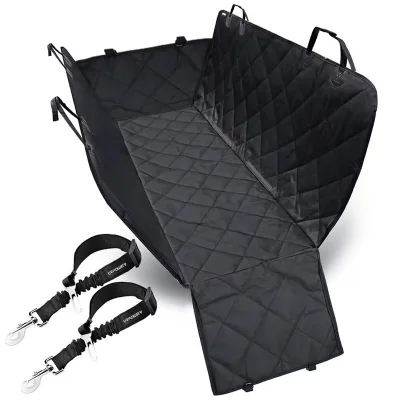


Multi-Purpose Hot Selling Car Interior Accessories Pet Dog Car Seat Covers
$9.57 - $10.63
MOQ: 300 Pieces


Comprehensive Sourcing Guide
Heating Pet Car Seat Cover Sourcing Guide
Sourcing heating pet car seat covers requires balancing comfort features with rigorous safety and durability standards. Buyers must prioritize products that offer reliable thermal regulation without compromising the structural integrity of the vehicle’s interior. The market offers various configurations, from simple insulated mats to complex heated systems with electronic controls. Understanding the specific technical requirements for your target market is essential before initiating supplier negotiations.
Procurement teams should focus on verifying material safety and electrical compliance, especially if the product includes active heating elements. While many listings emphasize passive insulation, those claiming active heating must meet strict automotive electrical standards. This guide outlines the key verification steps, from material composition to supplier qualifications, ensuring that sourced products meet both functional expectations and regulatory requirements for international markets.
Product Scope and Observed Listing Signals
The current market landscape for pet car seat covers includes a diverse range of products, from basic fabric mats to specialized heated units. Observed listings indicate a wide price range, reflecting variations in material quality, size, and included features. Buyers should note that some products are marketed as universal fits, while others are designed for specific vehicle models. The presence of customization options suggests that many suppliers are willing to adapt designs to meet specific branding or functional requirements.
Technical attributes observed in listings include various shapes, such as rectangular and square designs, and materials ranging from fabric to PVC-backed options. Some products are explicitly labeled as waterproof or eco-friendly, indicating a focus on durability and environmental responsibility. It is crucial to distinguish between passive insulation and active heating capabilities, as the latter introduces additional complexity regarding power sources and safety certifications. Buyers must carefully review product descriptions to ensure the claimed features align with their operational needs.
Technical Specifications to Verify
When evaluating technical specifications, buyers must confirm the exact dimensions and fitment for the intended vehicle types. Standard sizes observed in the market include dimensions around 137x147cm or 140x150cm, but these are not universal. It is essential to verify whether the product is designed for front or rear seats and if it includes features like seat belt holes or headrest covers. The construction method, whether handmade or woven, also impacts durability and comfort, so buyers should request samples to assess tactile quality and stitching strength.
For products claiming heating functionality, electrical specifications are critical. Buyers must verify the voltage requirements, power consumption, and the type of power source, such as 12V DC adapters or battery packs. The presence of a mattress or additional padding should be confirmed, as this affects both comfort and the overall thickness of the cover. Additionally, the folding mechanism and storage design are important for practicality. Buyers should ensure that all technical claims are supported by detailed product datasheets and that the materials used are resistant to wear, tear, and pet claws.
Compliance and Safety Documentation
Safety documentation is paramount, especially for products involving electrical components or materials that come into direct contact with pets. Buyers must request certificates such as SGS, BSCI, and ISO9001 to verify that the supplier adheres to recognized quality and social responsibility standards. These certifications provide assurance that the manufacturing process is controlled and that the products meet baseline safety requirements. It is crucial to verify the validity of these certificates and ensure they cover the specific product models being sourced.
In addition to general quality certifications, buyers should inquire about specific safety tests for materials, such as flammability resistance and chemical safety. If the product includes heating elements, compliance with automotive electrical standards is mandatory to prevent overheating or electrical faults. Buyers must also ensure that the materials used are non-toxic and safe for pets, avoiding harmful chemicals that could be ingested or absorbed through the skin. Requesting test reports from accredited laboratories is a best practice to mitigate liability and ensure consumer safety.
Cost Drivers and Commercial Terms
Cost drivers for heating pet car seat covers include material selection, manufacturing complexity, and order volume. Products with active heating elements typically command higher prices due to the inclusion of electronic components and additional safety testing. Buyers should analyze the cost breakdown to understand the impact of different materials, such as fabric versus PVC backing, and the extent of customization required. Minimum Order Quantities (MOQs) vary significantly, ranging from small batches for testing to large volumes for mass distribution, affecting unit pricing and cash flow.
Commercial terms, including payment methods and delivery times, also influence the total cost of ownership. Common payment terms include T/T and L/C, which offer varying levels of security for both buyers and suppliers. Delivery times can range from 20 to 45 days, depending on the complexity of the order and the supplier’s production capacity. Buyers should negotiate clear terms regarding packaging, shipping responsibilities, and penalties for delays. Understanding these commercial dynamics helps in budgeting accurately and managing supply chain risks effectively.
Supplier Qualification and Quality Control
Supplier qualification involves a thorough assessment of the manufacturer’s capabilities, including their factory status, production capacity, and quality control processes. Buyers should verify that the supplier has a dedicated factory rather than relying on trading companies, as this often ensures better control over quality and pricing. Requesting factory audits or third-party inspections can provide valuable insights into the manufacturing environment and adherence to quality standards. Suppliers with OEM experience are often better equipped to handle custom requirements and maintain consistency across large orders.
Quality control measures should be established before production begins, including pre-production sample approvals and in-line inspections. Buyers should define clear acceptance criteria for materials, stitching, and functionality, particularly for heating elements. Implementing a robust QC plan helps identify defects early, reducing the risk of receiving non-conforming goods. Regular communication with the supplier and clear documentation of specifications are essential to ensure that the final product meets the agreed-upon standards. Building a strong relationship with the supplier can also facilitate smoother problem resolution and continuous improvement.
Long-Term Procurement Checks
Long-term procurement success depends on continuous monitoring of supplier performance and product quality. Buyers should establish key performance indicators (KPIs) to track delivery times, defect rates, and responsiveness to issues. Regular reviews of supplier performance help identify potential risks and opportunities for improvement. Maintaining open communication channels and conducting periodic site visits can strengthen the partnership and ensure alignment on quality and service expectations.
Additionally, buyers should stay informed about changes in regulations and market trends that may impact product requirements. This includes updates to safety standards, material restrictions, and consumer preferences for sustainable products. Adapting to these changes proactively helps maintain competitiveness and compliance. Buyers should also consider diversifying their supplier base to mitigate risks associated with single-source dependencies. By implementing a structured long-term procurement strategy, buyers can ensure a stable supply of high-quality heating pet car seat covers that meet evolving market demands.
FAQs
Can I customize the Heating Pet Car Seat Cover with my logo?
Yes, customization is available for these seat covers. You can request OEM logos and specific packaging options such as polybags or color paper. The factory accepts custom requests to meet your branding needs. This service allows you to tailor the product appearance while maintaining the core functionality of the heated cover for your pets.
What materials are used in the Heating Pet Car Seat Cover?
The covers typically use fabric as the primary material with a PVC backing for durability and waterproofing. Some models include a mattress layer for added comfort. The woven technics ensure the fabric is sturdy. These materials are selected to be eco-friendly and suitable for four-season use, providing a safe environment for dogs.
What is the typical delivery time for these car seat covers?
The delivery time is generally about 20 to 45 days. This range depends on the specific model and order volume. For instance, some items list a delivery time of approximately 45 days, while others specify 20-40 days. Buyers should confirm the exact timeline with the supplier based on their chosen model and production schedule.
What certifications do the heating pet car seat covers have?
Many of these products hold certifications such as SGS, BSCI, and ISO9001. These standards ensure quality management and ethical manufacturing practices. The products also meet specific size standards like 137x147cm or 140x150cm. Buyers can verify these credentials to ensure the supplier meets international quality and safety requirements for pet accessories.
What is the minimum order quantity for these seat covers?
The MOQ varies by product, ranging from 2 to 1000 pieces. Some models require a minimum of 600 pieces, while others may need 2000 pieces. The observed range across listings is 2-1000 units. Buyers should check the specific MOQ for their desired model to plan their inventory and budgeting effectively for bulk purchases.
Where are these heating pet car seat covers manufactured?
These products are manufactured in China, specifically in the Zhejiang region. The port of shipment is typically Shanghai or Ningbo. This location allows for efficient logistics and export processes. Buyers sourcing from this origin can expect established supply chains and competitive pricing due to the concentration of manufacturing facilities in this area.