Source Heavy Duty Desktop Stapler for Office, School, and Home
Find and compare 30 Heavy Duty Desktop Stapler options from verified Chinese manufacturers. Evaluate models like the BAISAN GR7214 and ENJOYBONG BO-F10 based on sheet capacity, power type, and material to find the right fit for your office, school, or home needs.
Updated
Key considerations
Products List
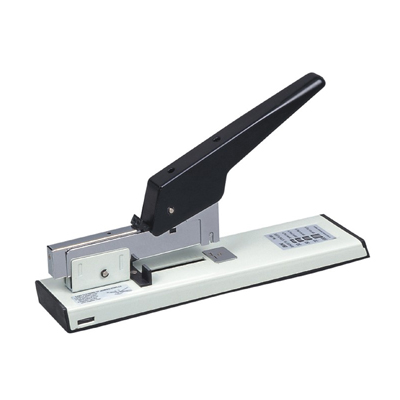
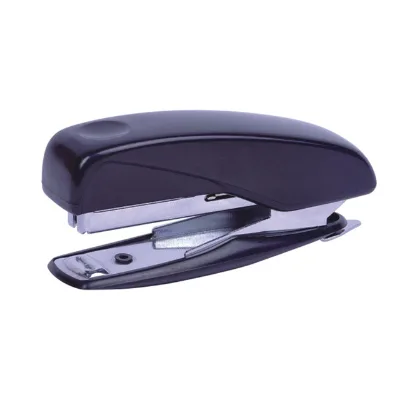
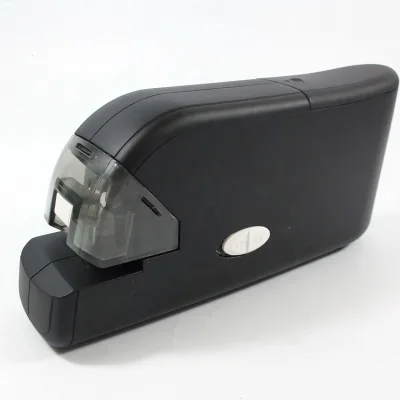


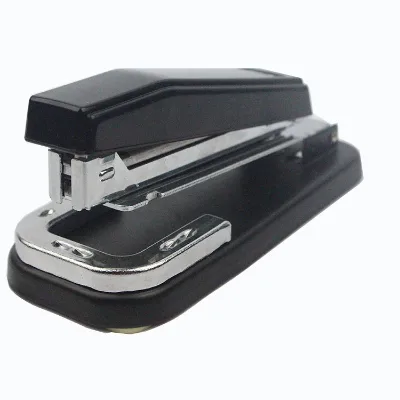
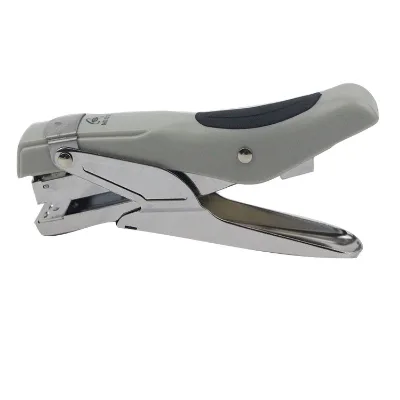
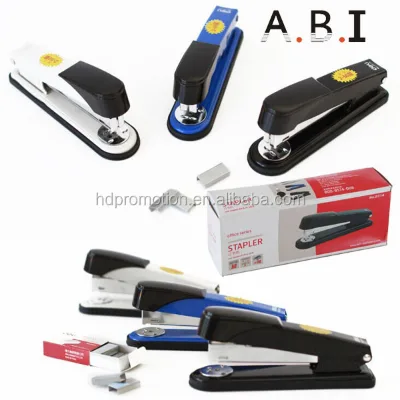
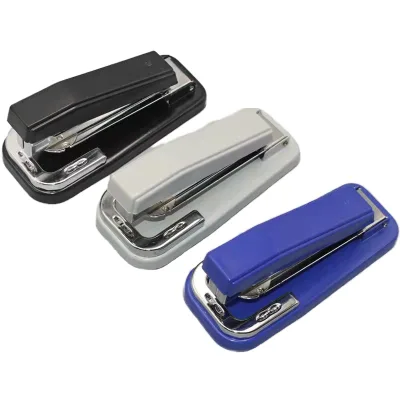
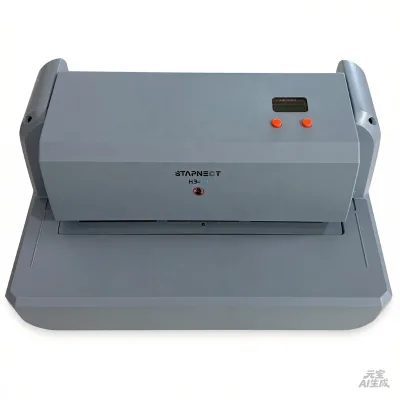
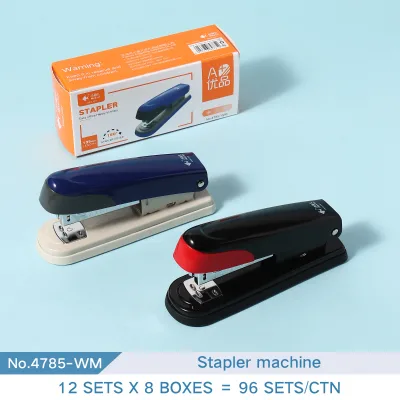
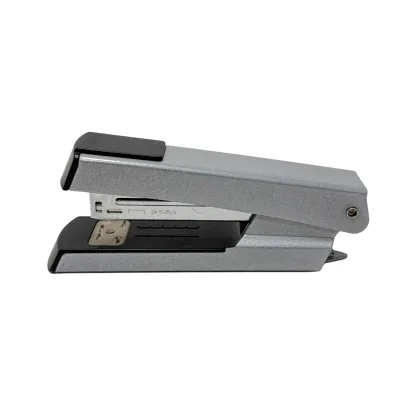
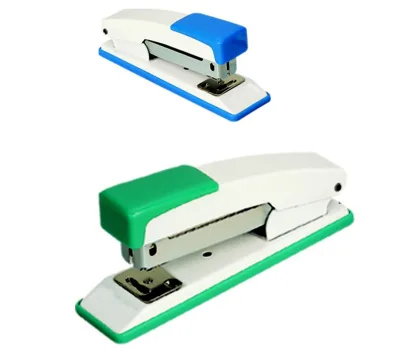
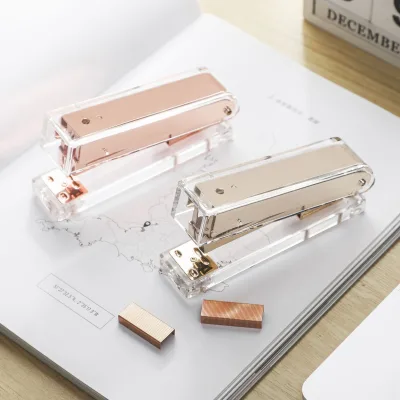
Simple Plastic Desktop Stapler Office School Stationery Accessories Paper Stapler
$0.60 - $0.70
MOQ: 2000 Pieces


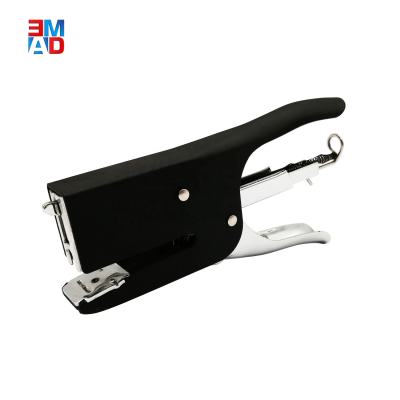
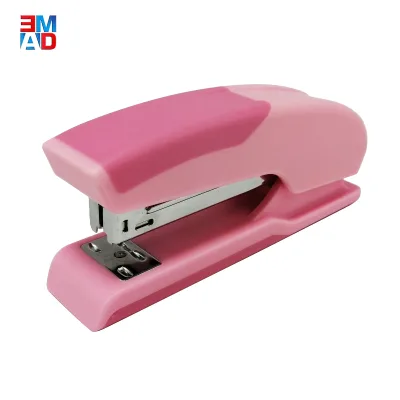
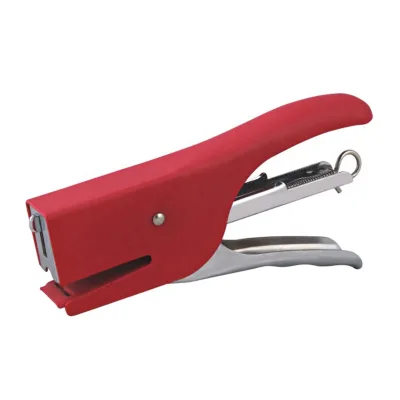
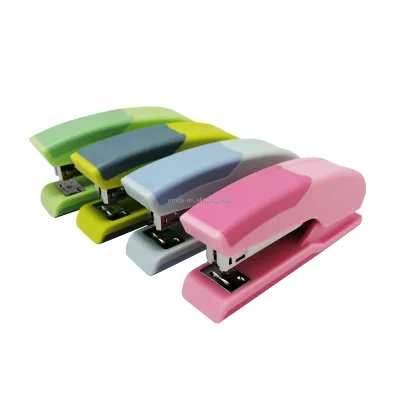




Comprehensive Sourcing Guide
Heavy Duty Desktop Stapler Sourcing Guide
Procuring heavy-duty staplers requires a clear distinction between standard office models and high-capacity industrial tools. Buyers must first define the binding thickness requirements, as observed listings show sheet capacities ranging from 12 to 60 sheets. This variation dictates the mechanical strength needed and the type of staples compatible with the device. Understanding these operational limits prevents the purchase of underpowered units for high-volume tasks or over-engineered tools for light administrative work.
The market offers diverse power sources, including manual, battery-operated, and electric options. Manual units rely on user force, while automatic models may use AAA batteries or USB power for consistent performance. Selecting the right power mechanism depends on the volume of daily stapling and the ergonomic needs of the staff. Heavy-duty applications often benefit from electric or semi-automatic systems to reduce operator fatigue and increase throughput in busy office or industrial environments.
Product Scope and Observed Listing Signals
Current market listings indicate a wide range of product attributes, with prices observed between $0.40 and $328.88 USD. This broad spectrum reflects differences in material quality, automation level, and brand positioning. Buyers should note that minimum order quantities (MOQs) typically range from 50 to 5,040 units, suggesting that bulk purchasing is common for corporate or institutional clients. These commercial terms significantly impact the total cost of ownership and inventory management strategies.
Product names and descriptions vary, with terms like "heavy duty," "big stapler," and "automatic" frequently appearing. Specific models such as the GR7214 and BO-F10 demonstrate distinct design philosophies, from plastic-bodied manual units to metal-and-ABS electric staplers. Observing these listing signals helps buyers identify suppliers who specialize in specific niches, whether that is basic office stationery or specialized industrial binding equipment. Careful review of these signals ensures alignment with specific procurement needs.
Technical Specifications to Verify
Staple size compatibility is a critical technical parameter that must be verified before ordering. Observed specifications include staples such as 23/6, 23/24, and No. 10, each suited for different paper weights and binding densities. Buyers must ensure that the selected stapler accepts the staple type required for their specific documents. Mismatched staple sizes can lead to jamming, poor binding quality, or damage to the stapler mechanism, resulting in operational downtime.
Physical dimensions and weight are also essential considerations for workspace integration and portability. Listed dimensions vary, with some units measuring around 28.78.710cm and others being more compact at 18.44.58.4cm. Weight ranges from lightweight plastic models to heavier metal constructions weighing up to 2.5kg. These factors influence desk space allocation and user comfort, particularly for high-volume tasks. Verifying these specifications ensures the stapler fits the intended workflow and physical environment.
Compliance and Safety Documentation
Safety certifications are paramount for electric and automatic staplers, which involve moving parts and electrical components. Buyers should request documentation confirming compliance with relevant electrical safety standards, such as CE or RoHS, depending on the target market. These certifications ensure that the product meets rigorous safety requirements for insulation, grounding, and material toxicity. Without proper certification, there is a risk of electrical hazards or exposure to harmful substances, which can lead to liability issues.
Material safety is another key area of concern, especially for staplers used in schools or shared office spaces. The observed use of materials like plastic, metal, and ABS requires verification that these components are free from hazardous chemicals. Buyers should ask for material safety data sheets (MSDS) or declarations of conformity. Ensuring that all materials are safe for prolonged human contact protects users and aligns with corporate social responsibility goals, particularly in educational or public sector procurement.
Cost Drivers and Commercial Terms
The cost of heavy-duty staplers is influenced by several factors, including material composition, automation level, and brand reputation. Electric models with features like automatic feeding and USB charging typically command higher prices than manual plastic units. Buyers should analyze the total cost of ownership, considering not just the unit price but also the cost of replacement staples and potential maintenance. Investing in a durable, high-quality stapler may reduce long-term costs by minimizing replacements and repairs.
Commercial terms such as MOQs and lead times vary significantly among suppliers. Higher MOQs often result in lower per-unit prices, making them suitable for large organizations. However, buyers must balance cost savings with inventory holding costs and storage space. Lead times can also impact procurement planning, especially for urgent orders. Negotiating flexible terms and understanding the supplier's production capacity can help mitigate risks associated with supply chain disruptions and ensure timely delivery.
Supplier Qualification and Quality Control
Supplier qualification involves verifying the manufacturer's production capabilities and quality management systems. Buyers should assess whether the supplier has experience in producing heavy-duty staplers and whether they adhere to standardized manufacturing processes. Factories located in regions like Zhejiang and Guangdong, China, are common sources for these products. Evaluating the supplier's track record, customer reviews, and production volume can provide insights into their reliability and consistency in delivering high-quality products.
Quality control measures are essential to ensure that each stapler meets the specified performance standards. Buyers should inquire about the supplier's testing procedures, including stress tests for stapling capacity and durability checks for mechanical components. Requesting sample units for evaluation allows buyers to verify the product's performance in real-world conditions. Implementing a robust quality control plan, including pre-shipment inspections, helps minimize the risk of receiving defective products and ensures customer satisfaction.
Long-Term Procurement Checks
Long-term procurement success depends on establishing a reliable supply chain and fostering strong supplier relationships. Buyers should regularly review supplier performance metrics, such as on-time delivery rates, product quality, and responsiveness to issues. Building a partnership with a trusted supplier can lead to better pricing, priority service, and access to new product innovations. Continuous communication and feedback loops help align supplier capabilities with evolving procurement needs and market trends.
Sustainability and ethical sourcing are increasingly important considerations in long-term procurement strategies. Buyers should evaluate suppliers' environmental practices, such as waste reduction and energy efficiency, and their adherence to labor standards. Choosing suppliers who prioritize sustainability can enhance brand reputation and meet corporate social responsibility goals. Regular audits and assessments of supplier practices ensure that the procurement process remains ethical, sustainable, and aligned with the organization's values over time.
FAQs
What is the sheet capacity of the heavy duty stapler?
The heavy duty stapler can bind up to 60 sheets of paper at once. This capacity is significantly higher than standard models which often handle only 12 to 20 sheets. It is designed for high-volume office tasks requiring robust performance without jamming.
Which staple sizes are compatible with this stapler?
This device accepts multiple staple sizes including 23/6, 23/24, and 24/6. Some models also support No. 10 staples for different binding needs. Always verify the specific model number to ensure the correct staple type is used for optimal operation.
Can I find a heavy duty stapler with customization options?
Yes, customization is available for certain heavy duty stapler models. Buyers can request specific branding or design adjustments to meet unique business requirements. This flexibility allows companies to align the stationery with their corporate identity while maintaining high durability standards.
What is the material composition of the heavy duty stapler?
The heavy duty stapler is constructed from durable plastic or a combination of metal and ABS materials. This ensures the device withstands frequent use in demanding office environments. The robust build quality contributes to its classification as a heavy duty tool for professional settings.
How does the electric automatic stapler differ from manual ones?
The electric automatic stapler operates using four AAA batteries or USB power, unlike manual versions. It features fully automatic functionality to speed up binding tasks significantly. This model is ideal for high-volume offices where speed and reduced physical effort are critical for productivity.
What is the throat depth of the heavy duty stapler?
The throat depth of this stapler is 60mm, allowing for binding of documents placed further from the edge. This dimension facilitates stapling of multi-page reports or binders that require deeper access. It ensures versatility for various document sizes and binding positions.
Where are these heavy duty staplers manufactured?
These staplers are manufactured in Zhejiang and Guangdong provinces in China. The production locations indicate a concentration of stationery manufacturing capabilities in these regions. Buyers can expect established supply chains and competitive pricing due to the regional industrial focus on office supplies.