Source Eco Friendly Bamboo Ballpoint Pen and Notebook Set for gifts
Find 30 Eco Friendly Bamboo Ballpoint Pen and Notebook Set options from Chinese manufacturers. Compare specifications like 70-page capacity, 1.0mm writing width, and custom printing methods for promotional and business use; compare the available evidence and request quotations based on your requirements.
Updated
Key considerations
Products List
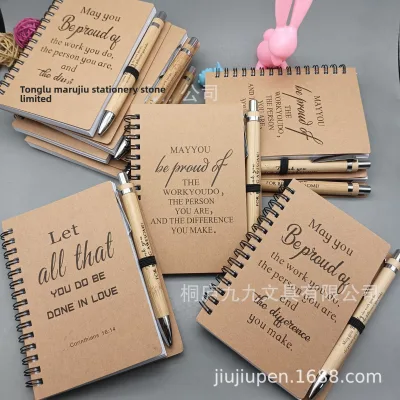
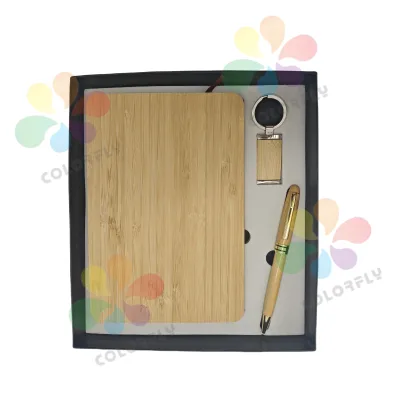
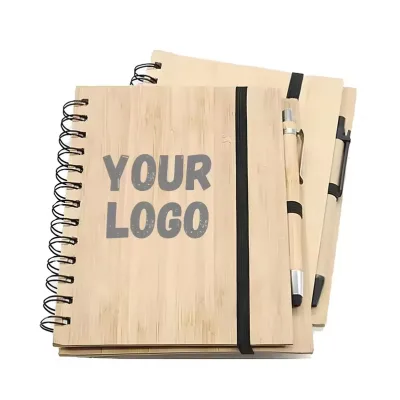
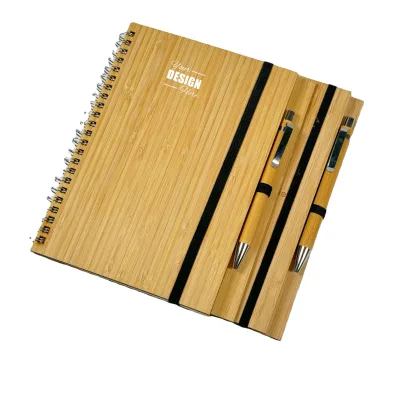

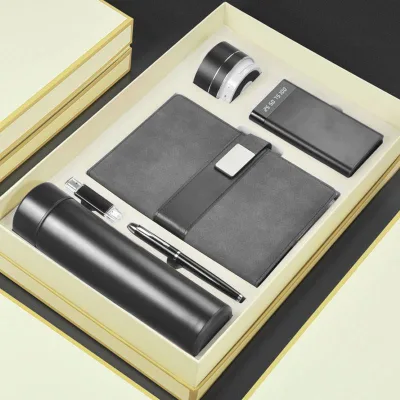
Gift Set for Men Promotional Luxury Business Bamboo Gifts Items Notebook Pen Sets
$12.56 - $14.30
MOQ: 100 pieces

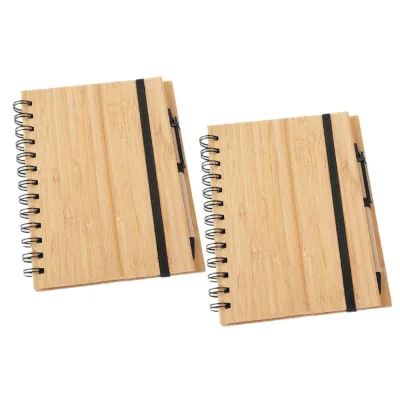
Custom Print Hard Cover Notebook Bamboo Diary Notebook and Pen Gift Set
$1.55 - $3.15
MOQ: 100 Minimum
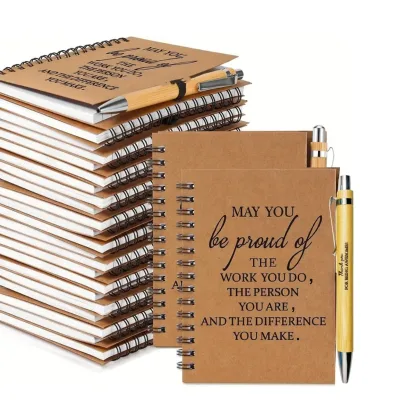
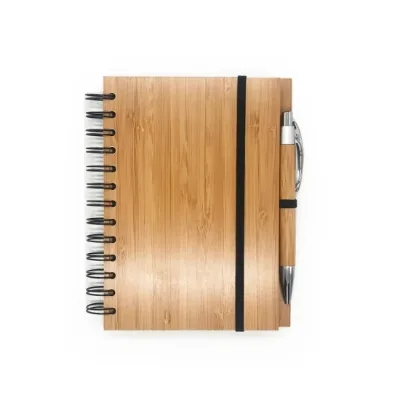


2026 Custom Logo A5 Diary Notebook and Pen Gift Set Customized Notebook Set
$3.99 - $10.99
MOQ: 100 Pieces


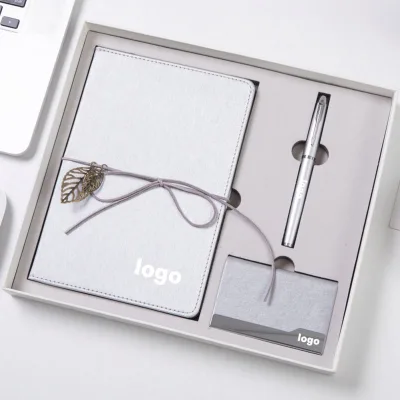
Teacher Gifts With Customized, Promotion Logo Pen and Notebook Gift Set/
$2.9337 - $8.2325
MOQ: 10 Minimum


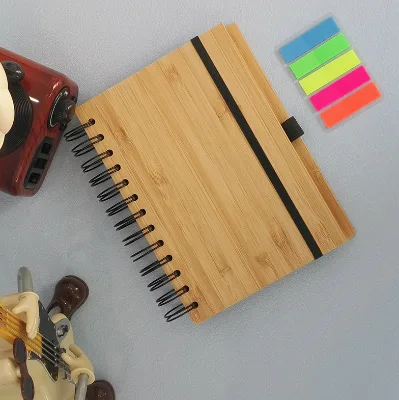


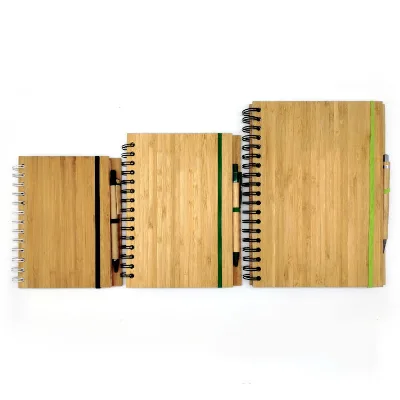
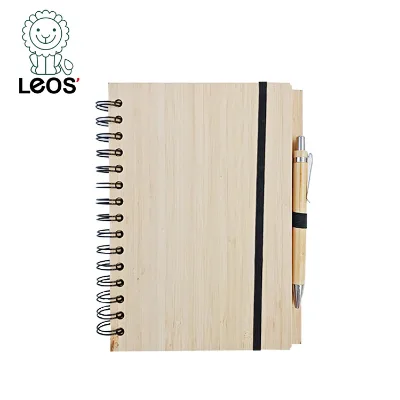
2023 New Arrivals ECO-Friendly Bamboo Cover Spiral Notebook Set with Pen
$1.5499 - $3.0997
MOQ: 3000 Minimum


Comprehensive Sourcing Guide
Eco Friendly Bamboo Ballpoint Pen and Notebook Set Sourcing Guide
Sourcing eco-friendly bamboo ballpoint pen and notebook sets requires a clear understanding of the distinct material properties and manufacturing processes involved in combining natural wood fibers with paper and ink components. Buyers must recognize that these items are primarily marketed as promotional gifts, business giveaways, and corporate branding tools, where aesthetic appeal and sustainability narratives drive purchasing decisions. The observed market signals indicate a strong emphasis on customization, with suppliers offering various printing techniques such as sublimation, UV, and digital printing to accommodate complex logos and designs. This customization capability is central to the value proposition, allowing companies to create unique, branded merchandise that resonates with recipients while adhering to corporate social responsibility goals.
The product landscape includes variations in notebook page counts, binding styles, and pen specifications, necessitating careful selection based on end-user needs. For instance, some listings highlight seventy-page notebooks with specific gram weights for inner sheets, while others offer customizable options for both paper and bamboo covers. The inclusion of pens, often made from bamboo with black ink and specific writing widths, adds functional utility to the set. Buyers should evaluate these attributes not just as isolated features but as integrated components of a cohesive gift set. Understanding the interplay between the bamboo material’s natural texture and the functional requirements of the writing instruments ensures that the final product meets both aesthetic expectations and practical usability standards for promotional activities.
Product Scope and Observed Listing Signals
The observed product range reveals a diverse array of bamboo-based stationery items, with prices ranging from $0.25 to $23.42 USD, reflecting significant variation in quality, customization depth, and packaging. Minimum order quantities (MOQs) typically start as low as two pieces for samples but scale up to three thousand units for bulk production, indicating flexibility for both small-scale testing and large corporate campaigns. Key attributes frequently cited include the use of bamboo as the primary material for pen bodies and notebook covers, often paired with paper interiors. These items are frequently described as novelty gifts or promotional tools, with specific design elements like four-leaf clovers or custom logos enhancing their appeal as branded merchandise.
Listing signals also emphasize the versatility of these products across various business applications, including back-to-school events, graduation ceremonies, and trade show giveaways. The presence of different binding options, such as sewing or thermal binding for notebooks, and single package sizes ranging from compact pen dimensions to larger notebook boxes, suggests that suppliers cater to diverse logistical needs. Buyers should note that while some products are labeled with specific model numbers like B11 or OEM-HN-CB0014, many others are offered as fully customizable solutions. This variability requires buyers to clearly define their requirements early in the sourcing process to ensure that the selected supplier can meet their specific volume, design, and quality expectations without compromising on the eco-friendly narrative.
Technical Specifications to Verify
When evaluating technical specifications, buyers must prioritize the verification of material composition and dimensional accuracy to ensure consistency across large orders. The core material, bamboo, should be confirmed for its source and processing method, as this impacts the durability and appearance of both the pen and notebook cover. For notebooks, the inner page weight, typically cited around seventy to eighty grams, and the binding type, whether sewing or thermal, are critical for determining the product’s longevity and usability. Additionally, the pen’s writing width, often specified as 1.0mm, and ink color, usually black, must be verified to ensure they meet the functional requirements of the end-users. These details directly influence the perceived quality and professional appearance of the promotional set.
Packaging specifications are equally important, as they affect shipping costs and product protection during transit. Single package sizes and gross weights vary significantly, with some items weighing as little as 0.15 kg for pens and up to 0.500 kg for notebook sets. Buyers should request detailed packaging diagrams to understand how components are protected and arranged. Furthermore, the surface finishing of the bamboo, such as glossy lamination, should be inspected for quality and consistency, as this affects both the tactile experience and the visual appeal of the final product. Verifying these technical details through sample requests and clear communication with suppliers helps mitigate the risk of receiving products that do not meet the expected standards for promotional use.
Compliance and Safety Documentation
Compliance and safety documentation are essential for ensuring that bamboo stationery sets meet international standards and regulatory requirements, particularly when used in global markets. Buyers should verify that suppliers hold relevant certifications, such as ISO9001 for quality management, SA8000 for social accountability, and FSC for sustainable forestry practices. These certifications provide assurance that the bamboo is sourced responsibly and that the manufacturing processes adhere to ethical and environmental standards. Additionally, buyers must ensure that the inks and adhesives used in the pens and notebooks are non-toxic and comply with relevant safety regulations, such as REACH or CPSIA, depending on the target market. This verification is crucial for maintaining brand reputation and avoiding legal liabilities associated with unsafe products.
Beyond material certifications, buyers should also consider the environmental impact of the packaging materials used. While the products themselves are marketed as eco-friendly, the packaging should ideally be recyclable or biodegradable to align with the sustainability narrative. Buyers should request documentation on the composition of packaging materials and inquire about the supplier’s waste management practices. Furthermore, it is important to verify that the printing processes, such as sublimation or UV printing, do not involve hazardous chemicals that could compromise the eco-friendly claim. By thoroughly reviewing compliance documentation, buyers can ensure that their promotional sets not only meet functional requirements but also uphold the environmental and ethical standards expected by modern consumers and corporate clients.
Cost Drivers and Commercial Terms
Cost drivers for bamboo ballpoint pen and notebook sets include the price of raw bamboo, paper quality, customization complexity, and order volume. The observed price range of $0.25 to $23.42 USD reflects these variables, with higher prices typically associated with premium materials, intricate designs, and smaller order quantities. Buyers should understand that customization, such as adding logos or specific designs, often incurs additional setup fees and may increase the unit cost, especially for low MOQs. Conversely, larger orders can benefit from economies of scale, reducing the per-unit price significantly. It is also important to consider the cost of packaging and shipping, which can vary based on the single package size and gross weight of the items.
Commercial terms, including payment methods, lead times, and return policies, should be clearly negotiated before placing an order. Buyers should verify the supplier’s production capacity and lead times to ensure timely delivery, especially for time-sensitive promotional campaigns. Additionally, it is advisable to request a detailed quotation that breaks down costs for materials, customization, packaging, and shipping. This transparency helps buyers identify potential hidden costs and make informed decisions. Buyers should also inquire about the supplier’s policy for handling defective products or order discrepancies, ensuring that there is a clear process for resolving issues without incurring additional expenses. Understanding these commercial terms is crucial for budgeting and managing expectations throughout the procurement process.
Supplier Qualification and Quality Control
Supplier qualification is a critical step in ensuring the reliability and consistency of bamboo stationery sets. Buyers should assess suppliers based on their production capabilities, quality control processes, and track record in fulfilling similar orders. Verifying the supplier’s location, such as Zhejiang, Anhui, or Guangdong in China, can provide insights into their supply chain efficiency and logistical advantages. Additionally, buyers should request references or case studies from previous clients to gauge the supplier’s performance and customer satisfaction levels. It is also important to evaluate the supplier’s ability to handle customization requests, as this is a key feature of these products. Suppliers with robust quality control systems are more likely to deliver consistent products that meet the specified standards.
Quality control measures should be implemented throughout the production process, from raw material inspection to final packaging. Buyers should establish clear quality standards and communicate them effectively to the supplier. This includes specifying acceptable tolerances for dimensions, color consistency, and printing quality. Regular inspections, either through third-party agencies or on-site visits, can help identify and address potential issues before shipment. Buyers should also request pre-shipment samples to verify that the final products meet the agreed-upon specifications. By implementing rigorous quality control measures, buyers can minimize the risk of receiving defective products and ensure that their promotional sets maintain a high standard of quality and professionalism.
Long-Term Procurement Checks
Long-term procurement checks involve continuous monitoring of supplier performance, market trends, and product quality to ensure sustained value and reliability. Buyers should establish key performance indicators (KPIs) to evaluate suppliers based on delivery times, product quality, and responsiveness to issues. Regular reviews of these metrics help identify areas for improvement and foster a collaborative relationship with suppliers. Additionally, buyers should stay informed about emerging trends in sustainable materials and manufacturing processes, as these can impact the availability and cost of bamboo stationery sets. By staying proactive, buyers can adapt to market changes and maintain a competitive edge in their promotional activities.
It is also important to periodically reassess the product specifications and customization options to ensure they remain relevant and appealing to end-users. This may involve gathering feedback from recipients or conducting market research to identify new design preferences. Buyers should also consider diversifying their supplier base to mitigate risks associated with single-source dependencies. By maintaining a flexible and informed procurement strategy, buyers can ensure that their bamboo ballpoint pen and notebook sets continue to meet their business objectives and sustainability goals. Long-term checks should be integrated into the overall procurement process to drive continuous improvement and optimize the value derived from these promotional products.
FAQs
What materials are used for the bamboo pen and notebook?
The pen body is crafted from natural bamboo, while the notebook combines bamboo covers with paper inner pages. This combination ensures an eco-friendly profile for promotional and business use. The paper sheets are available in 70 or 80 grams, providing a sturdy writing surface. The bamboo material offers a unique texture and aesthetic appeal suitable for corporate gifts and branding activities.
Can I customize the logo and printing on these items?
Yes, both the pen and notebook support extensive customization. You can choose from sublimation, lamination, UV, or digital printing methods. The notebook allows for custom artwork, while the pen can feature specific designs. The brand name and model numbers can be tailored to your requirements. This flexibility makes the set ideal for promotional activities, trade shows, and corporate gifting campaigns.
What is the minimum order quantity for these bamboo sets?
The minimum order quantity varies by product type. For the bamboo ballpoint pen, the MOQ is 200 pieces. For the bamboo notebook, the MOQ ranges from 2 to 3000 pieces depending on the specific model and customization needs. These thresholds allow businesses to order small batches for testing or large volumes for widespread distribution and promotional events.
Are the pens erasable or do they use standard ink?
The bamboo ballpoint pens use standard black ink and are not erasable. They feature a 1.0mm writing width for smooth and consistent line output. The pens are designed for permanent writing tasks, making them suitable for official documents, surveys, and everyday note-taking. The non-erasable nature ensures that written information remains clear and legible over time.
What certifications do the bamboo notebooks hold?
The bamboo notebooks are certified with ISO9001, SA8000, and FSC standards. These certifications verify quality management, social accountability, and responsible forestry practices. The FSC certification specifically ensures that the bamboo and paper materials come from sustainable sources. This makes the products compliant with international environmental standards and suitable for eco-conscious buyers and corporate social responsibility initiatives.
Where are these bamboo products manufactured?
These products are manufactured in multiple locations across China, including Zhejiang, Anhui, and Guangdong provinces. Each region may specialize in different aspects of production, such as pen manufacturing or notebook binding. The diverse manufacturing base allows for flexible sourcing options and potentially varied lead times. Buyers can select suppliers based on specific regional advantages and logistical preferences.