Find Dual-Side Soft Tip Glitter Marker for Art, Sketch, Office
Explore 30 Dual-Side Soft Tip Glitter Marker options to compare ink types, color sets, and packaging. This guide helps buyers evaluate specifications and sourcing terms for art and office applications; compare the available evidence and request quotations based on your requirements.
Key considerations
Products List
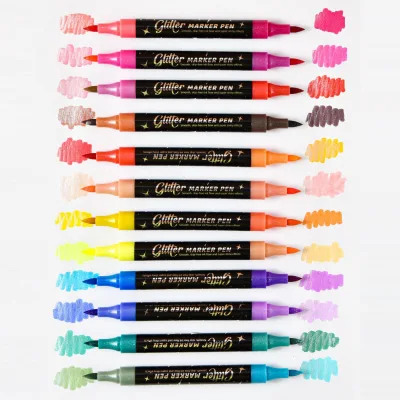
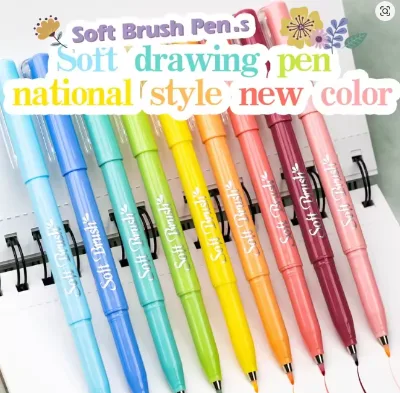
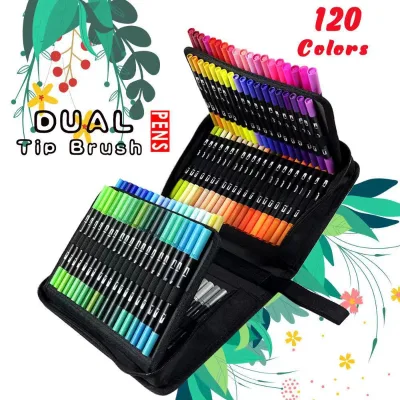
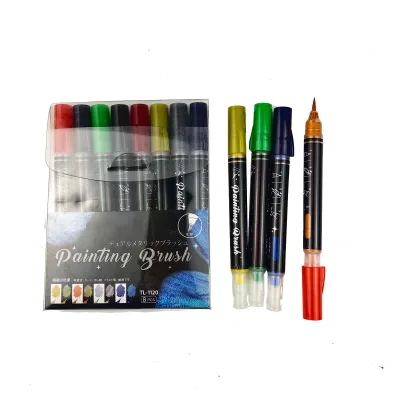
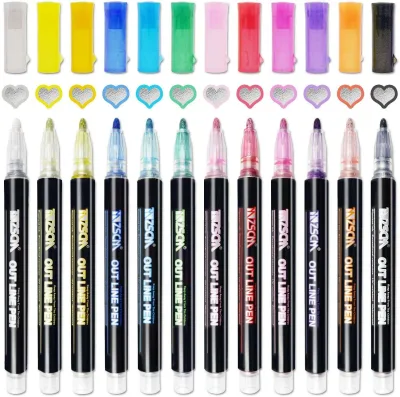


Dual Tip Art Markers Tips Pens Permanent Paint Alcohol Brush Drawing Marker
$1.11 - $1.99
MOQ: 144 Pieces


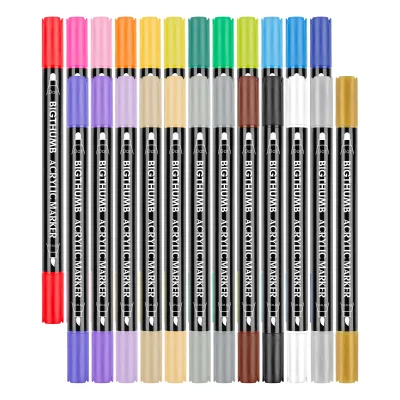
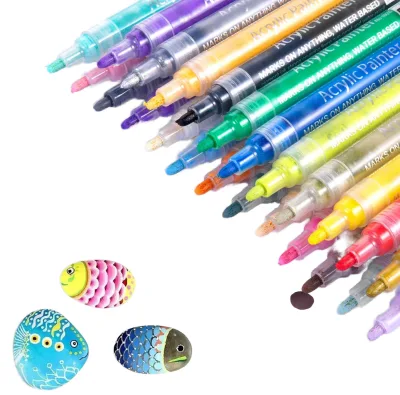
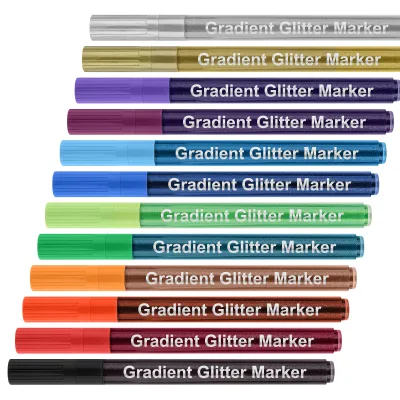




Comprehensive Sourcing Guide
Dual-Side Soft Tip Glitter Marker Sourcing Guide
Procuring dual-side soft tip glitter markers requires a strategic approach that balances aesthetic appeal with functional durability. Buyers must recognize that these products serve distinct purposes in art sketching, office marking, and novelty applications. The core challenge lies in verifying that the "soft tip" description aligns with actual brush performance rather than just marketing terminology. Sourcing teams should prioritize suppliers who can demonstrate consistent ink flow and tip resilience across high-volume orders. This ensures that the final product meets the expectations of end-users who rely on these tools for detailed artistic work or professional presentations.
The market offers a wide range of configurations, from basic washable markers to permanent ink variants with glitter effects. Understanding the specific application is critical before engaging with suppliers. For instance, art sketching requires different ink properties than office use, where quick drying and non-toxicity are paramount. Buyers should define their target market clearly to avoid over-specifying or under-specifying the product. This clarity helps in negotiating better terms and ensures that the selected supplier has the relevant manufacturing expertise. By aligning product features with end-user needs, procurement teams can reduce the risk of returns and dissatisfaction.
Product Scope and Observed Listing Signals
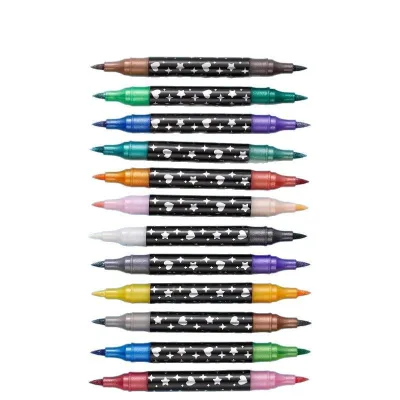
The observed product landscape reveals significant variation in model numbers, brand names, and packaging options. Listings indicate a spectrum of color availability, ranging from six colors to over one hundred and twenty colors per set. This diversity allows buyers to tailor their offerings to specific market segments, such as educational institutions or professional artists. However, the presence of multiple brand names like Bocai, Glitter, and Bonvan suggests a fragmented supply chain. Buyers must carefully evaluate which brands offer the best balance of quality and cost. It is essential to request sample sets to assess the actual color vibrancy and glitter particle distribution before committing to large orders.
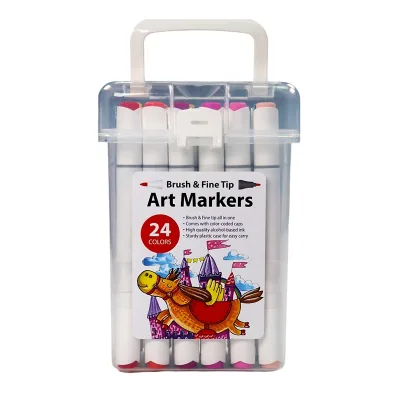
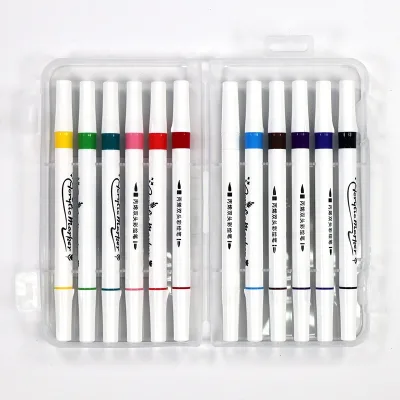
Packaging and customization options are also key differentiators in this category. Many suppliers accept customized labels and logos, which is crucial for private label operations. The observed MOQs vary widely, from as low as one piece to ten thousand pieces, indicating flexibility for both small-scale testing and bulk production. Buyers should note that higher MOQs often come with lower unit prices, but they also require significant inventory management. Additionally, the delivery time is typically observed between seven and fifteen days, which is relatively fast for custom products. This timeline should be factored into the overall procurement schedule to ensure timely market entry.
Technical Specifications to Verify
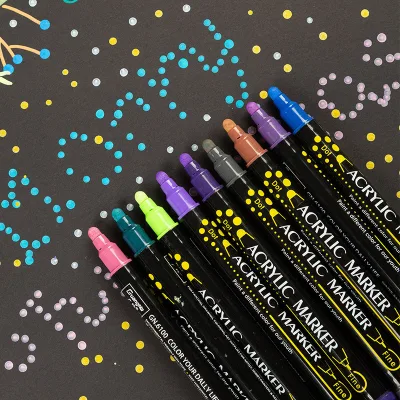
Technical specifications must be rigorously verified to ensure product performance meets user expectations. The tip type is a critical factor, with many products featuring a dual-tip design combining a brush tip and a fine tip. This configuration allows for both broad strokes and detailed lines, enhancing the versatility of the marker. Buyers should confirm that the tips are made from high-quality materials that do not shed or fray after repeated use. The ink type also varies, with options including permanent, water-based, and washable inks. Each type has specific advantages and limitations, so buyers must choose based on the intended use case. For example, permanent inks are suitable for long-lasting art pieces, while washable inks are preferred for children's products.
Ink color consistency and coverage are additional technical aspects that require attention. Suppliers should provide detailed information on the ink's drying time, opacity, and resistance to smudging. The observed advantage of quick drying and strong cover is a positive indicator, but it must be validated through physical testing. Buyers should request test reports or conduct their own trials to ensure that the ink performs as advertised. Furthermore, the single package size and gross weight are important for logistics planning. Accurate dimensions and weights help in calculating shipping costs and optimizing warehouse space. By verifying these technical details, buyers can ensure that the product meets both functional and logistical requirements.
Compliance and Safety Documentation
Compliance with safety standards is non-negotiable, especially for products intended for use by children or in educational settings. The observed certifications include EN71 and ASTM D4236, which are critical benchmarks for toy and art material safety. Buyers must request copies of these certificates and verify their validity and scope. It is not enough to simply ask if the product is certified; the documentation must be reviewed to ensure that it covers the specific product model and batch. Additionally, suppliers should provide material safety data sheets (MSDS) that detail the chemical composition of the ink and other components. This information is essential for assessing potential health risks and ensuring regulatory compliance in target markets.
Beyond formal certifications, buyers should inquire about the supplier's quality control processes related to safety. This includes testing for heavy metals, phthalates, and other harmful substances. The observed advantage of being non-toxic and water-based is a positive signal, but it must be backed by third-party testing results. Buyers should also consider the environmental impact of the product, such as the use of recyclable packaging and sustainable materials. While not always mandatory, these factors can enhance the product's appeal to environmentally conscious consumers. By prioritizing compliance and safety, buyers can mitigate legal risks and build trust with their customers.
Cost Drivers and Commercial Terms
Understanding the cost drivers is essential for effective budgeting and negotiation. The primary cost factors include the number of colors, the type of ink, and the level of customization. Products with more colors and premium inks, such as glitter or permanent inks, typically command higher prices. Customization options, such as custom labels and packaging, also add to the cost but can enhance brand value. Buyers should request detailed quotations that break down the costs for each component. This transparency helps in identifying areas where costs can be reduced without compromising quality. For example, opting for standard packaging instead of custom designs can lower the unit price.
Commercial terms, including payment methods and delivery schedules, also impact the overall cost. The observed delivery time of seven to fifteen days is relatively short, which can reduce inventory holding costs. However, buyers should negotiate payment terms that align with their cash flow needs. Common terms include advance payment, letter of credit, or net payment. It is important to clarify any additional fees, such as shipping, customs duties, and handling charges. By thoroughly reviewing the commercial terms, buyers can avoid unexpected costs and ensure a smooth transaction. Additionally, buyers should consider the total cost of ownership, including maintenance and replacement costs, when evaluating different suppliers.
Supplier Qualification and Quality Control
Supplier qualification is a critical step in ensuring consistent product quality. Buyers should assess the supplier's manufacturing capabilities, including their production capacity, equipment, and workforce. A reputable supplier will have a well-established quality control system that includes incoming material inspection, in-process checks, and final product testing. Buyers should request to visit the factory or conduct a virtual audit to verify these processes. Additionally, the supplier's track record with other clients can provide valuable insights into their reliability and professionalism. References from previous customers can help in assessing the supplier's ability to meet deadlines and maintain quality standards.
Quality control measures should be specific to the product's unique characteristics. For glitter markers, this includes checking for glitter particle size, distribution, and adhesion to the tip. Buyers should define clear acceptance criteria and communicate them to the supplier. This ensures that both parties have a shared understanding of what constitutes a defect. Additionally, buyers should establish a feedback loop for reporting any quality issues that arise after delivery. This proactive approach helps in identifying and resolving problems early, preventing larger issues in the future. By partnering with qualified suppliers and implementing robust quality control measures, buyers can ensure a reliable supply of high-quality products.
Long-Term Procurement Checks
Long-term procurement requires a strategic approach that goes beyond initial transactions. Buyers should establish a performance evaluation framework that tracks key metrics such as on-time delivery, defect rates, and customer satisfaction. Regular reviews of these metrics help in identifying trends and areas for improvement. Additionally, buyers should maintain open communication with their suppliers to discuss any changes in market conditions, raw material costs, or regulatory requirements. This collaborative approach fosters a strong partnership and ensures that both parties are aligned on goals and expectations. By continuously monitoring and adjusting the procurement strategy, buyers can adapt to changing market dynamics and maintain a competitive edge.
Sustainability and ethical sourcing are increasingly important considerations in long-term procurement. Buyers should evaluate their suppliers' commitment to environmental sustainability, including their waste management practices and use of renewable resources. Ethical labor practices are also crucial, as they reflect the supplier's values and commitment to social responsibility. By prioritizing sustainability and ethics, buyers can enhance their brand reputation and appeal to a broader range of customers. Additionally, buyers should consider diversifying their supplier base to reduce dependency on a single source. This strategy mitigates risks associated with supply chain disruptions and ensures a stable supply of products. By adopting a holistic approach to long-term procurement, buyers can build a resilient and sustainable supply chain.
FAQs
What tip configurations are available for dual side soft tip glitter markers?
These markers typically feature a brush tip combined with a fine tip on the opposite end. This dual-side writing design allows artists to switch between broad strokes and detailed line work seamlessly. The soft tips ensure smooth ink flow, making them ideal for art sketching and creative projects that require varied line weights.
Can these markers be customized with a specific brand logo?
Yes, customized labels and packages are generally acceptable for these products. Buyers can often request customized logos on the marker bodies or packaging materials. This OEM and ODM flexibility supports branding efforts, allowing businesses to create unique product identities while maintaining the standard quality and functionality expected from professional art markers.
What certifications ensure the safety of these art markers?
Safety is often verified through EN71 and ASTM D4236 certifications. These standards confirm that the markers are non-toxic and safe for use, particularly in educational or artistic environments. The water-based and quick-drying ink properties further enhance safety, ensuring that the products meet international regulatory requirements for consumer goods and art supplies.
What is the typical minimum order quantity for these markers?
Minimum order quantities vary by supplier but often start at twelve pieces or thirty sets. Some manufacturers may require higher volumes, such as two thousand sets, for specific production runs. Buyers should verify the exact MOQ with their chosen supplier, as it depends on the packaging configuration and whether the order involves custom branding or standard stock items.
How long does delivery usually take for these markers?
Delivery times typically range from seven to fifteen days after order confirmation. This lead time allows for production and quality checks before shipment. Buyers should account for this window when planning inventory, especially if they require customized packaging or specific color combinations. Expedited shipping options may be available depending on the supplier's logistics capabilities and current production schedules.
Are these markers permanent or washable?
While some product listings describe the ink as permanent, others highlight washable or water-based properties. The erasable status is often listed as no, indicating that once applied, the ink is not easily removed. Buyers should clarify the specific ink type with the supplier to ensure it matches their project requirements, whether for permanent labeling or temporary artistic sketches.