Source Heavy Duty Impact Bed for Cement, Mining, and Ports
Compare 30 Heavy Duty Impact Bed options from verified Chinese manufacturers. Buyers can evaluate specifications like material, dimensions, and certifications for cement, mining, and port applications.
Key considerations
Products List


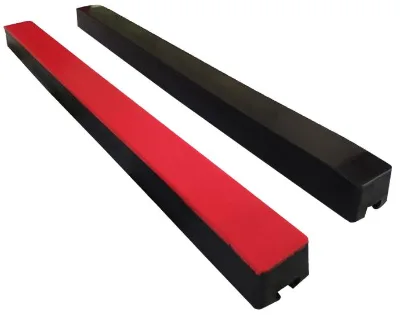


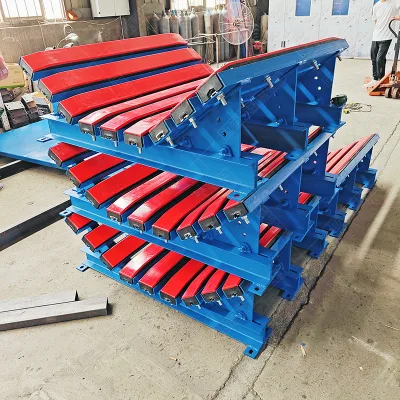
B2000 Heavy-duty Impact Bed, Highly Wear-resistant Heavy-duty Impact Bed
$16.19 - $27.42
MOQ: 1 Minimum


Comprehensive Sourcing Guide
Strategic Sourcing Guide for Heavy Duty Impact Beds
Understanding Technical Specifications and Material Composition
When sourcing heavy duty impact beds, buyers must first establish a clear understanding of the core technical specifications that define product performance. These components are engineered to absorb the shock and impact of bulk materials falling onto a conveyor belt, thereby protecting the belt structure and extending its operational lifespan. The fundamental design parameters vary significantly based on the specific application environment, requiring a granular review of material composition, dimensional tolerances, and surface treatments.
The material selection is a primary determinant of durability. Market offerings frequently utilize cast steel as a base material, often paired with rubber components to provide the necessary elasticity and shock absorption. In some configurations, the product is described specifically as a "Flame Retardant Impact Bar," indicating the use of specialized rubber compounds designed to meet safety standards in high-risk environments such as coal mining or cement plants. The physical dimensions are equally critical; observed specifications indicate a bed width ranging from 500mm to 2600mm, with thicknesses typically falling between 55mm and 100mm. These ranges allow for customization to fit various conveyor belt widths, but buyers must verify that the specific model number aligns with their existing infrastructure.
Surface treatment and manufacturing processes also play a pivotal role in longevity. Products are often subjected to polishing processes to ensure smooth operation and reduce friction. The manufacturing method, whether forging or casting, influences the internal grain structure and resistance to fatigue. For instance, casting is a common process noted in available product data, while forging may be utilized for specific high-stress components. The installation assembly typically involves T-slots, nuts, and washers, which must be compatible with the conveyor frame. Buyers should confirm that the "Load Capacity" meets their specific throughput requirements, with some units rated for capacities around 800 kg, though this figure should be validated against the specific load profile of the intended application.
Compliance, Certification, and Industry Standards
Navigating the complex landscape of international standards and certifications is essential for ensuring that heavy duty impact beds meet regulatory and safety requirements. The procurement process must rigorously verify that suppliers adhere to recognized quality management systems and industry-specific standards. A high-confidence observation from the market data indicates that many manufacturers hold ISO 9001 certification, which validates their manufacturing process consistency. Furthermore, some products carry additional certifications such as RoHS and CE, suggesting compliance with environmental and safety directives relevant to the European market and other regions.
Beyond general quality management, specific industry standards govern the design and performance of these components. The ASME (American Society of Mechanical Engineers) standard is frequently cited, alongside a broad spectrum of international standards including DIN, ASTM, GOST, GB, JIS, ANSI, BS, and AISI. This diversity highlights the need for buyers to specify the exact standard required for their project, as a product compliant with one standard may not automatically satisfy the requirements of another. For example, the "Standard" field in product listings often lists multiple options, implying that the final specification is determined by the customer's request or the destination market's regulations.
In hazardous environments, such as coal mining or chemical industries, flame retardancy is a non-negotiable attribute. Buyers must explicitly verify if the rubber components or the entire assembly meet flame retardant criteria. The product data suggests that "Flame Retardant" is a distinct type or characteristic available in the market. Additionally, while some listings mention "Steel (Q235)" as a standard material grade, others indicate that standards are "As your request." This variability necessitates a proactive approach where the buyer defines the required material grade and certification status in the initial Request for Quotation (RFQ). Relying on generic claims without verifying the specific certificate for the batch is a significant risk.
Cost Drivers and Pricing Dynamics
The pricing structure for heavy duty impact beds is influenced by a complex interplay of factors, including material costs, customization levels, and manufacturing complexity. The observed price range in the market spans from approximately 16.19 USD to 3000 USD, reflecting the vast difference between standard, off-the-shelf components and fully customized, heavy-duty systems. This wide variance underscores the importance of defining the scope of work clearly to avoid budget overruns or under-specification.
Material composition is a primary cost driver. Units utilizing high-grade cast steel or specialized flame-retardant rubber compounds will inherently cost more than those using standard materials. The thickness of the rubber, which ranges from 55mm to 100mm, directly correlates with the amount of raw material required and the resulting shock absorption capability. Thicker beds generally command higher prices but offer superior protection for the conveyor belt in high-impact applications. Similarly, the width of the bed, ranging from 500mm to 2600mm, significantly impacts the material volume and, consequently, the unit price.
Customization is another major factor influencing cost. While the product attribute "Customization: Available" is common, the extent of this customization dictates the final price. Buyers requesting specific dimensions, unique colors (such as Orange, Gray, or Blue), or specialized surface treatments will incur additional costs compared to those selecting standard configurations. The manufacturing process also plays a role; forging processes may be more expensive than casting due to the equipment and labor intensity involved. Furthermore, packaging requirements, such as the use of wooden cases, plywood cases, or standard wooden boxes, add to the overall cost, particularly for international shipping where robust packaging is essential to prevent damage.
Buyers should also consider the Minimum Order Quantity (MOQ) when evaluating cost efficiency. The observed MOQ range is between 1 and 50 units. For small-scale projects or replacement needs, an MOQ of 1 allows for cost-effective procurement without the burden of excess inventory. However, for large-scale deployments, negotiating a lower unit price based on a higher volume within the 1-50 range or beyond may be possible. It is crucial to note that the listed price range is an observation and not a fixed quote; actual costs will depend on the specific configuration, current raw material market rates, and the supplier's production capacity.
Typical Applications and Industry Use Cases
Heavy duty impact beds are critical components in industries where bulk material handling involves significant impact forces. The primary application is in conveyor belt systems, specifically at loading points where material is transferred from chutes or hoppers onto the moving belt. The data indicates that these products are widely used in the cement, mining, steel plant, port, coal mining, and quarry sectors. In these environments, the impact bed serves to reduce shock and damage to the conveyor belt, preventing premature wear, tearing, and structural failure.
In the cement and power station industries, the handling of abrasive materials like clinker or coal dust requires impact beds with high abrasion resistance. The "Material Feature" of being abrasion and impact resistant is a key specification for these applications. Similarly, in the chemical industry and grain transport, the integrity of the conveyor system is paramount to prevent spills and ensure safety. The "Flame Retardant" characteristic is particularly vital in coal mining and quarry operations, where the risk of fire is elevated, and equipment must meet strict safety protocols.
The versatility of these products is evident in their ability to be tailored to specific industry needs. For instance, the "Type" of the product can be specified as "Belt conveyor" or customized for specific loading points. The "Application" field often lists multiple sectors, indicating that a single product design can be adapted for various uses. However, buyers must ensure that the specific impact bed selected matches the material characteristics of the bulk being transported. Heavy, sharp rocks in a quarry require different impact resistance compared to fine grain in a transport facility. The "Product Usage" is explicitly defined as reducing shock and damage, which is the primary function across all these diverse applications.
Supplier Evaluation and Verification Criteria
Selecting the right supplier for heavy duty impact beds requires a rigorous evaluation process that goes beyond price comparison. Buyers should prioritize suppliers who demonstrate transparency in their manufacturing capabilities and quality assurance processes. The location of the supplier is a relevant factor, with observed origins including Shanxi Province, Hengshui, and Suzhou, Jiangsu, in China. While these locations indicate a concentration of manufacturing activity, buyers should verify the specific factory capabilities rather than relying solely on the region.
Key evaluation criteria include the supplier's ability to provide detailed product specifications and their willingness to accommodate customization. The "OEM: Available" attribute suggests that many suppliers offer Original Equipment Manufacturing services, allowing buyers to brand the products or modify designs to fit their specific machinery. However, buyers must verify the supplier's capacity to meet these custom requests without compromising quality. The "Warranty" period, observed as 6 months in some listings, is another critical metric. A longer warranty period often indicates a supplier's confidence in their product's durability and quality.
Communication and responsiveness are also vital. The "Standard" field often lists "Please check details" or "As your request," indicating that suppliers may require direct consultation to finalize specifications. Buyers should assess the supplier's technical support capabilities to ensure they can assist with installation, such as the T-slot, nut, and washer assembly, and provide guidance on maintenance. Additionally, the "Product Name" variations, such as "Impact Bed," "Flame Retardant Impact Bar," or "Conveyor Belt Impact Bed," suggest that suppliers may use different terminology for similar products. Buyers must ensure clear communication to avoid misunderstandings regarding the exact component being ordered.
Quality Control and Long-Term Procurement Considerations
Ensuring consistent quality in heavy duty impact beds requires a robust quality control (QC) strategy. Buyers should implement a multi-stage QC process that includes pre-production sample verification, in-process inspections, and final product testing. The "Characteristic" of being flame retardant, for example, should be verified through independent testing rather than relying solely on the supplier's declaration. Similarly, the "Material Feature" of abrasion and impact resistance should be validated against the specific operational conditions of the buyer's facility.
Long-term procurement considerations extend beyond the initial purchase to include maintenance, spare parts availability, and lifecycle management. The "Warranty" period is a starting point, but buyers should also evaluate the supplier's policy on warranty claims and their ability to provide replacement parts quickly. The "Product Usage" of reducing shock and damage implies that the impact bed is a consumable component that will eventually wear out. Therefore, establishing a reliable supply chain for replacements is essential to minimize downtime.
Packaging is another aspect of long-term procurement. The observed "prod_packing" options, including wooden cases, plywood cases, and standard wooden boxes, indicate that suppliers offer various packaging solutions. Buyers should select packaging that ensures the product arrives in perfect condition, especially for international shipments. The "Color" options, such as Orange, Gray, or Blue, may also have long-term implications for safety and visibility on the conveyor system. Standardizing colors across a facility can improve safety protocols and maintenance efficiency.
Finally, buyers should consider the "Advantage" of the product, such as being "Wear Resistant Impact Bar," as a key factor in the total cost of ownership. While a higher initial cost may be associated with more durable materials, the long-term savings from reduced belt damage and lower maintenance costs can be substantial. By focusing on quality, durability, and supplier reliability, buyers can ensure that their heavy duty impact beds provide optimal performance and value over the long term.
Comparative Analysis of Product Attributes
To facilitate informed decision-making, the following table summarizes key product attributes observed in the market for heavy duty impact beds. This comparison highlights the variability in specifications and helps buyers identify the features most relevant to their specific needs.
| Attribute Category | Observed Options/Range | Relevance to Procurement |
|---|---|---|
| Material | Cast Steel, Rubber | Determines durability and shock absorption; critical for abrasive environments. |
| Dimensions | Width: 500mm-2600mm; Thickness: 55mm-100mm | Must match conveyor belt width and impact load requirements. |
| Certifications | ISO 9001, RoHS, CE | Ensures quality management and compliance with safety/environmental standards. |
| Standards | ASME, DIN, ASTM, GOST, GB, JIS, ANSI, BS, AISI | Defines design and performance criteria; must align with project specifications. |
| Surface Treatment | Polishing | Affects friction and wear resistance; important for smooth operation. |
| Safety Features | Flame Retardant (Available) | Essential for coal mining, cement, and other high-risk industries. |
| Packaging | Wooden Case, Plywood Case, Standard Wooden Box | Impacts shipping safety and storage requirements. |
| Customization | Available (OEM, Color, Dimensions) | Allows tailoring to specific conveyor systems and branding needs. |
| Warranty | 6 Months (Observed) | Indicator of supplier confidence and product reliability. |
| Installation | T-Slot, Nut and Washer | Determines ease of integration and maintenance requirements. |
This table serves as a reference for buyers to cross-reference their specific requirements against the available market options. It emphasizes the need for detailed specification checks rather than relying on generic product descriptions. By systematically evaluating these attributes, buyers can select heavy duty impact beds that maximize performance, safety, and cost-efficiency in their operations.
FAQs
What materials are used for heavy duty impact beds?
Heavy duty impact beds typically use cast steel or rubber materials. Some products feature abrasion and impact resistant rubber compounds, while others utilize steel grades like Q235 for structural components to ensure durability in demanding environments.
Which certifications do manufacturers hold for these products?
Many manufacturers hold ISO 9001 certification for their manufacturing processes. Additional certifications like RoHS and CE are also available, ensuring compliance with environmental and safety directives for international markets and specific industry requirements.
How can I customize the dimensions of an impact bed?
Customization is available for bed widths ranging from 500mm to 2600mm and thicknesses between 55mm and 100mm. Buyers can request specific dimensions, colors like orange or gray, and tailored surface treatments to match their conveyor belt systems.
Can I find flame retardant impact bars for coal mining?
Yes, flame retardant impact bars are available for high-risk environments like coal mining and quarries. These products feature specialized rubber compounds designed to meet strict safety protocols and reduce fire risks in hazardous industrial applications.
What is the typical load capacity for these impact beds?
Some units are rated for a load capacity of around 800 kg, though this varies by model. Buyers must verify the specific load profile against their application requirements to ensure the selected bed prevents shock and damage effectively.
Which standards apply to Heavy Duty Impact Bed manufacturing?
Products often comply with ASME standards alongside DIN, ASTM, GOST, GB, JIS, ANSI, BS, and AISI. The specific standard is frequently determined by customer request or destination market regulations, so details must be confirmed before ordering.
How is the installation assembly handled for these beds?
Installation typically involves T-slots, nuts, and washers for secure attachment to the conveyor frame. Buyers should confirm compatibility with their existing infrastructure and ensure the supplier provides necessary assembly components for a smooth setup process.