Source Parking Vehicle Rubber Wheel Stopper for Parking, Road, and Railway
Find and compare 30 Parking Vehicle Rubber Wheel Stopper options from Chinese manufacturers. Evaluate specifications like length, weight, and certifications to select the right solution for parking lots, roads, and railway applications.
Key considerations
Products List


165cm Garage Floor Car Parking Dedicated Stop Curb Wheel Stopper for Truck
$12.50 - $13.50
MOQ: 100 Pieces
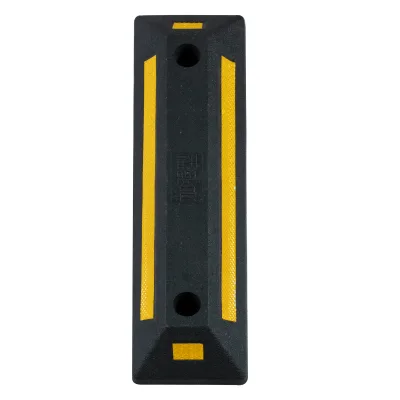


Comprehensive Sourcing Guide
Parking Vehicle Rubber Wheel Stopper Sourcing Guide
Sourcing parking vehicle rubber wheel stoppers requires a disciplined approach to aligning physical specifications with site-specific traffic management needs. These devices are critical infrastructure components designed to protect vehicles and property by providing a physical barrier at the end of a parking space. The procurement process must account for variations in material composition, dimensional tolerances, and installation requirements to ensure long-term durability and safety. Buyers must navigate a market where products vary significantly in weight, length, and compliance standards, making precise verification of supplier claims essential before committing to volume orders.
The following guide provides evidence-based procurement strategies for sourcing these products, focusing on technical verification, compliance documentation, and commercial risk mitigation. By adhering to the structured evaluation criteria outlined below, procurement teams can minimize the risk of receiving non-conforming goods and ensure that the selected wheel stoppers meet the operational demands of their specific facilities, whether they are private parking lots, public roadways, or railway environments.
Product Scope and Observed Listing Signals
The observed product landscape for parking vehicle rubber wheel stoppers reveals a diverse range of configurations tailored to different load-bearing and spatial requirements. Listings indicate that these products are primarily constructed from rubber, often combined with plastic components for the stopper mechanism itself, ensuring resilience against weather and impact. The application scope extends beyond standard parking lots to include road construction, railway environments, and tunnels, suggesting that buyers must carefully match the product’s intended use with its structural capabilities. The presence of customization options, such as logo placement and specific color choices like yellow or white tape, indicates that many suppliers offer tailored solutions for branding and visibility needs.
Dimensional data from observed listings highlights significant variability in product sizes, which directly impacts installation planning and space utilization. Common lengths observed include 56cm, 60cm, 900mm, 1650mm, and 1830mm, with corresponding widths typically around 150mm and heights near 100mm. Weight specifications also vary considerably, ranging from approximately 4.2kg to 16kg, reflecting differences in material density and structural reinforcement. Buyers should note that while some listings specify exact models like DWQ-001 or RX-DWQ-16R-02, others provide generic standard codes, necessitating direct confirmation of physical dimensions and material composition with the supplier to avoid mismatches in site installation.
Technical Specifications to Verify
Verifying the precise dimensional and material specifications is the first critical step in the procurement process to ensure compatibility with existing parking infrastructure. Buyers must confirm the exact length, width, and height of the wheel stopper, as deviations from standard sizes can lead to improper vehicle alignment or insufficient protection. For instance, while some products are listed with a length of 560mm and a bottom width of 150mm, others may extend to 1830mm with a top width of 55mm, indicating a tapered design. It is essential to request detailed technical drawings or physical samples to verify these measurements, ensuring that the selected product fits the designated parking space without obstructing adjacent lanes or pedestrian walkways.
Material composition and weight are equally important factors that influence the durability and stability of the wheel stopper. The primary material is typically rubber, but the inclusion of plastic in the stopper component can affect impact resistance and longevity. Weight serves as a proxy for material density and structural integrity; heavier units, such as those weighing 14kg or 16kg, generally offer greater stability against vehicle impact compared to lighter variants. Buyers should verify the specific material grade and any additives used to enhance UV resistance or flexibility, as these factors determine the product’s performance in varying climatic conditions. Additionally, confirming the packing method, whether in woven bags or on wooden pallets, is crucial for protecting the product during transit and preventing deformation.
Compliance and Safety Documentation
Ensuring that the wheel stoppers meet relevant safety and quality certifications is vital for liability management and regulatory compliance. Observed listings indicate that suppliers may provide certifications such as ISO, CE, ASTM, and AS/NZS, which serve as indicators of adherence to international quality and safety standards. Buyers must request valid certification documents and verify their authenticity with the issuing bodies, as the presence of a certification mark alone does not guarantee that the specific batch of products has been tested and approved. It is particularly important to confirm that the certifications cover the specific material composition and dimensional specifications of the ordered products, as standards can vary based on product type and application.
Safety features, such as high-visibility coloring and reflective elements, are critical for preventing accidents, especially in low-light conditions or busy parking areas. Many products are available in black and yellow color schemes, often with yellow or white tape for enhanced visibility. Buyers should verify the reflectivity and durability of these safety features, ensuring that they meet local traffic safety regulations. Additionally, the application scope, whether for parking, road, railway, or tunnel use, may dictate specific safety requirements that must be documented and verified. Procurement teams should ensure that the supplier provides clear documentation on the product’s safety performance, including any test results related to impact resistance and slip resistance.
Cost Drivers and Commercial Terms
Understanding the factors that influence the cost of parking vehicle rubber wheel stoppers is essential for effective budgeting and negotiation. Key cost drivers include the material composition, dimensional size, weight, and the level of customization required. Larger and heavier units, such as those with a length of 1830mm and a weight of 16kg, typically command higher prices due to the increased material usage and manufacturing complexity. Customization options, such as logo printing or specific color combinations, may also incur additional charges. Buyers should request detailed cost breakdowns to understand how these factors impact the final price and identify opportunities for cost optimization without compromising quality.
Commercial terms, including minimum order quantities (MOQ), payment terms, and lead times, play a significant role in the overall procurement strategy. Observed listings suggest that MOQs can range from 1 to 1000 units, allowing for flexibility in order sizes depending on the project scale. Buyers should negotiate favorable payment terms, such as partial upfront payments and balance upon delivery, to mitigate financial risk. Additionally, confirming lead times is crucial for project planning, as delays in production or shipping can impact installation schedules. It is also important to clarify the shipping terms, including who is responsible for freight costs and insurance, to avoid unexpected expenses.
Supplier Qualification and Quality Control
Evaluating supplier qualifications and implementing robust quality control measures are essential for ensuring the reliability and consistency of the supplied wheel stoppers. Buyers should verify the supplier’s manufacturing capabilities, including their production capacity, quality management systems, and experience in producing rubber products. Suppliers originating from regions like Sichuan, China, may have established supply chains and expertise in rubber manufacturing, but buyers must still conduct thorough due diligence to confirm their ability to meet specific quality standards. Requesting references from previous clients and conducting site visits, if possible, can provide valuable insights into the supplier’s operational practices and quality control processes.
Implementing a comprehensive quality control plan is crucial for detecting and addressing defects before the products are shipped. This plan should include pre-production samples approval, in-process inspections, and final random inspections based on accepted quality limits. Buyers should define clear acceptance criteria for dimensional accuracy, material integrity, and visual appearance, and ensure that the supplier adheres to these standards. Additionally, establishing a clear communication channel for addressing quality issues and defining remedies for non-conforming products is essential for maintaining a productive supplier relationship. Regular audits and performance reviews can help identify areas for improvement and ensure continuous quality enhancement.
Long-Term Procurement Checks
Establishing long-term procurement checks is vital for maintaining the quality and performance of parking vehicle rubber wheel stoppers over time. Regular monitoring of supplier performance, including delivery reliability, product consistency, and responsiveness to issues, is essential for identifying potential problems early. Buyers should track key performance indicators (KPIs) such as defect rates, on-time delivery percentages, and customer satisfaction scores to evaluate the supplier’s ongoing performance. This data-driven approach allows for informed decision-making and facilitates constructive discussions with the supplier regarding areas for improvement.
Continuous improvement initiatives, such as periodic reviews of product specifications and market trends, can help ensure that the procured wheel stoppers remain relevant and effective. Buyers should stay informed about advancements in rubber technology, safety standards, and installation techniques to identify opportunities for upgrading their parking infrastructure. Engaging in regular dialogue with the supplier about future needs and potential product enhancements can foster a collaborative relationship and drive innovation. By maintaining a proactive approach to procurement, buyers can ensure that their parking facilities remain safe, efficient, and compliant with evolving regulatory requirements.
FAQs
What are the standard dimensions for parking vehicle rubber wheel stoppers?
Standard dimensions vary by model, with common lengths including 560mm, 600mm, 900mm, 1650mm, and 1830mm. Widths typically measure 150mm, while heights are generally 100mm. Specific models like DWQ-001 and RX-DWQ-16R-02 follow these standard size profiles for effective vehicle parking.
Can I customize the logo on these rubber wheel stoppers?
Yes, customization is available for logos on the product surface. Buyers can request specific branding to be printed on the rubber wheel stoppers. This service allows for personalized identification while maintaining the standard structural integrity and material composition of the stopper.
Which certifications do these parking wheel stoppers typically hold?
These products commonly hold ISO, CE, ASTM, and AS/NZS certifications. These standards ensure the rubber and plastic materials meet international safety and quality requirements. Buyers should verify specific certification documents for each model to confirm compliance with local regulations.
How much does a single rubber wheel stopper weigh?
Weights vary by model size, ranging from 4.2kg to 16kg per unit. Smaller units like the 560mm length weigh approximately 4.2kg to 4.5kg, while larger 1830mm models can weigh up to 16kg. Packaging is typically done in woven bags or on pallets for shipping.
What materials are used to manufacture these wheel stoppers?
The primary materials are rubber and plastic, designed for durability and weather resistance. The stoppers often feature a black and yellow color scheme for high visibility. These materials ensure the product withstands heavy vehicle loads and various environmental conditions in parking areas.
Where are these parking wheel stoppers manufactured?
Manufacturing origins include China, with specific production sites located in Sichuan. The products are exported globally from these facilities. Buyers can expect consistent quality control measures applied during the production process in these designated Chinese manufacturing regions.
What is the typical packaging method for these rubber stoppers?
Products are typically packed in woven bags or on wooden pallets for secure transport. This packaging method protects the rubber and plastic components during shipping. The choice between bags and pallets may depend on the order quantity and specific logistics requirements of the buyer.