Find Height Adjustable Standing Desk for Offices, Homes, and Studios
Source 30 Height Adjustable Standing Desk models with electric motors, solid wood or manmade board tops, and customizable sizes. Buyers can compare leg materials, weight capacities, and safety features like anti-collision protection across multiple suppliers.
Key considerations
Products List


Electric Standing Desk Height-Adjustable Desk for Modern Home Office Workstation
$294.00 - $304.00
MOQ: 10 Pieces

$43.00 - $47.50
MOQ: 100 Pieces


High Quality Adjustable Standing Sit to Stand Modern Design Office Desk
$64.00 - $66.00
MOQ: 100 Pieces


Modern Office Furniture Standing Desk Rising Height Adjustable Sit Stand Desk
$396.00 - $426.00
MOQ: 2 Pieces
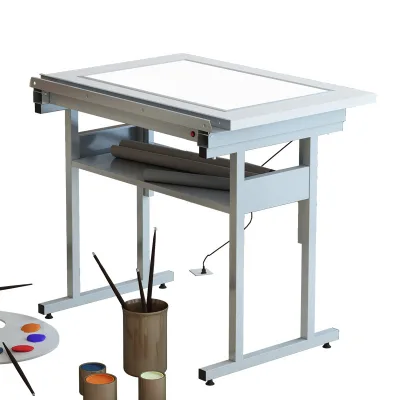


Electric Riser Desk Height Adjustable Computer Desk Sit & Standing Desk
$120.00 - $160.00
MOQ: 10 Pieces


Comprehensive Sourcing Guide
Strategic Sourcing Guide for Height Adjustable Standing Desks
The global shift toward ergonomic workplace solutions has elevated the Height Adjustable Standing Desk from a niche luxury to a standard requirement for modern office environments. For procurement professionals, navigating the supply chain for these electric and manual lifting mechanisms requires a disciplined approach that balances technical specifications, compliance verification, and cost efficiency. This guide synthesizes available market data to provide a framework for evaluating suppliers and products without relying on unverified claims or speculative market figures.
Technical Specifications and Mechanical Performance
When evaluating a Height Adjustable Standing Desk, the primary focus must be on the mechanical integrity of the lifting system. The core component is the motor assembly, which dictates the speed, stability, and load-bearing capacity of the unit. In the current market, single-motor systems are common for lighter loads, while dual-motor configurations are generally preferred for heavier desktops and enhanced stability. Buyers should verify the number of stages in the leg assembly; two-stage legs are standard for most applications, offering a typical height adjustment range that accommodates both seated and standing postures.
Specific performance metrics must be scrutinized against actual product data. For instance, the speed of elevation is a critical factor for user convenience. Observed data indicates speeds ranging around 20mm/s, which translates to approximately 0.79 inches per second. This speed ensures that the transition between sitting and standing is efficient without causing excessive delay. Furthermore, the height adjustment range is a vital specification. Market observations show ranges such as 730mm to 1180mm (28.74 to 46.46 inches) or 710mm to 1190mm (27.95 to 46.85 inches). These ranges are designed to accommodate the 5th to 95th percentile of the adult population, ensuring ergonomic suitability for diverse workforces.
Load capacity is another non-negotiable technical parameter. The frame must support the weight of the desktop, monitors, and peripheral equipment without sagging or motor strain. Verified data points to a loading capacity of 80kg (176.4 lb) for certain models, while others support up to 120kg. Procurement teams must ensure the selected model's capacity exceeds the anticipated total load by a safety margin. The desktop material also plays a role in the overall weight and durability. Options include solid wood, which offers a premium aesthetic but adds significant weight, and man-made board, which provides a lighter alternative often paired with edge banding of specific thicknesses, such as 1.1mm.
Compliance, Certification, and Safety Standards
In the B2B procurement landscape, compliance is not merely a formality but a risk mitigation strategy. Products entering the global market, particularly in Europe and North America, must adhere to strict safety and environmental regulations. Buyers should prioritize suppliers who can provide documentation for recognized certifications such as CE, RoHS, and Reach. These certifications indicate that the product meets European safety standards, restricts the use of hazardous substances, and complies with chemical regulations.
Safety features are equally critical in the design of the desk. Anti-collision protection is a standard safety mechanism that detects obstacles during the lifting process and reverses the motor to prevent damage to the equipment or injury to the user. This feature is essential for high-traffic office environments where the desk may be adjusted frequently. Additionally, the stability of the desk when fully extended must be verified. The frame color and construction, often available in white or other custom finishes, should not compromise the structural integrity of the unit.
Standardization is another area requiring attention. While some products adhere to specific size standards like 120*60cm, others offer multiple sizes or custom dimensions. The standard range for desk height often falls between 1080mm and 1650mm in specific contexts, though this may refer to specific product lines rather than a universal industry standard. Buyers must verify that the product's standard dimensions align with their office layout requirements. The condition of the product should always be "New," and the packaging must be robust, typically utilizing high-quality cardboard boxes with specialized bubble wrap or colorful boxes to prevent transit damage.
Cost Drivers and Pricing Dynamics
Understanding the cost structure of height adjustable standing desks is essential for budget planning. The observed price range in the market spans from 40 to 426 USD, a wide variance that reflects differences in materials, motor quality, and customization levels. Several factors drive these costs. The primary driver is the desktop material; solid wood desks command a higher price point compared to those made from man-made board. The complexity of the lifting mechanism also influences cost, with dual-motor systems generally being more expensive than single-motor alternatives.
Customization is a significant cost variable. While standard models are available, the ability to customize color, size, and finish adds to the production complexity and price. Suppliers offering "Customized" colors or specific design styles, such as "Modern" or "Classic," may charge a premium. The Minimum Order Quantity (MOQ) also impacts the unit cost. Data indicates an MOQ range from 1 to 100 pieces. Orders placed at the lower end of the MOQ spectrum often carry a higher per-unit cost due to the setup and production inefficiencies associated with small batches. Conversely, larger orders can leverage economies of scale to reduce the price per unit.
Packaging requirements can also affect the final landed cost. Specialized packaging, such as high-quality cardboard boxes with bubble wrap, ensures product safety but adds to the material and logistics expenses. Buyers should evaluate whether the cost of premium packaging is justified by the value of the product and the risk of damage during shipping. Additionally, the origin of the product, often cited as China or specific provinces like Zhejiang and Ningbo, influences logistics costs and lead times, which are indirect cost drivers in the procurement process.
Typical Applications and Design Integration
Height adjustable standing desks are versatile solutions applicable across various sectors. The "Modern" design style is particularly prevalent in contemporary office environments, catering to companies seeking a sleek, professional aesthetic. However, "Classic" styles are also available for organizations with traditional interior design preferences. The ability to customize the desk to match specific office themes makes these units adaptable to diverse corporate cultures.
The functional application extends beyond general office work. The "Electric Standing Desk" type is ideal for environments where users require frequent posture changes to maintain productivity and health. The "Panel" wood style offers a clean, professional look suitable for executive offices or meeting rooms. In contrast, the "Single" size specification may be more appropriate for individual workstations or smaller office spaces. The "Folded" and "Unfolded" states of certain models suggest versatility for temporary setups or space-constrained areas.
Design integration is crucial for successful deployment. The desk must fit seamlessly into the existing office layout. The adjustable angle feature allows for fine-tuning the workspace to the user's specific needs, enhancing comfort. The "Morden Office Furniture" design category emphasizes functionality and aesthetics, ensuring that the desk serves as a central piece of the workspace. Buyers should consider the visual impact of the frame color, such as white, and how it complements the overall office decor. The "High Quality" attribute, while subjective, should be interpreted as a commitment to durability and finish, ensuring the desk withstands daily use.
Supplier Evaluation and Quality Control
Selecting the right supplier is a critical step in the procurement process. Buyers should look for suppliers that offer sample services, allowing for physical inspection of the product before committing to a large order. This "Sample Service: Yes" capability is a strong indicator of a supplier's confidence in their product quality. The ability to support customization is another key evaluation criterion, as it demonstrates the supplier's flexibility and manufacturing capability.
Quality control measures must be rigorous. The "High Qualty" attribute observed in product listings should be validated through third-party testing or on-site audits. Buyers should verify the consistency of the edge banding thickness, such as the 1.1mm standard, and ensure that the desktop material is free from defects. The "New" condition of the product must be guaranteed, with no signs of prior use or damage. Packaging integrity is also a quality indicator; the use of specialized bubble wrap and high-quality cardboard boxes suggests a commitment to protecting the product during transit.
Supplier reliability is paramount. The origin of the product, whether from China, Zhejiang, or Ningbo, should be verified to ensure the supplier has a proven track record in manufacturing and exporting. The lead time, though not explicitly detailed in the provided data, is a critical factor for project planning. Buyers should establish clear communication channels to monitor production progress and ensure timely delivery. The "Customization: Support Customization" feature implies a collaborative relationship between the buyer and the supplier, requiring clear specifications and regular updates.
Long-Term Procurement Considerations
Sourcing height adjustable standing desks is not a one-time transaction but a long-term investment in employee well-being and operational efficiency. Buyers should consider the lifecycle of the product, including maintenance, warranty, and potential for replacement. The "High Quality" designation suggests a longer lifespan, but regular maintenance checks are necessary to ensure the motor and lifting mechanisms continue to function correctly.
Scalability is another important consideration. As the organization grows, the ability to order additional units with consistent specifications is crucial. The MOQ range of 1 to 100 pieces offers flexibility for both small and large orders, allowing companies to scale their procurement strategy as needed. The "Customized" color and size options ensure that future purchases can maintain a consistent brand identity across the organization.
Finally, sustainability should be a key factor in long-term planning. The use of man-made board versus solid wood has different environmental implications, and buyers should align their choices with their corporate sustainability goals. Certifications like RoHS and Reach indicate a commitment to environmental responsibility, reducing the risk of non-compliance with future regulations. By focusing on these long-term aspects, procurement professionals can ensure that their investment in height adjustable standing desks delivers lasting value and supports the health and productivity of their workforce.
FAQs
What materials are used for the desktop and legs?
Desktops are made from solid wood or man-made board, while legs are constructed from metal. This combination ensures durability and stability for various office environments.
Can I customize the color and size of the desk?
Yes, customization is available for colors like black, white, gray, and walnut, as well as specific sizes. Suppliers support custom dimensions to fit unique office layouts.
What is the weight capacity of the electric standing desk?
The loading capacity ranges from 80kg to 120kg depending on the specific model selected. This supports standard office equipment including monitors and computers without strain.
Which certifications do these desks typically hold?
Many models hold CE, RoHS, and Reach certifications to ensure safety and environmental compliance. These standards verify the product meets strict European regulations for hazardous substances.
How fast does the desk adjust its height?
The motor speed is approximately 20mm per second or 0.79 inches per second. This speed allows for efficient transitions between sitting and standing postures during the workday.
What is the minimum order quantity for these desks?
The minimum order quantity ranges from 1 to 100 pieces depending on the supplier and customization needs. Small batches are possible, but larger orders may offer better pricing.
Where are these desks manufactured and shipped from?
Products originate from China, specifically regions like Zhejiang and Ningbo. This location influences shipping logistics and lead times for international procurement orders.