Source High Digging Power Komamax Bulldozer for mining, construction, and land clearing
Explore 30 listings for the High Digging Power Komamax Bulldozer to compare engine power, transmission types, and working hours. Buyers can evaluate specifications from various origins including China and Japan to find suitable models for heavy-duty earthmoving tasks.
Key considerations
Products List


Secondhand Komatsu D155axcrawler Bulldozer, Used Komatsu Bulldozer for Sale
$65000.00 - $71000.00
MOQ: 1 Pieces


Earth-Moving Machine Construction Bulldozer 197HP Mini Dozer Bulldozer
$50000.00 - $80000.00
MOQ: 1 Pieces


Pengpu Bulldozer Dozer Mini Bulldozer Crawler Bulldozer Small Bulldozer
$10000.00 - $65000.00
MOQ: 1 Pieces


Bulldozer HD16 High Power 160HP Crawler Bulldozer with Ripper Good Quality
$57800.00 - $62000.00
MOQ: 1 set

Low Price Bulldozer HD16 Standard Bulldozer with Core Engine Component
$56000.00 - $60000.00
MOQ: 1 set

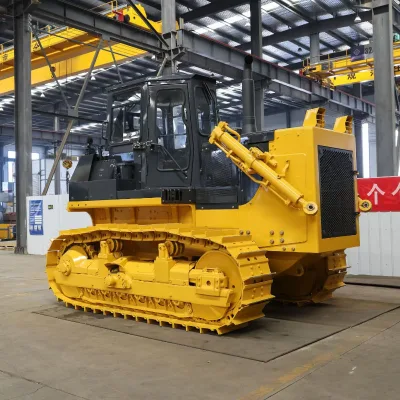
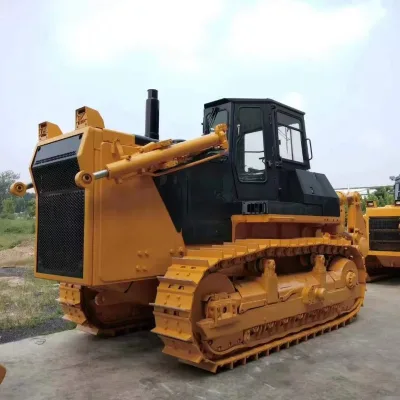
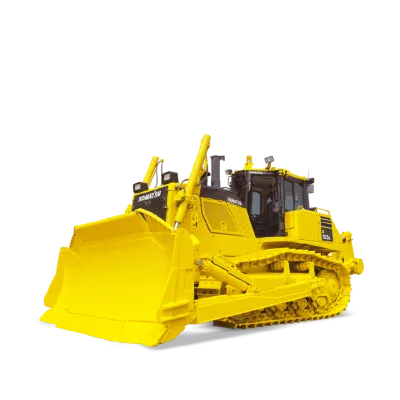
Shanbo High Quality Good Condition High Quality Used Dozer Bulldozers 16 Ton 131KW
$54300.00 - $54516.00
MOQ: 1 pieces
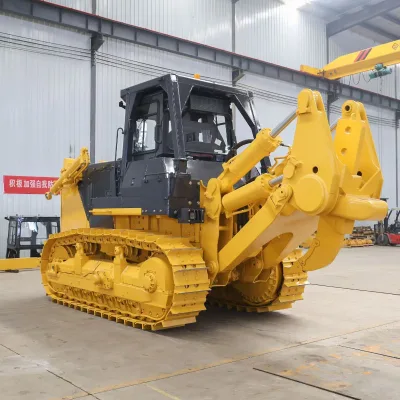
Bulldozer 130HP 13 Tons Pat Blade 13tons Ripper Standard Hydrostatic Eac ISO9001
$138725.00 - $138770.00
MOQ: 1 pieces


Crawler Type High Efficiency Hydraulic Bulldozer Working Efficiency 22 Tons Bulldozer for Sale
$120000.00 - $130000.00
MOQ: 1 Pieces

Comprehensive Sourcing Guide
Strategic Sourcing Guide for High-Digging Power Komamax Bulldozers
Understanding the Technical Profile of High-Power Bulldozers
When sourcing a machine described as a "High Digging Power Komamax Bulldozer," buyers must first align their expectations with the specific technical realities of the available inventory. The term "Komamax" in this context often refers to a specific configuration or branding associated with high-output earthmoving equipment, yet the actual market data reveals a diverse range of specifications rather than a single monolithic product line. The core of any high-power bulldozer lies in its engine and transmission systems, which dictate its ability to penetrate dense soil and maintain momentum during aggressive digging operations.
The observed product attributes indicate that engines in this category typically range from 147 kW to 515 kW. This wide variance suggests that "high digging power" is relative to the specific model selected. For instance, some units are equipped with a 230 HP motor, while others in the same category may feature a 110 kW or 187 kW engine. The power source is consistently identified as a diesel engine, with specific mentions of Weichai as a manufacturer in certain listings. The transmission systems vary significantly, with options including hydraulic-mechanical transmission, pure hydraulic transmission, and power transmission. For high-digging applications, the hydraulic-mechanical transmission is often preferred as it offers a balance of torque multiplication and speed control necessary for heavy blade loading.
The walking mode for these machines is predominantly crawler-based, which is essential for providing the stability and traction required for high-force digging. The type of machine is generally classified as "Special Type" or "Universal Type," depending on the specific model configuration. The working hours observed in the market data range from 2001 to 4000 hours, indicating that a significant portion of the available inventory consists of used or refurbished units rather than brand-new machinery, despite some listings specifying a "New" condition. Buyers must carefully distinguish between new units and those with substantial operational history when evaluating the remaining service life of the digging components.
Compliance and Certification Verification Protocols
In the global procurement of heavy earthmoving equipment, verifying compliance with international standards is not merely a formality but a critical risk mitigation strategy. The provided data highlights specific certifications that are frequently associated with these bulldozers, namely CE and ISO9001. These certifications are observed in conjunction with specific product attributes, such as color and condition. For example, CE and ISO9001 certifications are noted alongside yellow-colored units and new condition machines. However, it is imperative for buyers to treat these as observations of specific listings rather than universal guarantees for every unit in the category.
The origin of the machinery plays a significant role in the certification landscape. Listings indicate origins from both China and Japan. Chinese-manufactured units, such as those with the model designation CNMC-4T or CNMC-3T, are often associated with the <4 Ton standard, while Japanese-origin models, like the D155AX or SD series, may adhere to different weight and dimensional standards. The SD series, for instance, is associated with a standard weight of 6880mm4130mm3725 mm and a machine weight of 25400kg. Buyers must verify that the specific certification documents provided for a unit match the country of origin and the specific model number, as standards can vary by region and manufacturer.
Furthermore, the "Automatic Grade" of the machinery is listed as "Full-Automatic" in some contexts, which implies a level of operational sophistication that may require specific compliance checks for safety and emissions. The warranty period observed is typically 1 year, which serves as a baseline for post-purchase support. When evaluating compliance, buyers should request the original certification certificates directly from the supplier and cross-reference them with the model specifications. It is crucial to note that while CE and ISO9001 are mentioned, the exact scope of these certifications (e.g., whether they cover the engine, the hydraulic system, or the entire assembly) must be clarified during the due diligence phase.
Cost Drivers and Pricing Structure Analysis
The pricing landscape for high-power bulldozers is characterized by extreme volatility, driven by factors such as age, origin, and specific configuration. The observed price range in the market spans from 1 USD to 157,000 USD. This vast disparity is not indicative of a single product's value but rather reflects the inclusion of various data points, including parts, accessories, or potentially symbolic listing prices alongside actual machine valuations. For a functional high-power bulldozer, the price is heavily influenced by the engine power, which ranges from 147 kW to 515 kW. A unit with a 515 kW engine will naturally command a higher price than one with a 110 kW engine, assuming similar condition and origin.
Other significant cost drivers include the working hours and the condition of the machine. Units with working hours between 2001 and 4000 hours represent a mid-to-high usage category, which typically lowers the acquisition cost compared to "New" condition units. The "New" condition listings, such as those with a 2025 year of manufacture, are likely positioned at the premium end of the price spectrum. Additionally, the brand plays a substantial role; models identified with the "Komatsu" brand are generally associated with higher market value due to brand reputation and parts availability.
The Minimum Order Quantity (MOQ) is consistently observed as 1 PC, which facilitates single-unit procurement for most buyers. However, the "Standard" weight and "Standard" packing (wooden case or ship) can influence logistics costs. For heavy units like the SD26 series with a weight of 23450kg, shipping costs can be a significant portion of the total landed cost. Buyers should also consider the "Factory Inspection" support offered by suppliers, as this service may be included in the price or charged separately. When analyzing cost, it is essential to look beyond the listed price and factor in the total cost of ownership, including maintenance, fuel efficiency, and the potential for higher downtime on older units with higher working hours.
Typical Applications and Operational Capabilities
High-digging power bulldozers are engineered for demanding environments where standard earthmoving equipment may struggle. The primary application for these machines is in large-scale construction, mining, and land reclamation projects. The "Front Discharge" load and unload method indicates that these units are designed for efficient material handling in scenarios where rapid cycle times are critical. The "Special Type" classification suggests that these bulldozers are often customized for specific tasks, such as pushing heavy loads over rough terrain or performing precise grading in confined spaces.
The digging capability is further enhanced by the "Full-Automatic" grade, which allows for consistent blade control and reduced operator fatigue during long shifts. The ground pressure of 0.067 MPa is a critical specification for applications involving soft or unstable ground, as it minimizes the risk of the machine sinking while maintaining high digging force. The blade capacity, observed at 4.5 cubic meters for certain models, and the dozing capacity ranging from 4.7 to 7.5 cubic meters, highlight the machine's ability to move substantial volumes of material in a single pass.
These machines are particularly effective in scenarios requiring high torque and stability, such as clearing dense vegetation, moving rock, or preparing foundations for large structures. The "Hydraulic Cylinder Brand: Original" specification suggests that the hydraulic systems are designed to withstand the high pressures generated during intense digging operations. The "Max. Tilt Adjustment" of 400mm provides the flexibility needed for complex grading tasks, allowing the operator to adjust the blade angle to optimize material flow. Whether used in a quarry or a major infrastructure project, the high-power bulldozer serves as a workhorse capable of delivering consistent performance under heavy loads.
Supplier Evaluation and Quality Control Measures
Selecting a reliable supplier for high-power bulldozers requires a rigorous evaluation process that goes beyond simple price comparison. The "Factory Inspection" support mentioned in the product attributes is a key indicator of supplier transparency and quality commitment. Buyers should prioritize suppliers who offer this service, as it allows for a direct assessment of the machine's condition, engine performance, and hydraulic system integrity before purchase. The "Support" attribute suggests that the supplier is willing to facilitate on-site verification, which is crucial for high-value transactions.
Quality control should focus on verifying the core components of the bulldozer, specifically the engine, hydraulic pump, and distributor. These are listed as the "Core" of the machine, and their condition is paramount to the overall performance. Buyers should request detailed maintenance records, especially for units with 2001-4000 working hours, to understand the history of these critical components. The "Hydraulic Cylinder Brand: Original" claim should be verified against the physical serial numbers and manufacturer documentation to ensure authenticity.
The "Customization: Available" attribute indicates that suppliers may offer tailored solutions, but this also introduces complexity. Buyers must clearly define their customization requirements and ensure that the supplier has the technical capability to deliver them without compromising the machine's structural integrity. The "Wooden Case" and "Ship" packing methods suggest that the supplier has experience in international logistics, but buyers should verify the packing standards to prevent damage during transit. Additionally, the "Warranty: 1 Year" should be reviewed in detail to understand the coverage scope, including whether it covers the engine and hydraulic systems or is limited to specific parts.
Long-Term Procurement and Lifecycle Management
Procuring a high-power bulldozer is a long-term investment that requires careful consideration of the machine's lifecycle and total cost of ownership. The "Year of Manufact: 2025" for some units indicates access to the latest technology, while others with higher working hours may require more frequent maintenance and part replacements. Buyers should plan for a maintenance schedule that aligns with the machine's usage intensity, particularly for the "Diesel Engine" and "Hydraulic Pump" which are subject to wear and tear.
The "Standard" weight and "Standard" packing imply that the machine is designed for standard logistics, but the "40560kg" standard for certain models suggests that heavy transport regulations may apply. Buyers should factor in the cost of specialized transport and the availability of spare parts for the specific model, such as the SD26 or D155AX. The "Brand: Komatsu" units may offer better parts availability in certain regions, which can reduce downtime and maintenance costs over the long term.
Furthermore, the "Automatic Grade: Full-Automatic" feature may require specialized training for operators to maximize efficiency and minimize wear. Buyers should consider the cost of training programs as part of the procurement budget. The "1 Year" warranty provides a safety net for initial issues, but long-term reliability will depend on the quality of the initial purchase and the ongoing maintenance regimen. By carefully evaluating the technical specifications, supplier capabilities, and lifecycle costs, buyers can make informed decisions that ensure the high-power bulldozer delivers optimal performance throughout its operational life.
FAQs
What engine power range is available for these bulldozers?
Engine power ranges from 147 to 515 kilowatts depending on the specific model selected. Some units feature a 230 HP motor while others may have 110 kW or 187 kW engines. Buyers should verify the exact power rating for their intended application.
Which transmission types are offered for high digging power models?
Available transmission systems include hydraulic-mechanical, pure hydraulic, and power transmission configurations. Hydraulic-mechanical transmission is often preferred for balancing torque and speed during heavy digging operations. The specific type depends on the model and manufacturer.
Can I find new condition bulldozers with a 2025 manufacturing year?
Yes, new condition units with a 2025 year of manufacture are available in the current inventory. These premium listings typically command higher prices compared to used units with significant working hours. Buyers should confirm the condition status before purchasing.
What certifications are commonly associated with these machines?
CE and ISO9001 certifications are frequently observed on yellow-colored and new condition units. These certifications appear alongside specific product attributes but are not universal guarantees for every listed machine. Buyers must verify certificates match the specific model and origin.
How is the minimum order quantity defined for these bulldozers?
The minimum order quantity is consistently set at one piece for single-unit procurement. This allows buyers to purchase individual machines without needing to meet bulk order thresholds. The standard packing includes wooden cases or ship loading options.
Which blade capacities are available for dozing operations?
Blade capacities vary by model, with specific units offering 4.5 cubic meters or dozing capacities ranging from 4.7 to 7.5 cubic meters. These capacities enable the movement of substantial material volumes in a single pass. The exact capacity depends on the machine model selected.
What warranty period is typically provided for these bulldozers?
A standard warranty period of one year is typically provided for these heavy earthmoving machines. This warranty serves as a baseline for post-purchase support but coverage scope varies by supplier. Buyers should review the specific terms for engine and hydraulic system coverage.
Can I request factory inspection support before purchasing?
Yes, factory inspection support is available to facilitate direct assessment of machine condition and performance. This service allows buyers to verify engine, hydraulic pump, and distributor integrity before finalizing the transaction. It is a key indicator of supplier transparency and quality commitment.