Source High Frequency LCP Connector for Automotive, Medical, and Telecom
Explore 30 listings for High Frequency LCP Connector options suitable for automotive parts, medical grade components, and communication terminal equipment. Buyers can compare specifications including material grades, impedance, and housing types from verified suppliers.
Key considerations
Products List
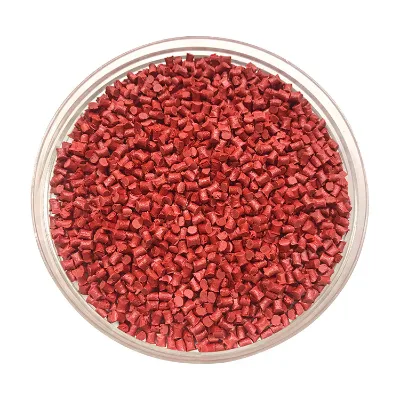


Versatile RF Connector with High-Temperature Resistance and Long Service Life
$10.00 - $40.00
MOQ: 30 Pieces


Advanced RF Connector with Long Service Life and Temperature Resistance
$10.00 - $40.00
MOQ: 30 Pieces


Comprehensive Sourcing Guide
Strategic Sourcing Guide for High Frequency LCP Connectors
The procurement of high-frequency LCP (Liquid Crystal Polymer) connectors represents a critical decision point for buyers in the telecommunications, automotive, and consumer electronics sectors. These components are engineered to maintain signal integrity at microwave frequencies where traditional materials often suffer from excessive dielectric loss. The market offers a diverse array of products, ranging from general-purpose coaxial connectors to specialized FPC (Flexible Printed Circuit) interfaces. This guide synthesizes available product data and industry standards to provide a disciplined framework for sourcing, evaluating, and integrating these high-performance components into supply chains.
Technical Specifications and Material Composition
Understanding the physical and electrical characteristics of LCP connectors is the first step in any sourcing strategy. The core material, Liquid Crystal Polymer, is selected for its unique molecular structure which provides high crystallinity and low dielectric constant. This makes it ideal for high-frequency applications where signal loss must be minimized. In the observed product landscape, materials such as LCP are frequently paired with copper alloys for terminal contacts to ensure optimal conductivity.
Buyers must scrutinize the specific material grades available. The supply chain offers a wide spectrum of grades including molding, rotational molding, hollow, calendering, and injection molding grades. For high-frequency applications, the "High Flow" and "High Temperature Resistance" attributes are particularly relevant, as they ensure the material can withstand the thermal stresses of both manufacturing and operation. The housing materials also vary; while some products utilize Aluminum Alloy for shielding and structural integrity, others employ Nylon for cost-effective insulation.
Electrical specifications are equally critical. The observed data indicates that contact resistance is a key performance metric, with specific instances showing values around 3.8mΩ. Impedance matching is another vital parameter, with typical ranges observed between 85 and 100 Ohms, which aligns with standard 50-ohm systems when properly engineered. The operating frequency is generally categorized as "Low Frequency" in some contexts, yet the application data explicitly mentions "Microwave" and "Operating Wavelength" capabilities, suggesting a need for careful verification of the specific frequency band (e.g., 2.4 GHz, 5 GHz, or higher) for the intended use case. The interface type is noted as AC/DC, and the structure form often combines cable and connector assemblies.
Compliance, Certification, and Regulatory Standards
Navigating the regulatory landscape is essential for global procurement. The supply base demonstrates a commitment to various certifications, though buyers must verify the specific scope of these approvals for their target markets. Common certifications observed in the product listings include RoHS (Restriction of Hazardous Substances) and ISO standards. One specific entry mentions "ISOContact Material:Copper," indicating a potential focus on material safety and traceability. Additionally, MSDS (Material Safety Data Sheet) availability is noted, which is crucial for logistics and safety compliance.
Standards compliance extends beyond general certifications to specific industry benchmarks. The product data references standard "sj1744," which buyers should cross-reference with their internal quality requirements or regional regulatory bodies. For automotive and medical applications, additional verification is often required. The "Medical Grade" and "Automotive" applications listed in the product attributes suggest that some suppliers may offer materials compliant with stricter biocompatibility or automotive reliability standards, but this must be confirmed through direct supplier inquiry rather than assumed from general product tags.
When evaluating suppliers, buyers should request proof of certification for the specific batch of connectors. The presence of a certification tag on a product page does not guarantee that every unit in a shipment meets the standard. Verification of the "Contact Material" being Copper or Copper Alloy is also a standard check to ensure the electrical performance claims are backed by the correct metallurgy.
Cost Drivers and Pricing Dynamics
The pricing of high-frequency LCP connectors is influenced by a complex interplay of material costs, manufacturing complexity, and order volume. The observed price range in the market spans from $0.02 to $40.00 USD. This wide variance reflects the difference between simple passive components and complex, high-precision assemblies. The lower end of the spectrum typically corresponds to basic FFC/FPC connectors or standard coaxial types, while the higher end likely encompasses specialized microwave connectors with advanced shielding and tighter tolerances.
Order Volume is a primary cost driver. The Minimum Order Quantity (MOQ) ranges from 1 unit to 1,000 units. Buyers purchasing in small quantities (MOQ 1-100) will face a higher unit cost due to the setup and handling overheads associated with low-volume production runs. Conversely, bulk orders can leverage economies of scale, though the specific pricing tiers are not standardized across the market. The "Selling Units" are often listed as a "Multiple of 1," offering flexibility for prototyping, but larger production runs may require adherence to specific packaging multiples.
Other cost factors include the "Customization" availability. While customization is listed as available, it invariably incurs additional tooling and engineering costs. The "Fob Port" location, often cited as Shenzhen, influences logistics costs. Buyers must factor in shipping, insurance, and import duties when calculating the total landed cost. Payment terms such as TT (Telegraphic Transfer) and PayPal are common, but the specific terms (e.g., 30% deposit, 70% before shipment) will significantly impact cash flow and should be negotiated based on the order size and supplier relationship.
Typical Applications and Usage Scenarios
High-frequency LCP connectors are ubiquitous in modern electronics where signal integrity is paramount. The observed application data highlights several key sectors. In the Automotive industry, these connectors are used in advanced driver-assistance systems (ADAS), infotainment, and radar sensors, where vibration resistance and temperature stability are critical. The "Automotive parts" and "Medical Grade" attributes suggest suitability for both vehicle electronics and sensitive medical devices.
The Consumer Electronics sector relies heavily on these components for wireless communication modules. The "Microwave" application and "Communication" usage occasions point to their role in Wi-Fi, Bluetooth, and 5G modules within smartphones, tablets, and IoT devices. The "Terminal Equipment" and "PCB/FPC" applications indicate their use as interconnects on flexible circuits, allowing for compact and lightweight device designs.
Other notable applications include Home Appliance Components, where high-frequency signals may be used in smart home devices, and Wire and Cable Grades for data transmission. The "Sports Equipment" and "Optical Grade" mentions suggest niche applications in high-performance gear or specialized optical communication systems. Buyers should ensure that the connector's "Nature of Operation" (Communication) aligns with their specific signal transmission requirements, particularly regarding the "Operating Frequency" and "Impedance" specifications.
Supplier Evaluation and Geographic Considerations
Selecting the right supplier requires a thorough assessment of their capabilities and location. The product data indicates a concentration of manufacturing in Guangdong and Zhejiang, China, with a general "China" origin noted for many items. Shenzhen is frequently cited as the FOB (Free on Board) port, which is a major logistics hub for electronics manufacturing. Buyers should verify if the supplier is a direct manufacturer or a trading company, as this affects lead times and quality control capabilities.
The "Brand Name" field often shows "Uninko" or "CUSTOM," indicating that many suppliers operate under private label arrangements or generic branding. This is common in the connector industry, where OEMs often source unbranded components for integration into their own products. When evaluating suppliers, buyers should look for evidence of technical support, such as the ability to provide detailed datasheets, 3D models, and sample testing. The "Customization" attribute suggests that suppliers should be capable of adapting product dimensions, such as the "Mated Height" (2.50 - 9.60mm) or "Pitch" (0.5mm), to meet specific design needs.
Quality Control and Long-Term Procurement
Ensuring consistent quality is paramount for high-frequency components. The "Feature" list includes attributes like "Wear Resistance," "High Impact Resistance," and "Hydrolysis Resistance," which are essential for durability. However, these are observed attributes and must be validated through testing. Buyers should implement a rigorous quality control process that includes incoming inspection, functional testing for contact resistance and impedance, and environmental testing for temperature and humidity resistance.
The "Standard Grade" and "High Strength" features imply a baseline quality, but long-term reliability requires more than just meeting initial specifications. Buyers should consider the "Lead Time" and "Production Capacity" of the supplier, especially for large-scale production runs. The "MOQ" of 100 PCS for certain models suggests that suppliers may have minimum batch sizes that impact inventory management.
For long-term procurement, establishing a strategic partnership with a supplier who can provide consistent material grades (e.g., specific LCP grades for molding or injection) is vital. The "Support Card Number" and "Terminal Structure" details highlight the need for precise documentation and traceability. Buyers should also monitor the "Payment" terms and "Fob Port" logistics to ensure smooth supply chain operations. Regular audits and performance reviews will help maintain the high standards required for high-frequency applications, ensuring that the connectors continue to meet the rigorous demands of modern electronic systems.
Comparative Analysis of Connector Types
To assist in decision-making, the following table summarizes key attributes observed in the product data for different connector types. This comparison helps buyers distinguish between general-purpose components and specialized high-frequency solutions.
| Attribute | General Coaxial Connector | FPC/FFC Connector | High-Frequency LCP Assembly |
|---|---|---|---|
| Primary Material | LCP, Aluminum Alloy | Nylon, Copper Alloy | LCP, Copper Alloy |
| Typical Application | Microwave, Communication | PCB, FPC, Audio & Video | Automotive, Medical, 5G |
| Impedance | Variable (often 50Ω) | 85-100 Ohms | High Precision (50Ω/75Ω) |
| Contact Resistance | ~3.8mΩ (Observed) | Low (Specific to design) | Optimized for High Freq |
| Operating Freq | Low Frequency / Microwave | Low to High | Microwave / High Freq |
| Customization | Available | Available | High (Pitch, Height) |
| Certification | RoHS, ISO, MSDS | RoHS, ISO | RoHS, ISO, Medical Grade |
| MOQ Range | 1 - 1000 PCS | 1 - 1000 PCS | 100 PCS (Typical) |
This table illustrates that while there is overlap in materials and certifications, the specific application and frequency requirements dictate the choice of connector. Buyers must align their technical requirements with the specific attributes of the product to ensure optimal performance.
Conclusion
Sourcing high-frequency LCP connectors requires a balanced approach that combines technical precision with strategic supplier management. By focusing on material grades, certification compliance, and application-specific performance, buyers can mitigate risks and ensure the reliability of their electronic systems. The wide range of available options, from standard coaxial types to specialized FPC interfaces, offers flexibility, but it also demands rigorous evaluation. Adhering to the standards and verification processes outlined in this guide will empower buyers to make informed decisions that support the longevity and performance of their products in a competitive global market.
FAQs
What materials are used for high frequency LCP connectors?
The core material is Liquid Crystal Polymer, often paired with copper or copper alloy terminals. Housing options include aluminum alloy for shielding or nylon for insulation. Specific grades like molding and injection molding are available for different manufacturing needs.
Which certifications are available for these connectors?
Common certifications include RoHS, ISO, and MSDS availability. Some products specify ISO contact material standards for copper. Buyers should verify specific batch approvals for automotive or medical grade requirements before procurement.
How is the contact resistance specified for these components?
Contact resistance is a key performance metric, with observed values around 3.8mΩ. Impedance typically ranges between 85 and 100 Ohms to match standard systems. This ensures optimal conductivity for high-frequency signal transmission.
Can I find suppliers with low minimum order quantities?
Yes, minimum order quantities range from 1 to 1000 units depending on the supplier. Some models list an MOQ of 100 pieces, while others allow single unit purchases. Customization may affect these volume thresholds significantly.
What are the typical applications for high frequency LCP connectors?
These connectors serve automotive parts, medical devices, and consumer electronics like Wi-Fi modules. They are also used in optical grade applications and home appliance components. The microwave frequency capability supports communication terminal equipment.
Where are the primary manufacturing locations for these products?
Manufacturing is concentrated in Guangdong and Zhejiang provinces in China. Shenzhen is frequently cited as the FOB port for shipping. Buyers should verify specific factory locations against their logistical requirements.
What payment terms are commonly accepted by suppliers?
Standard payment methods include Telegraphic Transfer and PayPal. Terms vary by order size and supplier relationship. Buyers should negotiate specific deposit and balance percentages to manage cash flow effectively during procurement.