Source High Frequency I-Shaped Inductor for Power, Choke, Protection
Compare 30 listings for high frequency i-shaped inductor options including variable and fixed values. Buyers can evaluate specifications like winding structure, core material, and working frequency for power and choke applications.
Key considerations
Products List


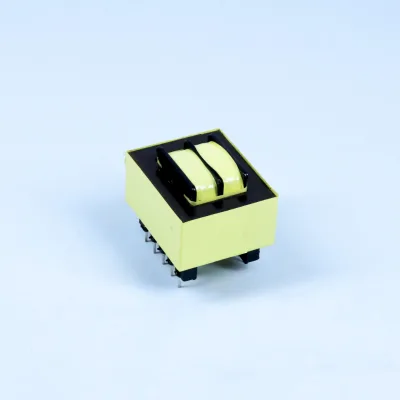
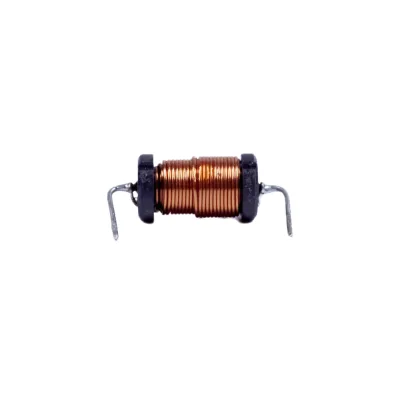


Efficient Inductor Designed for 10kHz to 500kHz Frequency Applications
$10.00 - $100.00
MOQ: 10 Pieces


Comprehensive Sourcing Guide
Strategic Sourcing Guide for High Frequency I-Shaped Inductors
Procuring high-frequency I-shaped inductors requires a rigorous approach that balances technical precision with supply chain reliability. These components are critical in power electronics, where the ability to manage electromagnetic interference and store energy efficiently at elevated frequencies determines system stability. The market presents a diverse array of options, ranging from variable inductors designed for tuning applications to fixed inductors optimized for specific power ranges. Buyers must navigate a landscape where product attributes vary significantly between suppliers, necessitating a detailed understanding of specifications, manufacturing standards, and operational constraints before finalizing any procurement strategy.
Technical Specifications and Structural Variations
The technical landscape of high-frequency inductors is defined by the interplay between winding structures, core materials, and operating frequencies. In the context of I-shaped inductors, the physical geometry of the core and the method of winding are paramount. The available data indicates a variety of structural configurations, including hive coils, single coils, and multilayer coils. Each structure serves a distinct purpose; for instance, a hive coil structure may be preferred for specific high-frequency applications where magnetic flux distribution is critical, while a single coil structure might be utilized for simpler choke applications.
Core material selection is equally vital. The observed market includes inductors utilizing copper coils, iron core coils, and composite materials such as iron titanium aluminum. The choice of core material directly influences the inductor's saturation current, thermal stability, and efficiency at high frequencies. For high-frequency operations, the nature of the operation often leans towards choke coils, designed to block high-frequency AC signals while allowing DC to pass. The inductor value itself can be either fixed or variable, depending on the application's need for tunability. Variable inductors offer flexibility in circuit tuning, whereas fixed inductors provide consistent performance for stable power delivery.
Furthermore, the working frequency is a primary constraint. High-frequency inductors must be engineered to minimize parasitic capacitance and skin effect losses. The data highlights a specific product model, LA-DR081000-3R3R, which exemplifies the type of high-frequency components available. Buyers must verify that the selected inductor's frequency response aligns with their circuit's operating range. Dimensional specifications are often customized to meet customer requirements, with observed standard sizes ranging from compact chip inductances to larger power coils. For example, specific dimensions such as 24mm10mm9.5mm or 404015mm have been noted, but these are not universal standards. Instead, they represent specific product configurations that buyers should request detailed datasheets for to ensure mechanical fit within their assembly.
Compliance, Certification, and Quality Standards
Navigating the compliance landscape is essential for ensuring that sourced components meet international safety and environmental regulations. The supply chain for high-frequency inductors is increasingly regulated, with certifications serving as a proxy for manufacturing quality and environmental responsibility. The observed data confirms that many suppliers adhere to RoHS (Restriction of Hazardous Substances) and ISO9001 standards. RoHS compliance ensures that the inductors are free from specific hazardous materials, which is a mandatory requirement for selling electronics in many global markets, including the European Union.
ISO9001 certification indicates that the supplier maintains a quality management system that meets international standards. This is particularly important for high-frequency components, where consistency in electrical parameters is crucial. In addition to these, some suppliers may hold SGS certification, which provides third-party verification of product quality and safety. While specific certification statuses for every product in the market cannot be assumed, buyers should explicitly request proof of compliance for the specific batch they intend to purchase. The presence of certifications like CE, though noted in background data, should be verified against the specific product documentation, as regulatory requirements can vary by region and application.
Quality control extends beyond certifications to include material traceability and manufacturing processes. The wire material, often copper, and core materials must be sourced from reputable suppliers to ensure electrical conductivity and magnetic properties. Buyers should inquire about the supplier's internal quality control protocols, including testing procedures for inductance, tolerance, and temperature performance. The operating temperature range is a critical specification, with some products rated for -40°C to +125°C. This range ensures reliability in harsh environments, but it is a parameter that must be confirmed for each specific component, as not all inductors are designed for extreme thermal conditions.
Cost Drivers and Pricing Dynamics
Understanding the cost drivers for high-frequency I-shaped inductors is essential for budgeting and negotiation. The price of these components is influenced by several factors, including the complexity of the winding structure, the quality of core materials, and the level of customization required. The observed price range in the market spans from $0.01 to $100, reflecting the vast diversity in product types, from simple chip inductances to complex power coils with custom specifications.
Customization is a significant cost driver. Many suppliers offer products based on customer requirements, allowing for tailored dimensions, inductance values, and mounting types. While this flexibility is beneficial for specific applications, it often incurs higher costs compared to off-the-shelf standard parts. The Minimum Order Quantity (MOQ) also plays a role in pricing, with observed ranges from 0 to 5000 units. Lower MOQs may result in higher per-unit costs due to the setup and production overhead, whereas larger orders typically benefit from economies of scale.
Packaging and logistics are additional cost factors. Products are often packed in cartons, pallets, or corrugated cartons, with some suppliers offering export-standard packaging. The choice of packaging can impact shipping costs and the risk of damage during transit. Furthermore, the supplier type, whether a factory or a distributor, can influence pricing. Factory-direct suppliers may offer more competitive pricing due to the elimination of intermediaries, but they may have stricter MOQ requirements. Buyers should evaluate the total cost of ownership, including shipping, duties, and potential inventory holding costs, rather than focusing solely on the unit price.
Typical Applications and Performance Requirements
High-frequency I-shaped inductors are integral to a wide range of applications, primarily in power electronics and signal processing. The observed application ranges include protection circuits and choke applications, where the inductor's ability to filter noise and stabilize current is critical. In power supply systems, these inductors are used to smooth out voltage fluctuations and reduce electromagnetic interference. The rated power for these components can vary significantly, with some models designed for applications ranging from 350W to 1600W.
The mounting type is another key consideration for application suitability. Surface mount technology (SMT) is prevalent in modern electronics, allowing for compact and automated assembly. However, through-hole mounting may still be required for certain high-power or high-voltage applications. The tolerance of the inductance value, observed to be around 20% in some cases, must be carefully considered based on the circuit's sensitivity. Tighter tolerances may require custom manufacturing, which can increase lead times and costs.
In addition to power applications, these inductors are used in communication systems, where high-frequency performance is essential for signal integrity. The specific structure of the winding, such as multilayer or hive coils, can affect the inductor's performance in these applications. Buyers should ensure that the selected inductor meets the specific frequency and power requirements of their application to avoid performance issues or system failures.
Supplier Evaluation and Selection Criteria
Selecting the right supplier is a critical step in the procurement process. The market includes a variety of suppliers, with some operating as factories and others as distributors. The supplier type can impact the level of technical support, lead times, and pricing. Factory suppliers often have greater control over the manufacturing process, allowing for more flexibility in customization and potentially lower costs. However, they may have longer lead times for custom orders.
When evaluating suppliers, buyers should consider their location and logistical capabilities. The observed data indicates suppliers located in various regions of China, including Hefei, Guangdong Province, and Jiangsu. Proximity to the buyer's location can reduce shipping times and costs, but it is not the only factor. Buyers should also assess the supplier's production capacity, quality control measures, and ability to meet delivery deadlines. The ability to support OEM (Original Equipment Manufacturer) requirements is another important criterion, as it indicates the supplier's flexibility in adapting to specific customer needs.
Communication and responsiveness are also key factors. A supplier that provides clear and timely information about product specifications, lead times, and pricing is more likely to be a reliable partner. Buyers should request samples and test data to verify the quality of the products before committing to a large order. Additionally, checking the supplier's reputation and customer reviews can provide valuable insights into their reliability and service quality.
Quality Control and Long-Term Procurement Considerations
Ensuring consistent quality is paramount when sourcing high-frequency inductors. Buyers should implement a robust quality control process that includes incoming inspection, testing, and validation. This process should verify that the components meet the specified electrical and mechanical parameters. Testing for inductance, resistance, and temperature performance is essential to ensure that the inductors will perform reliably in the intended application.
Long-term procurement considerations involve building a sustainable relationship with suppliers. This includes establishing clear communication channels, agreeing on quality standards, and planning for future demand. Buyers should also consider the supplier's ability to scale production as their needs grow. The availability of raw materials and the supplier's supply chain resilience are critical factors in ensuring a steady supply of components.
Furthermore, buyers should stay informed about industry trends and technological advancements. The field of high-frequency electronics is rapidly evolving, and new materials and manufacturing techniques may offer improved performance or cost savings. By maintaining a proactive approach to procurement, buyers can ensure that their supply chain remains competitive and capable of meeting the demands of their applications.
Conclusion
Sourcing high-frequency I-shaped inductors requires a comprehensive understanding of technical specifications, compliance requirements, and market dynamics. By carefully evaluating suppliers, verifying certifications, and considering the specific needs of their applications, buyers can secure high-quality components that meet their performance and reliability standards. The diversity of options in the market offers opportunities for customization and optimization, but it also demands a disciplined approach to procurement. With the right strategy, buyers can navigate the complexities of the supply chain and ensure a steady flow of high-performance inductors for their electronic systems.
FAQs
What customization options are available for high frequency i-shaped inductors?
Customization is available for dimensions, inductor values, and packaging forms. Buyers can request specific sizes like 24mm or 40mm and choose between chip or power coil structures based on their unique application needs.
Which certifications do high frequency i-shaped inductor manufacturers typically hold?
Many suppliers adhere to RoHS, ISO9001, and SGS standards. These certifications ensure compliance with environmental regulations and quality management systems, though specific batch verification is always recommended for critical applications.
How do winding structures affect high frequency i-shaped inductor performance?
Available structures include hive coils, single coils, and multilayer coils. Each type serves distinct purposes, such as optimizing magnetic flux distribution for high-frequency applications or simplifying choke coil designs for specific power ranges.
What is the typical operating temperature range for these inductors?
Some products are rated for an operating temperature range of -40°C to +125°C. This ensures reliability in harsh environments, but buyers must confirm the specific thermal rating for each component before integration.
Can suppliers provide custom dimensions for high frequency i-shaped inductors?
Yes, dimensions are often based on customer requirements rather than fixed standards. Buyers can request specific sizes like 40x40x15mm or other custom configurations to ensure mechanical fit within their assembly.
Which core materials are used in high frequency i-shaped inductors?
Core materials include iron core coils, copper coils, and composites like iron titanium aluminum. The choice of material directly influences saturation current, thermal stability, and efficiency at high frequencies.
What is the minimum order quantity for high frequency i-shaped inductors?
The observed MOQ range spans from 0 to 5000 units depending on the supplier. Lower MOQs may result in higher per-unit costs, while larger orders typically benefit from economies of scale.
Where are high frequency i-shaped inductor factories located?
Suppliers are located in regions such as Hefei, Guangdong Province, and Jiangsu in China. Proximity to the buyer can reduce shipping times, but production capacity and quality control remain the primary selection criteria.