Source high manganese ball-segregation liner for Mining, Crushing, and Grinding
Find 30 verified options for high manganese ball-segregation liner tailored for ore mining, crushing, and grinding applications. Buyers can compare customization, materials, and standards to select suitable wear-resistant liners for industrial equipment.
Key considerations
Products List


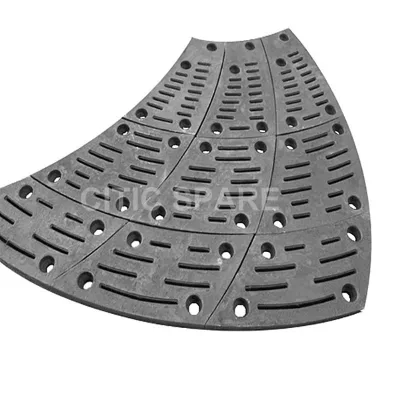
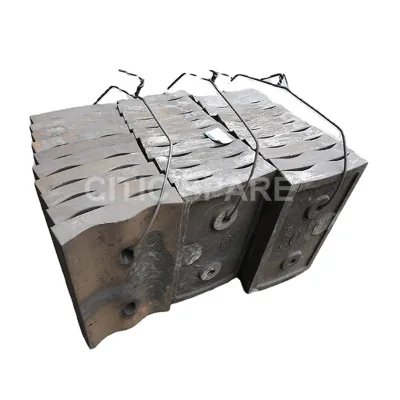
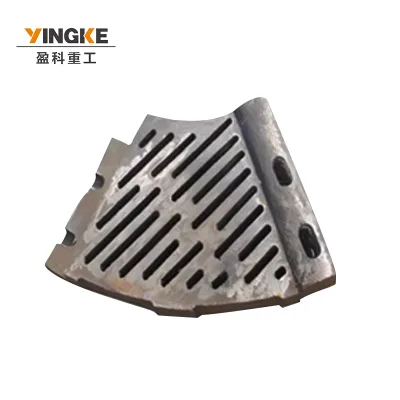
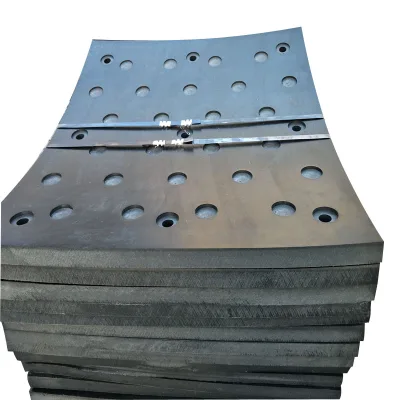
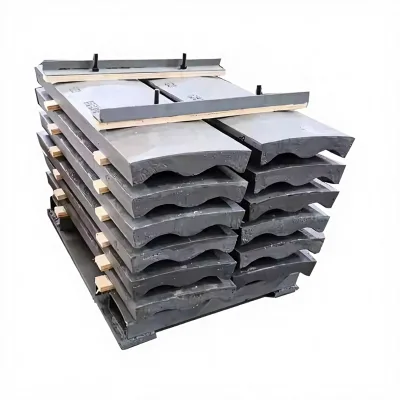
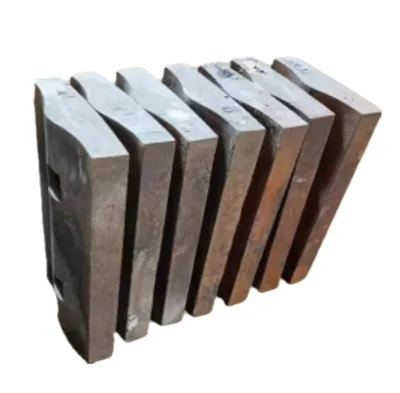
Ball Mill Liner Plate & Ball Mill Liners &Mill Liner & Grinding Mill Liner
$3200.00 - $5200.00
MOQ: 1 Tons


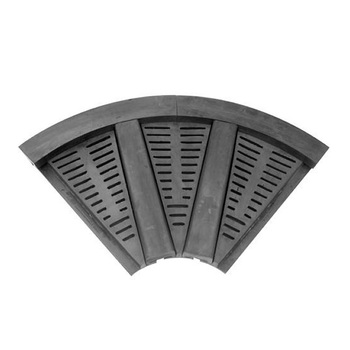
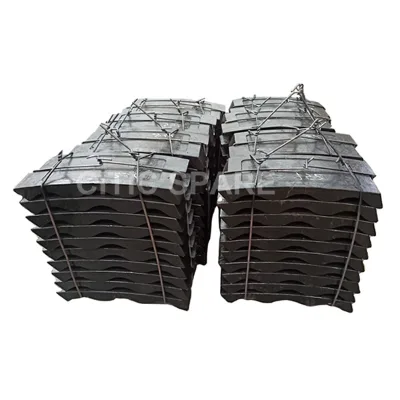
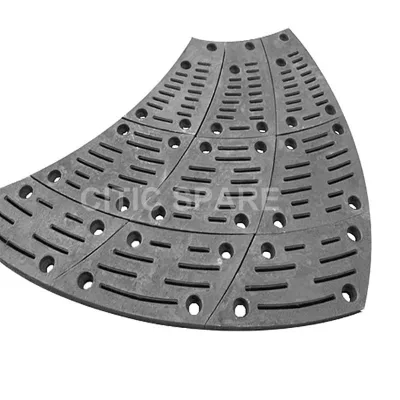
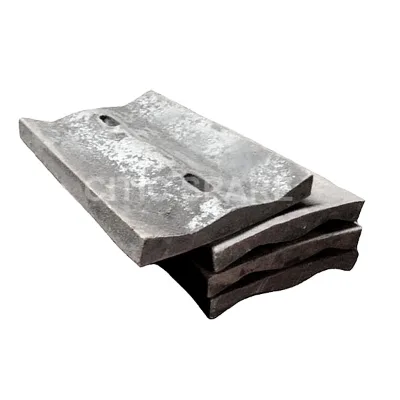

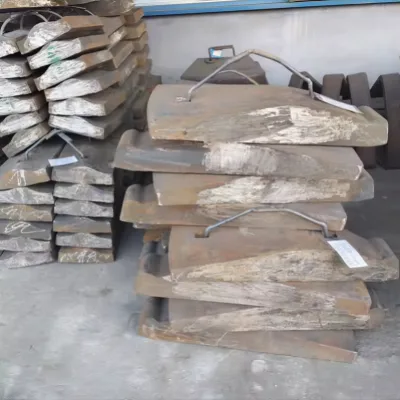
Comprehensive Sourcing Guide
Strategic Sourcing Guide for High Manganese Ball-Segregation Liners
Understanding Technical Specifications and Material Composition
When sourcing high manganese ball-segregation liners, buyers must first establish a precise understanding of the material properties and manufacturing processes that define these critical components. The core of this product category lies in the specific alloy composition, typically utilizing high manganese steel, which offers exceptional work-hardening capabilities under impact. This material characteristic is essential for applications involving heavy crushing and grinding operations where the liner must withstand extreme abrasion and impact loads. The supplied data indicates that the casting form material is often sand, utilizing a sand casting method which allows for the creation of complex geometries required for ball mill liners and SAG mill liners.
The manufacturing process is a critical determinant of the final product's integrity. The available information confirms that the primary manufacturing process is casting, with surface treatments such as sand blasting and polishing being standard options to enhance performance and longevity. Buyers should verify that the specific liner design, whether for a ball mill, AG/SAG mill, or Rob mill, aligns with the "tailored design" capabilities noted in the supply chain. The casting metal is often described as tailored to specific requirements, suggesting that the high manganese content and segregation properties must be engineered to match the specific ore hardness and mill speed of the intended application.
Furthermore, the physical specifications of the liner are not one-size-fits-all. The product models are frequently listed as "as requirement" or "according to drawings," indicating a high degree of customization. The standard specifications for these liners often reference a broad array of international standards, including ASTM, GB, JIS, ANSI, BS, ASME, and DIN. When evaluating a potential supplier, it is imperative to confirm that their specific product model adheres to the relevant standard for the buyer's region and industry. For instance, while some listings mention ASTM as a primary standard, others include a comprehensive list of global standards, suggesting that the supplier's capability to meet diverse regulatory and technical requirements is a key differentiator.
Compliance, Certification, and Quality Assurance Protocols
In the industrial procurement of heavy machinery components like ball-segregation liners, compliance with international quality management systems is non-negotiable. The data provided highlights a strong prevalence of ISO 9001 certification among suppliers. This certification is frequently listed in conjunction with other standards such as RoHS, CE, and specific manufacturing process certifications. The presence of ISO 9001 indicates that the supplier has established a framework for consistent quality management, which is crucial for ensuring that every batch of liners meets the rigorous demands of mining and crushing operations.
Beyond general quality management, specific product certifications are vital. The supply chain data notes certifications such as ISO 9001:CE and ISO 9001:RoHS, which suggest adherence to environmental and safety directives relevant to international trade. Buyers must verify that the specific batch of liners being purchased carries the appropriate certification documentation. The "Certificate: ISO" and "Certification: ISO 9001" entries in the product data reinforce the necessity of validating these documents before finalizing a purchase. It is important to note that while these certifications are observed in the market, the specific scope of the certification for a given product must be confirmed, as not all listed attributes may apply to every single SKU.
Quality control (QC) is another critical pillar of the procurement process. The available facts explicitly state that suppliers possess a "QC Team for Check Before Delivery." This internal quality assurance mechanism is a significant advantage for buyers, as it reduces the risk of receiving defective components that could lead to premature mill failure. The inspection process should cover dimensional accuracy, material composition, and surface treatment quality. Buyers should request detailed QC reports that document the inspection results against the agreed-upon specifications, including any non-destructive testing or material analysis performed prior to shipment. The "Quality Check" attribute serves as a baseline expectation, but the depth and transparency of the QC process should be a primary factor in supplier selection.
Cost Drivers and Pricing Dynamics in the Market
The pricing of high manganese ball-segregation liners is influenced by a complex interplay of factors, including material costs, manufacturing complexity, and logistical requirements. The observed price range in the market spans from 1 to 5200 USD, reflecting the vast difference between small components and large, custom-engineered mill liners. This wide range underscores the importance of defining the exact scope of the purchase, as a single liner plate for a small mill will have a significantly different cost structure compared to a full set of liners for a large SAG mill.
Material costs are a primary driver, particularly given the use of high manganese steel and cast steel. The "Various Material and High Performance" attribute suggests that the cost is directly tied to the performance characteristics required, such as wear resistance and impact toughness. Suppliers with "More Than 30-Year Experience" may command a premium due to their proven track record and optimized casting processes, which can reduce waste and improve yield. Additionally, the "Customization" attribute indicates that tailored designs will incur higher costs than standard off-the-shelf items. Buyers should be prepared for price variations based on the complexity of the drawing and the specific material grade requested.
Logistics and packaging also play a significant role in the total cost of ownership. The product data mentions packaging suitable for "Long Distance and Sea Transportation" and "in Container" options, as well as "Steel Pallet" usage. These packaging requirements are essential for protecting the liners during transit, especially given their heavy weight and potential for damage. The cost of specialized packaging and the logistics of shipping heavy industrial components from origins such as Luoyang, China, or Jinhua, Zhejiang, must be factored into the procurement budget. Furthermore, the Minimum Order Quantity (MOQ) ranges from 1 to 3000 units, meaning that bulk purchasing can significantly impact the unit price. Buyers should analyze their inventory needs against the MOQ to optimize costs without overstocking.
Typical Applications and Operational Context
High manganese ball-segregation liners are predominantly utilized in the mining and mineral processing industries, specifically in applications involving crushing and grinding. The "Usage: Crushing etc" and "Use: Ore Mining" attributes clearly define the operational context for these products. They are essential components in ball mills, AG mills, and SAG mills, where they protect the mill shell from wear and provide the necessary grinding media for ore reduction. The "Type: AG/Sag Mill Liner Ball Mill Liner Rob Mill Liner" classification highlights the versatility of these liners across different mill configurations.
The "Advantage: Wear Resistant" attribute is particularly relevant in the context of ore mining, where the hardness of the ore can vary significantly. High manganese liners are designed to work-harden under impact, becoming harder and more wear-resistant as they are used. This property makes them ideal for applications where the ore is abrasive or where the mill operates under high-impact conditions. The "Others: Wear-Resitant Metal Liner" note further emphasizes the focus on durability and longevity, which are critical for minimizing downtime and maintenance costs in mining operations.
Buyers should also consider the specific requirements of their mill design. The "Model: Full Types" and "Model: Ball mill liner" entries suggest that a wide variety of liner shapes and sizes are available to fit different mill geometries. The "Drawing: Original" attribute indicates that suppliers can produce liners based on original mill designs, ensuring a perfect fit. This customization is crucial for maintaining the efficiency of the grinding process, as improper liner fit can lead to uneven wear and reduced mill performance. Understanding the specific operational demands of the buyer's facility is essential for selecting the right liner type and material composition.
Supplier Evaluation and Geographic Considerations
Evaluating suppliers for high manganese ball-segregation liners requires a comprehensive assessment of their capabilities, location, and experience. The product data identifies China as the primary origin, with specific locations such as Luoyang and Jinhua, Zhejiang, mentioned. These regions are known for their manufacturing expertise in heavy industry and casting. Buyers should verify the specific location of the supplier to understand the logistics and potential lead times associated with shipping from these areas. The "prod_origin: China" and "prod_origin: Luoyang, China" entries provide a baseline, but the specific factory location can impact shipping costs and delivery schedules.
Experience is a key metric for supplier evaluation. The "More Than 30-Year Experience" attribute suggests that established suppliers have the technical knowledge and manufacturing capacity to produce high-quality liners. Buyers should prioritize suppliers with a proven track record in the mining industry, as they are more likely to understand the specific challenges of operating in harsh environments. The "Customization: Available" and "Casting Metal: Tailored Design" attributes indicate that suppliers should be capable of working closely with buyers to develop custom solutions. This level of collaboration is essential for optimizing liner performance and extending the service life of the mill.
Additionally, the "Standard: DIN,ASTM,GB,JIS,ANSI,BS,ASME,AISI" list highlights the importance of a supplier's ability to meet diverse international standards. Buyers should ensure that the supplier has the necessary certifications and testing capabilities to validate compliance with these standards. The "Quality Check: We Have QC Team for Check Before Delivery" attribute is a strong indicator of a supplier's commitment to quality, but buyers should also request references or case studies from other mining operations to verify the supplier's performance in real-world conditions.
Long-Term Procurement and Lifecycle Management
Sourcing high manganese ball-segregation liners is not just a one-time transaction but a long-term partnership that requires careful planning and lifecycle management. The "prod_packing: Suitable for Long Distance and Sea Transportation" and "prod_packing: Customized" attributes suggest that suppliers should be able to provide packaging solutions that protect the liners throughout the supply chain. This is crucial for maintaining the integrity of the product until it is installed in the mill. Buyers should also consider the "Coating: According to Customers′ Requirement" option, which may offer additional protection or performance benefits depending on the specific application.
Long-term procurement considerations also include the availability of spare parts and the ability to respond to changing operational needs. The "Model: As Requirement" and "Model: According to drawings" attributes indicate that suppliers should be flexible in their production capabilities, allowing for adjustments as the mill's requirements evolve. Buyers should establish a relationship with a supplier that can provide ongoing support, including technical assistance, replacement parts, and performance monitoring. The "Advantage: Wear Resistant" attribute underscores the importance of selecting liners that offer long service life, reducing the frequency of replacements and minimizing downtime.
Finally, buyers should consider the environmental and safety implications of their procurement decisions. The "Certification: ISO 9001:RoHS,CE" and "Certification: ISO 9001:CE" entries suggest that suppliers are aware of and compliant with environmental and safety regulations. Buyers should ensure that the liners they purchase meet all relevant safety standards and that the manufacturing process adheres to sustainable practices. By focusing on long-term value and sustainability, buyers can optimize their procurement strategy and ensure the reliable operation of their mining facilities.
FAQs
What certifications do high manganese ball-segregation liner suppliers typically hold?
Suppliers typically hold ISO 9001 certification, often combined with CE or RoHS standards. This ensures adherence to international quality management systems and safety directives required for industrial mining components.
Which casting methods are used for manufacturing these liners?
The primary manufacturing process is sand casting, utilizing sand as the casting form material. This method allows for the creation of complex geometries required for ball mill and SAG mill liner designs.
Can buyers request customized specifications for these liners?
Yes, customization is available with models tailored to specific requirements or drawings. Buyers can specify materials like stainless steel or cast steel and request surface treatments such as sand blasting or polishing.
How are these liners packaged for long-distance transportation?
Packaging is suitable for long-distance and sea transportation, often utilizing steel pallets or container shipping. This ensures the heavy components remain protected during transit from origins like Luoyang or Jinhua, China.
What quality control measures are in place before delivery?
Suppliers maintain a dedicated QC team to check products before delivery. This internal quality assurance mechanism verifies dimensional accuracy and material composition to reduce the risk of defective components reaching the buyer.
Which international standards do these liners comply with?
Liners comply with a broad array of standards including ASTM, GB, JIS, ANSI, BS, ASME, and DIN. Buyers should verify that the specific product model adheres to the relevant standard for their region.
What is the typical price range for these industrial liners?
The observed price range spans from 1 to 5200 USD depending on size and customization. Costs vary significantly between small components and large, custom-engineered mill liners for heavy crushing operations.