Source High Performance Air Handling Units for Hospitals, Industry, Marine
Find 30 High Performance Air Handling Units with customizable features for hospitals, industrial facilities, and marine applications. Compare specifications including airflow, filtration, and energy efficiency to select the right system for your needs.
Key considerations
Products List


High Efficiency Air Condensing Unit for Reliable Cooling and Performance
$650.00 - $900.00
MOQ: 1 Pieces


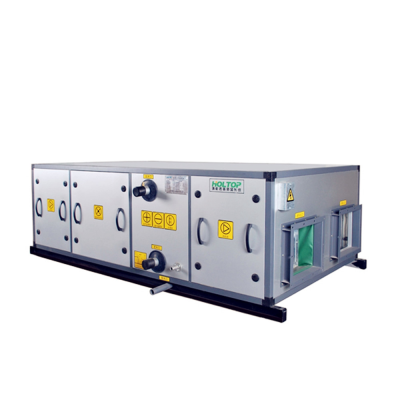
Air Handling Unit Industrial Air Handling Unit Central Air Conditioning
$300.00 - $40000.00
MOQ: 1 Pieces


Comprehensive Sourcing Guide
Strategic Sourcing Guide for High Performance Air Handling Units
Understanding Core Technical Specifications and Configuration
When sourcing high-performance air handling units (AHUs), buyers must first establish a clear understanding of the technical parameters that define system efficiency and operational capability. The market offers a diverse range of configurations, from modular and compact setups to residential and industrial-specific designs. A critical observation in the current supply landscape is the variation in airflow capacity, which can range significantly from 1,000 to 178,000 CMH (Cubic Meters per Hour). This wide spectrum indicates that procurement strategies must be tailored to the specific volumetric requirements of the facility, whether it is a small medical clinic or a massive industrial complex.
The structural integrity and material composition of the unit are equally vital. The air tube material is frequently identified as galvanized sheet, a choice that directly influences the unit's resistance to environmental degradation. Buyers should verify the specific grade of galvanization, as this determines the long-term durability against corrosion. In high-humidity or marine environments, the corrosion durability rating becomes a primary selection criterion, with some units offering "higher" durability while others provide "ultrahigh" resistance. The mounting configuration is another essential variable; while floor-standing units are common, the market also supports ceiling, horizontal, and vertical mounting options, allowing for flexible integration into existing building infrastructure.
Electrical and mechanical components dictate the operational performance of the AHU. The operating voltage is typically standardized at 380/400 VAC, which aligns with industrial power standards in many regions. The motor selection is a key differentiator, with options ranging from IE3 to IE5 efficiency classes. Selecting an IE5 motor can significantly reduce energy consumption over the unit's lifecycle, though this must be balanced against the initial capital expenditure. Furthermore, the condenser fan type, whether axial, centrifugal, or direct drive, impacts the noise level and airflow dynamics. For applications requiring ultra-quiet operation, such as hospitals or residential zones, the selection of specific fan types and motor configurations is non-negotiable.
Compliance, Certification, and Regulatory Standards
Navigating the regulatory landscape is a fundamental step in the procurement of high-performance air handling units. Compliance ensures that the equipment meets safety, environmental, and quality benchmarks required by local and international authorities. The presence of ISO and CE certifications is a standard indicator of adherence to rigorous manufacturing and safety protocols. Buyers must treat these certifications as baseline requirements rather than optional features. The ISO certification generally validates the quality management systems of the manufacturer, while the CE mark indicates conformity with health, safety, and environmental protection standards for products sold within the European Economic Area.
Beyond general certifications, specific product standards and design footprints must be evaluated. Some units are marketed with a "small footprint" standard, which is crucial for facilities with limited floor space. This standard often correlates with modular or compact configurable designs that maximize efficiency without sacrificing capacity. However, buyers should not assume that all units labeled as "small footprint" meet the same spatial constraints; verification of the physical dimensions against the specific site layout is necessary. Additionally, the geographical areas of operation, such as Asia, Oceania, America, and Europe, often dictate specific regulatory requirements regarding energy efficiency and emissions.
The electrical parts within the AHU are another area requiring strict compliance verification. While the components are often assigned by the manufacturer, buyers should ensure that these assigned brands meet the electrical safety standards of the destination country. The warranty and after-sales service terms also serve as a form of compliance with consumer protection laws. A standard warranty period of one year is observed, but the scope of coverage, including online or on-site technical support, varies. Buyers must scrutinize the service agreement to ensure it aligns with the operational criticality of the AHU. In industrial applications, the ability to provide on-site support is often a contractual requirement to minimize downtime.
Cost Drivers and Financial Considerations
The total cost of ownership for high-performance air handling units is influenced by a complex interplay of factors, including initial purchase price, installation complexity, and long-term operational expenses. The observed price range in the market is extensive, spanning from $2 to $42,188 USD. This wide disparity is not indicative of quality differences alone but reflects the vast range in capacity, customization, and component quality. A unit priced at the lower end of this spectrum may be a basic, flat-packed model with standard components, while a unit at the higher end likely includes advanced features such as heat recovery systems, specialized humidifiers, and high-efficiency HEPA filtration.
Customization is a primary cost driver in this sector. The availability of customization allows buyers to tailor the unit to specific application needs, such as unique filter configurations or specialized mounting requirements. However, this flexibility comes at a premium. Customized packing, such as wooden cases with waterproof cloth or crates, adds to the logistics cost but is essential for protecting the unit during transit, especially for international shipments from origins like Jiangsu, China. The package type, whether delivered in sections or flat-packed, also impacts installation labor costs. Flat-packed units may require more on-site assembly time, whereas section-delivered units might reduce installation time but increase shipping volume.
Energy efficiency is a critical long-term cost factor. Units with IE3 or IE5 motors and high energy-saving features can significantly reduce electricity bills over the unit's lifetime. The expected lifetime of these units varies, with some models rated for 5 to 10 years and others extending to 10 to 15 years, or even exceeding 20 years for heavy-duty industrial applications. Buyers should calculate the return on investment based on the energy savings and the projected lifespan. A unit with a higher upfront cost but a 20-year lifespan and superior energy efficiency may offer a better total cost of ownership than a cheaper, less efficient unit with a shorter lifespan.
Typical Applications and Industry-Specific Requirements
High-performance air handling units are deployed across a diverse array of industries, each with unique environmental and operational requirements. The medicine sector is a prominent application field, where air quality is paramount. In hospitals and medical facilities, the AHU must maintain strict hygiene standards, often requiring HEPA filters and specific pressure controls to prevent cross-contamination. The noise level in these environments must be low to ensure a restful atmosphere for patients, making the selection of ultra-quiet condenser fans and motors critical.
Food processing is another significant application area, where the AHU must withstand harsh conditions and maintain precise temperature and humidity levels. In this sector, the corrosion durability of the unit is a primary concern due to the presence of moisture, cleaning chemicals, and organic matter. Units designed for food processing often feature ultrahigh corrosion durability and specialized filtration to prevent contamination. The cooling method, such as indirect cooling, may also be specified to ensure that the air handling process does not introduce external contaminants into the production environment.
Industrial applications encompass a broad range of facilities, from manufacturing plants to marine and offshore operations. In industrial settings, the AHU must be robust enough to handle continuous operation and potentially dusty or corrosive environments. The motor efficiency and airflow capacity are key considerations here, as the unit must maintain optimal conditions for machinery and personnel. Marine and offshore applications present unique challenges, including high humidity and salt exposure, necessitating units with enhanced corrosion resistance and specialized mounting solutions. The geographical areas of operation, such as Europe or America, may also impose specific regulatory requirements on the equipment used in these sectors.
Supplier Evaluation and Vendor Selection Criteria
Selecting the right supplier is as critical as selecting the right equipment. Buyers should evaluate potential suppliers based on their technical capabilities, production capacity, and service infrastructure. The origin of the product, often China or specifically Jiangsu, China, is a common starting point for many high-performance AHUs. However, the location of the supplier should not be the sole determinant of quality. Buyers must verify the supplier's ability to meet the specific technical requirements of the project, including the availability of customized solutions and the quality of assigned electrical components.
The warranty and after-sales service are key indicators of supplier reliability. A standard one-year warranty is common, but the nature of the support—whether online or on-site—can vary significantly. Suppliers offering comprehensive on-site technical support are preferable for critical applications where downtime is costly. The lead time for delivery, typically ranging from 25 to 40 days, should be factored into the project timeline. Buyers must ensure that the supplier can meet these delivery schedules consistently, as delays can have cascading effects on the overall project.
Quality control processes within the supplier's organization are also essential. Buyers should inquire about the supplier's quality assurance protocols, including testing procedures and inspection standards. The presence of certifications like ISO and CE suggests a commitment to quality, but buyers should request evidence of these certifications and verify their validity. Additionally, the supplier's experience in the specific application field, such as medicine or food processing, is a valuable asset. A supplier with a proven track record in a specific industry is more likely to understand the nuanced requirements and provide tailored solutions.
Quality Control and Long-Term Procurement Considerations
Ensuring the quality of high-performance air handling units requires a rigorous approach to quality control throughout the procurement process. Buyers should implement a multi-stage inspection protocol, starting with the verification of raw materials, such as the galvanized sheet used for the air tube. The condition of the product upon arrival should be "New," and any signs of damage or wear should be immediately reported. The packaging, whether in crates or customized wooden cases, should be inspected to ensure that the unit has been protected during transit.
Long-term procurement considerations extend beyond the initial purchase. The lifetime of the unit, which can range from 5 to over 20 years, is a critical factor in the decision-making process. Buyers should assess the maintenance requirements of the unit and the availability of spare parts. The filter type, including panel, bag, pleat, carbon, and HEPA filters, will need to be replaced periodically, and the cost and availability of these consumables should be factored into the long-term budget. The ease of installation and ultimate flexibility of the unit are also important for future modifications or expansions.
Finally, buyers should consider the environmental impact of the unit. Features such as high energy saving and the use of efficient motors contribute to a lower carbon footprint. The geographical areas of operation may also influence the environmental regulations that the unit must comply with. By selecting a unit that aligns with sustainability goals, buyers can enhance their corporate social responsibility profile while reducing operational costs. The combination of technical excellence, regulatory compliance, and long-term value makes the procurement of high-performance air handling units a strategic investment that requires careful planning and execution.
Comparative Analysis of Unit Configurations
To facilitate informed decision-making, buyers can utilize the following comparison table to evaluate different AHU configurations based on key attributes observed in the market. This table highlights the variations in lifetime, application fields, and specific features that may influence the selection process.
| Feature Category | Configuration A (General Industrial) | Configuration B (Medical/High Precision) | Configuration C (Marine/Offshore) |
|---|---|---|---|
| Primary Application | Industrial, Food Processing | Medicine, Hospitals | Marine and Offshore |
| Corrosion Durability | Higher | Standard | Ultrahigh |
| Noise Level | Low | Low | Low |
| Filter Type | Panel, Bag, Pleat | HEPA, Carbon | HEPA, Specialized |
| Motor Efficiency | IE3 | IE3 / IE5 | IE5 |
| Expected Lifetime | 5~10 Years | 10~15 Years | >20 Years |
| Mounting Type | Floor Standing | Ceiling / Vertical | Floor Standing |
| Cooling Method | Direct / Indirect | Direct | Indirect |
| Standard Certification | ISO, CE | ISO, CE | ISO, CE |
This comparison underscores the importance of matching the unit configuration to the specific demands of the application. While Configuration A offers a robust solution for general industrial use, Configuration B is tailored for environments requiring the highest air purity and noise control. Configuration C is designed to withstand the harsh conditions of marine environments, emphasizing durability and longevity. By carefully analyzing these attributes, buyers can select the most appropriate AHU for their specific needs, ensuring optimal performance and value over the unit's lifecycle.
FAQs
What certifications do High Performance Air Handling Units typically have?
High Performance Air Handling Units typically carry ISO and CE certifications. These marks indicate adherence to quality management systems and European safety standards, ensuring the equipment meets rigorous manufacturing protocols for international markets.
How long is the expected lifetime of these air handling units?
The expected lifetime varies by model, ranging from 5 to 10 years up to over 20 years for heavy-duty applications. Some units are rated for 10 to 15 years, depending on the specific configuration and operational environment.
Which air tube materials are used in these units?
Galvanized sheet is the standard material used for the air tube construction. This choice provides higher or ultrahigh corrosion durability, making the units suitable for humid environments like marine, offshore, and food processing facilities.
Can these units be customized for specific applications?
Yes, customization is available for various application needs including filter types and mounting configurations. Buyers can specify options like HEPA filters, panel filters, or customized packing to suit specific industry requirements in medicine or industrial sectors.
What is the operating voltage for these air handling units?
The operating voltage is typically standardized at 380/400 VAC. This aligns with industrial power standards, supporting motors with IE3 or IE5 efficiency classes for optimal energy performance in hospitals and industrial complexes.
How long is the delivery lead time for these units?
The delivery lead time typically ranges from 25 to 40 days. This duration accounts for manufacturing and packaging, which may include wooden cases or flat-packed sections depending on the specific order requirements and origin location.
What warranty and after-sales service are provided?
A standard one-year warranty is provided with online or on-site technical support. This service ensures operational continuity, allowing buyers to address issues remotely or request on-site assistance for critical industrial or medical applications.