Source High Output Ambulance Horn for Emergency, Police, and Fire
Compare 30 High Output Ambulance Horn options with varying sound levels, power ratings, and certifications. Buyers can evaluate wired and wireless transmission modes for emergency vehicle retrofit or upgrade needs.
Key considerations
Products List


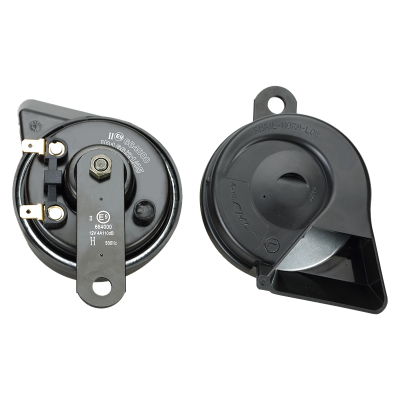
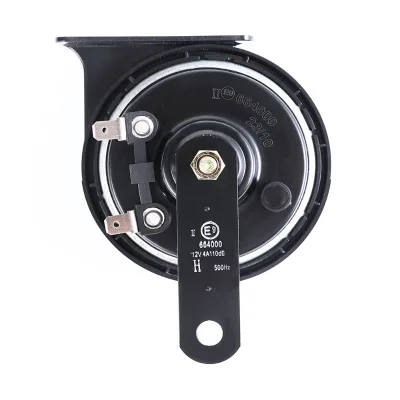
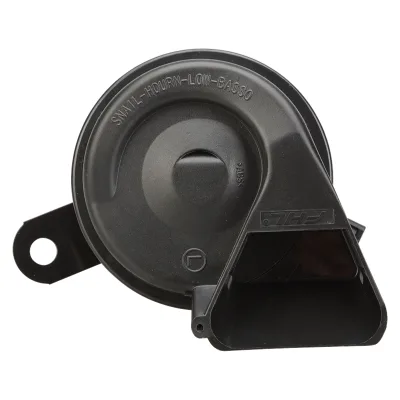
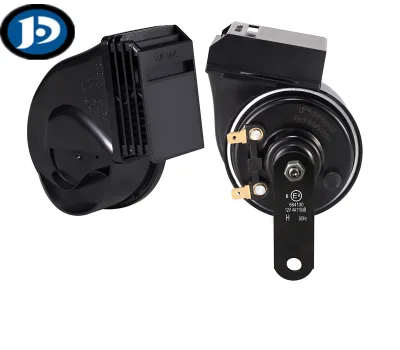




Comprehensive Sourcing Guide
High Output Ambulance Horn Sourcing Guide
Procuring high-output emergency warning devices requires a precise understanding of the distinction between general-purpose siren systems and specialized automotive-grade horns. In the B2B procurement landscape, these devices are often categorized under broader terms such as "safety alarm sirens" or "automotive horns," yet their functional requirements for emergency vehicles demand specific acoustic and electrical characteristics. Buyers must navigate a market where product listings may vary significantly in terminology, ranging from passive indoor alarm components to active, high-decibel automotive sirens designed for retrofitting or original equipment manufacturing (OEM) applications.
The core challenge in sourcing lies in verifying that the selected unit meets the rigorous demands of emergency response environments. These environments require devices that can operate reliably under extreme temperature fluctuations, withstand vibration, and deliver consistent sound pressure levels to cut through ambient noise. Consequently, procurement teams must look beyond basic product descriptions and focus on technical specifications such as impedance, voltage compatibility, and frequency range, ensuring that the hardware integrates seamlessly with existing vehicle electrical systems without causing power drainage or signal interference.
Product Scope and Observed Listing Signals
The current market for high-output emergency sirens presents a diverse array of products, with observed price points ranging from approximately $1 to over $738 USD, reflecting significant variations in power output, build quality, and intended application. This wide price band suggests that buyers will encounter everything from basic, low-power warning units to robust, high-wattage sirens capable of producing sound levels exceeding 115 dB. The minimum order quantity (MOQ) typically ranges from 1 to 1,000 units, indicating that suppliers cater to both individual replacement needs and large-scale fleet procurement contracts, allowing for flexibility in initial testing versus bulk deployment.
Product attributes observed in listings highlight a strong emphasis on customization and versatility, with many suppliers offering OEM branding and universal compatibility for automotive applications. Key technical indicators include power ratings of 100W, 150W, and 200W, which directly correlate with the acoustic intensity and projection distance of the siren. Furthermore, the presence of specific model numbers such as XYAL-2086-DC12V(PA300) and XYAL-CJB-1932 suggests a standardized product line that buyers can reference for consistency. These signals indicate that the market is mature, with suppliers providing detailed specifications to help buyers distinguish between general-purpose alarms and specialized high-output emergency devices.
Technical Specifications to Verify
When evaluating high-output sirens, the sound pressure level is a critical metric, with observed specifications ranging from 95-125 dB to as high as 115-130 dB. Buyers must verify that the selected unit meets the minimum decibel requirements for emergency vehicles in their target jurisdiction, as higher output is often necessary for effective warning in noisy urban environments or at high speeds. Additionally, the frequency range is a key differentiator; while some units operate in the 200-4500 Hz range, others are tuned to lower frequencies such as 300-500 Hz, which can penetrate ambient noise more effectively. Understanding these acoustic profiles is essential for selecting a siren that provides optimal audibility without causing excessive auditory fatigue to nearby individuals.
Electrical compatibility is another vital area for verification, with most observed units operating on DC 12V systems, which is standard for automotive applications. However, some specifications mention DC 24V compatibility, so buyers must ensure the siren matches the vehicle’s electrical architecture to prevent damage or malfunction. Impedance values typically range from 8-16 Ω, and distortion factors are often specified as ≤5%, indicating the quality of the sound output. Buyers should also check the working temperature range, with observed specifications covering -30°C to +50°C or even up to +77°C, ensuring the device can function reliably in extreme climatic conditions without performance degradation.
Compliance and Safety Documentation
Certification is a non-negotiable aspect of sourcing emergency vehicle equipment, with CE and ISO certifications frequently observed in product listings. These certifications indicate that the manufacturer adheres to European safety standards and international quality management systems, which is crucial for buyers operating in regulated markets. Additionally, some products carry RoHS certification, signaling compliance with restrictions on hazardous substances, which is increasingly important for environmental and health safety in manufacturing and disposal processes. Buyers should request valid certification documents from suppliers to verify that the products meet the specific regulatory requirements of their destination countries.
Beyond certifications, buyers must ensure that the product documentation includes detailed technical manuals and installation guidelines. This is particularly important for units designed for retrofitting or upgrading existing systems, as improper installation can lead to electrical faults or reduced performance. The presence of a warranty service, often cited as 2 years in observed listings, provides an additional layer of security for buyers, indicating the manufacturer’s confidence in the product’s durability. However, buyers should clarify the terms of the warranty, including coverage for manufacturing defects and the process for claiming replacements or repairs.
Cost Drivers and Commercial Terms
The cost of high-output ambulance horns is influenced by several factors, including power output, material quality, and the level of customization required. Higher wattage units, such as those rated at 200W, typically command higher prices due to the increased complexity of their internal components and the materials used in their construction. Customization options, such as OEM branding or specific packaging requirements, can also add to the overall cost, as they involve additional manufacturing steps and logistical considerations. Buyers should request detailed quotations that break down these costs to understand the value proposition of each supplier.
Commercial terms, including payment methods, shipping arrangements, and lead times, play a significant role in the total cost of ownership. While specific lead times are not provided in the observed data, buyers should inquire about production schedules to ensure timely delivery, especially for urgent procurement needs. The main markets for these products, such as South America and Western Europe, may also influence pricing due to varying demand levels and logistical costs. Buyers should negotiate favorable terms, such as bulk discounts or extended payment periods, to optimize their procurement budget and cash flow.
Supplier Qualification and Quality Control
Supplier qualification is a critical step in ensuring the reliability and consistency of high-output emergency sirens. Buyers should verify the supplier’s place of origin, with observed listings indicating production in regions such as Zhejiang and Guangdong in China, which are known for their manufacturing capabilities. However, geographic origin alone is not a guarantee of quality, so buyers must assess the supplier’s production capacity, quality control processes, and track record in the industry. Requesting samples for testing is a recommended practice to evaluate the product’s performance and build quality before committing to a large order.
Quality control measures should be clearly defined in the procurement agreement, including inspection protocols and acceptance criteria. Buyers should inquire about the supplier’s testing procedures, such as sound pressure level verification and electrical safety checks, to ensure that each unit meets the specified standards. Additionally, the use of durable materials, such as nylon housing and PC nylon lenses, as observed in some listings, contributes to the product’s longevity and resistance to environmental factors. Buyers should ensure that the supplier provides evidence of these quality control measures, such as test reports or certification audits, to mitigate the risk of receiving substandard products.
Long-Term Procurement Checks
Long-term procurement success depends on establishing a robust supply chain relationship that prioritizes consistency and support. Buyers should monitor the supplier’s ability to maintain product quality over time, especially when ordering in large quantities or over extended periods. This includes verifying that the supplier uses consistent materials and manufacturing processes, as variations can lead to performance issues or compliance failures. Regular communication with the supplier regarding product updates, technological advancements, and market trends can help buyers stay informed and make proactive procurement decisions.
After-sales support is another critical factor for long-term satisfaction, including the availability of spare parts, technical assistance, and warranty claims processing. Buyers should assess the supplier’s responsiveness and efficiency in handling post-sale issues, as these can significantly impact the operational readiness of emergency vehicles. Additionally, buyers should consider the supplier’s flexibility in accommodating future procurement needs, such as changes in product specifications or volume requirements. By focusing on these long-term aspects, buyers can build a resilient supply chain that supports the reliable operation of their emergency vehicle fleets.
FAQs
What certifications do high output ambulance horns have?
These horns typically carry CE and ISO certifications to ensure safety and compliance. Some models also include RoHS certification for environmental standards. Buyers should verify specific documentation for each supplier to confirm the exact certification list.
Can I customize the High Output Ambulance Horn specifications?
Yes, customization is available for many High Output Ambulance Horn models. Suppliers often allow adjustments to voltage, sound pressure, or housing materials. This flexibility supports retrofitting or upgrading existing vehicle alarm systems effectively.
Which voltage options are available for these horns?
Available voltage options include DC 12V, DC 24V, and PA300 configurations. Specific models support 100W, 150W, or 200W power ratings. Ensure the selected unit matches your vehicle's electrical system requirements for optimal performance.
How loud is the sound pressure of these horns?
Sound pressure levels generally range from 95 to 130 decibels depending on the model. Specific units may offer 102dB or up to 125dB output. This range ensures high visibility and audibility in emergency situations.
Where are these horns manufactured?
Manufacturing locations include Zhejiang and Guangdong provinces in China. These regions are known for producing reliable alarm siren components. Buyers can expect standard packaging and adherence to international shipping protocols from these origins.
What is the warranty period for these horns?
A standard warranty service of 2 years is commonly provided for these units. This coverage applies to manufacturing defects and functional failures under normal use. Always confirm the specific warranty terms with the supplier before purchase.
Can these horns be used in outdoor environments?
Yes, these horns are designed for both indoor and outdoor applications. They feature IP65 waterproof ratings and operate within temperatures from -30 to 77 degrees Celsius. This durability ensures reliable performance in various weather conditions.