Source High Performance Motorcycle Air Filter for Racing, Street, Off-Road
Find 30 High Performance Motorcycle Air Filter options from verified Chinese manufacturers. Compare specifications like filtration grade, dimensions, and customization services for racing, street, and off-road applications.
Key considerations
Products List


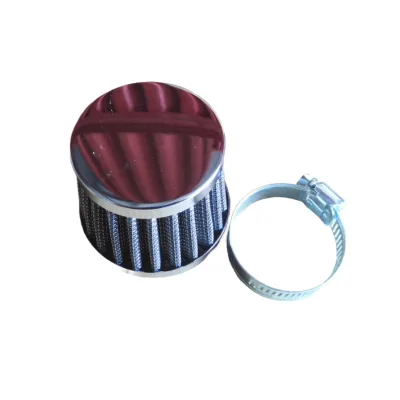
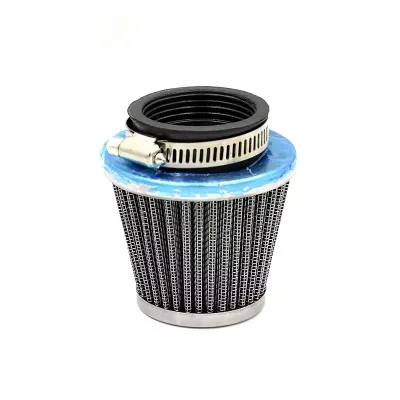
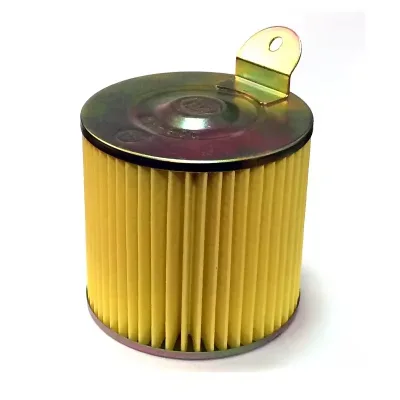
High Flow Customized Mushroom Air Filter 35mm for Motorcycle Air Filter
$5.10 - $15.10
MOQ: 200 Pieces


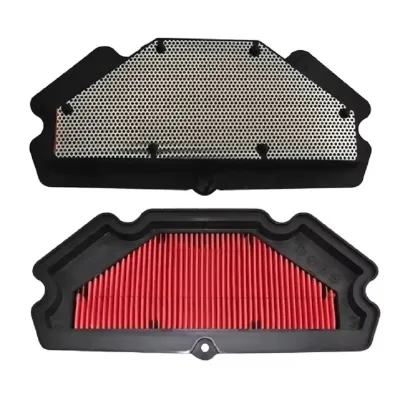
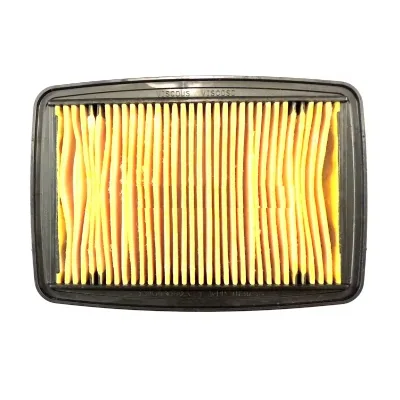
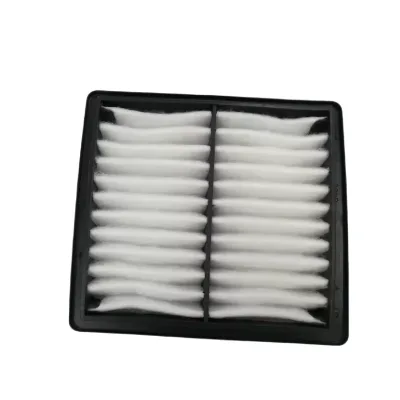
Motorcycle Spare Parts Element Motorcycle Air Filter with Different Size
$1.34 - $3.58
MOQ: 200 Pieces





Comprehensive Sourcing Guide
Strategic Sourcing Guide for High-Performance Motorcycle Air Filters
Understanding Technical Specifications and Material Composition
When sourcing high-performance motorcycle air filters, the primary objective is to identify components that balance airflow efficiency with filtration integrity. The market offers a diverse array of configurations, but successful procurement begins with a rigorous analysis of technical specifications. Buyers must distinguish between standard filtration media and high-performance variants designed for specific engine requirements. The core material composition is a critical differentiator; observed product data indicates the use of wood pulp filter paper, often described as soft thick liquid paper, which serves as a foundational medium for trapping particulate matter. However, high-performance applications frequently demand advanced composite structures. Some listings describe the use of cotton gauze combined with an aluminum mesh, a configuration often associated with reusable filters that offer superior airflow characteristics compared to traditional paper elements.
The physical dimensions of the filter element are equally paramount. Inconsistent sizing can lead to improper sealing, resulting in unfiltered air bypassing the element and causing engine wear. Specifications such as height, diameter, and flange dimensions must be verified against the motorcycle's intake manifold. For instance, specific models in the current market exhibit heights ranging from 54mm to 217mm, with bottom diameters varying from 60mm to 102mm. The top inner diameter is another critical measurement, with observed values such as 36mm. The structural design also plays a vital role; filters may be categorized as cartridge filters or filter element assemblies. The pattern of the filter media, whether dry or wet, dictates the maintenance cycle and the type of oil or cleaning agent required. Buyers should note that while some products are classified as HEPA filters, this classification must be validated against the specific engine's air intake requirements, as HEPA standards are typically associated with indoor air quality rather than high-velocity engine intake.
Compliance, Certification, and Quality Standards
Navigating the compliance landscape for motorcycle air filters requires a clear understanding of the certifications held by potential suppliers. In the global market, ISO standards serve as the baseline for quality management and environmental responsibility. Verified supplier data indicates that reputable manufacturers often hold ISO9001 certification, which validates their quality management systems, and ISO14001, which addresses environmental management. These certifications are not merely marketing badges; they represent a commitment to consistent manufacturing processes and traceability. Buyers must request current certification documents to ensure that the specific production facility supplying the order maintains these standards.
Beyond ISO standards, the classification of the product itself acts as a compliance indicator. Products labeled as "Air Filter" or "Motorcycle Filter" must align with the intended application, whether for automotive parts or specific motorcycle models. The "Cold Style: Air-Cooled" designation found in some product data suggests that certain filters are engineered for engines that rely on air cooling rather than liquid cooling, a distinction that affects thermal management and material durability. Furthermore, the "Four Stroke" principle and "Electric/Kick" start mechanisms mentioned in technical descriptions highlight the need for filters to be compatible with specific engine cycles. A filter designed for a four-stroke engine may not perform optimally in a two-stroke configuration due to differences in oil-to-fuel ratios and intake pressure. Buyers should verify that the supplier's documentation explicitly confirms compatibility with the engine type, stroke cycle, and cooling method of the target motorcycle.
Cost Drivers and Pricing Variables
The pricing structure for high-performance motorcycle air filters is influenced by a complex interplay of material costs, customization levels, and order volume. The observed price range in the market spans from $0.15 to $15.10 per unit, a variance that reflects differences in material quality, manufacturing complexity, and brand positioning. The lower end of the spectrum typically corresponds to standard paper-based filters with minimal customization, while the higher end often includes specialized materials like cotton gauze, aluminum mesh, or custom-molded elements.
Customization is a significant cost driver. Products offering OEM (Original Equipment Manufacturer) and ODM (Original Design Manufacturer) services command a premium due to the engineering and tooling required to produce bespoke designs. The ability to customize color, such as black and red or gray and black options, adds to the production complexity and cost. Additionally, the minimum order quantity (MOQ) plays a crucial role in the unit price. The market shows an MOQ range from 2 to 1000 units. Buyers purchasing in small quantities may face higher per-unit costs, whereas bulk orders often benefit from economies of scale. It is essential to note that the "Standard Export Carton" packaging is a baseline requirement, but any deviation from standard packaging for branding or specific logistics needs will incur additional charges. Buyers should also consider the cost of after-sales support; suppliers offering online technical support and warranty services may have slightly higher base prices to cover these overheads.
Typical Applications and Performance Scenarios
High-performance motorcycle air filters are designed to serve a wide spectrum of applications, ranging from street-legal commuter bikes to off-road racing machines. The primary application is the enhancement of engine breathing, which can lead to improved throttle response and power output. The "Universal Motorcycle Air Filter" classification suggests that many products are adaptable to various models, but this universality must be verified against specific mounting points and airflow requirements. The "Air Intake" function is central to the filter's role, ensuring that the engine receives a clean, consistent supply of air for combustion.
The design style of the filter can also influence its application. For example, a "French" design style might imply a specific aesthetic or ergonomic integration that appeals to certain market segments, particularly in regions where style is as important as function. The "Outside" position of the filter indicates that it is mounted externally on the engine, which is common for many motorcycle configurations. This placement affects the thermal environment the filter operates in, requiring materials that can withstand heat without degrading. The "Dry" pattern suggests that the filter does not require oiling, which simplifies maintenance but may limit the filtration efficiency compared to oiled gauze filters. Buyers must match the filter's application profile with the motorcycle's usage pattern; a filter optimized for high-speed highway riding may differ from one designed for low-torque, high-torque off-road conditions.
Supplier Evaluation and Verification
Selecting the right supplier is a critical step in the procurement process. The supply chain for motorcycle air filters is global, with significant manufacturing hubs in China, specifically in regions like Zhejiang and Nanjing, Jiangsu. While specific supplier names should not be recommended, buyers should look for evidence of a robust supply chain infrastructure. The presence of "Online Technical Support" and "Online Service" warranties indicates a supplier that is committed to post-sales engagement, which is vital for resolving fitment issues or performance questions.
When evaluating a supplier, buyers should verify the consistency of their product data. Discrepancies in specifications, such as conflicting height measurements or material descriptions, can be a red flag. The supplier should provide clear documentation regarding the "Filtration Grade" and "Structure" of the filter. For instance, if a supplier claims a product is a "Cartridge Filter," the physical dimensions and mounting mechanism must align with this classification. Additionally, the "Brand" status of the product, often listed as "Customized," implies that the supplier is capable of private labeling, which is essential for buyers looking to build their own brand. Buyers should also assess the supplier's ability to handle "OEM & ODM" requests, as this indicates flexibility in production and a willingness to collaborate on design modifications.
Quality Control and Long-Term Procurement Considerations
Ensuring long-term quality requires a proactive approach to quality control (QC) and supplier relationship management. The "Warranty" offered by suppliers, often in the form of "Online Service," provides a safety net for buyers, but it should not replace rigorous incoming quality inspection. Buyers should implement a QC protocol that includes dimensional checks, material verification, and performance testing. The "Standard Export Carton" packaging should be inspected to ensure that the filters arrive without damage, as physical deformation can compromise the seal and filtration efficiency.
Long-term procurement considerations involve building a sustainable supply chain. Buyers should prioritize suppliers who demonstrate a commitment to continuous improvement and adaptability. The ability to customize products, such as changing colors or dimensions, allows buyers to respond to market trends and specific customer demands. Furthermore, the "After-Sale Service" provided by the supplier is a key indicator of long-term reliability. A supplier that offers "Online Technical Support" can assist with troubleshooting, which is invaluable when integrating new filter models into existing product lines.
Buyers must also consider the environmental impact of their procurement choices. Certifications like ISO14001 suggest that the supplier is mindful of environmental regulations, which is increasingly important in global trade. The use of materials like wood pulp and cotton gauze should be evaluated for sustainability and recyclability. Finally, the "Lead Time" and "MOQ" flexibility should be factored into the procurement strategy. A supplier that can accommodate small batch orders while maintaining quality standards offers greater agility for buyers navigating fluctuating market demands. By focusing on these factors, buyers can secure a reliable supply of high-performance motorcycle air filters that meet both technical and commercial objectives.
Comparative Analysis of Filter Configurations
To aid in decision-making, buyers can utilize a comparative framework to evaluate different filter configurations based on the observed data. The following table summarizes key attributes found in the market, helping to distinguish between standard and high-performance options.
| Attribute | Configuration A (Paper-Based) | Configuration B (Gauze/Mesh) | Configuration C (Custom/High-Perf) |
|---|---|---|---|
| Material | Wood Pulp Filter Paper | Cotton Gauze + Aluminum Mesh | Customized Materials |
| Structure | Cartridge Filter | Filter Element/Assy | Cartridge Filter |
| Pattern | Dry | Dry (Typically) | Customizable |
| Height Range | 54mm - 217mm | Variable | Variable |
| Certification | ISO9001 | ISO9001 & ISO14001 | ISO9001 & ISO14001 |
| Customization | Limited | High (OEM/ODM) | Full (OEM/ODM) |
| Application | Universal Motorcycle | Universal Car/Motorcycle | Specific Motorcycle Models |
| Color | Black/Red (Custom) | Gray/Black (Custom) | Customized |
This comparison highlights that while paper-based filters offer a cost-effective solution for standard applications, gauze and mesh configurations provide superior performance potential for high-performance needs. Custom configurations offer the most flexibility but require a higher level of supplier collaboration. Buyers should select the configuration that best aligns with their specific performance requirements and budget constraints.
Final Procurement Recommendations
In conclusion, sourcing high-performance motorcycle air filters requires a meticulous approach that balances technical specifications, compliance, and supplier reliability. Buyers must verify material composition, dimensional accuracy, and certification status to ensure product quality. The cost structure is driven by customization and volume, so strategic planning is essential to optimize pricing. By focusing on suppliers with robust quality management systems and strong after-sales support, buyers can secure a supply chain that delivers consistent performance. The long-term success of the procurement effort depends on maintaining clear communication, rigorous quality control, and a commitment to continuous improvement. As the market evolves, staying informed about new materials and design trends will be crucial for maintaining a competitive edge in the motorcycle aftermarket.
FAQs
What materials are used for high performance motorcycle air filters?
Materials include wood pulp filter paper and cotton gauze combined with aluminum mesh. These compositions balance filtration efficiency with airflow requirements for various engine types.
Which certifications should I verify for motorcycle air filter manufacturers?
Reputable manufacturers often hold ISO9001 and ISO14001 certifications. These standards validate quality management systems and environmental responsibility in the production process.
How does customization affect the price of motorcycle air filters?
Customization increases costs due to engineering and tooling requirements for bespoke designs. Options like specific colors or OEM branding add to the base production expense.
Can I find motorcycle air filters with specific height dimensions?
Yes, available models feature heights ranging from 54mm to 217mm. Buyers must verify these dimensions against the motorcycle intake manifold to ensure proper sealing.
What is the typical minimum order quantity for these filters?
The market shows an MOQ range from 2 to 1000 units. Smaller orders may incur higher per-unit costs compared to bulk purchases that benefit from economies of scale.
Where are the primary manufacturing locations for these filters?
Major manufacturing hubs are located in Zhejiang and Nanjing, Jiangsu, China. These regions offer established supply chains for automotive and motorcycle component production.
What after-sales support is available for motorcycle air filters?
Suppliers typically provide online technical support and warranty services. This assistance helps resolve fitment issues or performance questions after the initial purchase.