Source High Precision Adjustable Parallel Vise for Machining
Find and compare 25 High Precision Adjustable Parallel Vise options from verified suppliers in China. Evaluate specifications like jaw width, material composition, and customization support to select the ideal tool for your workshop or industrial application needs.
Key considerations
Products List

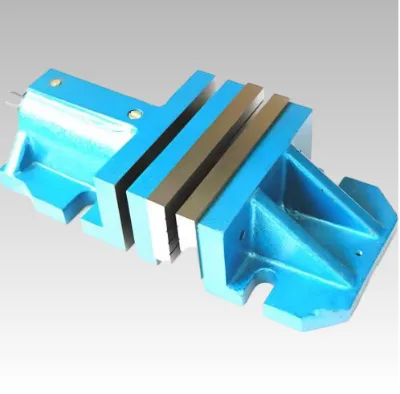
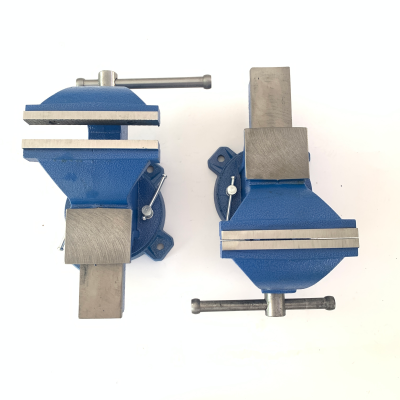
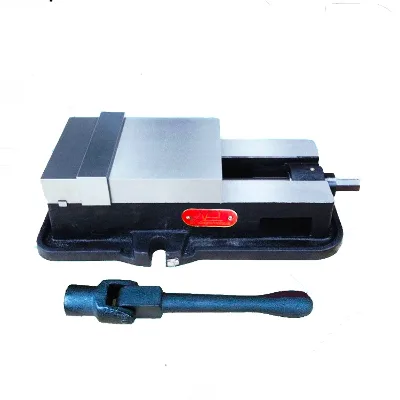
Adjustable High-Precision Vise for Versatile Grinding and Milling Tasks
$14.50 - $134.00
MOQ: 10 Pieces

High-Precision Adjustable Vise for Versatile Grinding and Milling Work
$14.50 - $134.00
MOQ: 10 Pieces

High-Precision Parallel Vise for Versatile Milling and Grinding Applications
$14.50 - $134.00
MOQ: 10 Pieces


Precision Parallel Vise for High-Performance Grinding and Milling Tasks
$14.50 - $134.00
MOQ: 10 Pieces


$9.00 - $21.00
MOQ: 100 Pieces


Comprehensive Sourcing Guide
High Precision Adjustable Parallel Vise Sourcing Guide
Procuring a High Precision Adjustable Parallel Vise requires a strategic approach that balances mechanical accuracy with the specific demands of industrial clamping applications. These tools are essential for securing workpieces during machining, welding, and assembly processes where dimensional stability is critical. Buyers must distinguish between general-purpose vises and those engineered for tight tolerances, as the latter often feature hardened jaws and precision-ground parallel surfaces to ensure consistent grip without damaging the workpiece.
The sourcing landscape for these components is characterized by a diverse range of specifications, from compact models suitable for light-duty tasks to heavy-duty variants designed for robust industrial environments. Understanding the specific operational context is the first step in narrowing down the supplier pool, as the required jaw width, clamping force, and material compatibility will dictate the necessary technical features. This guide outlines the critical verification steps and commercial considerations needed to secure reliable equipment that meets rigorous performance standards.
Product Scope and Observed Listing Signals
The market for adjustable parallel vises presents a wide spectrum of product attributes, ranging from standard cast iron models to high-grade stainless steel units. Observed listings indicate that materials vary significantly, with options including Stainless Steel, HT200 cast iron, and Nodular Cast Iron, each offering distinct advantages regarding corrosion resistance, weight, and durability. Buyers should carefully evaluate the material composition against their specific application environment, as the choice between a hardened high carbon steel jaw and a standard cast body will directly impact the tool's lifespan and precision retention under load.
Listing signals also reveal a high degree of customization availability, with many suppliers offering logo printing, OEM support, and tailored packaging solutions. The observed product models, such as the 428-01 and 628-70 series, suggest a modular approach to sizing, with available jaw widths spanning from 3 inches to 10 inches and standard dimensions like 4 inches and 5 inches. This variability allows procurement teams to select a unit that fits specific machine setups, while the presence of "Customized" attributes indicates that suppliers are prepared to adapt the vise structure, handle color, or shaft style to meet unique operational requirements.
Technical Specifications to Verify
When evaluating the technical integrity of a parallel vise, the jaw construction and material hardness are paramount indicators of performance. The supplied data highlights that high-quality units often feature jaws made of heat-treated and hardened high carbon steel, which are essential for maintaining a secure grip on workpieces without slipping or causing surface deformation. Buyers must verify that the jaw hardness and heat treatment processes are explicitly documented, as these factors determine the vise's ability to withstand the high clamping forces required in heavy-duty applications.
Dimensional consistency and structural design are equally critical, with observed specifications ranging from compact 20cm units to larger configurations up to 300mm in width. The structural integrity of the vise is often defined by its box joint design and the quality of the steel handle, which should be polished carbon steel to ensure smooth operation and resistance to wear. Procurement teams should request detailed drawings or physical samples to confirm that the parallel surfaces are ground to the specified tolerances, ensuring that the vise maintains alignment even after repeated use and exposure to industrial vibrations.
Compliance and Safety Documentation
Certification and safety compliance form the backbone of a reliable procurement strategy, ensuring that the purchased vises meet international quality and safety standards. The observed market data includes references to ISO 9001:2000 and SGS certifications, which serve as indicators that the manufacturer adheres to established quality management systems. While specific certification statuses may vary by supplier, buyers should insist on valid, up-to-date documentation that confirms the production facility's adherence to these rigorous standards, as this reduces the risk of receiving substandard or non-compliant equipment.
In addition to general quality certifications, specific product standards such as ROHS compliance are increasingly relevant for equipment intended for export or use in regulated industries. These standards ensure that the materials used in the vise, including paints and coatings, do not contain hazardous substances that could pose environmental or health risks. Buyers must verify that the supplier can provide test reports or compliance certificates for the specific models being ordered, particularly when the vises are intended for use in sensitive manufacturing environments where material safety is a priority.
Cost Drivers and Commercial Terms
The pricing of high precision adjustable parallel vises is influenced by a complex interplay of material costs, manufacturing complexity, and customization requirements. Observed price ranges in the market span from $9 to $480, reflecting the significant difference between basic cast iron models and premium stainless steel or heavily customized units. Buyers should analyze the cost structure relative to the material grade and feature set, understanding that higher prices often correlate with superior jaw hardness, precision grinding, and enhanced durability, which are critical for long-term operational efficiency.
Commercial terms, including Minimum Order Quantity (MOQ) and lead times, are equally important factors in the procurement decision. The market data indicates an MOQ range of 1 to 500 units, offering flexibility for both small-scale projects and large-scale industrial deployments. Delivery times are typically observed around 30 days, but this can vary based on the level of customization and the supplier's current production capacity. Procurement teams should negotiate clear terms regarding production schedules and shipping logistics to ensure that the equipment arrives in time for critical project milestones.
Supplier Qualification and Quality Control
Supplier qualification extends beyond basic product listings to include a thorough assessment of the manufacturer's quality control processes and production capabilities. The observed data mentions a 100% inspection rate for certain products, a strong indicator of a supplier's commitment to quality assurance. Buyers should verify the extent of this inspection process, ensuring that it covers critical dimensions, material hardness, and surface finish, rather than relying solely on a generic claim of "100% inspection."
The geographic origin of the supplier, with observed locations in Shandong and Qingdao, China, provides context for the manufacturing ecosystem but does not guarantee quality on its own. Buyers must conduct due diligence on the specific factory's track record, including their experience with OEM/ODM projects and their ability to maintain consistent quality across different production batches. Requesting references from previous clients and reviewing their quality management system documentation can provide valuable insights into the supplier's reliability and their capacity to meet the specific technical demands of the procurement.
Long-Term Procurement Checks
Establishing a long-term partnership with a vise supplier requires a focus on continuous quality monitoring and performance verification. Buyers should implement a system for periodic re-inspection of received goods to ensure that the products continue to meet the agreed-upon specifications and quality standards over time. This proactive approach helps identify any potential drift in manufacturing quality or material consistency, allowing for timely corrective actions before issues impact production schedules.
Furthermore, the ability of the supplier to support after-sales needs, such as spare parts availability and technical assistance, is a critical factor in long-term procurement success. Given the heavy-duty nature of these tools, wear and tear are inevitable, and a reliable supplier should be able to provide replacement jaws, handles, or other components to extend the life of the equipment. Buyers should negotiate service level agreements that include clear protocols for handling defects, returns, and technical support, ensuring that the procurement relationship remains robust and beneficial throughout the product lifecycle.
FAQs
What materials are used for high precision adjustable parallel vises?
These vises are typically constructed from stainless steel, HT200 cast iron, or nodular cast iron. The jaws are made of heat-treated and hardened high carbon steel for durability. Handles are often polished carbon steel, ensuring a secure grip during heavy-duty clamping operations in industrial settings.
Can I customize the logo and packaging for these vises?
Yes, customization is available for both logo printing and packaging. You can request custom logos on the product and choose from carton, wooden case, or inner box packaging. OEM and ODM services are supported to meet specific branding and logistical requirements for your business needs.
What certifications do these precision vises hold?
Manufacturers often provide ISO 9001 and SGS certifications to ensure quality management and product safety. These standards verify that the production processes meet international requirements for precision tools. Always verify specific certification documents with the supplier before placing large orders to ensure compliance with your regional regulations.
What are the typical specifications and sizes available?
Available sizes include 3, 4, 5, 6, 8, and 10 inches, with standard widths ranging from 100 to 300mm. Specific models like 428-01 and 628-70 offer various jaw capacities. The standard packaging dimensions are approximately 20x20x10 cm, suitable for efficient shipping and storage.
What is the lead time for ordering these vises?
The typical delivery time is around 30 days for standard orders. This timeline allows for production, 100% inspection, and packaging preparation. Lead times may vary based on customization requirements, order volume, and the supplier's current production schedule in regions like Shandong or Qingdao, China.
How are these vises packaged for shipping?
Products are packed in cartons, wooden cases, or inner boxes with master cartons. Some items use plastic bags inside strong inner boxes for protection. This secure packaging ensures the vises arrive undamaged, maintaining their precision and finish during international transit and handling by logistics providers.