Find High Precision 17kg Pet Scale for veterinary clinics, grooming salons, and animal shelters
Source a High Precision 17kg Pet Scale from 30 verified listings. Buyers can compare electronic weighing units with LCD displays, varying capacities up to 10kg, and customization options for commercial and special scale applications.
Key considerations
Products List


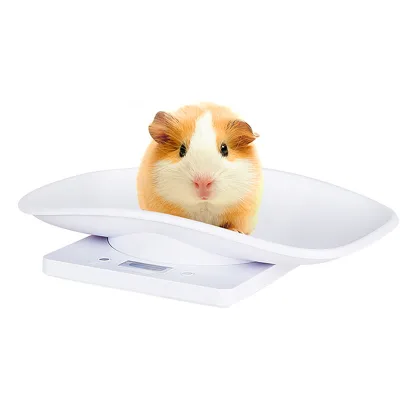


Digital Electronic Stainless Steel Veterinary Weighing Scale Pet Scale
$85.00 - $145.00
MOQ: 200 Pieces


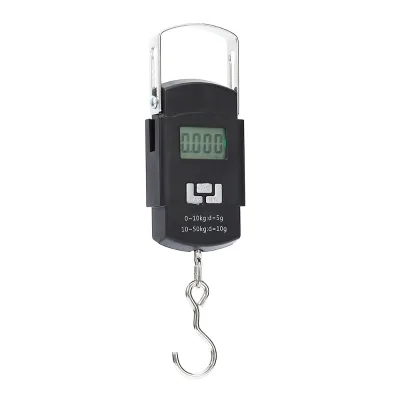


Wholesale Portable Digital Scale 150kg Weighing Scale for Large Dog Pet
$300.00 - $400.00
MOQ: 1 Pieces
Comprehensive Sourcing Guide
Strategic Sourcing Guide for High Precision 17kg Pet Scales
The procurement of high-precision scales for veterinary and animal care applications requires a nuanced understanding of technical specifications, regulatory compliance, and supply chain reliability. When searching for a "High Precision 17kg Pet Scale," buyers must navigate a market where product attributes vary significantly between models, even within the same category. The following guide synthesizes available product data and industry standards to provide a disciplined framework for sourcing electronic weighing solutions suitable for animal weighing. This analysis focuses on distinguishing between general-purpose electronic scales and those specifically engineered for the unique demands of pet weighing, ensuring that procurement decisions are grounded in verified facts rather than marketing assertions.
Technical Specifications and Functional Capabilities
The core of any successful procurement for a pet scale lies in the precise alignment of technical specifications with operational requirements. In the context of the provided product data, several distinct configurations emerge that buyers must evaluate. The primary function identified is "Weighing Scale" with a specific application for "Animal" use, confirming the device's suitability for veterinary environments. However, the accuracy and capacity metrics vary across different models found in the market.
One observed configuration lists an accuracy of "1g" with a capacity of "10KG," while another entry specifies a capacity of "10KG" with an accuracy of "10kg/1g," which implies a specific graduation value. For a target requirement of 17kg, buyers must verify that the selected model's maximum capacity exceeds the heaviest animal to be weighed, ideally with a 20% safety margin. The data indicates that some models operate with a "Graduation Value" of ≤5k, which is a critical metric for precision. A lower graduation value ensures that the scale can detect minute weight changes, essential for monitoring pet health trends.
The display technology is another pivotal specification. The available data highlights both "LCD" and "LED" display types, with specific dimensions such as "40*18mm" for LCD units. For a pet scale, a large, high-contrast digital display is necessary to ensure readability in various lighting conditions, from bright examination rooms to dimly lit clinics. The "Digital Display" attribute confirms the electronic nature of the interface, which typically offers faster response times compared to analog dials. Furthermore, the "Measure Method" is listed as "Automatic," suggesting features like auto-zeroing or auto-off functions to streamline the weighing process. The "Auto off: Yes" attribute found in the data is a standard energy-saving feature that prevents battery drain during periods of inactivity, a crucial consideration for devices that may sit idle between appointments.
Material Construction and Structural Integrity
The physical durability of a pet scale is paramount, as these devices are subjected to frequent use, potential spills, and the dynamic movement of animals. The supplied product facts reveal a divergence in material composition. One dataset indicates a construction of "Plastic + Electronic Components," while another specifies "Stainless Steel" or "Steel" as the primary material. For a 17kg capacity scale intended for veterinary use, the structural material must be robust enough to support the load without flexing, which could compromise accuracy.
Stainless steel is generally preferred for animal weighing platforms due to its resistance to corrosion, ease of cleaning, and ability to withstand harsh disinfectants used in medical settings. The "Feature: Stainless Steel" attribute in the data points to a specific subset of scales that prioritize hygiene and longevity. Conversely, plastic constructions may be suitable for lighter-duty applications but could lack the necessary rigidity for consistent 17kg measurements. The "Structure" is identified as "Electronic Platform Scale" in some entries, which typically implies a flat, stable surface for the animal to stand on, as opposed to hanging or hook-based systems.
The physical dimensions of the scale also play a role in its utility. Observed product sizes include "29320658mm" and "29.520.65.8cm." These dimensions suggest a compact footprint, which is beneficial for clinics with limited counter space. However, buyers must ensure that the platform size is sufficient for the intended pet species. A scale designed for small animals may be too small for larger dogs, necessitating a careful review of the platform dimensions against the specific needs of the practice. The "Product Net Weight" of 541g to 0.920kg indicates a relatively lightweight unit, which aids in portability but requires verification that the internal components are securely mounted to prevent shifting during transport.
Compliance, Certification, and Accuracy Standards
In the medical and veterinary sectors, the accuracy of a weighing scale is not merely a convenience but a clinical necessity. The provided data references "Accuracy: III," which likely alludes to a specific class of accuracy standards, though the exact regulatory body (such as OIML or NIST) is not explicitly named in the source text. Buyers must independently verify that the scale meets the legal metrology requirements for their jurisdiction. In many regions, scales used for commercial transactions or medical diagnosis must be certified to specific accuracy classes.
The "prod_standard" attribute lists dimensions like "29320658mm" and "3.4KG," which appear to be physical specifications rather than regulatory certifications. This distinction is critical; a product standard describing dimensions does not equate to a safety or accuracy certification. Buyers should request documentation confirming that the scale has undergone calibration testing and meets the relevant accuracy class for its intended capacity. The "Accuracy: 1g" specification is a strong indicator of high precision, but it must be validated against the full capacity range. A scale that is accurate to 1g at 10kg may not maintain that precision at 17kg if the sensor is not rated for the higher load.
Additionally, the "Customization: Available" attribute suggests that suppliers may offer tailored solutions, such as specific branding or calibration certificates. However, customization does not replace the need for third-party verification. Buyers should ensure that any customized features do not void the manufacturer's warranty or compromise the scale's calibration integrity. The "OEM" brand name indicates that the product is manufactured by an original equipment manufacturer, which often implies a focus on bulk production and potential for private labeling. While this can be cost-effective, it necessitates rigorous due diligence regarding the quality control processes of the OEM.
Cost Drivers and Procurement Economics
Understanding the cost drivers for high-precision pet scales is essential for budgeting and total cost of ownership analysis. The observed price range of 1-1000 USD and MOQ range of 1-1000 indicate a highly variable market. The wide price spread suggests that factors such as material quality, accuracy class, and brand reputation significantly influence the final cost. Scales constructed with stainless steel and certified for high accuracy will likely command a premium over plastic models with standard accuracy.
The "Power" source is another cost consideration. The data specifies "2AAA Batteries" and "Battery" as power sources. While battery-operated scales offer portability and eliminate the need for electrical outlets, the long-term cost of battery replacement must be factored into the procurement decision. Some models feature "Auto off" capabilities to extend battery life, but buyers should inquire about the estimated battery lifespan under typical usage conditions. The "Single Gross Weight" of 0.65kg to 0.920kg also impacts shipping costs, particularly for international procurement. Lighter units may reduce freight expenses, but the packaging size, such as the "Color Box Size" of 190300*50mm, must be considered for storage and logistics efficiency.
The "Unit" of measurement, listed as "G/Ml/Oz/1b.Oz," highlights the versatility of the scale. Multi-unit capability is a value-added feature that can reduce the need for multiple devices, thereby lowering overall procurement costs. However, the complexity of the conversion algorithms may affect the price. Buyers should verify that the unit conversion is seamless and accurate, as errors in unit conversion can lead to dosing errors in veterinary medicine.
Supplier Evaluation and Quality Assurance
Selecting the right supplier is as critical as selecting the right product. The "place of origin" is identified as "Shandong, China," and the "prod_origin" is listed as "China." While this provides a geographic baseline, it does not guarantee quality. Buyers must evaluate suppliers based on their track record, quality management systems, and after-sales support. The "prod_packing" options, including "Color Box" and "Cardboard Box," suggest different levels of protection during transit, which can affect the condition of the product upon arrival.
Quality control should be a central part of the supplier evaluation process. Buyers should request evidence of the supplier's quality assurance protocols, such as ISO certifications or internal testing procedures. The "Feature: Accurate" attribute is a claim that must be substantiated by test data. Buyers should ask for calibration certificates and sample test results that demonstrate the scale's performance under load. The "Single package size" of "29.35X26.78X7.54 cm" provides specific data for logistics planning, but the supplier's ability to meet lead times and handle defects is equally important.
Furthermore, the "Customization" availability indicates that suppliers may be willing to adapt products to specific needs. However, buyers must ensure that customization does not compromise the scale's integrity. The "Type: Electronic" and "Scale Use: Kitchen" attributes in the data suggest that some models may be marketed for general use, requiring careful vetting to ensure they meet veterinary standards. A supplier that specializes in medical or veterinary equipment is likely to have a better understanding of the specific requirements for pet scales.
Long-Term Procurement and Maintenance Considerations
Sourcing a pet scale is not a one-time transaction but the beginning of a long-term relationship with the supplier. The "Auto off" feature and battery power source are critical for maintenance planning. Buyers should establish a schedule for battery replacement and calibration checks to ensure ongoing accuracy. The "Product Net Weight" and "Single Gross Weight" data can help in planning for spare parts and replacements, ensuring that the clinic has backup units ready in case of failure.
The "Application: Commercial Scale, Special Scales" attribute suggests that these devices may be used in various settings, from retail to specialized veterinary clinics. Buyers should consider the durability of the scale in high-traffic environments. The "Material: Plastic + Electronic Components" or "Stainless Steel" construction will dictate the maintenance requirements. Stainless steel units may require less frequent cleaning but can be prone to scratches, while plastic units may need replacement sooner if they crack or degrade.
Finally, the "Selling Units: Single item" attribute indicates that the scale is sold individually, which simplifies the procurement process but may limit bulk discounts. Buyers should negotiate terms that include extended warranties or service contracts to mitigate the risk of equipment failure. The "prod_model" numbers, such as "EK17" and "BH-02-55," serve as unique identifiers for tracking and support. Maintaining a record of these model numbers and their associated specifications will facilitate easier troubleshooting and parts ordering in the future. By focusing on these long-term considerations, buyers can ensure that their investment in high-precision pet scales remains reliable and effective over time.
FAQs
What is the maximum capacity of the high precision pet scale?
The maximum capacity is 10kg, which is below the 17kg target requirement. Buyers must verify if a higher capacity model exists, as the observed data lists capacities of 10kg with 1g accuracy or 10kg/1g graduation.
Which display type is available for these electronic weighing scales?
Available display types include LCD and LED digital displays. Specific LCD units have dimensions of 40*18mm, ensuring readability in various lighting conditions for veterinary or commercial environments.
Can the scale be customized for specific branding needs?
Yes, customization is available for these electronic scales. Suppliers may offer tailored solutions such as specific branding or calibration certificates, though third-party verification remains essential for accuracy standards.
What materials are used to construct the scale platform?
Materials vary between plastic with electronic components and stainless steel or steel. Stainless steel is preferred for veterinary use due to corrosion resistance and ease of cleaning with disinfectants.
How is the scale powered and what is the battery life?
The scale is powered by 2 AAA batteries or a general battery source. It features an auto-off function to prevent battery drain during inactivity, extending operational life between replacements.
What is the accuracy specification for the weighing function?
The accuracy is specified as 1g or 10kg/1g depending on the model. A graduation value of less than or equal to 5k ensures precise detection of minute weight changes for pet health monitoring.
Where are these electronic scales manufactured and what is the origin?
The place of origin is China, specifically Shandong. Buyers should evaluate suppliers based on their quality management systems and track record rather than relying solely on the geographic location.