Source High Precision Industrial Laser Rangefinder for Surveying, Hunting, and Construction
Find 30 High Precision Industrial Laser Rangefinder options with varying measurement ranges and magnifications. Buyers can compare models like TS 1224-2000 and CP-100S to select devices suitable for surveying, hunting, and construction applications.
Key considerations
Products List

Long Distance Laser Measurement Module 2000m 905nm Industrial Rangefinder
$134.00 - $168.00
MOQ: 1 Pieces


Long Range 2000 Meter Laser Rangefinder Module for Industrial Applications
$134.00 - $168.00
MOQ: 1 Pieces


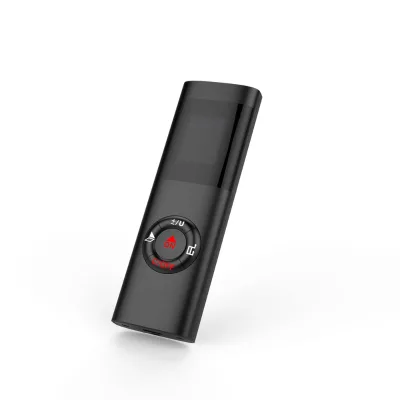


Comprehensive Sourcing Guide
Strategic Sourcing Guide for High Precision Industrial Laser Rangefinders
The procurement of high precision industrial laser rangefinders requires a rigorous approach that balances technical performance with supply chain reliability. These devices are critical for applications ranging from construction surveying and industrial automation to military targeting and environmental monitoring. Buyers must navigate a complex landscape where specifications vary significantly between models, and where the distinction between consumer-grade and industrial-grade equipment is often defined by specific technical parameters rather than general marketing claims. This guide outlines the essential factors for sourcing these instruments, focusing on verified attributes, compliance requirements, and operational suitability.
Technical Specifications and Performance Verification
When evaluating laser rangefinders, the primary focus must be on the core measurement capabilities. The device's ability to provide accurate distance data is contingent upon its measurement range, resolution, and accuracy. In the current market, observed models demonstrate a wide variance in these parameters. Some units are designed for short-range precision with a measurement range of up to 120 meters, while others are engineered for long-distance industrial applications capable of measuring up to 3000 meters. The resolution of these devices is equally critical; high-precision units often offer a resolution of 0.1 meters, allowing for fine-tuned adjustments in industrial settings where millimeter-level accuracy is not always feasible but sub-meter precision is mandatory.
Beyond range and resolution, optical specifications define the usability of the instrument in various lighting conditions. The objective diameter, which determines the amount of light entering the device, is a key differentiator. Available configurations include objective diameters of 21mm, 22mm, and 25mm. A larger objective diameter generally correlates with better low-light performance and a brighter image, which is essential for outdoor industrial operations. Furthermore, the magnification power, observed in the market as 6X and 8X, dictates the field of view and the ability to target distant objects clearly. For instance, a 6X25 configuration offers a specific balance of magnification and light gathering, whereas a 6X21 model might prioritize portability. The field of view, often expressed in meters per 1000 meters (e.g., 122m/1000m), helps buyers understand the scope of the area visible through the eyepiece, which is vital for scanning large sites.
Physical dimensions and weight are also significant for industrial deployment. Units vary from compact handheld devices with dimensions around 96.84.2 cm and a net weight of 150g, to larger, more robust models measuring 12112758 mm. The choice between these form factors depends on whether the device will be mounted on a tripod, carried in a pocket, or integrated into a larger machinery system. Additionally, the presence of specific operational modes, such as Pole Lock, Rain, Hunting, Scan, and Standard, indicates the device's versatility. The inclusion of a scanning function allows for continuous measurement updates, which is a valuable feature for dynamic environments where targets are moving or the operator is in motion.
Compliance, Certification, and Regulatory Standards
Ensuring that a laser rangefinder meets international safety and quality standards is a non-negotiable aspect of industrial procurement. While specific certification statuses must be verified on a per-supplier basis, the market commonly references compliance with CE, FCC, RoHS, and FDA standards. These certifications indicate that the device adheres to electromagnetic compatibility regulations, restricts the use of hazardous substances, and meets specific safety guidelines for laser emission. For industrial buyers, confirming that a product carries the CE and FCC marks is often the first step in validating its legality for sale and use in North American and European markets.
In addition to safety certifications, buyers must scrutinize the product standards and model numbers to ensure they align with industry requirements. Observed product standards include specific dimensional codes such as 2624.611.4mm, 1106934mm, and 433521mm, which likely correspond to specific housing or lens configurations. It is crucial to verify that the listed standard matches the physical product received, as discrepancies can indicate counterfeit goods or non-compliant manufacturing. Furthermore, the measurement accuracy claims, such as +/-1 meter or +/-0.2%, must be supported by independent test data or manufacturer documentation. Buyers should not rely solely on marketing assertions but should request calibration certificates that validate these accuracy figures under controlled conditions.
The origin of the product also plays a role in compliance. Many high-precision units originate from manufacturing hubs in China, specifically regions like Shandong and Chongqing. While these regions are known for robust electronics manufacturing, buyers must ensure that the "Made in China" label does not bypass necessary export controls or quality audits. The presence of OEM capabilities, as indicated by brands like Dontop, suggests that customization is available, but this also requires strict oversight to ensure that the customized units maintain the same certification levels as the standard models.
Cost Drivers and Pricing Structures
The pricing of industrial laser rangefinders is influenced by a multitude of factors, including optical quality, measurement range, and the inclusion of advanced features. The observed price range in the market spans from 9 USD to 435 USD, reflecting the vast difference between basic entry-level units and high-end industrial instruments. The lower end of this spectrum typically includes devices with shorter ranges, lower magnification, and basic packaging, while the higher end encompasses units with extended ranges (up to 3000m), superior resolution, and specialized modes like scanning or pole lock.
Minimum Order Quantity (MOQ) is another critical cost driver. The market exhibits an MOQ range from 1 unit to 1000 units. For small-scale procurement or pilot testing, buyers can often source single units, which allows for thorough evaluation before committing to larger orders. However, for bulk industrial deployments, negotiating lower unit costs through higher MOQs is a standard practice. Buyers should be aware that customization options, such as OEM branding or specific packaging requirements, may increase the MOQ or unit price. The packaging itself, whether it is an anti-static bag, a standard box, a soft pouch, or a neutral color box, can also impact the final cost, particularly for sensitive electronic components that require protection during transit.
Typical Applications and Operational Use Cases
High precision laser rangefinders are deployed across a diverse array of industries, each with unique operational requirements. In the construction and surveying sectors, these devices are used for measuring distances, elevations, and areas with high accuracy. The ability to measure up to 3000 meters makes them suitable for large-scale infrastructure projects, while the 120-meter range is sufficient for interior design and room measurements. The "Usage" attribute, often listed as "for Measure Distance," underscores their primary function, but the specific modes like "Hunting" or "Scan" indicate adaptations for forestry, wildlife management, and military applications.
The durability and environmental resistance of the device are paramount for industrial use. Many units are designed to withstand harsh conditions, with some featuring IP67 ratings, which indicate protection against dust and temporary immersion in water. This makes them suitable for outdoor construction sites, mining operations, and field surveys where weather conditions can be unpredictable. The inclusion of specific modes like "Rain" suggests that the device can function accurately even in adverse weather, a critical feature for maintaining productivity in challenging environments.
Supplier Evaluation and Quality Control
Selecting the right supplier is as important as selecting the right product. Buyers should prioritize suppliers who offer transparent information about their manufacturing processes, quality control measures, and after-sales support. The availability of customization, such as OEM branding and specific packaging, is a strong indicator of a supplier's flexibility and capability. However, buyers must verify that these customizations do not compromise the product's integrity or compliance status.
Quality control should be a continuous process, starting from the initial sample review to the final shipment inspection. Buyers should request detailed specifications, including the exact model number (e.g., TS 1224-2000, PTFS-100, LR1001G-600m), and verify that these match the physical product. The use of anti-static bags and cartons for packaging is a positive sign of attention to detail, as it protects the sensitive electronic components from static discharge and physical damage during shipping. Additionally, the net weight and dimensions provided in the product data should be cross-referenced with the actual shipment to ensure consistency.
Long-Term Procurement and Maintenance Considerations
For long-term procurement, buyers must consider the lifecycle of the laser rangefinder, including maintenance, calibration, and replacement costs. High-precision devices require periodic calibration to maintain their accuracy, especially if they are used in demanding industrial environments. Buyers should inquire about the availability of calibration services and the cost associated with them. The warranty terms and the supplier's reputation for supporting their products over time are also critical factors.
The unit of measurement, whether meters or yards, is another consideration for international operations. Devices that support both units offer greater flexibility for global teams. Furthermore, the color options, such as camo, black, green, or OEM colors, can be important for specific operational needs, such as blending into a natural environment or adhering to corporate branding guidelines.
Comparative Analysis of Key Product Attributes
To facilitate informed decision-making, the following table summarizes key attributes observed in the market for high precision industrial laser rangefinders. This comparison highlights the variability in specifications and helps buyers identify the features that align with their specific needs.
| Attribute Category | Observed Range / Options | Relevance to Industrial Use |
|---|---|---|
| Measurement Range | 120m to 3000m | Determines suitability for short-range interior vs. long-range surveying. |
| Resolution | 0.1m | Critical for applications requiring fine-tuned distance adjustments. |
| Accuracy | +/-1m, +/-0.2%, +/-5 Km/H | Defines the reliability of data for engineering and construction tasks. |
| Magnification | 6X, 8X | Affects target identification and clarity at distance. |
| Objective Diameter | 21mm, 22mm, 25mm | Influences light gathering and performance in low-light conditions. |
| Field of View | 122m/1000m | Indicates the scope of the area visible through the device. |
| Water Resistance | IP67 (Observed) | Essential for outdoor and harsh environment operations. |
| Special Modes | Pole Lock, Rain, Hunting, Scan, Standard | Enhances versatility for specific industries like forestry or military. |
| Packaging | Anti-Static Bag, Box, Soft Pouch, Carton | Protects device during transit; affects unboxing experience. |
| Origin | Shandong, Chongqing, China | Indicates manufacturing hub; requires verification of quality standards. |
Conclusion
Sourcing high precision industrial laser rangefinders requires a meticulous approach that prioritizes technical specifications, compliance, and supplier reliability. By carefully evaluating the measurement range, resolution, accuracy, and optical properties, buyers can select devices that meet their specific operational needs. The wide range of prices and MOQs available in the market offers flexibility for different procurement strategies, but buyers must remain vigilant in verifying certifications and quality standards. Ultimately, the success of a procurement campaign depends on the ability to match the right technical capabilities with the right supplier, ensuring that the investment delivers value and reliability over the long term.
FAQs
What is the measurement range for high precision industrial laser rangefinders?
Measurement ranges vary from 120 meters up to 3000 meters depending on the specific model selected. Some units offer a resolution of 0.1 meters for fine adjustments, while others provide broader coverage for large-scale surveying projects requiring long-distance accuracy.
Which certifications are commonly available for these industrial devices?
Common certifications include CE, FCC, RoHS, and FDA compliance for safety and electromagnetic compatibility. Buyers should verify that specific models carry these marks to ensure they meet international regulatory standards for industrial use and export requirements.
How does the objective diameter affect performance in low light?
Larger objective diameters, such as 25mm or 22mm, generally provide better light gathering for clearer images in low light. Smaller diameters like 21mm prioritize portability but may reduce visibility in dim conditions compared to larger lens configurations.
Can I find suppliers offering customization and OEM services?
Yes, many suppliers offer customization and OEM services for branding and specific packaging requirements. Options include anti-static bags, cartons, or soft pouches, allowing buyers to tailor the product to their corporate identity or specific operational needs.
What is the typical minimum order quantity for these rangefinders?
Minimum order quantities range from 1 unit for testing to 1000 units for bulk industrial deployments. Buyers can often source single units for evaluation before committing to larger orders, though customization may influence the required quantity.
Which locations are the primary origins for these industrial instruments?
Primary manufacturing origins include Shandong and Chongqing in China, known for robust electronics production. Buyers should verify the place of origin to ensure compliance with export controls and to assess the reliability of the manufacturing hub.