Source Telescopic 65Mn Pole Saw for Tree Trimming, Branch Cutting, and Roof Work
Compare 30 listings of telescopic 65mn pole saws from verified manufacturers. Buyers can evaluate specifications like motor power, cutting depth, and handle length to find the right tool for professional arborist or DIY applications; compare the available evidence and request quotations based on your requirements.
Key considerations
Products List
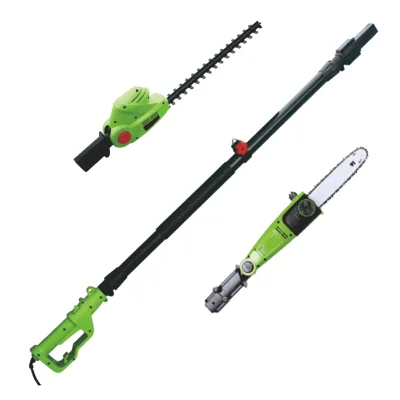


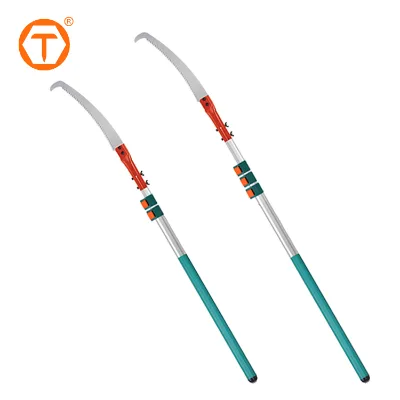


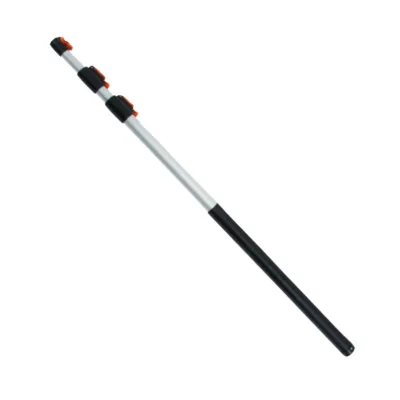

Free Telescopic Aluminum Alloy High Branch Pole Suitable for Various Garden Tools
$69.00 - $72.00
MOQ: 50 Pieces

Adjustable Extension Pole, Aluminum Alloy Telescopic Pole for Garden Tools
$68.70 - $69.00
MOQ: 50 Pieces

Joint-Type High Pole with Optional Extension Pole, Compatible with Garden Tools
$69.00 - $72.00
MOQ: 50 Pieces


High Precision Masonry Saw with 600mm Cutting Length and 45 Degree Tilt
$451.00 - $485.00
MOQ: 1 Pieces
Comprehensive Sourcing Guide
Telescopic 65Mn Pole Saw Sourcing Guide
The Telescopic 65Mn Pole Saw represents a specialized category of electric cutting equipment designed for elevated tree maintenance and branch removal. These tools typically feature extendable aluminum or stainless steel handles that allow operators to reach heights exceeding standard reach limits without ladders. The core construction often integrates a brushed motor system powered by a 230-240V electric source, delivering consistent torque for cutting wood branches up to specific diameters. Buyers must distinguish between models intended for DIY tasks and those rated for professional industrial applications, as the frame material and motor durability vary significantly between these tiers.
Procurement decisions should prioritize the specific operational environment where the saw will be deployed, as the listed specifications indicate a range of capabilities from basic pruning to heavy-duty cutting. The observed product data suggests a focus on electric power sources with variable no-load speeds, which directly impacts cutting efficiency and user control. When evaluating listings, verify that the handle material matches the required durability for the intended frequency of use. Understanding the distinction between single-item sales and bulk packaging configurations is essential for aligning inventory needs with budget constraints and storage capabilities.
Product Scope and Observed Listing Signals
Market listings for this equipment often display a wide variance in physical dimensions and weight, reflecting the diverse configurations available from different manufacturers. Some units are described with a total length of 2.6 meters, while others offer extended reach up to 5.4 meters through telescopic mechanisms. The weight of individual units can range from approximately 2.8 kilograms to nearly 6 kilograms, a factor that significantly influences operator fatigue during prolonged use. Buyers should carefully cross-reference the single package size and gross weight against their logistical requirements to ensure safe handling and efficient shipping.
The functional scope of these tools extends beyond simple cutting, with many models featuring oil tanks for chain lubrication and specific blade materials like SK5 steel for enhanced edge retention. Listings frequently highlight customization support, including OEM and ODM services, which allows buyers to tailor branding or specific technical features to their market needs. However, the presence of varying descriptions, such as "picture" for color or "other" for weight, indicates a need for rigorous verification of actual product attributes before finalizing orders. This variability underscores the importance of requesting detailed technical datasheets rather than relying solely on summary marketing text.
Technical Specifications to Verify
Electrical performance is a critical verification point, as the supplied data indicates a voltage range of 230-240V at 50/60Hz, which must match the local power grid infrastructure. The rated power often fluctuates between 680W and 710W, directly influencing the cutting speed and ability to handle dense wood. Buyers must confirm the no-load speed, which is frequently listed around 6500 RPM, as this metric determines the chain speed and overall cutting efficiency. Ensuring the motor type is compatible with the intended duty cycle prevents premature failure and maintains consistent performance under load.
Mechanical specifications require equal scrutiny, particularly regarding the blade diameter and maximum cutting depth, which are often cited as 8 inches for specific models. The chain speed, observed at 500 meters per minute, is a key indicator of how quickly the tool can process material, while the teeth per inch count affects the smoothness of the cut. It is essential to verify the total length specifications, as some units offer dual-length configurations of 2.7 meters and 5.4 meters. Confirming the frame material, whether aluminum or stainless steel, ensures the tool can withstand the mechanical stresses of extended reach operations without compromising structural integrity.
Compliance and Safety Documentation
Safety compliance for electric pole saws involves verifying that the product meets regional electrical safety standards and mechanical protection requirements. While specific certification marks are not universally listed in the provided data, buyers should request evidence of compliance with relevant international standards for handheld power tools. The presence of a warranty period, often noted as one year, serves as an initial indicator of the manufacturer's confidence in product safety and durability. However, a warranty alone does not substitute for formal safety testing documentation, which should be explicitly requested during the supplier qualification phase.
Documentation regarding the power source and operating voltage is vital for ensuring the tool is safe for use in the target market. The listed operating voltage of 230-240V suggests compatibility with standard industrial and commercial power systems, but buyers must confirm that the plug type and frequency match local regulations. Additionally, the classification of the product as either DIY or Industrial grade implies different safety protocols and user training requirements. Procurement teams should ensure that the supplier provides clear instructions on safe operation, including chain tensioning and lubrication procedures, to mitigate the risk of accidents during field use.
Cost Drivers and Commercial Terms
The commercial landscape for telescopic pole saws is influenced by significant variations in minimum order quantities, which can range from single units to thousands of pieces. Some listings indicate an MOQ of 1000 pieces, while others allow for smaller trial orders, creating a complex pricing structure that depends heavily on volume. The observed price range spans from under one dollar to nearly eight hundred dollars, reflecting differences in motor quality, handle length, and included accessories. Buyers must analyze the cost per unit relative to the specified features to determine the true value proposition of each supplier offering.
Packaging and logistics costs are substantial factors in the total landed cost, as the single package size can vary from compact 35x15x10 cm units to larger 130x45x45 cm configurations. Bulk packaging options, such as 120x38x38 cm for four pieces, offer potential savings on shipping but require adequate storage space. The origin of the product, primarily from Jiangsu or Zhejiang in China, impacts freight rates and lead times, which should be factored into the overall budget. Understanding the selling units and whether the price includes customization services is crucial for accurate financial planning and margin analysis.
Supplier Qualification and Quality Control
Supplier qualification should focus on verifying the manufacturing location and the specific quality grade of the products offered. The data indicates origins in Jiangsu and Zhejiang, regions known for their manufacturing capabilities, but buyers must confirm the specific factory's track record for producing professional-level equipment. The distinction between DIY and industrial grades is critical, as it dictates the expected lifespan and performance under heavy use. Requesting samples for independent testing allows buyers to validate claims regarding motor power, chain speed, and structural durability before committing to large orders.
Quality control processes must be rigorously assessed to ensure consistency across production batches. The availability of customization support, including OEM, ODM, and OBM services, suggests that suppliers have the capacity to adapt products to specific buyer requirements. However, the presence of generic descriptions like "Check" for packing or "picture" for color highlights the need for strict quality assurance protocols. Buyers should implement a pre-shipment inspection regime to verify that the final products match the agreed-upon specifications for weight, dimensions, and electrical performance. Establishing clear communication channels for addressing defects is essential for maintaining supply chain reliability.
Long-Term Procurement Checks
Sustaining a successful procurement relationship requires ongoing monitoring of product performance and supplier responsiveness over time. The warranty period of one year provides a baseline for evaluating product reliability, but long-term checks should extend beyond this timeframe to assess wear and tear on critical components like the chain and motor. Buyers should track failure rates and maintenance costs to determine if the initial low unit price translates into lower total cost of ownership. Regular feedback loops with the supplier help identify potential design improvements or necessary adjustments to meet evolving market demands.
Future procurement strategies should account for the potential for supply chain disruptions and the need for consistent inventory levels. The wide range of observed MOQs and lead times necessitates a flexible ordering strategy that balances stock availability with cash flow management. As the market for telescopic pole saws evolves, buyers must remain vigilant regarding changes in technical standards and safety regulations. Maintaining a diversified supplier base can mitigate risks associated with single-source dependencies and ensure a steady supply of high-quality equipment for ongoing operations.
FAQs
What is the maximum cutting length for this telescopic pole saw?
The maximum cutting length reaches 2.6 meters, allowing for efficient trimming of high branches without a ladder. This extended reach is ideal for orchard maintenance and large garden cleanup tasks. The telescopic design ensures stability while operating at height, making it a practical tool for professional arborists and homeowners alike.
Can this pole saw be customized with OEM or ODM services?
Yes, customized support including OEM and ODM services is available for this product. Buyers can request specific branding, packaging, or functional modifications to meet unique market needs. This flexibility allows businesses to tailor the Telescopic 65Mn Pole Saw to their specific requirements, ensuring brand consistency and product differentiation in their respective regions.
What is the rated power and voltage specification for the motor?
The rated power is 710 watts, operating on a voltage of 230-240V at 50/60Hz. This electric power source ensures consistent performance for wood cutting applications. The brushed motor type provides reliable durability, making it suitable for both DIY projects and industrial use where steady power delivery is essential for effective branch trimming.
What is the minimum order quantity for bulk purchases?
The minimum order quantity is 1000 pieces for bulk procurement. This threshold is designed for wholesale buyers and distributors seeking to stock inventory. Buyers should note that pricing and lead times may vary based on order volume, so contacting suppliers directly for quotes on larger quantities is recommended to secure the best possible terms for your business.
Where is the place of origin for this telescopic pole saw?
The place of origin is listed as Jiangsu or Zhejiang, China. These regions are known for manufacturing quality power tools and garden equipment. Buyers can expect products manufactured in these areas to adhere to standard industrial practices, ensuring reliable build quality and consistent performance for the Telescopic 65Mn Pole Saw across various global markets.
What is the warranty period for this product?
The warranty period is one year for this telescopic pole saw. This coverage provides buyers with assurance regarding product durability and manufacturing quality. It is advisable to review specific warranty terms with the supplier, as conditions may vary. This standard warranty helps mitigate risks for bulk purchasers and supports long-term customer satisfaction with the equipment.