Source Cordless Telescoping Tree Pruner for Orchard, Garden, and Farm
Find and compare 30 Cordless Telescoping Tree Pruner options featuring brushless motors, lithium-ion batteries, and various cutting capacities. Evaluate models with ratchet mechanisms, adjustable speeds, and different handle materials to match your specific pruning requirements; compare the available evidence and request quotations based on your requirements.
Key considerations
Products List


Portable 180 ° Pole Aerial Pruning Extension Tool 2.1m Outdoor Garden Pruning Tool
$15.10 - $15.70
MOQ: 50 Pieces

Electric Pruning Shears Cordless Tree Pruner Branch Cutter Pruners for Gardening
$50.00 - $65.00
MOQ: 100 Pieces


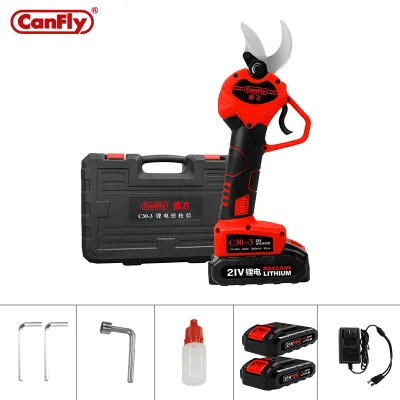
Cordless 21V Battery Electric Pruner Scissors Electric Pruning Shears for Trees
$50.00 - $65.00
MOQ: 100 Pieces


Garden Machine Saw Cutter Tree Cutter Pruner Tree Pruner Garden Trimmer
$5920.00 - $6150.00
MOQ: 1 SET


Comprehensive Sourcing Guide
Cordless Telescoping Tree Pruner Sourcing Guide
Sourcing electric pruning shears requires careful evaluation of power systems, cutting capacity, and ergonomic design to ensure field reliability. The observed market data indicates a diverse range of models, from basic manual-style electric tools to advanced brushless motor units with high torque. Buyers must distinguish between simple battery-operated cutters and professional-grade telescoping systems that offer extended reach without sacrificing cutting precision. Understanding the specific mechanical advantages, such as ratchet mechanisms or straight versus beak blade shapes, is critical for matching the tool to the intended pruning task.
Commercial listings reveal significant variation in technical specifications, including motor speed, battery capacity, and maximum cutting diameter. Prices range widely, reflecting differences in build quality, material composition, and included accessories. Procurement teams should focus on verifying the actual performance metrics, such as running time and charging speed, rather than relying solely on advertised power ratings. This guide provides a structured approach to evaluating these tools, ensuring that selected products meet both operational demands and safety standards for professional arboriculture or large-scale landscaping operations.
Product Scope and Observed Listing Signals
The current market offers a variety of cordless pruning tools, including models with brushless motors and lithium-ion batteries. Observed specifications highlight key differentiators such as motor speeds reaching 23,000 RPM and maximum cutting capacities up to 35mm. Some units feature advanced power systems with dual battery options, extending working time to four or six hours, while others rely on standard 2Ah packs for shorter, lighter tasks. These variations directly impact the tool’s suitability for heavy-duty branch cutting versus light maintenance work, requiring buyers to align specifications with their specific operational intensity.
Product attributes also reveal diverse design choices, including beak, elbow, and straight blade shapes, as well as ratchet mechanisms for enhanced leverage. Finishing options range from plastic-coated handles for grip and corrosion resistance to uncoated metal constructions for durability. Packaging varies from simple cartons to blow-molding boxes, indicating different levels of product protection and retail readiness. Buyers should examine these physical attributes closely, as they influence user comfort, tool longevity, and the overall value proposition of the procurement order, ensuring the selected model fits the ergonomic and environmental needs of the end-user.
Technical Specifications to Verify
Motor technology is a primary determinant of performance, with brushless motors offering greater efficiency and longevity compared to brushed alternatives. Buyers must verify the rated voltage, typically DC 16.8V, and confirm the battery capacity, which can range from 2Ah to 4.5Ah. Higher capacity batteries extend running time, with some models promising up to six hours of continuous operation. It is essential to cross-reference the advertised working time with real-world usage scenarios, as heavy loads on thick branches will drain power faster than light trimming. Ensuring compatibility between the battery and the charger is also crucial for maintaining consistent performance and preventing premature battery degradation.
Cutting capacity and blade geometry significantly affect the tool’s versatility and effectiveness. Models with a 35mm cutting diameter are suitable for larger branches, while those limited to 28mm or 32mm are better for smaller limbs. The shape of the blade, whether beak, elbow, or straight, determines access to tight spaces and the angle of cut. Additionally, features like adjustable speed modes and ratchet mechanisms provide users with greater control and cutting power. Procurement teams should request detailed technical sheets that specify these parameters, ensuring that the selected pruner can handle the maximum branch thickness required for their specific applications without stalling or damaging the motor.
Compliance and Safety Documentation
Safety certifications are non-negotiable for electric gardening tools, particularly those operating at higher voltages. Buyers must verify that products comply with relevant regional standards, such as GS, CE, EMC, and ROHS, which ensure electrical safety, electromagnetic compatibility, and restricted hazardous substances. These certifications indicate that the manufacturer has undergone rigorous testing and meets international safety requirements. Documentation should include test reports from accredited laboratories, confirming that the tool’s insulation, grounding, and leakage current are within safe limits. Without proper certification, products may face regulatory hurdles or pose significant risks to users in the field.
Electrical safety extends beyond certification to include proper battery management and charging protocols. Lithium-ion batteries require protection circuits to prevent overcharging, overheating, and short circuits. Buyers should ensure that the charger and battery pack are designed to work together seamlessly, with clear indicators for charging status and fault detection. Additionally, the tool’s housing should provide adequate insulation and protection against moisture and debris. Procurement teams should request user manuals and safety warnings in the target market’s language, ensuring that operators are fully informed about safe handling, maintenance, and emergency procedures to minimize the risk of injury or equipment failure.
Cost Drivers and Commercial Terms
Pricing for cordless pruning shears varies significantly based on motor type, battery capacity, and build quality. Models with brushless motors and high-capacity batteries command higher prices due to their superior performance and durability. Conversely, basic models with brushed motors and smaller batteries are more affordable but may lack the power and longevity required for professional use. Buyers should analyze the total cost of ownership, including battery replacement and maintenance costs, rather than focusing solely on the initial purchase price. Understanding these cost drivers helps in selecting the most cost-effective solution for the intended application and usage frequency.
Minimum order quantities (MOQ) and packaging options also influence commercial terms. MOQs can range from single units to thousands, depending on the supplier’s production capacity and business model. Packaging varies from simple cartons to premium blow-molding boxes, affecting both product protection and retail presentation. Buyers should negotiate terms that align with their inventory management strategies and sales channels. Additionally, lead times and shipping costs should be considered, as they impact the overall procurement budget and delivery schedule. Clear communication regarding these terms ensures a smooth transaction and avoids unexpected delays or expenses.
Supplier Qualification and Quality Control
Supplier qualification is critical for ensuring consistent product quality and reliable after-sales support. Buyers should verify the manufacturer’s production capabilities, quality management systems, and track record in the power tool industry. Factories with ISO certifications and dedicated R&D teams are more likely to deliver high-quality products that meet technical specifications. Additionally, suppliers should provide comprehensive documentation, including test reports, user manuals, and warranty terms. Establishing a strong relationship with a qualified supplier ensures access to technical support, spare parts, and potential product improvements, reducing the risk of procurement issues.
Quality control measures must be implemented throughout the production process to maintain product consistency. Buyers should request samples for thorough testing, evaluating performance, durability, and safety features. Incoming inspection protocols should include checks for electrical safety, mechanical integrity, and cosmetic defects. Suppliers should also provide clear guidelines for storage and handling to prevent damage during transit. Regular audits and performance reviews help maintain high standards and identify areas for improvement. By prioritizing quality control, buyers can ensure that the procured pruning shears meet their operational requirements and provide reliable service to end-users.
Long-Term Procurement Checks
Long-term success depends on ongoing supplier performance monitoring and product lifecycle management. Buyers should establish key performance indicators (KPIs) to track product reliability, customer feedback, and warranty claims. Regular reviews of supplier performance help identify potential issues early, allowing for proactive resolution. Additionally, staying informed about industry trends and technological advancements ensures that the procurement strategy remains competitive and aligned with market demands. Continuous improvement initiatives, such as feedback loops with end-users, can drive product enhancements and innovation, keeping the procurement portfolio relevant and valuable.
Sustainability and regulatory compliance are increasingly important factors in long-term procurement. Buyers should monitor changes in environmental regulations and safety standards, ensuring that products remain compliant over their lifecycle. This includes managing battery disposal and recycling programs to minimize environmental impact. Additionally, suppliers should be evaluated on their sustainability practices, such as energy-efficient manufacturing and responsible sourcing of materials. By integrating sustainability into the procurement strategy, buyers can reduce risks, enhance brand reputation, and contribute to a more sustainable future, ensuring long-term value for both the organization and its customers.
FAQs
What is the maximum cutting capacity for these pruners?
The maximum cutting capacity reaches 35mm for specific models like CDPS009-35. Other variants offer capacities of 28mm or 32mm depending on the specific product model selected. Buyers should verify the exact cutting diameter required for their trees before purchasing to ensure compatibility with branch sizes.
How long does the battery last during operation?
Running time varies between 2 to 6 hours depending on the battery configuration used. Models with a 4.5ah battery can operate for 5 to 6 hours, while those with 2ah batteries typically last 2 to 3 hours. Charging times generally range from 1.5 to 2 hours for full power restoration.
Which certifications do these electric pruners hold?
Many models comply with GS, CE, EMC, and ROHS standards for safety and environmental protection. These certifications ensure the products meet international regulatory requirements for electrical tools. Buyers should request specific certification documents from suppliers to verify compliance for their target markets before placing large orders.
Can I customize the packaging for bulk orders?
Customization is available for various packaging types including BMC, carton, and blow molding boxes. Suppliers offer options like plastic boxes combined with cartons or bulk packs of six pieces. Buyers can discuss specific branding or structural requirements with manufacturers to tailor the packaging to their distribution needs.
What is the motor speed of the brushless models?
The brushless motor operates at a speed of 23000 revolutions per minute for efficient cutting performance. This high speed ensures clean cuts on branches up to the maximum capacity limit. The motor type contributes to longer tool life and reduced maintenance compared to brushed alternatives.
Where are these cordless pruners manufactured?
Products originate from China, with specific manufacturing hubs located in Zhejiang province. This region is known for its established supply chain for power tools and gardening equipment. Buyers should confirm the exact factory location during the sourcing process to assess logistics and lead times accurately.
What is the weight of the pruner with battery?
The total weight is 1.08kg when equipped with the 4.5ah battery. This weight includes the motor, handle, and battery pack for a complete operational unit. The design balances portability with the power needed for extended pruning tasks in orchards or gardens.