Source High Precision Zirconia Ceramic Nozzle for Industry
Find and compare High Precision Zirconia Ceramic Nozzle options from 30 verified listings. Evaluate specifications such as 0.005mm tolerance, density over 4 g/cm3, and customization availability for refractory, medical, and electronics applications.
Key considerations
Products List

High Precision Wholesale Yttria Stabilized Zirconia Ceramic Zro2 Nozzle
$1.50 - $10.00
MOQ: 100 Pieces


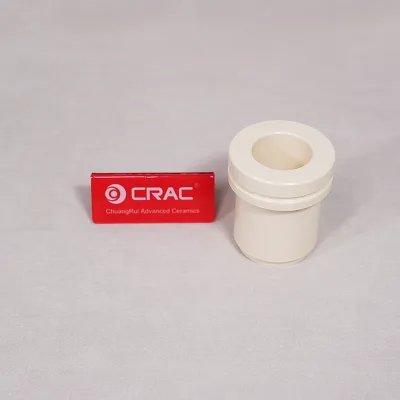


Constant Bore Nozzle for Steelmaking Zirconia Nozzle
$18.00 - $20.00
MOQ: 100 Pieces
Luoyang Zhongwei Metallurgical Material Technology Co., Ltd.


Tundish Nozzle Zirconia Insert for Continous Casting
$15.00 - $18.00
MOQ: 100 Pieces
Luoyang Zhongwei Metallurgical Material Technology Co., Ltd.




Comprehensive Sourcing Guide
High Precision Zirconia Ceramic Nozzle Sourcing Guide
Sourcing high precision zirconia ceramic nozzles requires a disciplined approach that balances material science with rigorous manufacturing tolerances. Zirconia, specifically yttria-stabilized zirconia, is selected for its exceptional fracture toughness, wear resistance, and chemical inertness, making it superior to alumina or steel in abrasive or corrosive environments. Buyers must recognize that "high precision" is not a generic marketing term but a specific engineering requirement defined by tight dimensional tolerances and surface finish standards. The procurement process begins with a clear definition of the operational environment, whether it involves high-temperature refractory applications, medical device components, or aerospace structural parts, as these factors dictate the necessary material grade and processing methods.
The market for these components is characterized by a high degree of customization, with suppliers offering tailored solutions based on technical drawings rather than off-the-shelf inventory. This customization extends to material composition, such as varying zirconia content percentages, and geometric complexity, requiring advanced shaping and machining techniques. Procurement teams must navigate a landscape where lead times, minimum order quantities, and pricing are heavily influenced by the complexity of the design and the volume of the order. Understanding these commercial dynamics is essential for negotiating favorable terms and ensuring supply chain stability, particularly when dealing with specialized ceramic manufacturers who may have limited production capacity for complex geometries.
Product Scope and Observed Listing Signals
The product scope for high precision zirconia ceramic nozzles encompasses a wide range of industrial applications, including refractory systems, structural ceramics, engineering components, and specialized uses in medical and aerospace sectors. Observed listing signals indicate that these nozzles are available in various colors, such as white, black, brown, and blue, which may serve as visual identifiers for different material grades or coating types rather than aesthetic choices. The products are typically categorized under ceramic parts or ceramic smoke nozzles, suggesting versatility in their functional design. Buyers should note that the density of these components often exceeds 4 g/cm³, with some high-grade variants reaching 6.0 g/cm³, indicating a high degree of sintering and material purity that directly impacts mechanical strength and durability.
Manufacturing processes play a critical role in defining the final product characteristics, with common shaping methods including dry pressing, ISO pressing, and hot pressing. These methods influence the internal microstructure and mechanical properties of the nozzle. Surface treatment is another key differentiator, with diamond-like polishing and secondary processes like CNC machining and fine grinding being standard for achieving high precision. The tolerance levels observed in the market are stringent, with outer and inner diameters often required to be within 0.005mm to 0.01mm. This level of precision necessitates advanced manufacturing capabilities and rigorous quality control measures, which should be a primary consideration when evaluating potential suppliers.
Technical Specifications to Verify
When verifying technical specifications, buyers must prioritize dimensional accuracy and surface integrity. The tolerance for outer and inner diameters is a critical parameter, with best-in-class performance requiring deviations no greater than 0.005mm. For less critical applications, a tolerance of +/-0.01mm may be acceptable, but any deviation beyond this range can compromise the nozzle's fit and function in precision assemblies. Surface finish is equally important, with diamond-like polishing providing a smooth, low-friction surface that enhances performance in fluid or gas flow applications. Buyers should request detailed technical drawings and specify the required surface roughness to ensure that the supplier's capabilities align with the application's demands.
Material composition and physical properties are fundamental to the nozzle's performance and longevity. Zirconia content, which can be as high as 94.4%, directly influences the material's hardness and resistance to thermal shock. The crystal size, often around 0.5um, is a key microstructural feature that affects mechanical strength and wear resistance. Buyers should verify the density of the ceramic, ensuring it meets the specified requirements, typically over 4 g/cm³, to confirm proper sintering and absence of porosity. Additionally, gas permeability should be zero for most nozzle applications, indicating a fully dense structure that prevents leakage and ensures efficient flow control.
Compliance and Safety Documentation
Compliance with international standards is a non-negotiable aspect of sourcing high precision ceramic components. Certifications such as RoHS and Reach are commonly observed, indicating that the materials used in the nozzle are free from hazardous substances and comply with environmental regulations. These certifications are particularly important for applications in the medical, electronics, and aerospace industries, where regulatory scrutiny is high. Buyers should request valid certification documents from suppliers and verify their authenticity through the issuing bodies. Compliance with ISO 9001, whether the 2008 or 2015 version, demonstrates the supplier's commitment to quality management systems and consistent production processes.
Safety documentation extends beyond regulatory compliance to include material safety data sheets and handling instructions. Zirconia ceramics are generally inert and safe to handle, but buyers should ensure that suppliers provide clear guidelines on storage and installation to prevent damage. The packaging of these components is also a critical safety and quality consideration, with options ranging from individual packaging to box, carton, plastic bag, or wooden case configurations. Proper packaging protects the fragile ceramic parts from breakage during transit and storage, ensuring that they arrive in pristine condition. Buyers should specify packaging requirements in their purchase orders to avoid damage and ensure that the components are suitable for their specific logistical needs.
Cost Drivers and Commercial Terms
The cost of high precision zirconia ceramic nozzles is driven by several factors, including material costs, manufacturing complexity, and order volume. Zirconia powder is more expensive than other ceramic materials, and the high zirconia content required for premium performance further increases material costs. Manufacturing processes such as hot pressing and CNC machining are time-consuming and require specialized equipment, contributing to higher production costs. Buyers should expect a wide range of prices, from low-cost items for simple geometries to premium prices for complex, high-tolerance components. Understanding these cost drivers allows buyers to negotiate more effectively and identify areas where cost savings may be possible without compromising quality.
Commercial terms, including minimum order quantities and lead times, are significant considerations in the procurement process. Observed minimum order quantities range from 1 to 100 units, reflecting the customized nature of the products. Lead times can vary, with some suppliers offering rapid turnaround times of 10 days for standard items, while more complex orders may require longer production periods. Buyers should clarify these terms early in the sourcing process to align with their production schedules and inventory management strategies. Payment terms, shipping methods, and warranty policies should also be negotiated to ensure a fair and balanced commercial relationship.
Supplier Qualification and Quality Control
Supplier qualification is a critical step in ensuring the reliability and consistency of high precision zirconia ceramic nozzles. Buyers should evaluate suppliers based on their manufacturing capabilities, quality control systems, and track record in the industry. Suppliers with ISO 9001 certification are generally more reliable, as they adhere to standardized quality management practices. Buyers should also assess the supplier's ability to handle complex geometries and tight tolerances, as this is a key differentiator in the market. Requesting samples and conducting thorough inspections before placing large orders is a prudent strategy to verify the supplier's capabilities and the quality of their products.
Quality control measures should be integrated into the procurement process to ensure that the delivered components meet the specified requirements. Buyers should request detailed inspection reports, including dimensional measurements, surface finish analysis, and material composition tests. Non-destructive testing methods, such as visual inspection and dimensional verification, should be performed on a sample basis or for every batch, depending on the criticality of the application. Establishing clear acceptance criteria and communication channels with the supplier is essential for resolving any quality issues promptly and maintaining a high standard of product quality.
Long-Term Procurement Checks
Long-term procurement success depends on continuous monitoring and evaluation of supplier performance. Buyers should establish key performance indicators, such as on-time delivery, defect rates, and responsiveness to issues, to track supplier reliability over time. Regular audits and reviews of the supplier's quality management systems can help identify potential risks and areas for improvement. Building a strong relationship with the supplier through open communication and collaborative problem-solving can lead to better pricing, improved quality, and more flexible terms. Buyers should also stay informed about advancements in ceramic technology and manufacturing processes to ensure that they are sourcing the most advanced and cost-effective solutions.
Supply chain resilience is another critical aspect of long-term procurement. Buyers should diversify their supplier base to mitigate the risk of supply disruptions and ensure continuity of operations. Developing alternative sourcing strategies and maintaining a buffer stock of critical components can help protect against unexpected shortages. Regularly reviewing and updating procurement policies and procedures ensures that they remain aligned with the company's strategic goals and market conditions. By taking a proactive and strategic approach to procurement, buyers can secure a reliable supply of high precision zirconia ceramic nozzles and support their organization's long-term success.
FAQs
What materials are used for high precision zirconia ceramic nozzles?
These nozzles are primarily made from Zirconia Ceramic or Alumina Ceramic. The Zirconia variant features a density over 4 g/cm3 with 94.4% Zirconia content, while the Alumina option offers high mechanical strength suitable for industrial applications.
Which shaping methods are available for these ceramic parts?
Manufacturers utilize Dry Pressed, ISO Pressed, and Hot Pressed methods to shape the ceramic components. These processes ensure the parts meet the required structural integrity and dimensional accuracy for demanding engineering applications.
Can I get custom dimensions for the ceramic nozzle?
Yes, customization is available with sizes according to drawings and a maximum outer diameter of 800mm. The product model is fully customizable to fit specific engineering requirements while maintaining tight tolerances of 0.005mm.
What certifications do these ceramic nozzles hold?
The products typically carry RoHS, Reach, and ISO9001 certifications, with some variants meeting the 2015 standard. These certifications ensure compliance with international safety and quality management standards for industrial and medical use.
How precise are the tolerances for the ceramic nozzle?
The best tolerance for outer and inner diameters is 0.005mm, with some specifications allowing +/-0.01mm. This high precision is achieved through secondary processes like CNC Machining and Fine Grinding to ensure exact fit.
What is the lead time for ordering these ceramic parts?
The standard lead time for production is 10 days for customized orders. This duration applies to the manufacturing and processing of the ceramic components before they are packed individually or in cartons for shipment.
Which applications are suitable for high precision zirconia nozzles?
These nozzles are designed for use in refractory, medical, electronics, aerospace, and structural ceramic applications. Their high strength and gas permeability of zero make them ideal for demanding industrial and engineering environments.