Source High Pressure Adjustable Blowing Nozzle for Garden, Cooling, and Irrigation
Find and compare 30 High Pressure Adjustable Blowing Nozzle options from verified suppliers. Evaluate materials like stainless steel and plastic, port sizes, and customization support for garden, cooling, and irrigation applications.
Key considerations
Products List


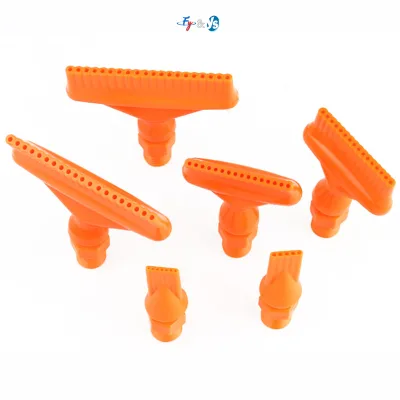


Adjustable Nozzle Versatile Handheld Pressure Sprayer for Commercial Use
$5.30 - $5.80
MOQ: 1000 Pieces


Air Blowing Fan Water Jet Nozzles
$7.00 - $10.00
MOQ: 10 Pieces
Shanghai Xinhou Spraying & Purification Equipment Co., Limited


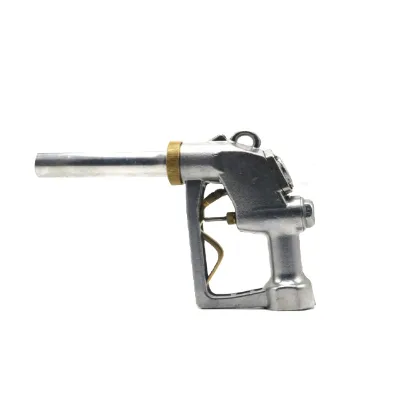


High Durability Customized Long Nozzle for Industrial Use
$70.00 - $500.00
MOQ: 100 Pieces
Luoyang Zhongwei Metallurgical Material Technology Co., Ltd.


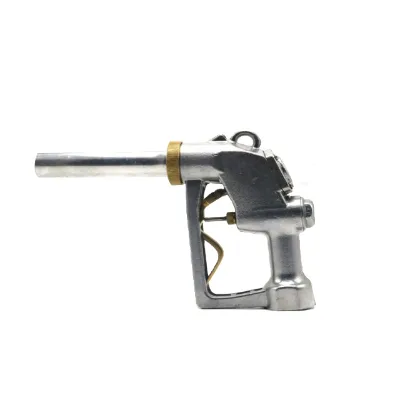


Comprehensive Sourcing Guide
High Pressure Adjustable Blowing Nozzle Sourcing Guide
Sourcing high-pressure adjustable blowing nozzles requires a disciplined approach to distinguishing between industrial-grade components and consumer-grade accessories. The market presents a wide array of options, ranging from simple plastic garden sprayers to complex stainless steel fire nozzles and precision cooling system injectors. Buyers must first clarify whether their operational need involves fluid dispersion for irrigation, high-velocity air or water jetting for cleaning, or specialized firefighting applications. The term "blowing nozzle" can ambiguously refer to pneumatic ejectors, liquid spray nozzles, or even fire hose tips, making precise specification critical before engaging with suppliers. Misalignment in this initial definition often leads to procurement errors, where a nozzle designed for low-pressure horticultural use is mistakenly ordered for a high-pressure industrial cleaning line, resulting in immediate component failure.
To navigate this complexity, procurement teams should leverage the observed listing signals to filter potential suppliers effectively. Data indicates a significant variance in material composition, with products ranging from durable stainless steel and engineering plastics like PP and POM to standard plastic constructions. This material diversity directly correlates with pressure tolerance and chemical resistance. For instance, stainless steel variants are typically associated with higher durability and corrosion resistance, suitable for harsh environments, while plastic nozzles may suffice for lower-pressure, non-corrosive applications. Understanding these material distinctions allows buyers to set realistic expectations regarding performance and lifespan, ensuring that the selected nozzle aligns with the specific mechanical and chemical demands of their facility.
Product Scope and Observed Listing Signals
The current market landscape for adjustable nozzles reveals a fragmented product scope that spans multiple industries, including gardening, firefighting, and industrial cooling. Observed listings highlight products labeled as "fire nozzles" with features such as "dandelion" water shapes and "straightaway shot" capabilities, indicating a strong presence of firefighting equipment in this category. Simultaneously, other listings describe "universal hole nozzles" with multiple hole configurations and BSPT thread standards, pointing towards applications in irrigation, fertilization, and horticultural production. This duality suggests that buyers must carefully scrutinize product titles and descriptions to determine if the item is intended for emergency response, agricultural maintenance, or general industrial utility. The presence of "music fountain" styles further expands the scope to include aesthetic water features, which require different performance metrics than functional industrial tools.
Listing attributes also provide critical insights into the customization capabilities and operational modes of available nozzles. Many suppliers offer OEM and ODM support, allowing for tailored solutions such as specific port sizes (1/8", 1/4", 3/8", 1/2") and unique spray angles like linear fan shapes. The observation of "DC Type" water supply and "switching DC gun" attributes suggests that some products are integrated into electrically powered systems, which is a crucial detail for buyers integrating these nozzles into automated or electrically driven machinery. Furthermore, the variety of models, from "QZH6.0/950-450" to "KB-1026," indicates that standardization is low, and buyers must rely on detailed model numbers and technical drawings rather than generic product names to ensure compatibility with existing infrastructure.
Technical Specifications to Verify
Verifying technical specifications is paramount to ensuring that the purchased nozzle can withstand the intended operating conditions. Buyers must confirm the material composition, as this dictates both pressure rating and chemical compatibility. Stainless steel nozzles are generally preferred for high-pressure and corrosive environments, while plastic nozzles made from PP or POM offer cost-effective solutions for lower-pressure applications. It is essential to verify the exact grade of stainless steel or the specific polymer type, as these materials have different tensile strengths and resistance profiles. Additionally, the structure of the nozzle, whether it is a simple orifice or a complex control mechanism, should be evaluated against the required flow dynamics. A "control" structure may offer more precise adjustment but could be more prone to clogging or mechanical failure compared to a fixed-orifice design.
Thread standards and port sizes are another critical area for verification, as mismatched connections can lead to leaks and system inefficiencies. The observed listings mention BSPT (British Standard Pipe Taper) as a common standard, but buyers must confirm if their system requires NPT, BSP, or other thread types. Port sizes ranging from 1/8" to 1/2" are available, and selecting the correct size is vital for maintaining the desired flow rate and pressure. Furthermore, the pressure range of the nozzle must be explicitly stated and verified against the system's maximum operating pressure. While some listings indicate a pressure range of 1-3 bar, others may support significantly higher pressures, especially those designed for firefighting or industrial cleaning. Buyers should request detailed pressure-temperature curves or certification documents to ensure the nozzle will not fail under peak load conditions.
Compliance and Safety Documentation
Compliance with safety and quality standards is non-negotiable for high-pressure equipment, as failure can result in significant injury or property damage. Buyers should prioritize suppliers who provide documentation confirming adherence to recognized standards such as CE, which indicates conformity with health, safety, and environmental protection standards for products sold within the European Economic Area. The presence of CE marking on fire nozzles and other pressure equipment is a strong indicator of basic regulatory compliance. However, buyers must also investigate if additional standards apply, such as EN standards for firefighting equipment or ISO standards for industrial nozzles. Requesting copies of test reports or certificates of conformity is a prudent step to verify that the product has been independently tested and meets the claimed specifications.
Warranty and liability terms are also key components of the compliance and safety framework. The observed listings mention a warranty period of three months, which is relatively short for industrial equipment. Buyers should negotiate longer warranty periods or seek suppliers who offer more comprehensive coverage, as this reflects the manufacturer's confidence in their product's durability. Additionally, buyers should ensure that the supplier provides clear instructions for installation, maintenance, and safe operation. Proper documentation helps prevent misuse, which is a common cause of nozzle failure. In high-pressure applications, the risk of hose whip or nozzle detachment is real, so safety warnings and operational guidelines should be clearly communicated and understood by all personnel involved in the system's operation.
Cost Drivers and Commercial Terms
The cost of high-pressure adjustable nozzles is influenced by several factors, including material quality, manufacturing complexity, and customization requirements. Stainless steel nozzles are typically more expensive than plastic ones due to the higher cost of raw materials and the more labor-intensive manufacturing processes involved. Customization, such as specific port sizes, thread types, or unique spray patterns, can also increase costs due to the setup time and tooling required. Buyers should be aware that while OEM and ODM services are available, they often come with minimum order quantities (MOQs) that can range from 1 to 10,000 units, depending on the supplier and the complexity of the customization. Understanding these cost drivers allows buyers to make informed decisions about whether to purchase standard off-the-shelf items or invest in custom solutions.
Commercial terms, including pricing, payment terms, and shipping logistics, also play a significant role in the total cost of ownership. The observed price range of $0.08 to $1500 USD highlights the vast disparity between simple plastic nozzles and complex, high-performance industrial units. Buyers should request detailed quotations that break down costs for materials, labor, and any additional fees for customization or testing. Payment terms should be negotiated to mitigate risk, such as using letters of credit or escrow services for large orders. Shipping costs and lead times are also important considerations, especially for urgent procurement needs. Suppliers located in Guangdong, China, may offer competitive pricing and fast production times, but buyers should factor in shipping duration and potential customs delays when planning their inventory.
Supplier Qualification and Quality Control
Qualifying suppliers is a critical step in ensuring the reliability and consistency of the purchased nozzles. Buyers should conduct thorough due diligence on potential suppliers, verifying their business licenses, manufacturing capabilities, and quality management systems. Suppliers with OEM and ODM experience often have more robust engineering and production processes, which can be a positive indicator of quality. However, buyers should also assess the supplier's track record, including customer reviews and references, to gauge their reliability and responsiveness. It is advisable to request samples before placing large orders to evaluate the product's build quality, functionality, and adherence to specifications. This hands-on testing can reveal issues that may not be apparent from product descriptions or photos alone.
Quality control measures implemented by the supplier are equally important. Buyers should inquire about the supplier's inspection processes, including incoming material inspections, in-process quality checks, and final product testing. Suppliers who adhere to standard specifications or offer customized quality plans are more likely to deliver consistent products. Additionally, buyers should verify the supplier's ability to handle non-standard customization requests, as this indicates flexibility and technical competence. Packaging is another aspect of quality control, as proper packaging protects the nozzles from damage during transit. Standard export packing or carton packaging should be confirmed to ensure that the products arrive in good condition. Establishing a clear quality agreement with the supplier, including acceptance criteria and rejection procedures, helps to manage expectations and resolve disputes effectively.
Long-Term Procurement Checks
Long-term procurement success depends on establishing a sustainable relationship with suppliers and continuously monitoring product performance. Buyers should implement a system for tracking nozzle performance in the field, noting any issues related to clogging, leakage, or premature wear. This data can be used to provide feedback to suppliers and drive continuous improvement in product design and manufacturing. Regular audits of supplier quality systems and performance metrics can help identify potential issues before they become critical. Buyers should also stay informed about industry trends and technological advancements in nozzle design, as this can inform future procurement decisions and help identify opportunities for cost savings or performance enhancements.
Inventory management and supply chain resilience are also key considerations for long-term procurement. Buyers should maintain a buffer stock of critical nozzles to mitigate the risk of supply disruptions. Diversifying the supplier base can also reduce dependency on a single source and provide greater flexibility in sourcing. Regular communication with suppliers about future demand and potential changes in specifications helps to ensure that the supply chain remains aligned with business needs. By proactively managing these aspects, buyers can ensure a steady supply of high-quality nozzles that meet their operational requirements and support the long-term success of their projects.
FAQs
What materials are used for high pressure adjustable blowing nozzles?
These nozzles are commonly made from stainless steel or plastic materials like PP and POM. The specific material depends on the model, with some designed for garden use and others for cooling systems or agricultural production.
Can I customize the nozzle specifications for my project?
Yes, customization is available for these products with OEM, ODM, and OBM support. Buyers can request non-standard specifications, and the manufacturer accepts custom orders for various nozzle types and sizes.
Which certifications do these nozzles typically hold?
Many of these nozzles carry CE certification to meet safety standards. Some products also adhere to standard specifications or customized standards like BSPT, ensuring reliability for industrial and garden applications.
What is the typical price range for these nozzles?
The observed price range for these products spans from 0.08 to 1500 USD. The final cost depends on the specific model, material, and customization requirements chosen by the buyer.
How do I select the right nozzle size for my needs?
Nozzles come in various sizes including 1/4 inch, 1/8 inch, 1/2 inch, and 3/8 inch port options. You can choose from models with 5, 7, 16, or 20 holes depending on your flow control needs.
Where are these nozzles manufactured?
These products originate from China, specifically from the Guangdong region. The manufacturer offers standard export packing and supports international shipping for various nozzle models.
What is the minimum order quantity for these nozzles?
The minimum order quantity ranges from 1 to 10000 units depending on the supplier and product type. Buyers can often find options for single items or bulk orders based on their specific requirements.