Source High Pressure Hydraulic Filter for Oil Separation
Find and compare 30 High Pressure Hydraulic Filter options designed for solid-liquid separation and oil impurity removal. These suction filters feature adsorption principles and are suitable for hydraulic oil circulation systems in various industrial applications.
Key considerations
Products List


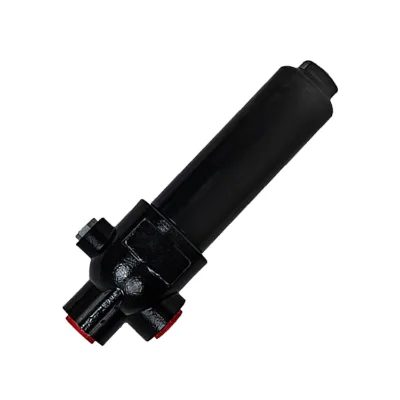


High Quality Engineering Machinery Filter Element Hydraulic Oil Filter Element
$20.00 - $40.00
MOQ: 1 Pieces


High-Pressure Oil Filter for Hydraulic and Lube Systems
$50.00 - $2000.00
MOQ: 10 Pieces
JIANGSU VIKING HYDRAULIC & PURIFICATION TECHNOLOGY CO., LTD.

High-Performance Diesel Filters for Hydraulic and Lube Systems
$50.00 - $2000.00
MOQ: 10 Pieces
JIANGSU VIKING HYDRAULIC & PURIFICATION TECHNOLOGY CO., LTD.

Ultra-Grade Hydraulic Oil Filter for High Precision Filtration
$50.00 - $2000.00
MOQ: 10 Pieces
JIANGSU VIKING HYDRAULIC & PURIFICATION TECHNOLOGY CO., LTD.


Comprehensive Sourcing Guide
High Pressure Hydraulic Filter Sourcing Guide
Sourcing high-pressure hydraulic filters requires a disciplined approach that balances technical precision with commercial reliability. These components are critical for maintaining the integrity of hydraulic oil circulation systems, where they remove solid-liquid separation contaminants, oil impurities, and facilitate oil-water or oil-gas separation. Buyers must recognize that these filters operate under demanding conditions, often involving sophisticated filtration mechanisms and adsorption principles to ensure system longevity. The procurement process is not merely about acquiring a replacement part but about securing a component that can withstand specific mechanical stresses and environmental variables without compromising the performance of the entire hydraulic network.
The market for these filters is diverse, with suppliers offering a wide range of models, materials, and configurations. Observed listings indicate a broad spectrum of options, from compact activated carbon filters to heavy-duty metal and stainless steel units. Buyers should navigate this variety by focusing on their specific operational needs rather than general specifications. Understanding the interplay between working pressure, filtration accuracy, and material compatibility is essential. This guide provides a structured framework for evaluating suppliers, verifying technical claims, and establishing robust procurement practices that mitigate risk and ensure consistent performance in industrial applications.
Product Scope and Observed Listing Signals
The current market landscape for high-pressure hydraulic filters reveals a significant variation in product attributes and listing signals. Observed price ranges span from $0.15 to $2500 USD, reflecting differences in material quality, filtration complexity, and brand positioning. Minimum order quantities (MOQs) typically range from 1 to 50 units, suggesting flexibility for both trial orders and bulk procurement. Buyers should interpret these signals as indicators of market diversity rather than uniform standards. A lower price point may correspond to basic paper carton packaging or simpler metal constructions, while higher prices often reflect advanced features such as ISO certifications, specialized surface treatments like polishing, or complex structural strengths.
Listing data also highlights specific technical configurations that buyers must align with their system requirements. For instance, some products are designed for hydraulic oil circulation systems with a working pressure of 145 units and an operation temperature of 248 units, while others specify a working pressure of 40 bar. Filtration accuracy varies widely, with options including 1, 3, 6, 12, and 25 micrometers, as well as finer grades like 1um, 3um, and 0.01um. Structural strength ratings are also listed, ranging from 1.0MPa to 21.0MPa. These variations underscore the importance of precise specification matching. Buyers must verify that the filter’s mechanical principle, such as adsorption, and its type, such as suction filters, are compatible with their existing hydraulic infrastructure to avoid operational failures.
Technical Specifications to Verify
Verifying technical specifications is the cornerstone of effective procurement for high-pressure hydraulic filters. Buyers must confirm the filter precision and accuracy against their system’s contamination control requirements. Listings show filtration grades ranging from coarse to HEPA-level filtration, with specific accuracies like 10 micrometers or finer. It is crucial to match the filter number and connector type, such as the 222 connector, to the existing piping and housing. Additionally, the material composition, whether carbon steel, stainless steel, or metal blends, must be evaluated for corrosion resistance and compatibility with the hydraulic fluid. The structural strength ratings, which can reach up to 21.0MPa, must exceed the maximum operating pressure of the system to prevent catastrophic failure.
Beyond basic dimensions and materials, buyers should scrutinize the core components and performance claims. The filter element is often the heart of the unit, and its construction—whether it involves wood pulp fiber, polyester fiber, or other synthetic media—directly impacts filtration efficiency and lifespan. Some listings mention a composition of 80% wood pulp fiber and 20% polyester fiber, which may offer specific adsorption properties. Buyers must also verify the working pressure and temperature limits, ensuring they align with the operational envelope of their machinery. For example, a filter rated for 145 working pressure and 248 operation temperature must be used within those bounds to maintain integrity. Cross-referencing these specifications with the manufacturer’s datasheets is essential to avoid mismatches that could lead to premature wear or system contamination.
Compliance and Safety Documentation
Compliance and safety documentation are non-negotiable elements in the procurement of high-pressure hydraulic filters. Buyers should request and verify certifications such as ISO 9001, which indicates adherence to quality management standards. While some listings mention ISO 9001, buyers must confirm the validity and scope of these certifications through independent verification or direct communication with the supplier. Additionally, machinery test reports should be provided to demonstrate that the filter has undergone rigorous testing for performance and durability. These reports offer objective evidence of the filter’s ability to handle specified pressures and filtration loads, providing peace of mind regarding safety and reliability.
Warranty terms and condition guarantees are also critical components of the compliance framework. Listings often specify a warranty period, such as three months, and state that products are new. Buyers should ensure that the warranty covers defects in materials and workmanship, and understand the claims process. Furthermore, the condition of the product, whether new or refurbished, must be explicitly confirmed. In high-pressure applications, using a refurbished or uncertified filter can pose significant safety risks. Buyers should also verify that the supplier provides clear documentation on the filter’s material composition and surface treatments, such as polishing, which can affect corrosion resistance and longevity. Comprehensive documentation not only ensures compliance but also facilitates easier maintenance and troubleshooting in the future.
Cost Drivers and Commercial Terms
Understanding the cost drivers behind high-pressure hydraulic filters is essential for budgeting and negotiation. The price of these filters is influenced by several factors, including the material used, the complexity of the filtration media, and the level of customization available. Listings indicate that customization is available, which can impact pricing based on the specific requirements of the buyer. Materials such as stainless steel or specialized fiber blends may command higher prices due to their superior performance and durability. Additionally, the structural strength and filtration accuracy of the filter contribute to its cost, with higher ratings and finer accuracies typically resulting in higher prices.
Commercial terms, including packaging, shipping, and payment conditions, also play a significant role in the total cost of ownership. Packaging options vary from standard packages to paper cartons and custom solutions, which can affect shipping costs and product protection. Buyers should negotiate clear terms regarding lead times, delivery schedules, and return policies. The observed MOQ ranges from 1 to 50 units, offering flexibility for different procurement volumes. Buyers should leverage this flexibility to optimize inventory levels and reduce holding costs. Additionally, understanding the supplier’s pricing structure, including any volume discounts or long-term contract benefits, can help in securing better commercial terms. Clear communication of these terms ensures transparency and minimizes the risk of unexpected costs.
Supplier Qualification and Quality Control
Supplier qualification is a critical step in ensuring the reliability of high-pressure hydraulic filters. Buyers should assess suppliers based on their manufacturing capabilities, quality control processes, and track record. The place of origin, such as Henan or Ningbo in China, can provide insights into the supplier’s industrial ecosystem and expertise. Buyers should verify the supplier’s ability to provide machinery test reports and other quality documentation. Additionally, the supplier’s commitment to customization and their ability to meet specific technical requirements are important indicators of their capability. A qualified supplier should demonstrate a robust quality control system that includes rigorous testing and inspection procedures.
Quality control extends beyond the initial purchase to include ongoing performance monitoring and feedback. Buyers should establish clear criteria for evaluating filter performance in their systems, such as pressure drop, filtration efficiency, and lifespan. Regular communication with the supplier regarding any issues or performance concerns is essential for continuous improvement. Buyers should also consider the supplier’s after-sales support, including technical assistance and warranty claims handling. A supplier that provides comprehensive support and is responsive to feedback is more likely to deliver consistent quality. By prioritizing supplier qualification and quality control, buyers can mitigate risks and ensure the long-term reliability of their hydraulic systems.
Long-Term Procurement Checks
Long-term procurement checks are vital for maintaining the efficiency and safety of hydraulic systems. Buyers should establish a routine for monitoring filter performance and replacing components as needed. This includes tracking the service life of filters, monitoring pressure differentials, and analyzing oil samples for contamination levels. Regular maintenance checks help identify potential issues before they lead to system failures. Buyers should also review supplier performance periodically, assessing factors such as delivery reliability, product quality, and customer support. This ongoing evaluation ensures that the procurement strategy remains aligned with operational needs and market conditions.
Additionally, buyers should stay informed about advancements in filter technology and industry standards. The hydraulic filtration market is dynamic, with new materials and designs emerging regularly. By staying updated, buyers can identify opportunities to improve system performance and reduce costs. Engaging with industry forums, attending trade shows, and consulting with technical experts can provide valuable insights. Buyers should also consider the environmental impact of their procurement choices, such as the recyclability of filter materials and the efficiency of the filtration process. By adopting a proactive and informed approach to long-term procurement, buyers can optimize their hydraulic systems and achieve sustainable operational excellence.
FAQs
What is the working pressure of this hydraulic filter?
The working pressure is 145 bar for the specified model. Some variants support up to 40 bar depending on the specific configuration and structural strength requirements of the hydraulic oil circulation system.
Which filter precision levels are available for this product?
Available filter precision levels include 1, 3, 6, 12, and 25 micrometers. These options allow for tailored solid-liquid separation and oil impurity removal in various industrial applications.
Can I customize the filter element for my specific needs?
Yes, customization is available for this suction filter product. Buyers can communicate specific requirements regarding the filter element material, which is often made of stainless steel or metal composites.
What is the warranty period for the hydraulic filter?
The warranty period is 3 months for the new condition units. This coverage applies to the core components and ensures reliability for the machinery test report provided with the shipment.
How is the filter element constructed internally?
The filter element is constructed using 80% wood pulp fiber and 20% polyester fiber. This composition provides sophisticated filtration performance suitable for oil-water separation and oil and gas separation tasks.
What is the operating temperature range for this filter?
The operating temperature is up to 248 degrees Celsius for the standard model. This high-temperature capability ensures stable performance in demanding hydraulic oil circulation systems across various industries.
Which industries can utilize this High Pressure Hydraulic Filter?
This filter is applicable for medicine, food and beverage, industry, metallurgy, and textile sectors. It is also suitable for hotels and garment shops requiring specific fluid purification solutions.