Source High Pressure Hydraulic Excavator Hoses for Construction, Mining, Agriculture
Compare 30 listings for High Pressure Hydraulic Excavator Hoses featuring nitrile and synthetic rubber compounds with steel wire reinforcement. Buyers can evaluate working pressures from 4MPa to 41.5MPa, temperature ranges, and customization options from Chinese manufacturers.
Key considerations
Products List




Comprehensive Sourcing Guide
Strategic Sourcing Guide for High Pressure Hydraulic Excavator Hoses
Understanding Technical Specifications and Performance Standards
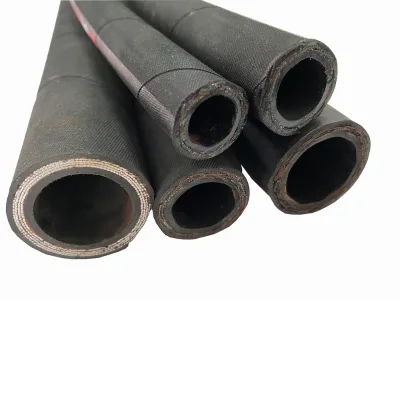
When sourcing high-pressure hydraulic hoses for excavators, the primary objective is to identify components that can withstand extreme operational stresses without failure. The market offers a variety of configurations, but the most critical technical differentiator is the reinforcement structure. Based on available industry data, high-pressure applications typically utilize hoses reinforced with high-tensile steel wire. These reinforcements come in distinct configurations, including single braids, multiple braids, and spiral layers. For instance, specific product models are identified as having one braid of high-tensile steel wire, while others feature four spiral layers of the same material. The choice between these structures directly correlates with the required working pressure.
The working pressure range is a fundamental specification that dictates the hose's suitability for heavy machinery. Observed data indicates that high-pressure hydraulic hoses in this category operate within a range of 4 MPa to 25 MPa, with some heavy-duty variants capable of handling pressures between 8 MPa and 41.5 MPa. Excavators often require hoses that can manage the latter end of this spectrum to prevent burst failures during high-load digging or lifting cycles. The internal tube material is equally vital; oil-resistant synthetic rubber is the standard compound used to ensure compatibility with hydraulic fluids. In some cases, natural rubber is also utilized, though synthetic compounds generally offer superior resistance to oil degradation and weathering.
The outer cover of the hose serves as the first line of defense against environmental damage. Buyers should look for covers described as smooth, wrapped, or embossed, with specific attention paid to high anti-abrasion properties. Excavators operate in rugged terrain where hoses are frequently dragged over rocks, soil, and debris. A cover that is not high anti-abrasion will fail prematurely, leading to exposure of the reinforcement layer and potential catastrophic hose failure. Temperature tolerance is another critical parameter; reliable hoses for this application are rated to function in environments ranging from -40°C to +100°C. This wide operating window ensures performance in both freezing winter conditions and hot summer operations.
Compliance, Certification, and International Standards
Verifying compliance with international standards is non-negotiable when procuring hydraulic hoses for construction equipment. The SAE (Society of Automotive Engineers) and EN (European Norm) standards are the most prevalent benchmarks in the global market. Specific product models are frequently associated with standards such as SAE 100 R2AT, SAE 100 R1AT, and EN856 4SP. These designations refer to specific construction types and pressure ratings defined by the standards bodies. For example, the SAE 100 R2AT typically denotes a two-wire braid hose, while the EN856 4SP indicates a four-spiral wire hose. Buyers must ensure that the supplier explicitly states which standard the hose meets to guarantee dimensional and performance consistency.
In addition to construction standards, quality management certifications provide assurance of the manufacturer's consistency. ISO 9001 is a widely recognized certification for quality management systems, and it is frequently cited in the product specifications of reputable suppliers. Some manufacturers may also hold industry-specific certifications such as MSHA (Mine Safety and Health Administration), which is particularly relevant for equipment used in mining and heavy excavation environments. These certifications indicate that the supplier adheres to rigorous internal controls and testing protocols.
It is important to note that while standards like ISO 9001 are common, the specific pressure ratings and dimensions must still be verified against the actual application requirements. The standard itself does not guarantee the specific working pressure of a hose; rather, it defines the testing methodology and construction requirements. Therefore, procurement teams should cross-reference the stated standard with the specific working pressure and temperature ratings provided in the product datasheet. The absence of a specific standard designation in a product listing should be treated as a red flag, requiring immediate clarification from the supplier before proceeding with an order.
Cost Drivers and Pricing Variables
The pricing of high-pressure hydraulic hoses is influenced by several tangible factors, primarily the amount of raw material used and the complexity of the reinforcement structure. The cost increases significantly with the number of steel wire layers; a hose with four spiral layers of high-tensile steel wire will inherently cost more than a single-braid variant due to the increased material weight and manufacturing time. The diameter of the hose also plays a crucial role, with larger sizes requiring more rubber compound and steel wire. The observed market data suggests a wide price range, reflecting the diversity of specifications available.
Minimum Order Quantity (MOQ) is another significant variable affecting the total cost of procurement. Suppliers may offer flexible MOQs, ranging from a single roll to several thousand units. For buyers with smaller project needs, an MOQ of one roll can be advantageous, though the unit price may be higher compared to bulk orders. Conversely, large-scale procurement can leverage economies of scale, but the buyer must be prepared to commit to larger volumes. The packaging method also influences cost; options include PP woven belts, white braided bags, or nylon tape on reels. Specialized packaging, such as palletized delivery, may incur additional charges but reduces the risk of damage during transit.
Lead times and shipping logistics further impact the effective cost. While specific lead times vary by supplier and order volume, the complexity of customizing hoses—such as cutting to specific lengths or adding custom fittings—can extend the production schedule. Buyers should account for these variables when budgeting. The brand reputation of the manufacturer can also influence pricing, with established brands often commanding a premium for their perceived reliability and warranty support. However, the most critical cost driver remains the technical specification; a hose meeting the 41.5 MPa pressure rating will always be more expensive than one rated for 4 MPa, regardless of the supplier.
Typical Applications and Operational Context
High-pressure hydraulic hoses are integral to the operation of excavators, serving as the conduits for hydraulic fluid that powers the boom, arm, bucket, and swing mechanisms. The specific application dictates the required hose characteristics. For instance, hoses connecting the pump to the main control valve often experience the highest pressure fluctuations and require the highest pressure ratings, such as those capable of 41.5 MPa. These hoses are subject to constant flexing and vibration, making the durability of the cover and the flexibility of the reinforcement critical.
In contrast, hoses used for auxiliary functions, such as pilot lines or return lines, may operate at lower pressures but still require robust construction to prevent leaks and contamination. The environment in which the excavator operates also influences hose selection. Excavators working in mining or demolition sites are exposed to sharp debris, extreme temperatures, and chemical exposure. In these scenarios, hoses with high anti-abrasion covers and oil-resistant synthetic rubber tubes are essential. The ability of the hose to withstand temperatures from -40°C to +100°C ensures that the hydraulic system remains functional in diverse climatic conditions.
The customization of hose length is another common requirement in this sector. Standard lengths of 50 meters or 100 meters per roll are available, but excavator manufacturers and repair shops often require hoses cut to specific lengths or fitted with custom crimped fittings. The availability of processing services such as molding, cutting, and crimping allows suppliers to provide ready-to-install assemblies. This level of customization reduces installation time and minimizes the risk of improper fitting, which is a common cause of hydraulic system failure.
Supplier Evaluation and Verification Protocols
Evaluating a supplier for high-pressure hydraulic hoses requires a multi-faceted approach that goes beyond simple price comparison. The first step is to verify the supplier's business type and origin. Data indicates that suppliers may operate as factories or trading companies, with origins in regions such as Shandong and Hebei in China. While both types can provide quality products, factory-direct suppliers may offer better control over the manufacturing process and more competitive pricing for large orders. Buyers should request documentation to confirm the supplier's status and their physical location.
Quality control capabilities are paramount. A reliable supplier should demonstrate a commitment to quality through certifications like ISO 9001 and MSHA. Additionally, buyers should inquire about the supplier's internal testing procedures. While specific test results are not always publicly listed, the supplier should be able to provide evidence of pressure testing, burst pressure validation, and flexibility testing for their hose products. The ability to provide free samples is a strong indicator of a supplier's confidence in their product quality. Samples allow buyers to physically inspect the hose construction, verify the cover texture, and check the flexibility of the reinforcement.
Transparency regarding product specifications is another key evaluation criterion. Suppliers should clearly list the working pressure, temperature range, and standard compliance for each product model. Ambiguity in these details suggests a lack of rigor in the manufacturing or sales process. Buyers should also assess the supplier's responsiveness to customization requests, such as specific lengths or fitting types. A supplier that offers processing services like crimping and cutting demonstrates a higher level of service integration, which can streamline the procurement process for complex projects.
Quality Control and Long-Term Procurement Considerations
Ensuring the long-term reliability of hydraulic hoses requires a proactive approach to quality control and maintenance. The warranty period is a useful metric for assessing supplier confidence; a standard warranty of 12 months is common in the industry. However, buyers should understand that the warranty typically covers manufacturing defects rather than wear and tear resulting from improper installation or misuse. Regular inspection of hoses in the field is essential to identify signs of wear, such as abrasion, cracking, or swelling. The smooth or wrapped surface of the hose cover should be checked for damage that could expose the steel wire reinforcement.
Long-term procurement strategies should focus on building relationships with suppliers who offer consistent quality and reliable support. The availability of spare parts and the ability to source replacement hoses quickly are critical for minimizing equipment downtime. Buyers should also consider the total cost of ownership, which includes not just the purchase price but also the cost of maintenance, replacement, and potential downtime. Investing in high-quality hoses with superior abrasion resistance and pressure ratings can reduce the frequency of replacements and improve overall equipment efficiency.
Furthermore, buyers should maintain a clear record of the specifications of all hoses in their fleet. This includes the model number, standard compliance, working pressure, and installation date. This documentation facilitates easier troubleshooting and ensures that replacement hoses match the original equipment specifications. By adhering to these quality control measures and maintaining a strategic approach to supplier relationships, buyers can ensure the continued safe and efficient operation of their high-pressure hydraulic excavator systems. The integration of these practices into the procurement process creates a robust framework for managing the complex demands of heavy machinery maintenance.
FAQs
What working pressure ranges do High Pressure Hydraulic Excavator Hoses support?
These hoses support working pressures from 4 MPa to 25 MPa, with heavy-duty variants handling up to 41.5 MPa. The specific rating depends on the reinforcement structure, such as single braid or four spiral layers of high-tensile steel wire.
Which standards define the construction of High Pressure Hydraulic Excavator Hoses?
Common standards include SAE 100 R2AT, SAE 100 R1AT, and EN856 4SP, which define specific construction types. Buyers must verify the hose meets these standards to ensure dimensional and performance consistency for excavator applications.
Can High Pressure Hydraulic Excavator Hoses operate in extreme temperatures?
Yes, they function reliably in temperatures ranging from -40°C to +100°C. This wide operating window ensures performance in freezing winter conditions and hot summer operations typical for heavy machinery environments.
What material is used for the tube in High Pressure Hydraulic Excavator Hoses?
The tube is made of oil-resistant synthetic rubber to ensure compatibility with hydraulic fluids. Some variants may use natural rubber, but synthetic compounds generally offer superior resistance to oil degradation and weathering.
How is the cover of High Pressure Hydraulic Excavator Hoses constructed?
The cover is available in smooth, wrapped, or embossed finishes with high anti-abrasion properties. This construction protects the reinforcement layer from damage caused by dragging over rocks, soil, and debris in rugged terrain.
What certifications should I look for in high pressure hydraulic excavator hose suppliers?
Look for ISO 9001 for quality management and MSHA for mine safety compliance. These certifications indicate the supplier adheres to rigorous internal controls and testing protocols for manufacturing consistency and safety.
What customization options are available for High Pressure Hydraulic Excavator Hoses?
Suppliers offer customization for length, such as 50m or 100m rolls, and processing services like crimping and cutting. Custom fittings and specific diameters can also be arranged to meet unique excavator installation requirements.