Source High Pressure PPR Stop Valve for Water, Industrial, Household
Find 30 High Pressure PPR Stop Valve options with varying sizes, materials, and connection types. Buyers can compare specifications like pressure ratings, sealing forms, and customization support from verified Chinese manufacturers.
Key considerations
Products List


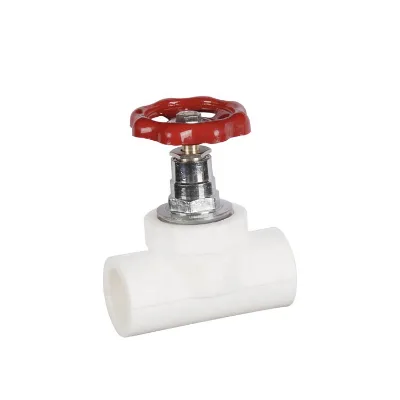


$10.00 - $20.00
MOQ: 10 Pieces

Comprehensive Sourcing Guide
Strategic Sourcing Guide for High Pressure PPR Stop Valves
Procuring high-pressure PPR (Polypropylene Random Copolymer) stop valves requires a disciplined approach that balances material science, mechanical engineering standards, and rigorous supplier vetting. The global market for plastic piping components is vast, but the specific niche of high-pressure stop valves introduces critical variables regarding pressure ratings, sealing integrity, and temperature resistance. Buyers must navigate a landscape where product attributes vary significantly between manufacturers, even when the core keyword remains identical. This guide provides a structured framework for evaluating potential suppliers and products, ensuring that procurement decisions are grounded in verifiable facts rather than marketing assertions.
Technical Specifications and Material Integrity
The foundation of any successful procurement for PPR stop valves lies in understanding the specific technical attributes of the product. PPR is a thermoplastic polymer known for its resistance to heat and chemical corrosion, making it ideal for potable water systems. However, the term "high pressure" in the context of PPR requires precise definition. While standard PPR pipes often operate at lower pressures, stop valves designed for high-pressure applications must feature reinforced structures and specific pressure ratings.
Based on observed market data, PPR stop valves are frequently categorized by their pressure ratings, which can range significantly. Buyers should verify that the product explicitly states a pressure rating compatible with their system's maximum operating pressure. In the observed product listings, specific pressure ratings such as 2000LBS have been noted, though this figure must be contextualized against the specific valve size and temperature conditions. The raw material is consistently identified as PPR, but the quality of the resin and the manufacturing process (such as forging or injection molding) dictate the final pressure tolerance.
The structural design of the valve is equally critical. Observed data indicates a prevalence of "Fixed Ball Valve" and "Through Way Globe Valve" structures. The choice between a ball valve and a globe valve depends on the application's need for flow control versus shut-off capability. Globe valves, characterized by an "Outside Screw Stem," often provide better throttling control, while ball valves offer rapid shut-off. The connection form is another vital specification; threaded connections are common, with specific standards like "Female" threads being frequently listed. Buyers must ensure that the thread type matches their existing piping infrastructure to avoid costly retrofitting.
Compliance, Certification, and Standards Verification
In the industrial procurement of fluid control components, compliance with international and national standards is non-negotiable. The absence of proper certification can lead to system failures, safety hazards, and voided warranties. When sourcing PPR stop valves, buyers must demand evidence of adherence to recognized standards.
The observed product data highlights several key standards that buyers should look for. These include GB/T12459-2005, which is a Chinese national standard for steel pipe fittings, and ASTM standards, which are widely recognized in the United States and globally. Additionally, DIN standards are frequently cited in European markets. The presence of ISO certifications, specifically ISO and CE marks, serves as a strong indicator of a manufacturer's commitment to quality management systems and product safety. However, buyers must be cautious; the mere mention of a standard in a product title does not guarantee that the specific unit meets that standard. Verification requires requesting test reports or certificates of conformity for the specific batch being purchased.
It is also essential to distinguish between the standard for the material and the standard for the finished product. For instance, while ISO 15874 is a relevant standard for PPR piping systems, it should not be assumed that every listed product automatically complies with it unless explicitly stated in the documentation. Buyers should verify that the manufacturer's quality control processes are audited against these standards. The "High Pressure" designation, in particular, necessitates rigorous pressure testing data, which should be available upon request. Without this data, the claim of high-pressure capability remains an unverified observation rather than a guaranteed performance metric.
Cost Drivers and Pricing Dynamics
Understanding the cost structure of PPR stop valves is essential for budgeting and negotiating effectively. The price of these components is not uniform and is influenced by a complex interplay of factors, including material costs, manufacturing complexity, and order volume. The observed price range in the market spans from $0.01 to $200, a vast disparity that reflects differences in size, pressure rating, brand reputation, and customization levels.
The Minimum Order Quantity (MOQ) is a significant driver of unit cost. Data indicates an MOQ range of 5 to 5000 units. Smaller orders typically command a higher per-unit price due to the fixed costs of setup and logistics. Conversely, bulk purchases can significantly reduce the unit cost, making it a viable strategy for large-scale infrastructure projects. Buyers should be aware that "Free" samples are often available, which can be a useful tool for initial quality assessment without incurring material costs, though shipping fees may apply.
Customization is another major cost factor. The availability of OEM (Original Equipment Manufacturer) and ODM (Original Design Manufacturer) support allows buyers to tailor valves to specific requirements, such as unique thread types, specific colors (White, Orange, Green, Grey, Blue, Brown), or custom packaging. However, these customizations invariably increase the production cost and may extend lead times. The "Jhpi Packaging" or "Packed in Polybag" options observed in listings represent standard practices, but custom branding or specialized protective packaging will add to the overall expense. Buyers must balance the need for customization against the budget constraints, ensuring that the added cost provides tangible value to the final application.
Typical Applications and Operational Environments
PPR stop valves are versatile components used across a wide spectrum of industries. The primary application is in water distribution systems, where their resistance to corrosion and ability to handle hot water makes them superior to metal alternatives in many scenarios. The observed data points to "Household Usage" and "Water Industrial Usage" as the dominant application areas. In residential settings, these valves are commonly found in plumbing systems for hot and cold water supply, ensuring reliable shut-off capabilities for maintenance and emergency situations.
In industrial contexts, the valves are utilized for temperature control and process water management. The "Normal Temperature" rating observed in many listings suggests suitability for standard water heating and distribution, but buyers must verify if the specific valve can handle "High Temperature" conditions if the application involves steam or near-boiling water. The "Usage: Temperature Control" attribute indicates that these valves are often integrated into systems requiring precise regulation of fluid temperature.
The installation method is another critical consideration for application suitability. Some products specify "Connection with CPVC Glue," indicating compatibility with specific piping materials. This requires careful matching of the valve material to the pipe material to ensure a leak-free seal. The "Straight Through Type" and "Lateral: 90°Tee" configurations offer flexibility in system design, allowing for various piping layouts. Buyers must assess the specific environmental conditions of their project, including potential exposure to chemicals, UV radiation, or mechanical stress, to ensure the selected valve meets all operational demands.
Supplier Evaluation and Quality Assurance
Selecting the right supplier is as important as selecting the right product. The global market for PPR valves is populated by manufacturers from various regions, with "China" and specifically "Huangyan, Taizhou, Zhejiang" being prominent origins. While these regions are known for manufacturing capabilities, the quality of output can vary widely. Buyers should prioritize suppliers who demonstrate transparency in their production processes and provide clear documentation.
Key indicators of a reliable supplier include the availability of detailed product specifications, adherence to the mentioned standards (GB/T, ASTM, DIN), and possession of valid certifications (ISO, CE). The presence of "Customized Support" suggests a supplier capable of adapting to specific buyer needs, which is a positive sign of flexibility and technical competence. However, buyers should not rely solely on these claims. It is advisable to request samples for physical inspection and, where possible, conduct third-party testing to verify pressure ratings and material integrity.
Quality control processes should be a central part of the supplier evaluation. Buyers should inquire about the manufacturer's internal testing protocols, including pressure testing, leak testing, and material composition analysis. The "Forged" technics mentioned in some listings imply a specific manufacturing method that may offer superior strength compared to cast or molded alternatives. Verifying the actual production methods used by the supplier can help ensure that the valves meet the required performance standards. Additionally, the consistency of the "prod_packing" (e.g., Carton and Nylon Bag) indicates attention to detail in logistics and product protection, which is crucial for preventing damage during transit.
Long-Term Procurement Considerations
Sourcing high-pressure PPR stop valves is not a one-time transaction but a long-term relationship that impacts the reliability and safety of the entire fluid system. Buyers must consider factors such as lead times, supply chain stability, and after-sales support. The observed "Lead times" and "Poe" (Port of Entry) locations like Shanghai and Ningbo are critical for logistics planning. Buyers should establish clear expectations regarding delivery schedules and contingency plans for potential delays.
Long-term procurement also involves managing the lifecycle of the valves. PPR materials are durable, but they are subject to degradation over time, especially under high-pressure and high-temperature conditions. Buyers should seek suppliers who offer warranties and technical support to address any issues that may arise during the product's lifespan. The availability of spare parts and the ability to source replacement valves that match the original specifications are essential for maintaining system integrity.
Furthermore, the evolving regulatory landscape and changing industry standards mean that buyers must stay informed about updates to relevant standards. A supplier who is proactive in keeping their products compliant with the latest regulations adds significant value to the procurement process. By focusing on these long-term considerations, buyers can ensure a sustainable supply chain that minimizes risk and maximizes the performance of their fluid control systems.
Conclusion
The procurement of high-pressure PPR stop valves demands a meticulous approach that integrates technical knowledge, regulatory compliance, and strategic supplier management. By carefully evaluating technical specifications, verifying certifications, understanding cost drivers, and assessing supplier capabilities, buyers can make informed decisions that ensure the safety and efficiency of their water systems. The vast range of available options, from different valve structures to various pressure ratings, requires a tailored selection process that aligns with specific project requirements. Ultimately, a disciplined sourcing strategy that prioritizes quality and compliance will yield the best results in the complex global market for PPR fluid control components.
FAQs
What certifications do high pressure ppr stop valves typically have?
High pressure ppr stop valves typically hold ISO and CE certifications. These marks indicate adherence to quality management systems and product safety standards, though specific batch verification is required for compliance.
Which connection forms are available for these valves?
Threaded connections are the most common form, including female threads. Buyers must ensure the thread type matches their existing piping infrastructure to avoid costly retrofitting during installation.
Can buyers request custom packaging for these valves?
Yes, custom packaging is available alongside standard options like polybags or cartons. Custom branding or specialized protective packaging increases production costs and may extend lead times significantly.
What is the typical minimum order quantity for these valves?
The minimum order quantity ranges from 5 to 5000 units depending on the supplier. Smaller orders usually command higher per-unit prices due to fixed setup and logistics costs.
Where are these valves primarily manufactured?
These valves are primarily manufactured in China, with specific origins in Huangyan, Taizhou, and Zhejiang. Buyers should verify the specific factory location to ensure quality control and logistics planning.
What materials are used to construct these valves?
The raw material is consistently identified as PPR, a thermoplastic polymer resistant to heat and corrosion. The quality of the resin and manufacturing process dictate the final pressure tolerance.