Source High Protein Salmon Cat Treats for Training, Snacks, and Daily Rewards
Find 30 High Protein Salmon Cat Treats from verified manufacturers in Shandong, China. Compare OEM options, HACCP and BRC certifications, and bulk pricing for training rewards, daily snacks, and digestive health support; compare the available evidence and request quotations based on your requirements.
Updated
Key considerations
Products List


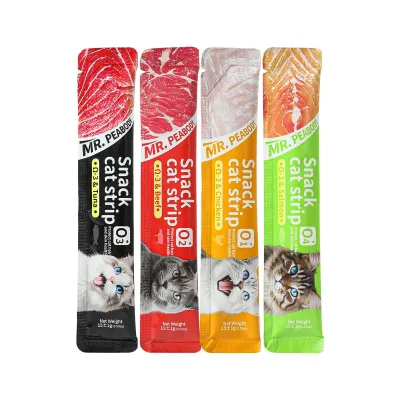
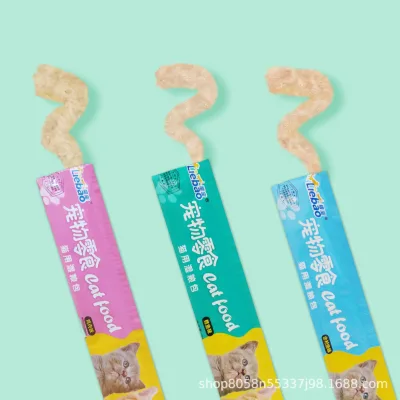
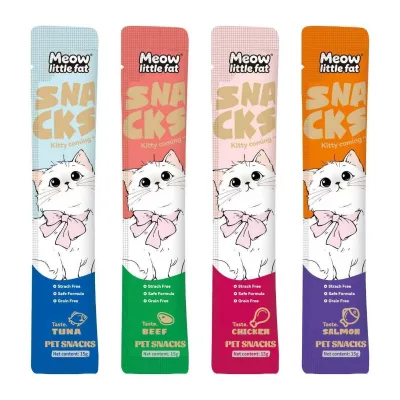
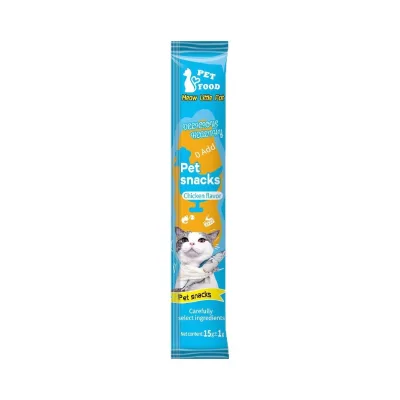
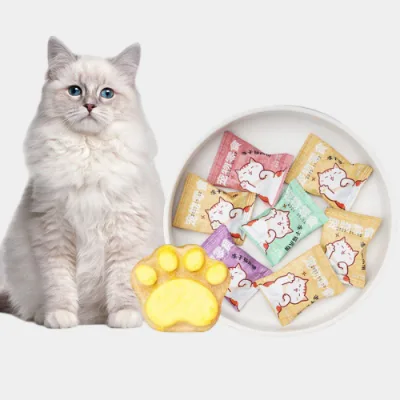
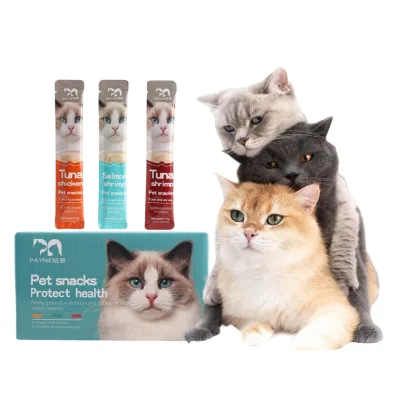
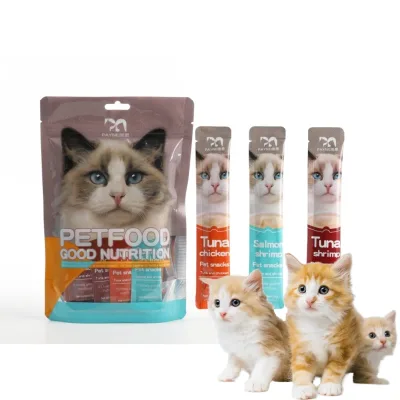
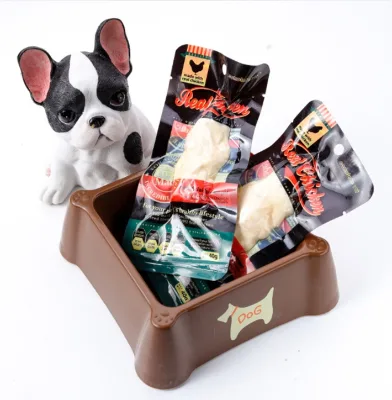
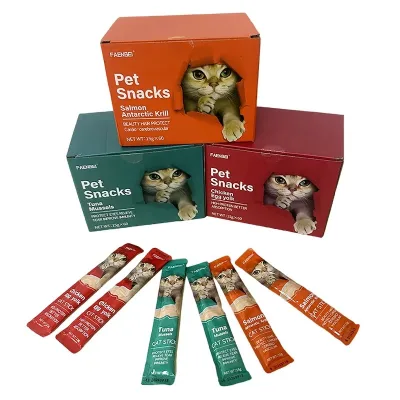


Hot Sales 85g Wet Cat Food Snack Treats with Chicken Tuna Salmon Flavors Made From Meat
$0.14 - $0.16
MOQ: 500 Pieces
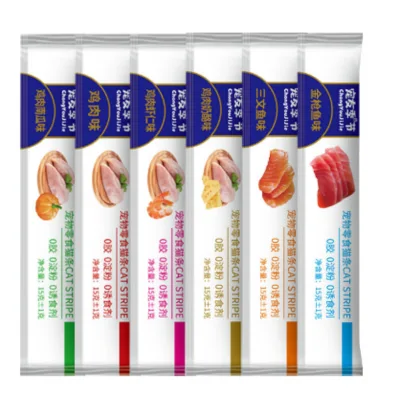
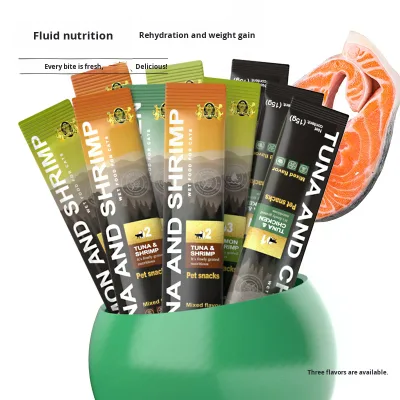
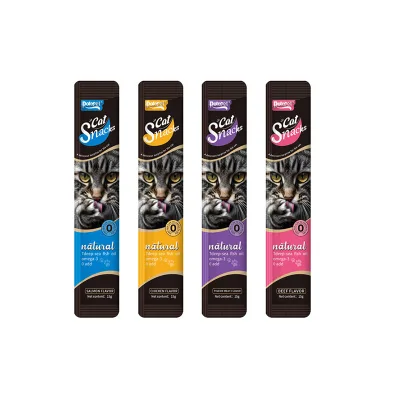
Custom Logo Free Samples High Protein No Colorants Creamy Cat Treat Food
$0.0206 - $0.0514
MOQ: 4 bags


Comprehensive Sourcing Guide
High Protein Salmon Cat Treats Sourcing Guide
Procuring high-protein salmon cat treats requires a strategic approach that balances nutritional efficacy with supply chain reliability. Buyers must first define the specific health objectives for their target feline demographic, whether focusing on muscle maintenance for active cats or digestive support for sensitive stomachs. The market offers various formats, including liquid strips, canned foods, and dry snacks, each presenting distinct logistical and storage considerations. Understanding these format differences is crucial for aligning product selection with retail shelf requirements and consumer usage patterns.
Beyond format, the sourcing strategy must account for customization capabilities and private label opportunities. Many manufacturers provide OEM and ODM services, allowing brands to tailor formulas to specific dietary needs such as grain-free or organic profiles. This flexibility enables buyers to differentiate their offerings in a crowded marketplace. However, customization often introduces complexity in quality control and regulatory compliance, necessitating early engagement with suppliers to ensure that bespoke formulations meet all safety and labeling standards before mass production begins.
Product Scope and Observed Listing Signals
The current market landscape for feline treats reveals a diverse array of product types, ranging from liquid cat strips to canned pet food and various snack formats. Listings frequently highlight key attributes such as grain-free compositions, all-natural ingredients, and high-protein content derived from sources like chicken, tuna, salmon, and duck. These features cater to specific consumer demands for premium, health-conscious pet nutrition. Buyers should observe that while many products claim suitability for all life stages, specific models may target kittens, adults, or senior cats, requiring careful verification of the intended life stage for each SKU.
Price and minimum order quantity (MOQ) signals vary significantly across suppliers, reflecting differences in production scale and customization levels. Observed price points can range widely, while MOQs may start as low as a few hundred pieces or extend to tens of thousands, depending on whether the order is for standard or private-label goods. Some suppliers offer free samples, which is a critical step for evaluating taste palatability and ingredient quality before committing to large orders. Buyers must weigh these commercial terms against their inventory capacity and sales velocity to determine the most viable entry point for their business.
Technical Specifications to Verify
Technical verification begins with confirming the physical specifications and packaging requirements that impact logistics and shelf life. Buyers should request detailed data on single package dimensions, gross weight, and standard carton sizes to calculate freight costs and warehouse storage efficiency accurately. Packaging materials, such as aluminum foil pouches, retort pouches, or tinplate cans, play a vital role in preserving freshness and preventing spoilage. It is essential to verify that the chosen packaging aligns with the product’s moisture content and preservation needs, ensuring that the integrity of the high-protein salmon formula remains intact throughout the supply chain.
Shelf life and storage conditions are equally critical technical parameters that must be explicitly confirmed. Most listed products indicate a shelf life of approximately two years, but this can vary based on packaging technology and ingredient stability. Buyers must ensure that the supplier provides clear guidelines on storage temperature and humidity to maintain product quality. Additionally, verifying the production model numbers and specific ingredient lists helps prevent miscommunication regarding the final product. Clear technical specifications reduce the risk of receiving goods that do not meet the brand’s quality expectations or regulatory requirements in the destination market.
Compliance and Safety Documentation
Compliance with international food safety standards is non-negotiable when sourcing pet treats, particularly those containing high-protein animal ingredients. Buyers must verify that suppliers hold recognized certifications such as HACCP, BRC, ISO 22000, and FDA registration, which demonstrate adherence to rigorous hygiene and quality management systems. These certifications are essential for mitigating risks associated with contamination, allergens, and nutritional inconsistencies. Without proper documentation, brands face significant regulatory hurdles and potential reputational damage in competitive markets where consumer trust is paramount.
In addition to facility certifications, buyers should request detailed product-specific test reports and ingredient sourcing documentation. This includes verifying the origin of the salmon and other protein sources to ensure they are free from harmful contaminants like heavy metals or pathogens. Suppliers should also provide evidence of their ability to produce grain-free or specialized diet products if required by the brand’s positioning. Understanding the supplier’s quality control processes, including their use of professional laboratories and automatic production lines, provides assurance that every batch meets the declared nutritional and safety standards consistently.
Cost Drivers and Commercial Terms
Several factors influence the total cost of ownership for high-protein salmon cat treats, including raw material volatility, packaging complexity, and customization depth. Fluctuations in fish prices and the cost of specialized ingredients like organic or grain-free components can impact unit pricing. Buyers should anticipate that private label services, custom formulas, and unique packaging designs will incur additional setup fees and higher per-unit costs compared to standard off-the-shelf products. Understanding these cost drivers allows for more accurate margin calculations and pricing strategies in the target market.
Commercial terms such as lead times, payment structures, and sample policies also play a significant role in procurement planning. Typical delivery times may range from a few days to several weeks, depending on order volume and production scheduling. Buyers should negotiate clear terms regarding sample availability, as free samples are often offered to facilitate product evaluation. Additionally, clarifying the MOQ requirements and any penalties for order modifications helps avoid unexpected costs. Establishing transparent commercial terms early in the negotiation process ensures a smoother partnership and reduces the risk of supply chain disruptions.
Supplier Qualification and Quality Control
Qualifying a supplier involves assessing their production capabilities, quality assurance protocols, and responsiveness to buyer needs. Buyers should prioritize suppliers with automatic production lines and professional laboratories, as these indicate a commitment to consistency and precision in manufacturing. It is crucial to verify the supplier’s ability to handle OEM and ODM requests, ensuring they have the technical expertise to adapt formulas and packaging to specific brand requirements. A supplier’s track record in exporting to your target market can also serve as a strong indicator of their reliability and understanding of international standards.
Quality control measures must be rigorously evaluated to ensure product consistency and safety. Buyers should inquire about the supplier’s internal testing procedures, including checks for nutritional content, microbial safety, and packaging integrity. Establishing a clear communication channel for addressing quality issues is essential for maintaining brand reputation. Additionally, considering the supplier’s location, such as those in Shandong, China, can provide insights into their logistical advantages and proximity to raw material sources. A thorough qualification process helps mitigate risks and ensures a long-term, productive partnership.
Long-Term Procurement Checks
Sustaining a successful procurement relationship requires ongoing monitoring of supplier performance and market trends. Buyers should regularly review key performance indicators such as on-time delivery rates, defect percentages, and responsiveness to customer feedback. Continuous engagement with suppliers allows for early identification of potential issues, such as raw material shortages or production delays, enabling proactive mitigation strategies. Regular audits, whether virtual or on-site, can help verify that quality standards are consistently met and that any process improvements are implemented effectively.
Adapting to changing consumer preferences and regulatory landscapes is also vital for long-term success. Buyers must stay informed about emerging trends in pet nutrition, such as new functional benefits like hairball control or immune support, and adjust their product offerings accordingly. Maintaining a diversified supplier base can reduce dependency on a single source and provide flexibility in responding to market shifts. By fostering strong, transparent relationships with qualified suppliers, buyers can ensure a steady supply of high-quality, high-protein salmon cat treats that meet the evolving needs of their customers.
FAQs
Can I get free samples of High Protein Salmon Cat Treats?
Yes, free samples are available for High Protein Salmon Cat Treats to allow quality evaluation before bulk ordering. This option helps buyers verify the grain-free formula and natural ingredients like fresh meat and fish. It supports due diligence for OEM or private label projects without initial financial commitment.
What certifications do High Protein Salmon Cat Treats manufacturers hold?
Manufacturers typically hold HACCP, BRC, ISO 22000, FDA, and CE certifications for High Protein Salmon Cat Treats. These standards ensure food safety and quality control during production. Factories often feature automatic production lines and professional laboratories to maintain compliance with international regulatory requirements for pet food exports.
What is the minimum order quantity for High Protein Salmon Cat Treats?
The minimum order quantity varies, with some suppliers requiring 1300 pieces or 50 cartons for High Protein Salmon Cat Treats. Buyers should confirm specific MOQs based on packaging types like aluminum foil pouches or tinplate cans. Custom formulas and private labeling may have distinct volume thresholds depending on factory capacity.
How long is the shelf life of High Protein Salmon Cat Treats?
High Protein Salmon Cat Treats generally have a shelf life of 24 months or two years when stored properly. This duration applies to products featuring natural ingredients and high-protein formulas. Proper packaging, such as retort pouches or cartons, helps preserve freshness and maintain the nutritional integrity of the grain-free snacks.
Do suppliers offer customization for High Protein Salmon Cat Treats?
Yes, customization is available for High Protein Salmon Cat Treats, including OEM, ODM, and private label services. Buyers can request custom formulas, specific flavors like chicken or salmon, and tailored packaging. Logo customization is also accepted, allowing brands to create unique products that meet specific market demands and dietary requirements.
What are the main ingredients in High Protein Salmon Cat Treats?
Main ingredients typically include fresh meat, fish, and natural components like chicken, tuna, salmon, duck, beef, and shrimp. These high-protein sources support daily treats for kittens, adult cats, and senior cats. The grain-free formulation focuses on digestive health and immune support, ensuring highly palatable snacks for all life stages.