Source High Productivity Single Shaft Shredder for Plastic Waste
Find 30 High Productivity Single Shaft Shredder options for processing waste plastic, ABS, and PVC. Compare automated and computerized models with single-screw designs from Guangzhou and Zibo suppliers to match your industrial crushing needs.
Key considerations
Products List


Effortless Hard Material Shredding High-Torque Single Shaft Shredder
$6000.00 - $60000.00
MOQ: 1 Pieces


Customized Single Shaft Shredder Machine for Waste Reduction and Recycling Solutions
$10000.00 - $50000.00
MOQ: 1 Sets


Low Cost High Quality Single Shaft Shredder for Plastic Waste Recycling
$7000.00 - $10000.00
MOQ: 1 Pieces

Custom Single Shaft Shredder for Specific Plastics Recycling Applications
$6000.00 - $9999.00
MOQ: 1 Pieces


Reliable/Precision/Powerful Single Shaft Shredder for Quick Material Reduction
$12000.00 - $60000.00
MOQ: 1 Pieces


Industrial Single Shaft Shredder for Versatile Material Recycling Processing
$31880.00 - $32999.00
MOQ: 1 Sets


Comprehensive Sourcing Guide
Strategic Sourcing Guide for High Productivity Single Shaft Shredders
Understanding the Core Technology and Operational Scope
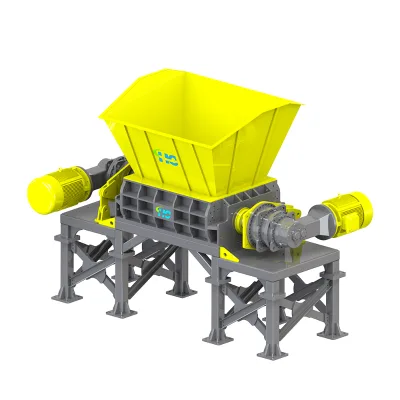
The procurement of a High Productivity Single Shaft Shredder requires a precise understanding of the machinery's mechanical architecture and its intended role within the waste plastic processing ecosystem. These units, often identified in technical catalogs as single-screw or single-shaft crushers, are engineered to handle a diverse array of plastic materials, including ABS, PVC, and mixed waste streams. The fundamental design principle relies on a horizontal structure equipped with a rotor that utilizes grinding and impact forces to reduce material size. This specific crushing style distinguishes the single-shaft unit from multi-shaft systems, offering a balance between throughput capacity and operational simplicity.
When evaluating the technical specifications of these machines, buyers must look beyond the generic label of "shredder." The supplied data indicates that these units are frequently computerized, allowing for automated control over the crushing process. This automation is critical for maintaining consistent output quality and reducing manual intervention. The drive mechanism is predominantly electric, operating at standard industrial voltages such as 380V, which necessitates a compatible power infrastructure at the procurement site. The material processed is typically plastic flakes, suggesting that the machine serves as a primary or secondary stage in a recycling line designed to convert waste plastic into uniform granules suitable for re-extrusion.
The structural integrity of the shredder is another vital consideration. The observed designs often feature a close-packed square structure for rotor blades, which enhances the mechanical stability during high-load operations. This configuration helps manage the stress generated when processing hard or abrasive materials. Furthermore, the service life of these units is a key metric for long-term value, with some specifications citing a potential operational lifespan of 15 years or more. This longevity is contingent upon the quality of the cutter material, which is frequently specified as hard alloy to resist wear and maintain sharpness over extended periods.
Technical Specifications and Performance Verification
To ensure that a selected single shaft shredder meets the demands of high productivity, buyers must rigorously verify specific technical parameters against their operational requirements. The market offers various model series, such as the S-600, S-1000, and F series, each potentially tailored to different throughput capacities and feed sizes. While exact numerical throughput figures are not universally standardized across all listings, the model numbers often correlate with the machine's physical dimensions and rotor diameter. For instance, the S-600 and Model-600 designations suggest a specific class of machinery, while the S-1000 implies a larger capacity unit.
The crushing degree is another critical specification. These machines are generally classified as intermediate crushers, meaning they are designed to reduce large waste plastic items into smaller, manageable flakes rather than fine powder. This intermediate stage is essential for downstream processes like washing, drying, and pelletizing. The principle of operation often involves a screen mechanism to control the final particle size, ensuring that only material meeting the desired specifications exits the chamber. Additionally, some advanced configurations may incorporate a frequency-controlled hydraulic system, which allows for variable speed control and enhanced torque management during the shredding process.
Buyers should also pay close attention to the customization options available. The ability to customize the machine is a significant factor in sourcing, as it allows the equipment to be adapted to specific waste streams or facility layouts. Customization may extend to the painting and coating solutions applied to the machine's exterior, which can be selected to withstand corrosive environments or specific aesthetic requirements. The packing method, whether wrap film, plywood package, or polywood carton, is also a specification that impacts logistics and protection during transit. Understanding these details ensures that the procurement aligns with the specific physical and operational constraints of the buyer's facility.
Compliance, Certification, and Regulatory Standards
Navigating the compliance landscape is a non-negotiable aspect of sourcing industrial machinery. The primary certifications observed in the market for these shredders include CE and ISO standards. The CE marking indicates conformity with health, safety, and environmental protection standards for products sold within the European Economic Area, which is a baseline requirement for many international buyers. The ISO certification, specifically ISO 9001, signifies that the manufacturer adheres to a quality management system that ensures consistent product quality and service.
However, buyers must exercise caution when interpreting certification claims. Some listings present certifications in a concatenated format, such as "CE,ISO9001:Computerized," which may indicate a specific configuration or a data entry artifact rather than a standalone certification for the entire machine. It is imperative to verify the validity of these certifications with the issuing bodies or request official documentation from the supplier. The presence of a CE mark does not automatically guarantee compliance with all local regulations in the buyer's country, and additional certifications may be required depending on the region of operation.
In addition to certifications, the product standards and origin play a crucial role in compliance. The machinery is often manufactured in industrial hubs such as Guangzhou and Zibo City in Shandong Province, China. While these regions are known for their manufacturing capabilities, the "prod_standard" field in the data shows variations, ranging from specific model numbers like S-600 to generic terms like "customized" or "according to the actual size." This variability suggests that buyers should not assume a universal standard applies to all units. Instead, the procurement process must include a verification step where the specific standard applicable to the ordered model is confirmed in the purchase agreement.
Cost Drivers and Financial Considerations
The financial landscape of sourcing a High Productivity Single Shaft Shredder is influenced by several distinct cost drivers. The observed price range in the market is substantial, spanning from $800 to $200,000 USD. This wide variance reflects differences in machine size, automation level, material quality, and the extent of customization. The lower end of the spectrum likely corresponds to smaller, less automated units or basic models, while the higher end encompasses large-scale, fully computerized systems with advanced hydraulic controls and premium hard alloy cutters.
The Minimum Order Quantity (MOQ) is another critical financial factor. In the observed data, the MOQ is consistently listed as 1 unit, indicating that these machines are generally available for single-unit procurement. This flexibility is beneficial for small to medium-sized enterprises that may not require immediate bulk purchases. However, buyers should be aware that while the MOQ is low, the unit price will fluctuate based on the specific configuration and the supplier's pricing strategy.
Beyond the initial purchase price, the total cost of ownership (TCO) must be considered. This includes the cost of installation, energy consumption, maintenance, and the replacement of wear parts such as cutter blades. The service life of the machine, which can extend to 15 years or more, significantly impacts the TCO. A machine with a longer service life and higher durability, even if it has a higher upfront cost, may offer better long-term value. Additionally, the warranty period, typically observed as 1 year, is a factor that can influence the risk profile of the purchase. Buyers should evaluate whether the warranty covers critical components like the motor, gearbox, and rotor assembly to mitigate potential repair costs.
Typical Applications and Material Compatibility
High productivity single shaft shredders are versatile machines designed to handle a wide range of plastic waste materials. The primary applications include the processing of waste plastic from various industries, such as automotive, packaging, and construction. The specific plastic types that these machines can process include ABS, PVC, PET, PP, PE, and rubber. This versatility makes them suitable for recycling facilities that handle mixed waste streams, where the ability to process different materials without frequent machine adjustments is a significant advantage.
The crushing style of grinding and impact is particularly effective for breaking down rigid plastic items, such as pipes, sheets, and containers, into smaller flakes. The intermediate crushing degree ensures that the output material is suitable for further processing steps, such as washing and extrusion. The machine's ability to handle these materials efficiently is enhanced by the use of hard alloy cutters, which resist wear and maintain cutting efficiency even when processing abrasive or contaminated plastics.
In addition to plastic waste, some specifications suggest that these machines can be configured to handle other materials, although the primary focus remains on plastic recycling. The horizontal structure and close-packed square rotor design contribute to the machine's ability to handle large volumes of material with minimal jamming. This makes the single shaft shredder an ideal choice for facilities looking to maximize throughput and minimize downtime. The automation features, including computerized controls and frequency-driven systems, further enhance the machine's adaptability to different material types and processing requirements.
Supplier Evaluation and Quality Assurance Protocols
Selecting the right supplier is as critical as selecting the right machine. Buyers should evaluate potential suppliers based on their technical capabilities, manufacturing standards, and after-sales support. The origin of the machinery, often Guangzhou or Zibo City in China, provides a baseline for the manufacturing ecosystem, but it does not guarantee quality. Buyers must verify the supplier's track record, specifically their experience with single shaft shredders and their ability to deliver machines that meet the specified technical requirements.
Quality assurance protocols should be a central part of the procurement process. This includes verifying the certifications mentioned earlier, such as CE and ISO 9001, and ensuring that the machine's construction meets the stated standards. Buyers should request detailed technical drawings, material certificates for the cutters and rotor, and test reports that demonstrate the machine's performance under load. The warranty terms, typically 1 year, should be clearly defined, including the scope of coverage and the response time for service requests.
Furthermore, the packaging and shipping methods used by the supplier can impact the condition of the machine upon arrival. The observed packing options, including wrap film, plywood packages, and polywood cartons, indicate that suppliers offer various levels of protection. Buyers should ensure that the packaging is robust enough to prevent damage during transit, especially for heavy machinery. The "Standard Seaworthy Packing" option, which may include wooden boxes or nude packs, is often recommended for international shipments to ensure the machine arrives in pristine condition.
Long-Term Procurement and Operational Sustainability
The long-term success of a single shaft shredder installation depends on sustainable procurement practices and a commitment to ongoing maintenance. The service life of these machines, which can exceed 15 years, makes them a significant capital investment. To maximize this lifespan, buyers should establish a proactive maintenance schedule that includes regular inspections of the rotor blades, bearings, and drive systems. The use of frequency-controlled hydraulic systems can also extend the machine's life by reducing mechanical stress during operation.
Sustainability considerations extend beyond the machine's lifespan to its energy efficiency and environmental impact. The electric drive system, while standard, should be evaluated for energy consumption relative to the throughput capacity. Buyers should look for models that offer energy-saving features, such as variable frequency drives, which can adjust the motor speed to match the load requirements. Additionally, the machine's ability to process a wide range of plastic types supports the circular economy by enabling the recycling of diverse waste streams.
Finally, the availability of spare parts and technical support is crucial for long-term operations. Buyers should verify that the supplier has a robust supply chain for critical components like hard alloy cutters and hydraulic parts. The customization options available, such as specific painting solutions or structural modifications, should be documented and supported by the supplier to ensure that the machine can be maintained and upgraded as needed. By focusing on these long-term factors, buyers can ensure that their investment in a High Productivity Single Shaft Shredder delivers consistent value and operational efficiency for years to come.
FAQs
What certifications do high productivity single shaft shredders typically have?
These machines typically carry CE and ISO 9001 certifications. Some listings show combined data like CE, ISO, or CE, ISO9001, but buyers must verify validity with issuing bodies before purchase.
Which plastic types can a single shaft shredder process effectively?
They can process ABS, PVC, PET, PP, PE, and rubber waste. The horizontal structure with hard alloy cutters handles these materials via grinding and impact forces for intermediate crushing.
How long is the service life of a single shaft shredder?
The service life can be 15 years or more depending on usage. This longevity relies on the quality of hard alloy cutters and proper maintenance of the electric drive system.
Can buyers customize the structure and packing of these shredders?
Yes, customization is available for structure and packing methods. Options include wrap film, plywood packages, or polywood cartons, with painting solutions also adaptable to specific needs.
What is the minimum order quantity for these industrial shredders?
The minimum order quantity is one unit for most suppliers. This allows small to medium enterprises to procure single machines without needing bulk purchase commitments for initial setup.
Where are these high productivity shredders typically manufactured?
They are primarily manufactured in Guangzhou and Zibo City, China. These industrial hubs provide the manufacturing ecosystem, though specific standards may vary by model series like S-600 or F series.