Source High Productivity Sesame Seed Planter for Corn, Wheat, and Rice
Explore 30 verified options for a High Productivity Sesame Seed Planter designed for diverse crops like corn, wheat, and rice. Buyers can compare specifications including mechanization levels, row configurations, and tractor matching power to find the right semi-automatic or automatic machinery for their agricultural needs.
Key considerations
Products List


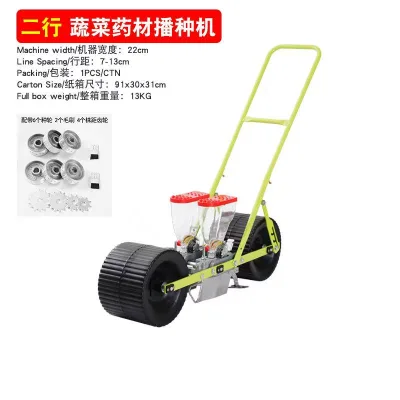
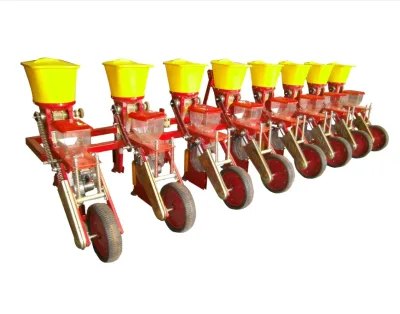
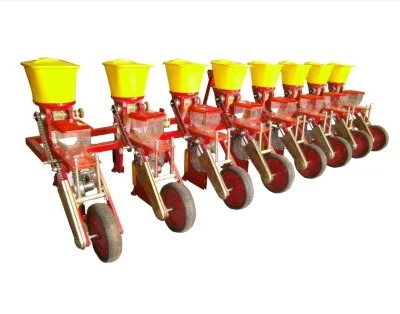
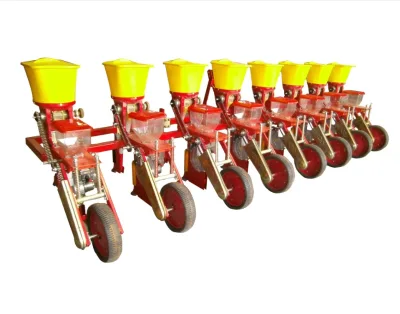
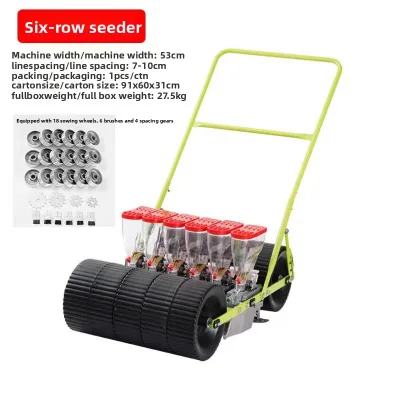


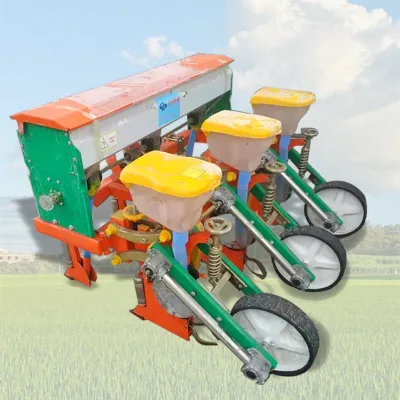
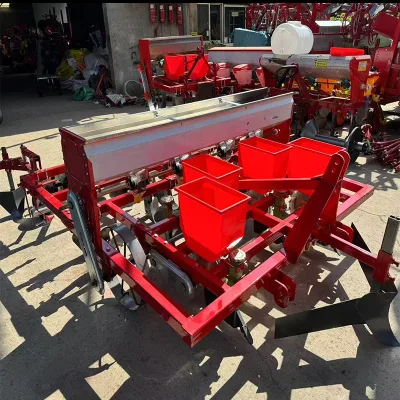
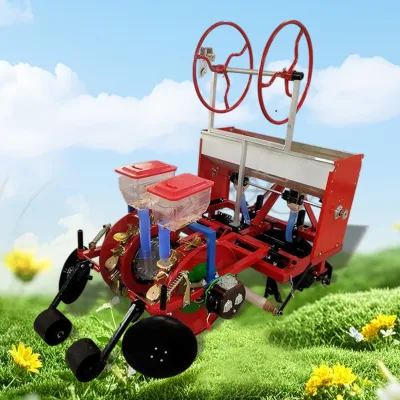
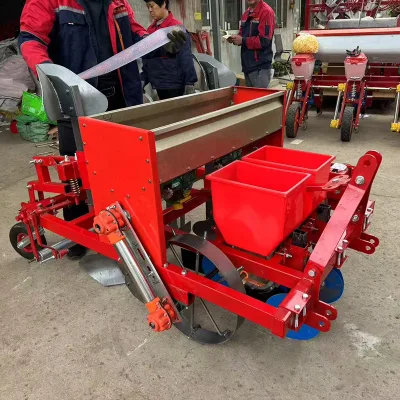
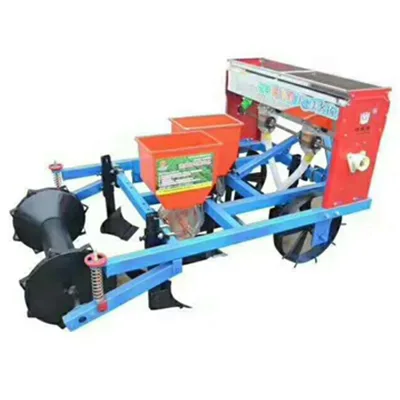
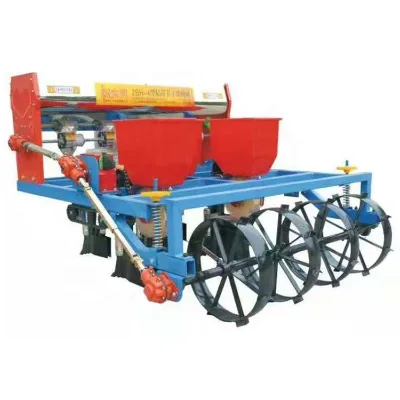


Durable Hand-Pushed Corn Planter for Seamless Seed and Fertilizer Mixing
$128.00 - $138.00
MOQ: 10 Pieces

Efficient No-Tillage Planter for High-Yield, Sustainable Crop Production
$12200.00 - $12800.00
MOQ: 1 Pieces

Durable No-Tillage Planter for Precision Seeding in All Soil Conditions
$12200.00 - $12800.00
MOQ: 1 Pieces
Comprehensive Sourcing Guide
Strategic Sourcing Guide for High Productivity Sesame Seed Planters
Technical Architecture and Functional Specifications
When sourcing a High Productivity Sesame Seed Planter, buyers must first distinguish between general agricultural machinery and equipment specifically engineered for the unique agronomic requirements of sesame cultivation. Sesame seeds are small, irregular, and prone to clumping, necessitating a planting mechanism that offers precision without excessive seed damage. The core technical architecture of a viable high-productivity unit typically integrates a pneumatic seeding system, which utilizes air pressure to transport and meter seeds with high accuracy. This is often paired with a semi-automatic or fully automatic mechanization level to reduce operator fatigue and maintain consistent spacing over large acreages.
The functional profile of these machines often extends beyond simple sowing. Many high-end models in the current market offer dual functionality, combining seeding and fertilization in a single pass. This integration is critical for high productivity, as it reduces the number of field passes required, thereby saving fuel and time. The drive type for the seed meter is a crucial specification; ground wheel drive systems are common, ensuring that the seeding rate remains synchronized with the forward speed of the tractor, regardless of soil conditions. However, buyers should verify if the specific model utilizes a ground wheel drive or an alternative power source, as this impacts the consistency of the seeding rate on uneven terrain.
In terms of physical dimensions and operational parameters, the working width and overall size are primary determinants of throughput. Specifications for comparable high-capacity units often indicate an overall width of approximately 2.25 meters, with total dimensions reaching lengths of over 2 meters and heights exceeding 1.6 meters. The working speed range is another vital metric; efficient planters are designed to operate effectively between 2 and 5 kilometers per hour. At these speeds, the working production rate can vary significantly, with some units achieving output rates between 0.54 and 1.36 hectares per hour depending on the row configuration. The tilling depth, which influences seed placement and germination success, typically ranges from 8 to 18 centimeters. Buyers must ensure the selected planter can adjust to this specific depth range to accommodate the shallow root systems of sesame plants.
Compliance, Certification, and Regulatory Standards
Navigating the compliance landscape is essential for international procurement, particularly when importing agricultural machinery. While specific certification claims vary by manufacturer, the presence of ISO9001 certification is a strong indicator of a supplier's commitment to quality management systems. This standard ensures that the manufacturing process adheres to consistent quality control protocols, which is vital for complex machinery like pneumatic planters. Buyers should explicitly request documentation verifying ISO9001 status, noting that the condition of the product must be new and that the certification applies to the manufacturing entity.
Beyond quality management, buyers must investigate compliance with local safety and operational standards in the destination country. Some suppliers may reference standards such as ISO9001:2008, though this is a legacy version and may not reflect current regulatory requirements. It is imperative to verify the specific standard version and whether it covers the mechanical safety aspects of the planter, such as the protection of moving parts like the rotary tilling components. The drive type for the rotary tilling part, often an intermediate gear drive, requires specific safety guards and compliance with machinery directives regarding moving parts.
Furthermore, the origin of the machinery plays a role in regulatory acceptance. Products originating from major manufacturing hubs, such as Xi'an in Shaanxi province, often have established export channels. However, buyers should not assume that a product from a specific region automatically meets all destination requirements. The "prod_standard" or model standard, such as specific dimensional standards (e.g., 2.25M or 2130×4400×1650 mm), should be cross-referenced with local agricultural machinery regulations. If the planter is intended for use in regions with strict environmental or safety regulations, the buyer must verify if the machine includes necessary certifications for emissions, noise, or operator safety, which are not always explicitly listed in general product descriptions.
Cost Drivers and Economic Efficiency Analysis
The pricing structure for high productivity sesame seed planters is influenced by a complex interplay of factors, including mechanization level, functional complexity, and build quality. The observed market price range for such equipment can be substantial, spanning from approximately $39 to $12,800 USD. This wide variance reflects the difference between basic manual or semi-automatic units and advanced, fully automatic pneumatic systems with dual seeding and fertilization capabilities. The lower end of the spectrum typically corresponds to simpler models with fewer rows or basic mechanical drives, while the higher end includes machines with advanced pneumatic systems, independent press wheels, and comprehensive customization options.
The Minimum Order Quantity (MOQ) is another significant cost driver. The market shows an MOQ range from 1 to 200 units. For individual farmers or small cooperatives, an MOQ of 1 is ideal, allowing for direct procurement without the need for bulk financing. However, larger agricultural enterprises or distributors may benefit from negotiating lower unit costs by meeting higher MOQ thresholds. Buyers should also consider the "Customization" availability as a cost factor. While many suppliers offer customization, this often incurs additional charges and may extend lead times. The specific configuration, such as the number of rows (ranging from 3-5 for corn to 9 for wheat, or 6 rows for specific models), directly impacts the unit price.
Operating costs are equally critical to the total cost of ownership. The power source requirement, typically a tractor with a matching power of 80-100 HP, represents a significant capital investment for the buyer. The efficiency of the planter in terms of working production rate (0.54-1.36 hectares/hour) must be weighed against the fuel consumption of the required tractor. Additionally, the weight of the machine, which can be around 1780 kg for certain precise no-till pneumatic planters, affects the traction requirements and fuel efficiency of the towing vehicle. Buyers should calculate the total cost of ownership, including the tractor power requirement, fuel consumption, and maintenance costs, rather than focusing solely on the purchase price of the planter.
Operational Applications and Agronomic Versatility
High productivity planters are rarely single-purpose tools; their value lies in their versatility across different crops and soil conditions. The application scope for these machines is broad, covering major field crops such as corn, rice, wheat, beans, and peanuts. For sesame specifically, the planter must be capable of handling small seeds with precision. The "Sowing" attribute often highlights "Precision Seeder" capabilities, which are essential for sesame to ensure optimal plant spacing and reduce seed waste. The ability to switch between different row configurations, such as 3-5 rows for corn or 9 rows for wheat, allows the same machine to be adapted for various planting needs, provided the seed metering system is adjustable.
The application field is strictly agricultural, but the specific farming policies and techniques supported by the machine are equally important. Some models are designed for "Dry Cultivating Machinery" policies, which are crucial in regions with limited water resources. The operation mode, whether "Continuous Running Operation" or "Intermittent Ditching," determines the machine's suitability for different soil types and planting schedules. For instance, continuous ditching is often preferred for high-speed operations on prepared seedbeds, while intermittent ditching might be necessary for heavy or clay-heavy soils.
Mulch management is another critical application factor. The "Mulch Type" specification, such as V-shaped rubber tires, indicates the machine's ability to handle crop residue. In no-till or low-till farming systems, which are increasingly common for sustainability, the planter must effectively cut through straw and residue to place seeds in the soil. The "Straw Cutting Device Type," often straight knives, plays a vital role in this process. Buyers should verify that the cutting device is robust enough to handle the specific residue load of sesame fields, which can be dense and fibrous. The "Independent" repression mechanism further enhances the machine's ability to maintain consistent depth and pressure, ensuring good seed-to-soil contact even in challenging field conditions.
Supplier Evaluation and Manufacturing Capabilities
Evaluating a supplier for high productivity sesame seed planters requires a deep dive into their manufacturing capabilities and product history. The "Structure Type" of the machine, often described as "Pneumatic, Suspended," indicates a level of engineering sophistication. Suppliers offering suspended structures typically provide better ground following and reduced soil compaction, which is beneficial for crop health. The "prod_model" codes, such as 2BFG-9(220G) or 2BMQ-6, serve as identifiers for specific product lines. Buyers should request detailed technical drawings and performance data associated with these specific model numbers to ensure they match the required specifications.
The origin of the product is a key indicator of supply chain stability. Many high-quality planters originate from established manufacturing regions like Xi'an, Shaanxi, or other parts of China. However, buyers must verify the specific location details, as some listings may use generalized terms like "China" or "Shannxi" without precise city-level data. The "prod_packing" method, such as an "Iron Frame," is also a critical evaluation point. Robust packaging is essential for protecting the machinery during international shipping, especially for large, heavy units with delicate pneumatic components.
Customization capabilities are a differentiator among suppliers. The "Customization: Available" attribute suggests that suppliers can tailor the machine to specific regional needs, such as adjusting the working width or modifying the seed metering system for sesame. Buyers should inquire about the extent of these customizations, including the lead time implications and additional costs. Furthermore, the "Farming Policy" alignment, such as "Dry Cultivating Machinery," indicates that the supplier has experience with specific agricultural practices. This experience is valuable for ensuring the machine is optimized for the buyer's local conditions.
Quality Control and Long-Term Procurement Strategy
Ensuring long-term reliability requires a rigorous quality control (QC) strategy. The "Drive Type of Rotary Tilling Part" being an "Intermediate Gear Drive" implies a specific mechanical transmission that requires regular maintenance and inspection. Buyers should request detailed maintenance schedules and spare parts availability lists from the supplier. The "Ground Wheel Diameter" of 650 mm is a specific specification that affects the machine's ground clearance and traction; verifying this dimension against the buyer's tractor and field conditions is essential.
The "Working Row Numbers" and "Working Width" are critical for matching the planter to the buyer's existing infrastructure. For example, a working width of 225 cm must align with the tractor's wheel track and the field layout. Buyers should also verify the "Tilling Depth" range of 8-18 cm to ensure it meets the agronomic requirements for sesame. The "Press Wheel Configuration," often an "Independent Type," allows for individual row adjustment, which is crucial for maintaining uniform seed depth across the entire width of the planter.
Long-term procurement considerations include the availability of after-sales support and the durability of the machine. The "Weight" of the unit, around 1780 kg, suggests a heavy-duty construction, but the materials used for the frame and components must be corrosion-resistant, especially if the machine is used in humid or saline soils. Buyers should request material specifications and warranty terms. Additionally, the "Operation" mode, whether continuous or intermittent, should be evaluated for its impact on the machine's longevity. Continuous running operations place higher stress on the components, so the supplier's reputation for durability in high-intensity use cases is a vital factor.
Comparative Analysis of Key Specifications
To facilitate decision-making, buyers can compare key specifications across different potential models. The following table summarizes the critical attributes observed in the market for high productivity sesame seed planters, highlighting the variations in design and capability.
| Specification | Model A (Example: 2BFG-9) | Model B (Example: 2BMQ-6) | Model C (Example: 2CM Series) |
|---|---|---|---|
| Mechanization Level | Semi-Automatic | Pneumatic, Suspended | Automatic |
| Seeding Method | Dual Seeding & Fertilization | Precision Seeder | Sowing |
| Working Width | 225 cm | 2130×4400×1650 mm (Overall) | Variable |
| Row Configuration | Wheat: 9, Corn: 3-5 | 6 Rows | Variable |
| Tilling Depth | 8-18 cm | Not Specified | Not Specified |
| Drive Type | Intermediate Gear Drive | Ground Wheel Drive | Ground Wheel Drive |
| Power Source | Tractor (80-100 HP) | Tractor | Tractor |
| Certification | ISO9001 | ISO9001 | Not Specified |
| Origin | Xi'an, Shaanxi | Xi'an, Shaanxi | China |
This comparison illustrates that while the core function remains consistent, the specific implementation of features like row configuration and mechanization level varies significantly. Buyers must prioritize the specifications that align with their specific agronomic needs, such as the number of rows required for their field size and the specific depth requirements for sesame planting. The presence of ISO9001 certification in multiple models suggests a baseline quality standard, but the functional differences in drive types and row configurations should drive the final selection.
Final Procurement Recommendations
In conclusion, sourcing a High Productivity Sesame Seed Planter requires a meticulous approach that balances technical specifications, compliance, and economic factors. Buyers should prioritize models that offer pneumatic seeding systems with independent press wheels and adjustable row configurations to ensure precision and versatility. The verification of ISO9001 certification and the specific origin of the machinery are non-negotiable for ensuring quality and supply chain reliability. By carefully evaluating the cost drivers, including the required tractor power and potential customization costs, buyers can make informed decisions that maximize return on investment. Finally, a robust quality control strategy and a focus on long-term maintenance support will ensure the planter remains a productive asset for years to come.
FAQs
How does the planter handle sesame seed precision sowing?
The machine uses a pneumatic seeding system for precision sowing. It features a ground wheel drive method to synchronize seeding rates with tractor speed, ensuring accurate spacing for small seeds like sesame without clumping or damage during the process.
What is the working production rate per hour for this planter?
The working production rate ranges from 0.54 to 1.36 hectares per hour. This output depends on the specific working speed of 2 to 5 kilometers per hour and the configured row numbers, which vary between 3 to 9 rows depending on the crop.
Which tractor power is required to operate this planting machine?
The matching power requirement is between 80 and 100 horsepower. This tractor power source drives the semi-automatic or automatic mechanization levels, enabling the machine to perform dual seeding and fertilization functions effectively in the field.
Can the planter be customized for different crop row configurations?
Yes, customization is available for various crop requirements. The working row numbers can be adjusted, such as 3 to 5 rows for corn or 9 rows for wheat, allowing the machine to adapt to different planting schedules and field conditions.
What certification ensures quality management for this agricultural machinery?
The product carries ISO9001 certification for quality management systems. This standard applies to the manufacturing entity, ensuring consistent quality control protocols for the new condition machinery, which is critical for complex pneumatic planting systems.
How is the tilling depth adjusted for different soil conditions?
The tilling depth is adjustable within a range of 8 to 18 centimeters. This specification allows the planter to accommodate shallow root systems like sesame while maintaining consistent seed placement depth across varying soil types and field preparations.
Where is the manufacturing origin of this high productivity planter?
The product originates from Xi'an, Shaanxi, China. This location is a known manufacturing hub for agricultural machinery, and the specific model standards are often associated with these regional production facilities for export and domestic use.