Source High Purity CPVC Resin for Pipes, Fittings, and Sheets
Compare 30 listings for High Purity CPVC Resin suitable for extrusion pipes, fittings, and general plastic products. Buyers can evaluate specifications, pricing, and delivery terms from verified manufacturers in China Mainland.
Key considerations
Products List

High Quality Fitting Grade Chlorinated Polyvinyl Chloride Plastic CPVC Resin
$1050.00 - $1092.00
MOQ: 1 Tons


Premium Chlorinated Polyvinyl Chloride (CPVC) Compounds for PVC / UPVC Industry
$1050.00 - $1092.00
MOQ: 1 Tons



Comprehensive Sourcing Guide
Strategic Sourcing Guide for High Purity CPVC Resin
Understanding Material Specifications and Variants
When sourcing high purity CPVC (Chlorinated Polyvinyl Chloride) resin, buyers must first distinguish between the specific polymer forms available in the global market. The supplied product data indicates a diverse range of classifications, including "CPVC POWDER," "soft resin," and specific model numbers such as "J-700" and "SG-5." It is critical to recognize that while "SG-5" is a standard designation often associated with PVC, the context of CPVC sourcing requires verifying if the supplier is offering a chlorinated variant or a standard PVC resin under a similar nomenclature. The molecular structure is a defining characteristic; observed data lists the "Molecular Principal Chain" as both "Element Organic Polymer" and "Carbon Chain Polymer," suggesting variations in chemical formulation or marketing descriptions that require technical validation.
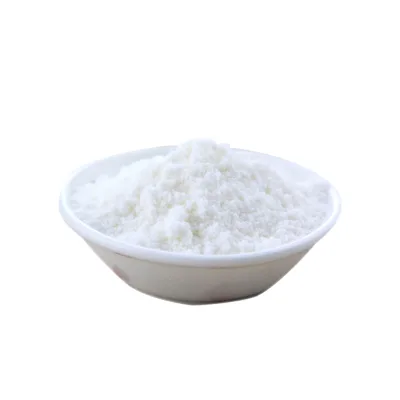
The physical form of the resin is equally significant for processing. The inventory shows a predominant presence of "Powder" and "White" colored granules described as "granule of soybean size." This distinction between powder and granular forms dictates the downstream manufacturing method. Powder forms are typically associated with specific extrusion or molding applications, while granular forms may be preferred for injection molding. Buyers should verify the exact physical state required for their specific machinery. Furthermore, the "K Value" is a critical rheological parameter observed in the data as ranging from 65-68. This value indicates the average molecular weight of the polymer, directly influencing the viscosity and processability of the resin. A K value within this specific range suggests a medium-to-high molecular weight product, which is essential for applications requiring high mechanical strength and chemical resistance.
Compliance, Certification, and Standard Verification
In the B2B procurement of industrial plastics, compliance is not merely a formality but a prerequisite for market access and product safety. The supplied facts reference "Routine Test" as a test category, implying that manufacturers perform standard quality checks, but buyers must demand comprehensive certification documentation. The data lists "25kg/bags," "25kg/Bag," and "Net 25 Kg Bags" as standard packaging units, which serves as a baseline for logistics but does not constitute a product standard. Buyers must verify if the resin adheres to international standards such as ISO, ASTM, or specific national standards relevant to the destination market.
The "Grade" is identified as "Industrial Grade," which is a broad classification. For high-purity applications, especially those involving potable water or food contact, "Industrial Grade" may be insufficient. Procurement teams must explicitly request confirmation of compliance with specific regulatory frameworks, such as NSF/ANSI 61 for water systems or FDA regulations for food contact, depending on the end use. The "Production Process" is noted as "Injection Molding Compound/Extrusion Compound," indicating the resin is formulated for specific processing techniques. However, the absence of explicit certification names in the provided data means buyers cannot assume compliance with any specific safety standard without direct verification from the manufacturer.
| Verification Parameter | Observed Data Context | Buyer Action Required |
|---|---|---|
| Test Category | Routine Test | Request full third-party test reports for heavy metals, volatile organic compounds, and thermal stability. |
| Grade | Industrial Grade | Confirm if "Industrial Grade" meets specific industry requirements (e.g., plumbing, automotive). |
| Standard | 25kg/bags (Packaging) | Verify product-specific standards (e.g., ASTM D1784, ISO 1452) for the CPVC resin itself. |
| Origin | China, Yangzhong City | Verify country-of-origin labeling requirements and any trade tariffs applicable to the region. |
Cost Drivers and Pricing Dynamics
The pricing landscape for CPVC resin is influenced by a complex interplay of raw material costs, processing complexity, and logistics. The observed price range in the market data spans from $0.1 to $2100 USD, a variance that likely reflects the difference between raw resin samples, small-batch orders, and bulk industrial shipments. The "MOQ" (Minimum Order Quantity) ranges from 1 to 1000 units, suggesting that suppliers offer flexible entry points for small-scale testing but require significant volume commitments for standard industrial pricing.
Several factors drive the cost of high-purity CPVC. First, the "K Value" of 65-68 indicates a specific molecular weight profile that may command a premium over lower molecular weight variants. Second, the "Customization" availability is noted as "Available," which introduces variable costs. Customizing the resin for specific applications, such as enhancing "Excellent Elongation at Break" or "Excellent Toughness," often requires additional compounding steps or additive packages, increasing the unit price. Third, the "Mode of Transportation" is listed as "Sea Freight," which is the standard for bulk chemical transport. However, the "Delivery Time" of 7-10 days suggests a relatively short lead time, which might be indicative of stock availability or a specific regional logistics advantage. Buyers should note that "Sea Transportation" is the primary method, meaning ocean freight rates and container availability will significantly impact the final landed cost.
Typical Applications and Performance Requirements
The versatility of CPVC resin is evident in its listed applications. The data explicitly mentions "CPVC Pipe" and "Extrusion Pipes" as primary use cases, highlighting the material's dominance in the plumbing and construction sectors. The "Plastic Forming Method" is identified as "Extrusion," which is the standard process for manufacturing pipes and profiles. Additionally, the "Usage" category includes "General Plastics," "Engineering Plastics," and "Specialty Plastics," indicating that the material can be adapted for a wide range of industrial needs beyond simple piping.
Performance attributes are critical for application suitability. The observed advantages include "Excellent Elongation at Break" and "Excellent Toughness," which are essential for pipes that must withstand pressure surges and mechanical stress without fracturing. The "Plastic Properties After Heated" are described as "Thermoplastic Plastics," confirming that the material can be re-melted and re-shaped, a key characteristic for recycling and processing. The "Material" is listed as "Polyvinyl Chloride/PVC," but for CPVC, the chlorination process enhances thermal stability and chemical resistance compared to standard PVC. Buyers should ensure that the specific "Model No." (e.g., J-700, SG-5) corresponds to the required thermal and chemical resistance properties for their specific application. For instance, high-temperature water distribution systems require CPVC with specific thermal stability ratings that may not be met by all "Industrial Grade" variants.
Supplier Evaluation and Manufacturer Capabilities
Evaluating the supplier base is a crucial step in securing a reliable supply chain. The data identifies the supplier type as "Manufacturer" and "Factory," suggesting a direct source rather than a trading company. This distinction is vital for quality control, as manufacturers have direct oversight over the "Production Process" and raw material selection. The "prod_origin" is listed as "China" and specifically "Yangzhong City," providing a geographic anchor for the supply base. Buyers should verify the specific facility's capacity and history in producing CPVC resin, as the distinction between a generic PVC producer and a specialized CPVC manufacturer is significant.
The "Sample" availability is confirmed as "Yes," which is a standard practice for verifying material quality before committing to large orders. This allows buyers to conduct their own "Routine Test" and validate the "K Value" and physical properties. The "Payment" terms listed as "T/T, L/C" are standard international trade terms, offering flexibility for both small and large transactions. However, buyers should assess the supplier's financial stability and ability to honor "L/C" (Letter of Credit) terms, which provide security for the buyer. The "Factory" designation implies that the supplier controls the production line, which is advantageous for customizing the "Molecular Principal Chain" or adjusting the "Plastic Forming Method" to meet specific client needs.
Quality Control and Long-Term Procurement Strategy
Quality control in CPVC procurement extends beyond the initial "Routine Test." The "Advantage" of "Excellent Elongation at Break" and "Excellent Toughness" must be consistently maintained across batches. Buyers should implement a rigorous incoming quality control protocol that includes verifying the "White" color consistency, the "Powder" or "Granule" size distribution, and the "K Value" stability. The "prod_packing" varies from "Bags" to "Wooden Box with Foam Lined in Safe Conditions," indicating that packaging integrity is a factor in maintaining product quality during transit. Moisture and contamination can degrade CPVC resin, so the "25kg/PP Bag" or "25kg/Bag" packaging must be inspected for integrity upon arrival.
For long-term procurement, establishing a relationship with a "Manufacturer" rather than a distributor is advisable. The "Customization" availability suggests that suppliers can adapt the resin for evolving market needs, such as new pipe standards or enhanced chemical resistance requirements. The "Delivery Time" of 7-10 days is a competitive advantage, but buyers should plan for potential supply chain disruptions by maintaining safety stock. The "Mode of Transportation" being "Sea Freight" necessitates careful logistics planning to ensure timely delivery, especially for large volume orders. Finally, buyers should monitor the "Type" of resin, which is listed as "Virgin/Recycled." For high-purity applications, specifying "Virgin" resin is often necessary to ensure consistent performance and avoid the variability associated with recycled content. By focusing on these technical and logistical details, buyers can secure a reliable supply of high-purity CPVC resin that meets their specific engineering and operational requirements.
FAQs
What is the typical delivery time for High Purity CPVC Resin orders?
The typical delivery time is 7 to 10 days for most orders. This lead time applies when the product is available in stock and shipped via sea freight from the factory location in China.
How is High Purity CPVC Resin typically packaged for shipment?
The resin is commonly packaged in 25kg bags or net 25kg bags. Some suppliers may also use wooden boxes with foam lining for safe conditions during transportation to ensure product integrity.
Can buyers request samples of High Purity CPVC Resin before bulk purchase?
Yes, samples are available for buyers to verify quality before committing to large orders. This allows customers to conduct routine tests and confirm specifications like the K value or physical form.
What payment terms are accepted for High Purity CPVC Resin transactions?
Standard payment terms include T/T and L/C for international transactions. These methods provide flexibility for both small sample orders and larger bulk shipments from the manufacturer.
Which applications are suitable for High Purity CPVC Resin in industrial settings?
The resin is suitable for CPVC pipes, extrusion pipes, and general plastic products. It is also used in engineering plastics and specialty plastics requiring excellent elongation and toughness properties.
What is the minimum order quantity for High Purity CPVC Resin?
The minimum order quantity ranges from 1 to 1000 units depending on the supplier. This flexibility allows buyers to start with small quantities for testing or proceed directly to bulk industrial orders.
How does the K value affect the performance of High Purity CPVC Resin?
The K value ranges from 65 to 68, indicating a medium-to-high molecular weight. This specific range influences viscosity and processability, ensuring the resin meets requirements for high mechanical strength.