Source High Purity Quartz Wafer Carrier for semiconductor, lab, and industry
Compare 30 listings for High Purity Quartz Wafer Carrier options from Henan, China. Buyers can review specifications like SiO2 content, shape, and processing services for wafer processing, optical, and industrial applications.
Key considerations
Products List
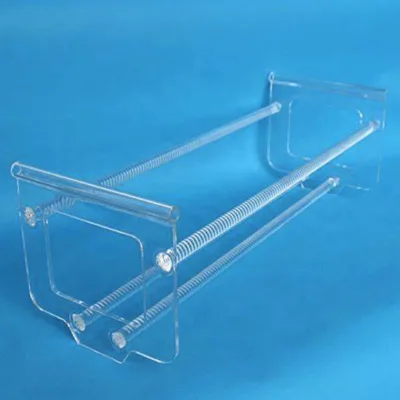
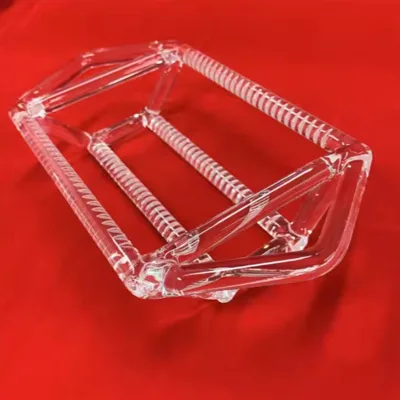
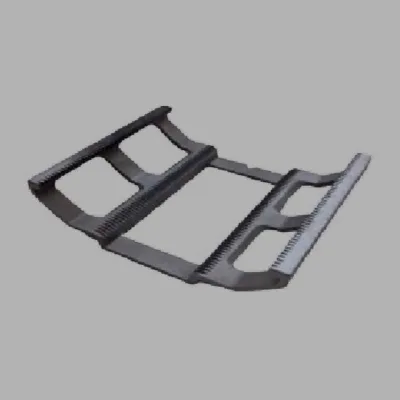
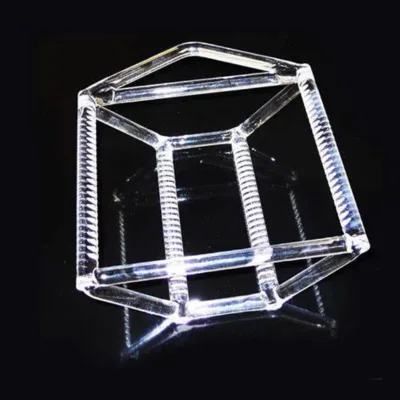
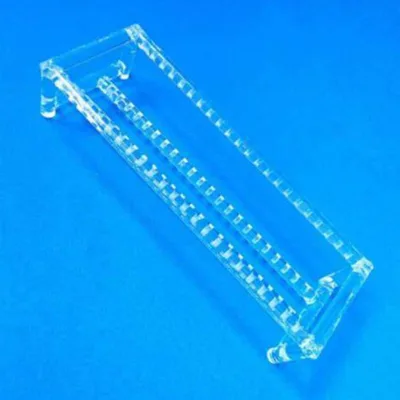


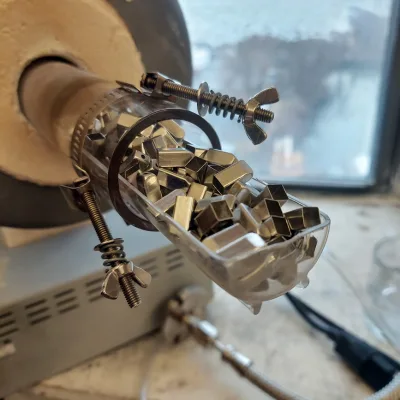
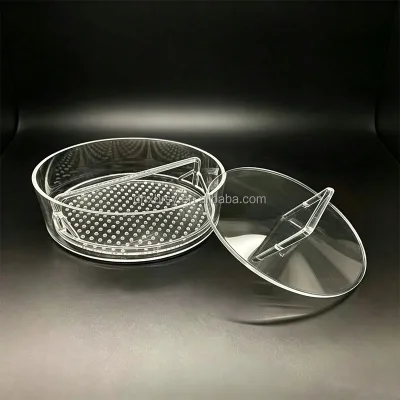
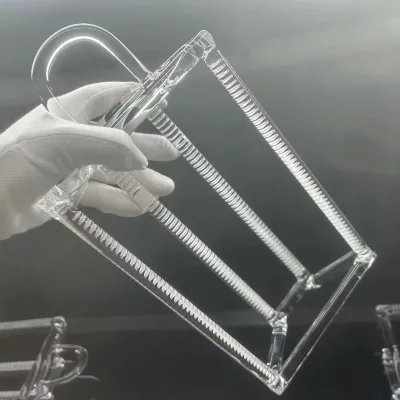
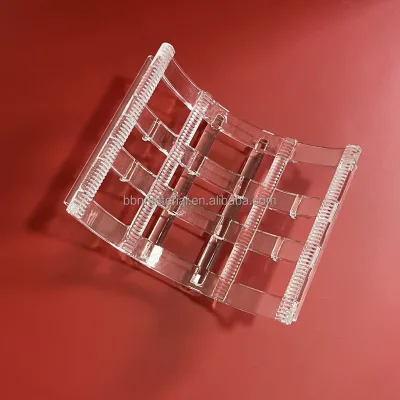
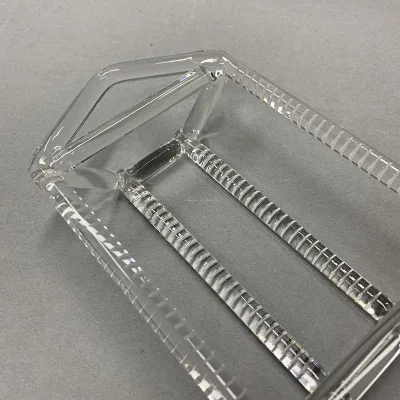
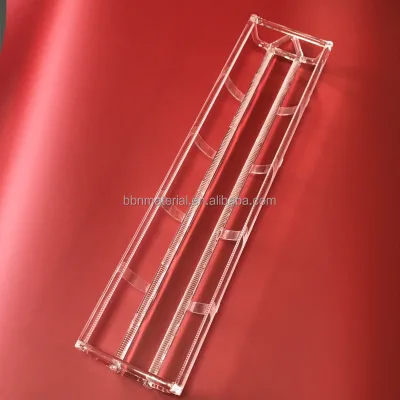
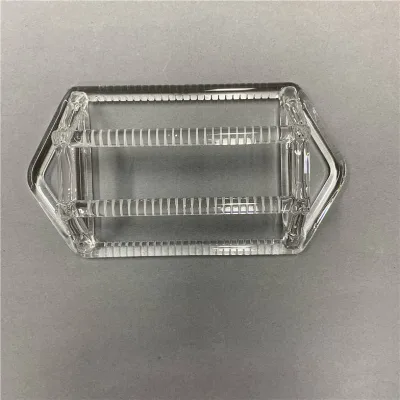
High Purity Fused Quartz Glass Boat Wafers Carrier for Furnace Quartz Boat
$10.23 - $204.69
MOQ: 10 Minimum
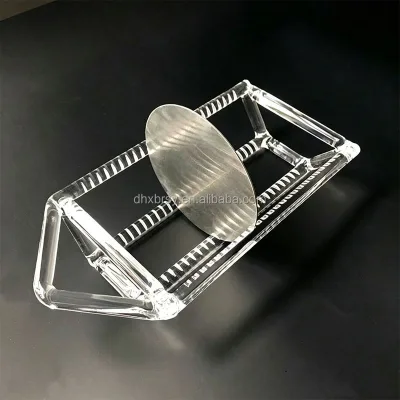


Comprehensive Sourcing Guide
Strategic Sourcing Guide for High Purity Quartz Wafer Carriers
The semiconductor and advanced optical industries rely heavily on the integrity of materials used during wafer processing. Among these critical components, the High Purity Quartz Wafer Carrier, often referred to as a quartz glass boat or silicon carbide wafer boat depending on the specific process requirements, serves as the backbone for thermal processing steps. Sourcing these components requires a disciplined approach that distinguishes between fused silica and silicon carbide variants, verifies chemical purity claims, and evaluates the manufacturing capabilities of potential suppliers. This guide outlines the essential factors for procurement professionals to ensure the acquisition of reliable, high-performance carriers that meet stringent industrial standards.
Technical Specifications and Material Composition
The foundation of a reliable wafer carrier lies in its material composition and dimensional precision. The supplied market data indicates a primary distinction between two material classes: high-purity fused quartz (SiO2) and silicon carbide. For applications demanding extreme chemical resistance and thermal stability, fused quartz is the standard. Specifications observed in the market show SiO2 content ranging from 99.99% to 99.999%, with magnesium oxide (MgO) content maintained below a few parts per million (ppm). This ultra-low metallic impurity profile is critical to prevent contamination of the silicon wafers during high-temperature annealing or oxidation processes.
In contrast, silicon carbide variants are noted for their specific density of approximately 2.2g/cm³ and are often utilized in industrial ceramic applications. The choice between these materials depends on the specific thermal and chemical environment of the production line. Dimensional specifications are rarely standardized; instead, the market predominantly offers customized sizes and shapes. Buyers should expect to find options ranging from simple C-shapes to complex three-dimensional geometries tailored to specific furnace configurations. The surface finish is equally critical, with polished surfaces being a common requirement to minimize particle generation and ensure smooth wafer handling.
Manufacturing Processes and Structural Integrity
The production method significantly influences the final quality of the wafer carrier. The data highlights several processing services including bending, decoiling, welding, punching, and molding. For fused quartz components, the technique typically involves melting, drawing, or pressing the raw material. The resulting product must exhibit high temperature resistance, with some specifications citing a working temperature of up to 1100 degrees Celsius. This thermal capability ensures the carrier does not deform or degrade during the intense heat cycles of semiconductor manufacturing.
Surface treatment is another vital aspect of the manufacturing process. Polished surfaces are essential to reduce friction and prevent the accumulation of particulate matter, which could compromise wafer quality. The structural integrity of the carrier is further defined by its shape and density. While some products are described as having a "C Shape" or "three-dimensional" forms, the ability to produce customized shapes is a key differentiator among suppliers. Buyers must verify that the supplier possesses the necessary molding and welding capabilities to create complex geometries without introducing internal stresses that could lead to thermal shock failure.
Compliance, Certification, and Purity Verification
When sourcing high-purity components, verifying the chemical composition is paramount. The market data explicitly mentions high purity as a key advantage, with SiO2 content reaching 99.999%. However, buyers should not rely solely on marketing claims. It is essential to request detailed material test reports (MTRs) that confirm the specific ppm levels of impurities such as MgO, Al, and Fe. The presence of these metallic contaminants can catalyze unwanted reactions or diffuse into the silicon wafer, rendering the final product defective.
While specific certification names are not provided in the general product listings, buyers should look for evidence of adherence to international quality management standards. The "Factory+professional" advantage suggests that established manufacturers often have robust internal quality control systems. Procurement teams should verify if the supplier has ISO certifications or specific industry accreditations relevant to semiconductor manufacturing. Additionally, the "High Chemical Corrosion Resistant" feature must be validated through independent testing, especially if the carrier will be exposed to aggressive etching gases or acids during the process.
Cost Drivers and Procurement Economics
The cost of a High Purity Quartz Wafer Carrier is influenced by several factors, including material purity, customization complexity, and processing requirements. The observed price range in the market spans from $1.02 to $700, reflecting the vast difference between standard off-the-shelf items and highly specialized, custom-engineered components. The minimum order quantity (MOQ) typically ranges from 1 to 100 units, with some suppliers setting a baseline MOQ of 5 units. This flexibility allows for both prototyping and bulk production runs.
Customization is a primary cost driver. Since most carriers are "Customised Size" and "Shape," the tooling and setup costs are higher than for standard products. The complexity of the shape, such as moving from a simple C-shape to a complex three-dimensional structure, directly impacts the manufacturing time and material waste. Furthermore, the level of surface polishing and the strictness of the purity verification process add to the overall cost. Buyers should balance the need for ultra-high purity with the budget constraints, understanding that the 99.999% purity grade commands a premium over the 99.99% grade.
Typical Applications and Usage Scenarios
High purity quartz wafer carriers are indispensable in various sectors, primarily serving the semiconductor industry. The data identifies "Wafer processing process" as a primary application, where these carriers hold silicon wafers during thermal treatments such as diffusion, oxidation, and annealing. The "High Temperature Resistance" and "Anti-corrosion" features make them suitable for the harsh environments of these processes. Beyond semiconductors, these carriers are also used in "Optical/Semi/Industry" applications, including the manufacturing of optical fibers and high-performance lighting.
In laboratory settings, the carriers function as essential tools for "Laboratory Test" and "Laboratory instrument" applications. Their ability to withstand high temperatures and resist chemical corrosion makes them ideal for research and development environments where precise thermal control is required. The "Refractory" usage classification further underscores their role in high-temperature industrial furnaces. Whether used in a large-scale production line or a small research facility, the carrier must maintain its structural integrity and chemical inertness to ensure the quality of the final product.
Supplier Evaluation and Quality Control Protocols
Selecting the right supplier requires a rigorous evaluation of their technical capabilities and quality assurance processes. Buyers should prioritize suppliers who explicitly demonstrate expertise in "Melted, drawn or pressed" techniques and possess advanced processing services like "Welding" and "Bending." The brand presence, such as "HengTong" or "HT," indicates established market players, but the specific capabilities of the manufacturing facility are more important than the brand name alone.
Quality control should be a collaborative effort between the buyer and the supplier. Key checkpoints include verifying the "SiO2 Content (%)" and "MgO Content (%)" through third-party testing. The physical dimensions must be measured against the "Customised Size" specifications to ensure a perfect fit within the furnace. Surface finish inspections are necessary to confirm the "Polished" quality. Additionally, buyers should assess the packaging standards, which range from "Carton Pakcing" to "Wooden Box" or "Wooden Packing," to ensure the components arrive without damage. The "Single item" selling unit suggests that suppliers are capable of handling small, precise orders, which is beneficial for prototyping phases.
Long-Term Procurement Considerations
Sourcing high purity quartz wafer carriers is not merely a transactional activity but a strategic partnership that impacts long-term production efficiency. The "Advantage: High purity" and "Advantage: Factory+professional" attributes suggest that suppliers with strong manufacturing roots offer better consistency and reliability. Buyers should consider the lead times and the ability of the supplier to scale production as their needs grow. The "Model Number" variations, such as "HengTong--HPQWBC" or "HT-BQW," indicate a diverse product portfolio, allowing for future expansion into different carrier types without changing suppliers.
Sustainability and supply chain resilience are also critical. Given the specialized nature of these components, buyers should ensure that their suppliers have robust inventory management and contingency plans to prevent supply disruptions. The "Usage: Refractoy" and "Application: Industrial Ceramic" classifications highlight the critical nature of these parts in the supply chain. A reliable supplier will provide consistent quality over time, reducing the risk of production downtime caused by carrier failure. By focusing on technical specifications, verifying purity, and evaluating manufacturing capabilities, procurement teams can secure a steady supply of high-quality wafer carriers that support the demanding requirements of the semiconductor and optical industries.
FAQs
What is the typical SiO2 content for high purity quartz wafer carriers?
The SiO2 content typically ranges from 99.99% to 99.999% depending on the specific grade. Some products maintain magnesium oxide levels below a few parts per million to ensure ultra-high purity for semiconductor applications.
Which processing services are available for these carriers?
Available processing services include bending, decoiling, welding, punching, and molding. The manufacturing technique often involves melting, drawing, or pressing the raw quartz material to achieve the desired shape.
Can buyers order customized sizes and shapes for these carriers?
Yes, buyers can order customized sizes and shapes tailored to specific furnace configurations. Options range from simple C-shapes to complex three-dimensional geometries to fit unique industrial requirements.
What is the minimum order quantity for purchasing these items?
The minimum order quantity typically ranges from 1 to 100 units, with some suppliers setting a baseline of 5 units. This flexibility supports both prototyping needs and larger bulk production runs.
How do these carriers perform at high temperatures?
These carriers exhibit high temperature resistance with some specifications citing a working temperature of up to 1100 degrees Celsius. This thermal stability prevents deformation during intense heat cycles in semiconductor manufacturing.
What packaging options are used for shipping these carriers?
Packaging options include wooden boxes, wooden packing, and carton packing to ensure safe delivery. The choice of packaging helps protect the fragile quartz glass or silicon carbide components from damage during transit.