Source High Purity Silicon Nitride Powder for Ceramics
Find and compare High Purity Silicon Nitride Powder from 30 verified suppliers. Evaluate options for refractory, electronics, and metallurgy applications based on purity levels, particle sizes, and packaging standards.
Key considerations
Products List


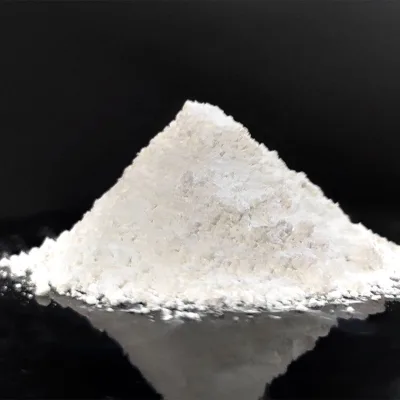


Comprehensive Sourcing Guide
High Purity Silicon Nitride Powder Sourcing Guide
Procuring High Purity Silicon Nitride Powder requires a disciplined approach to distinguishing between general ceramic raw materials and specialized grades designed for advanced electronics and refractory applications. The market presents a wide spectrum of product attributes, ranging from standard 80-90% purity materials suitable for basic metallurgy to ultra-high purity variants exceeding 99.995% intended for precision semiconductor components. Buyers must first clarify their specific end-use requirements, as the performance characteristics of the powder, such as nitrogen content and particle size distribution, directly dictate the suitability for applications like smelting, refractory linings, or ceramic decorations.
A critical initial step involves verifying the physical form and packaging specifications to ensure compatibility with existing manufacturing processes. Listings often describe the material in various forms, including powder, grain, or lump, with packaging ranging from vacuum-sealed bags to drums and plywood boxes. The choice between a 1kg bag for laboratory testing and a 25kg drum for industrial production impacts both logistics and material integrity. Understanding these variations helps procurement teams avoid mismatches between the ordered specification and the actual delivery, ensuring that the material arrives in a condition that preserves its high purity and prevents contamination during transit.
Product Scope and Observed Listing Signals
The observed product listings reveal a diverse range of silicon nitride offerings, characterized by specific purity levels and particle sizes that cater to different industrial sectors. Buyers will encounter products labeled with purity grades such as 99.5%, 99.8%, and 99.995%, alongside specific particle size ranges like 1-3um, 3-5um, and 10-15um. These signals indicate that the market is segmented by application intensity, where higher purity and finer particle sizes command different value propositions compared to coarser, lower-purity grades used in general refractory or metallurgy contexts.
Listing signals also highlight the variability in product naming and standardization, with some entries explicitly mentioning "Nano Silicon Nitride Particle" while others refer to generic "Silicon Nitride Price" or "Silicon Nitride Powder." This inconsistency necessitates a careful review of the technical data sheet rather than relying solely on the product title. The presence of customization options for size, ranging from 10-100mm or 0-200mesh, suggests that suppliers are prepared to tailor the physical dimensions of the powder to specific processing needs, but buyers must confirm these customizations are feasible within their required lead times and volume constraints.
Technical Specifications to Verify
When evaluating technical specifications, the density and melting point of the silicon nitride powder are fundamental parameters that influence the final product's thermal and mechanical performance. Verified data points indicate a density of approximately 2.8±0.1 g/cm3 and a melting point around 1900 °C, which are critical for applications requiring high thermal stability and resistance to extreme temperatures. Buyers should request batch-specific test reports to confirm that the delivered material consistently meets these physical benchmarks, as deviations can compromise the structural integrity of ceramic components or the efficiency of refractory linings.
Particle size distribution and carbon content are equally vital specifications that must be rigorously verified against the purchase order. The market offers particle sizes ranging from fine powders to specific micron grades like 15um, 20um, and 45um, with some listings emphasizing low carbon content to prevent impurities in high-performance applications. Since the material is often used in electronics and smelting, the presence of excess carbon or incorrect particle morphology can lead to defects in the final sintered product. Procurement teams should ensure that the supplier provides detailed particle size analysis and carbon content reports for every shipment to maintain process consistency.
Compliance and Safety Documentation
Compliance documentation serves as a primary indicator of a supplier's commitment to quality management and operational safety. Many suppliers in this sector provide certifications such as ISO9001 and CE, which signal adherence to international quality management systems and safety standards. While these certifications are valuable, buyers should verify that the specific certificates are current and cover the manufacturing facilities responsible for the silicon nitride powder, rather than accepting generic claims that may not apply to the specific batch or production line.
Safety data sheets (SDS) and material safety documentation are essential for handling high purity ceramic powders, particularly those with nano-scale particle characteristics. The "High Purity" and "High Nitrogen Content" features of the material require specific handling protocols to ensure worker safety and environmental compliance. Buyers must confirm that the supplier provides up-to-date SDS documents that address potential hazards associated with inhalation or skin contact, ensuring that the receiving facility has the necessary ventilation and personal protective equipment to manage the material safely upon arrival.
Cost Drivers and Commercial Terms
The cost of High Purity Silicon Nitride Powder is heavily influenced by the purity level, particle size, and packaging requirements, creating a wide price range observed in the market from $1 to $15,000. Ultra-high purity grades with specific micron sizes, such as 99.995% at 1-3um, typically command a premium due to the complex synthesis and rigorous quality control processes involved. Buyers should analyze the cost per unit of purity and the specific particle size requirements to determine the most economical option that still meets their technical specifications, avoiding over-specification that drives unnecessary costs.
Commercial terms, including Minimum Order Quantity (MOQ) and packaging standards, play a significant role in the total cost of ownership. The observed MOQ ranges from 1 to 100 units, offering flexibility for both small-scale testing and large-volume production runs. Packaging options vary from standard 25kg bags and drums to customized requirements, and the choice of packaging can impact shipping costs and material protection. Buyers should negotiate terms that align with their inventory management strategies, ensuring that the packaging prevents moisture absorption or contamination while optimizing freight efficiency.
Supplier Qualification and Quality Control
Supplier qualification in the silicon nitride market requires a thorough assessment of the manufacturer's capabilities regarding customization and standardization. The availability of customized sizes and standards, such as 25KG/BAG or specific purity grades, indicates a flexible production environment, but buyers must verify the supplier's ability to maintain consistency across different batches. The presence of multiple product models, including those for aluminum nitride and silicon carbide, suggests a broad material portfolio, but it is crucial to ensure that the specific silicon nitride production lines are dedicated and controlled to prevent cross-contamination.
Quality control processes should be validated through on-site audits or detailed third-party inspection reports, focusing on the consistency of purity and particle size. Suppliers offering products with specific models like "SY-si3n410" or "99.995% 1-3um" should demonstrate a robust internal quality assurance system that tracks these parameters from raw material intake to final packaging. Buyers should request evidence of in-process testing and final product verification to ensure that the delivered powder meets the agreed-upon standards, particularly for applications in electronics where even minor impurities can lead to significant performance failures.
Long-Term Procurement Checks
Establishing a long-term procurement relationship for High Purity Silicon Nitride Powder involves regular performance reviews and continuous verification of supply chain stability. Given the specialized nature of the material, buyers should implement a schedule for periodic re-testing of incoming batches to ensure that the supplier maintains the required density, melting point, and purity levels over time. This proactive approach helps identify any drift in quality before it impacts production, allowing for timely corrective actions and maintaining the integrity of the final ceramic or electronic products.
Supply chain resilience is another critical factor for long-term success, requiring buyers to monitor the supplier's ability to meet demand fluctuations and maintain consistent lead times. The origin of the product, typically China, and the various packaging and shipping options available should be evaluated for their impact on delivery reliability. Buyers should develop contingency plans that include alternative suppliers or buffer stock strategies to mitigate risks associated with logistics disruptions, ensuring a steady flow of high-quality silicon nitride powder to support ongoing manufacturing operations.
FAQs
What is the typical purity range for silicon nitride powder?
The typical purity range for silicon nitride powder is 80% to 90%, with high-purity variants available at 99.5% or 99.995%. These variations cater to different industrial needs, from general refractory applications to advanced electronics. Buyers should verify the specific grade required for their manufacturing process to ensure material compatibility and performance standards are met.
How is silicon nitride powder packaged for shipment?
Silicon nitride powder is commonly packaged in drums, bags, or plywood boxes to ensure safe transport. Some high-purity grades utilize vacuum packaging to maintain integrity. Standard packaging often follows a 25kg per bag format, but custom requirements are available. This flexibility helps protect the material from moisture and contamination during international logistics.
What are the primary applications of silicon nitride powder?
Silicon nitride powder is primarily used in refractory materials, electronics, and metallurgy. Its high hardness and thermal stability make it ideal for ceramic decorations and smelting processes. The material serves as a crucial raw material in industries requiring durable, high-performance components that can withstand extreme temperatures and chemical environments effectively.
Can silicon nitride powder be customized to specific sizes?
Yes, silicon nitride powder can be customized into various particle sizes, ranging from 10 to 100mm or 0 to 200mesh. Specific models offer precise granular distributions like 1-3um or 3-5um. This customization allows manufacturers to tailor the material to exact processing requirements, ensuring optimal performance in specialized ceramic or electronic applications.
What certifications are associated with silicon nitride powder suppliers?
Suppliers of silicon nitride powder often hold ISO9001 and CE certifications, indicating adherence to quality management and safety standards. These credentials assure buyers of consistent product quality and reliable manufacturing processes. When sourcing, verifying these certifications helps ensure that the material meets international regulatory requirements for industrial and electronic applications.
What is the density and melting point of silicon nitride?
Silicon nitride has a density of approximately 2.8±0.1 g/cm3 and a melting point of 1900 °C. These physical properties contribute to its high thermal stability and mechanical strength. Understanding these characteristics is essential for engineers designing components that must endure high heat and mechanical stress in demanding industrial environments.