Source High Refractory Sintered Mullite Powder for Ceramics
Compare 30 listings of High Refractory Sintered Mullite Powder with varying Al2O3 content, particle sizes, and bulk densities. Buyers can evaluate suppliers based on refractoriness, thermal insulation, and packaging options for industrial applications.
Key considerations
Products List


High Al2O3 Sintered Mullite for Shaped and Unshaped Refractory Materials
$240.00 - $320.00
MOQ: 108 Tons


High Purity Mullite Sand Powder Refractory Chamotte Mullite Sand Powder
$200.00 - $300.00
MOQ: 10 Tons




Comprehensive Sourcing Guide
Strategic Sourcing Guide for High Refractory Sintered Mullite Powder
Understanding Material Classification and Chemical Composition
When sourcing High Refractory Sintered Mullite Powder, the primary objective is to identify materials that meet specific thermal and chemical stability requirements for industrial applications. The core of this material is defined by its chemical structure, typically represented by the formula 3Al2O3·2SiO2. This composition is critical because it dictates the material's resistance to high temperatures and its mechanical integrity under stress. In the current market, buyers encounter a range of alumina (Al2O3) contents, with observed specifications ranging from 42% to 78% in various product listings. Specific grades often highlight concentrations such as 45%, 60%, or 70% Al2O3, which directly influence the refractoriness and mullite phase content.
The mullite phase itself is a key indicator of quality, with observed ranges in the market spanning from 60% to 90%. A higher mullite phase percentage generally correlates with superior thermal shock resistance and structural stability. Alongside alumina and silica (SiO2), which is observed in ranges of 20-50%, the presence of impurities must be strictly controlled. Standard specifications for high-quality sintered mullite often limit iron oxide (Fe2O3) to a maximum of 1% or 1.6%, sodium oxide (Na2O) to 0.5%, titanium dioxide (TiO2) to 2.6%, and magnesium oxide (MgO) to 0.3%. These impurity limits are essential for preventing slag formation and ensuring the purity required for advanced ceramics and metallurgical processes.
Technical Specifications and Physical Properties
The physical properties of sintered mullite powder are as diverse as its chemical composition, varying significantly based on the intended application and particle size. Buyers must distinguish between block forms and powder forms, as their properties differ markedly. For powder forms, the refractoriness is a critical parameter, with observed values indicating temperatures exceeding 1580°C and 1770°C depending on the specific grade and shape. The bulk density for these materials is another vital metric, with observed values ranging from a minimum of 2.45 g/cm³ to specific instances of 2.6 g/cm³. This density impacts the packing efficiency and the final strength of the refractory lining or ceramic body.
Particle size specification is perhaps the most variable attribute in the supply chain. The market offers a wide spectrum of mesh sizes and granular distributions. Common specifications include fine powders such as 0.1-0.3mm, 0.18-0.3mm, and 0.18-0.5mm. Coarser aggregates are also available, with sizes ranging from 0-1mm, 1-3mm, 3-5mm, and 5-8mm. For applications requiring ultra-fine grinding, mesh sizes like 100 mesh, 200 mesh, and 325 mesh are frequently listed. The choice of particle size directly affects the sintering behavior, thermal conductivity, and mechanical strength of the final product. Additionally, water absorption rates are observed to vary, with some specifications listing a maximum of 3%, while others report values as low as 0.48%. Apparent porosity is similarly variable, with observed data points around 1.24%, indicating the need for buyers to verify porosity levels against their specific process requirements.
Compliance, Certification, and Environmental Standards
In the global B2B market, compliance with international standards and environmental regulations is non-negotiable for high-performance refractory materials. The sourcing process must prioritize suppliers who can demonstrate adherence to recognized safety and environmental protocols. One of the most prominent certifications observed in the supply chain for these materials is REACH (Registration, Evaluation, Authorization, and Restriction of Chemicals). This certification is crucial for buyers operating in or exporting to the European Union, as it ensures the chemical composition of the mullite powder does not contain substances of very high concern.
Beyond specific chemical certifications, the environmental protection status of the product is a key differentiator. Many high-quality listings explicitly state "Yes" for environmental protection, indicating that the manufacturing process and the final product are designed to minimize ecological impact. This is particularly relevant for industries such as metallurgy and ceramics, where sustainability is increasingly a procurement criterion. Furthermore, the production process itself, often identified as the "Sintering Method," plays a role in the material's purity and consistency. Buyers should verify that the sintering process is controlled to prevent the introduction of unwanted contaminants. While specific national standards may vary, the presence of standardized particle size specifications (e.g., 0-1-3-5-8mm) and packing standards (e.g., 25kg) suggests a level of industrial standardization that buyers should expect and verify through documentation.
Cost Drivers and Pricing Dynamics
The pricing of High Refractory Sintered Mullite Powder is influenced by a complex interplay of factors, including chemical purity, particle size distribution, and packaging requirements. In the observed market, prices for these materials range significantly, with listings falling between $150 and $1,019.86 USD. This wide variance is not arbitrary but is driven by the specific grade of the material. Higher alumina content, such as grades approaching 70-78%, typically commands a premium over lower-grade materials with 42-45% alumina. Similarly, the complexity of the particle size specification affects cost; ultra-fine powders requiring precise grinding to achieve 200 mesh or 325 mesh are more expensive than coarser aggregates.
Packaging also serves as a significant cost driver. The market offers various packaging options, including big jumbo bags, woven bags, and 25kg PP bags. The choice of packaging impacts logistics costs and the handling efficiency for the buyer. For instance, jumbo bags may reduce per-unit shipping costs for large volume orders but require specific handling equipment. Minimum Order Quantities (MOQ) are another critical factor in cost management, with observed ranges spanning from 10 to 108 units. Buyers must balance their inventory needs against these MOQs to optimize cash flow. Additionally, the origin of the product, primarily identified as China or specifically Hebei, China, influences pricing due to regional manufacturing costs and logistics. Customization availability is another variable; orders requiring custom particle sizes or specific chemical blends may incur additional setup costs, affecting the final unit price.
Typical Applications and Industry Use Cases
High Refractory Sintered Mullite Powder is a versatile material utilized across several high-temperature industries. Its primary applications include the production of refractory materials, ceramics, metallurgy, and casting processes. In the refractory industry, the material is used to create linings for furnaces and kilns that must withstand extreme thermal loads without degrading. The high-temperature resistance and good thermal insulation performance make it ideal for applications where energy efficiency is paramount. The low thermal conductivity and light weight characteristics of the powder contribute to reduced heat loss and improved structural integrity in furnace linings.
In the ceramics sector, mullite powder serves as a key component in the formulation of advanced ceramic bodies. Its ability to provide good mechanical strength and thermal shock resistance is essential for producing high-performance ceramic components used in automotive, aerospace, and electronics industries. The metallurgical industry utilizes this material for its resistance to chemical attack and high-temperature stability, often incorporating it into ladle linings and tundish coatings. Casting applications also benefit from the material's properties, where it helps in the formation of molds and cores that can withstand the thermal shock of molten metal. The specific purpose of the material is often tailored to the industry, with buyers selecting grades based on the specific demands of their production lines, such as the need for specific particle sizes to ensure proper flow and packing density in the final application.
Supplier Evaluation and Quality Control Protocols
Evaluating suppliers for High Refractory Sintered Mullite Powder requires a rigorous approach to quality control and verification of production capabilities. Buyers should prioritize suppliers who provide detailed technical data sheets that align with the observed specifications, such as the Al2O3 content, mullite phase percentage, and impurity limits. The production process, whether it is the sintering method or casting method, must be transparent and consistent. Buyers should request evidence of the production process to ensure that the material has been treated correctly to achieve the desired properties.
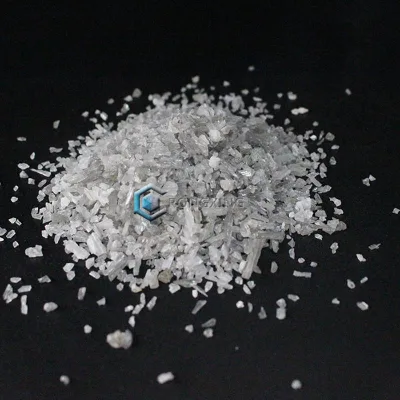
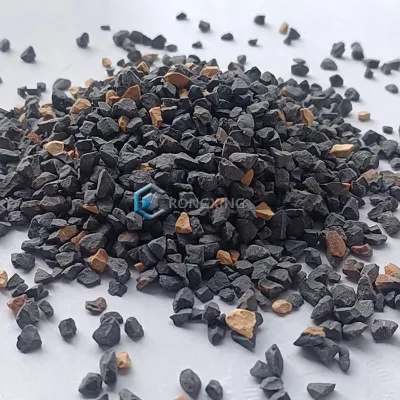
Quality control should extend beyond the initial product inspection to include ongoing monitoring of batch consistency. Key parameters to verify include bulk density, water absorption, and apparent porosity. For instance, a bulk density of 2.6 g/cm³ or a minimum of 2.45 g/cm³ should be confirmed through independent testing. Similarly, water absorption rates should be checked against the specified maximums, such as 3% or 0.48%. The appearance of the product, typically described as solid and grey or dark grey, should be consistent across batches. Certification checks, particularly for REACH compliance, are essential to ensure that the material meets international safety standards. Buyers should also verify the customization capabilities of the supplier, as the availability of custom particle sizes and specific chemical compositions can be a decisive factor in meeting unique production requirements.
Long-Term Procurement and Supply Chain Considerations
Securing a reliable supply of High Refractory Sintered Mullite Powder involves more than just selecting the right product; it requires a strategic approach to long-term procurement and supply chain management. The variability in product models, such as 200M, 300M, 120M, and LMME-Mullite, indicates a need for buyers to establish clear specifications that remain consistent over time. This consistency is crucial for maintaining the quality of the final products in the buyer's own manufacturing processes. Buyers should also consider the lead times and logistics associated with sourcing from specific origins, such as Hebei, China, to ensure timely delivery and minimize production downtime.
Customization availability is a key factor for long-term success, as it allows buyers to adapt to changing market demands and technical requirements. Suppliers who offer flexible customization options can provide a competitive advantage by enabling the development of specialized products. Additionally, the environmental protection status of the supplier and their commitment to sustainable practices should be considered as part of the long-term strategy. As global regulations tighten, suppliers who proactively adhere to environmental standards will be better positioned to support their customers in meeting compliance requirements. By focusing on these long-term considerations, buyers can build a resilient supply chain that ensures the continuous availability of high-quality sintered mullite powder for their critical applications.
Comparative Analysis of Product Specifications
To facilitate informed decision-making, the following table summarizes the key observed specifications for High Refractory Sintered Mullite Powder, highlighting the variations that buyers must navigate.
| Specification Category | Observed Range / Options | Critical Verification Points |
|---|---|---|
| Al2O3 Content | 42% - 78% (Specific: 45%, 60%, 70%) | Verify exact percentage against grade requirements. |
| Mullite Phase | 60% - 90% | Higher phase % indicates better thermal stability. |
| Refractoriness | >1580°C, >1770°C (Shape dependent) | Confirm temperature limits for specific application. |
| Bulk Density | ≥2.45 g/cm³, 2.6 g/cm³ | Check density for packing and strength calculations. |
| Particle Size | 0.1-0.3mm to 5-8mm; 100-325 mesh | Match size to sintering and flow requirements. |
| Impurities (Fe2O3) | 1% Max, 0.8-1.6% Max | Lower iron content is critical for high-purity applications. |
| Packaging | Big Jumbo Bags, Woven Bag, 25kg PP Bag | Ensure packaging suits logistics and handling capabilities. |
| Certification | REACH | Mandatory for EU market access and safety compliance. |
| Origin | China, Hebei China | Consider logistics and supply chain stability. |
This comparative overview underscores the importance of precise specification matching. Buyers must carefully align their technical requirements with the specific attributes offered by suppliers to ensure optimal performance in their respective industries.
FAQs
What is the chemical formula for High Refractory Sintered Mullite Powder?
The chemical formula is 3Al2O3·2SiO2. This composition ensures high thermal stability and mechanical strength for industrial applications in ceramics and metallurgy.
Which alumina content ranges are available for this material?
Available alumina content ranges from 42% to 78%, with specific grades offering 45%, 60%, or 70%. Higher alumina levels generally improve refractoriness and mullite phase content.
Can buyers request custom particle sizes for this powder?
Yes, customization is available for various particle sizes. Options include fine powders like 0.1-0.3mm and coarse aggregates ranging up to 5-8mm or mesh sizes like 200 mesh.
What certifications does this product typically hold?
The product typically holds REACH certification. This ensures compliance with chemical safety standards, making it suitable for export to regions with strict environmental regulations.
How is the product packaged for shipment?
Packaging options include big jumbo bags, woven bags, and 25kg PP bags. The choice depends on order volume and specific handling requirements for the buyer.
What is the minimum order quantity for this material?
The minimum order quantity ranges from 10 to 108 units. Buyers should verify specific MOQs with suppliers to align with their inventory and cash flow needs.