Source High Strength Polyurea Waterproofing Grout for Roofs, Pools, and Floors
Compare 30 listings for High Strength Polyurea Waterproofing Grout suitable for roofs, swimming pools, and floors. Options include liquid and solid formulations with CE and ISO certifications, featuring UV resistance and anti-skid properties for durable construction applications; compare the available evidence and request quotations based on your requirements.
Key considerations
Products List


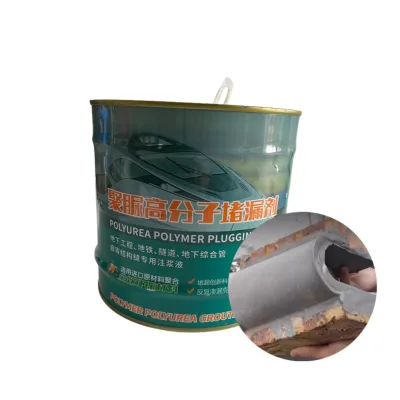


Waterproof Low Water Absorption Building Joint Polymer Color Sand Grout
$1.20 - $1.50
MOQ: 5000 Pieces


Comprehensive Sourcing Guide
High Strength Polyurea Waterproofing Grout Sourcing Guide
Buyers must first distinguish between liquid polyurea coatings and solid-state grout formulations, as the supplied data reveals a mix of product morphologies including both liquid and solid-state variants. The observed listings indicate specific models like GS-002 and PPPT-02003, which serve distinct roles in roofing, flooring, and swimming pool applications. Procurement teams should verify whether the specific grout formulation required for structural gaps aligns with the liquid coating properties listed, such as the 1:1 mixing ratio and 1000 MPa.S viscosity, to ensure the material can effectively penetrate and seal the intended substrate.
The commercial landscape shows a wide price range from 0.35 to 29 USD, driven by packaging formats ranging from 400ML cartons to large iron barrels. This variance suggests that unit economics depend heavily on the order volume and the specific packing standard, such as the 1kg, 2kg, or 20kg options observed. Buyers should calculate the total cost of ownership by factoring in the minimum order quantities, which span from 1 to 5000 units, to determine if the supplier's batch sizes align with the project's immediate consumption rates and storage capabilities.
Product Scope and Observed Listing Signals
The product scope encompasses a diverse array of waterproofing solutions, including polyurea coatings designed for roofs, floors, and walls, alongside specialized grouts for construction joints. The observed attributes highlight a primary focus on building waterproofing and construction applications, with compatibility noted for cement, concrete, glass, metal, and plastic surfaces. Sourcing teams must confirm that the specific grout product selected possesses the necessary adhesion properties to work seamlessly with the existing substrate materials present in the construction site.
Listing signals indicate that these products are often two-component systems requiring precise mixing, with a standard ratio of 1:1 observed in the data. The presence of features like UV resistance, weatherability, and anti-skid properties suggests these materials are intended for exposed environments or high-traffic areas. Buyers should scrutinize the listed appearance and morphology to ensure the product matches the physical requirements of the installation, distinguishing between liquid coatings that flow and solid-state agents that provide structural integrity.
Technical Specifications to Verify
Technical verification must begin with the curing profile, as the data specifies surface dry times of 2 hours and full dry times ranging from 12 to 24 hours depending on ambient temperature. Procurement teams need to validate that the supplier's batch can consistently achieve the 12-hour cure time at temperatures over 10℃ or the extended 24-hour window below that threshold. This temperature sensitivity is critical for scheduling construction activities, as delays in the curing process can impact the overall project timeline and the integrity of the waterproofing layer.
Mechanical properties such as hardness, elongation, and tensile strength are equally vital for ensuring long-term performance under stress. The observed data lists hardness values of 80HD and 88 Shore A, along with an elongation of 320% and tensile strength of 20 MPa. Buyers should request specific test reports for the exact model number being purchased to confirm these values, as the grout must withstand the thermal expansion and contraction of the building structure without cracking or losing its seal.
Compliance and Safety Documentation
Safety compliance is a non-negotiable aspect of sourcing, with the data explicitly listing MSDS and ISO certifications as available for these products. Buyers must ensure that the specific batch of polyurea grout includes a current Material Safety Data Sheet that details handling procedures, first aid measures, and storage requirements. The presence of these documents indicates a baseline commitment to safety, but procurement teams should verify that the MSDS aligns with the regulations of the destination country to avoid customs delays or legal liabilities.
Environmental regulations also play a significant role, particularly regarding volatile organic compounds, as the listings claim 0 VOC content. This attribute is crucial for projects with strict indoor air quality standards or environmental certifications. Sourcing teams should cross-reference the 0 VOC claim with independent laboratory test results to confirm that the product truly meets low-emission standards, ensuring that the installation does not compromise the health of occupants or violate local environmental protection laws.
Cost Drivers and Commercial Terms
Cost drivers in this market are heavily influenced by the raw material composition, specifically the organic material and epoxy resin content found in the main agent. The observed price range suggests that formulations with higher non-volatile content, such as the 79% figure noted, may command a premium due to their superior durability and solid film formation. Buyers should analyze the cost per unit of solid content rather than just the price per liter or kilogram to understand the true value proposition of different supplier offerings.
Commercial terms are further complicated by the diverse packaging options, ranging from small 400ML cartons to large iron barrels, which affect shipping and handling costs. The minimum order quantity flexibility, spanning from 1 to 5000 units, allows for negotiation but requires careful planning to avoid overstocking or stockouts. Procurement teams should negotiate lead times and payment terms based on the specific model, such as STWD9528 or GS-002, to ensure that the supply chain remains resilient against potential disruptions in the manufacturing or logistics sectors.
Supplier Qualification and Quality Control
Supplier qualification requires a deep dive into their manufacturing history, as the data mentions a product lifespan of 15 to 20 years, implying a long-standing operational track record. Buyers should verify the supplier's production capacity and quality control protocols to ensure they can consistently deliver products that meet the specified standards, such as the 23cm28cm28cm dimensions or the 1kg/2kg/20kg packing standards. A supplier with a proven history of maintaining these specifications is less likely to introduce variability that could compromise the waterproofing system.
Quality control checks must extend beyond the initial product delivery to include ongoing monitoring of the gel time and water expansion rate. The observed gel time of 138 seconds and water expansion rate of 23% are critical indicators of the product's reactivity and performance. Procurement teams should implement a rigorous incoming inspection process that tests these specific parameters on random samples from each batch to ensure that the material performs as expected during the actual application phase.
Long-Term Procurement Checks
Long-term procurement strategies should focus on the shelf life and storage stability of the polyurea grout, with the data indicating a 12-month shelf life. Buyers must establish a rotation system to ensure that older stock is used first, preventing the material from degrading before it can be applied. This is particularly important for two-component systems where the individual components may have different stability profiles, requiring careful inventory management to maintain the 1:1 mixing ratio integrity over time.
Finally, buyers should monitor the anti-yellowing performance and weatherability of the installed product to ensure it meets the project's aesthetic and functional requirements over the years. The observed anti-yellowing value of 2.7 after 168 hours provides a benchmark for initial quality, but long-term checks should track how the material performs under real-world UV exposure and weather conditions. Establishing a feedback loop with the supplier based on field performance data will help refine future procurement decisions and ensure the continued reliability of the waterproofing solution.
FAQs
What is the primary application of this polyurea coating?
This polyurea waterproof coating is designed for roofing, flooring, swimming pools, fish ponds, and walls. It works effectively on cement, concrete, glass, metal, plastic, and tile surfaces to provide durable waterproofing and anti-skid protection for building construction projects.
How is the product packed and what is its density?
The product is available in barrels or iron barrels depending on the specific model. It has a density of 1.2g/cm3 and a non-volatile content of 79%. The packaging ensures safe transport while maintaining the liquid morphology of the coating before application.
Can the product be customized for specific project needs?
Yes, customization is available for this polyurea waterproof coating to meet specific project requirements. Buyers can request tailored solutions while maintaining the core features like UV resistance and weatherability. This flexibility supports diverse applications across different construction environments.
What are the key physical properties of the coating?
The coating features a viscosity of 1000 MPa.S and a gel time of 138 seconds. It offers high elongation of 320% and tensile strength of 20 MPa. These properties ensure flexibility and durability for waterproofing applications in varying temperature conditions from -35 to 140 degrees Celsius.
Which certifications does the product hold for safety?
The product holds CE, MSDS, and ISO certifications to ensure safety and compliance. These certifications verify that the coating meets international standards for quality and environmental impact. Buyers can rely on these credentials when sourcing materials for sensitive construction projects requiring strict regulatory adherence.
How long does the coating take to fully dry?
The fully dry time is 12 hours at temperatures over 10 degrees Celsius or 24 hours under 10 degrees Celsius. Surface dry time is approximately 2 hours. This drying schedule allows for efficient project timelines while ensuring proper curing for maximum waterproofing performance.
What is the shelf life and storage requirement?
The product has a shelf life of 12 months when stored correctly. It is supplied in cartons or barrels with a standard size of 400ml or larger. Proper storage maintains the conversion type formation mechanism and ensures the coating remains effective for waterproofing and anticorrosive applications.