Source Unprinted Soft Fishing Lure for River, Sea, and Lake
Compare 30 Unprinted Soft Fishing Lure options from Chinese manufacturers. Buyers can evaluate PVC and ABS materials, various sizes, and customization availability for river, sea, and lake applications. Detailed specifications include weights ranging from 1g to 96g and lengths from 4.5cm to 30cm. Models like BYFISH and HY-HPPE0006 offer diverse packing options.
Key considerations
Products List




Comprehensive Sourcing Guide
Unprinted Soft Fishing Lure Sourcing Guide
Sourcing unprinted soft fishing lures requires a strategic balance between cost efficiency and functional performance, as the absence of graphics shifts the focus entirely to material composition and physical design. Buyers must recognize that these products are primarily valued for their buoyancy, scent retention, and durability in various water conditions. The core appeal lies in the ability to customize the product later or to offer a budget-friendly option for high-volume retail channels. Understanding the specific material properties, such as PVC or ABS blends, is essential for ensuring the lure behaves correctly underwater. Procurement teams should prioritize suppliers who demonstrate consistency in molding precision, as this directly impacts the lure’s swimming action and overall effectiveness in attracting fish.
The procurement process for these items often involves navigating a wide range of specifications, from small grubs to larger minnow-style imitations. Buyers need to establish clear criteria for weight, length, and flexibility to match their target fishing environments, whether they are targeting freshwater rivers or saltwater seas. It is crucial to verify that the supplier can maintain tight tolerances on dimensions, as even minor deviations can alter the lure’s performance. Additionally, understanding the customization options available, such as color variations or scent infusions, allows buyers to tailor their inventory to specific market demands without incurring the high costs associated with complex printing processes. This approach ensures that the final product meets both functional requirements and aesthetic preferences.
Product Scope and Observed Listing Signals
The current market landscape for unprinted soft fishing lures reveals a diverse array of product types, ranging from soft plastic grubs and worms to hard plastic minnows and shrimp imitations. Observed listings indicate a strong presence of models such as the BYFISH series and various soft lure codes like HYAAB09 and RY78, which cater to different fishing techniques. These products are typically designed for specific environments, with some optimized for river fishing and others for broader sea applications. The variety in sizes, including options like 4.5cm, 5cm, and 13cm, suggests that buyers can source a comprehensive range of lures to address different fish species and water depths. This diversity allows for flexible inventory management and the ability to test multiple product lines with minimal risk.
Pricing and minimum order quantities (MOQs) vary significantly across suppliers, reflecting differences in material quality, production volume, and customization capabilities. The observed price range spans from low-cost options to premium items, with MOQs typically starting at 50 units and extending up to 5,000 units for certain models. This wide range accommodates both small-scale retailers and large distributors, enabling buyers to scale their orders according to demand forecasts. Suppliers often offer customization services, including OEM options and tailored packaging, which can enhance brand visibility even for unprinted lures. Understanding these market signals helps buyers negotiate better terms and select suppliers who align with their specific volume and quality requirements.
Technical Specifications to Verify
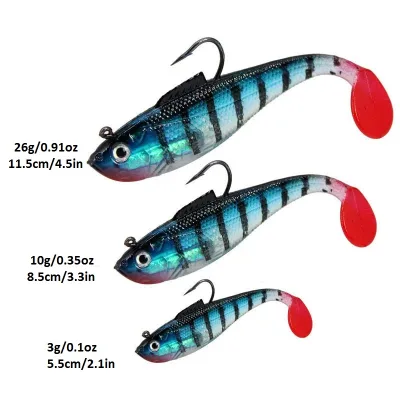
When evaluating unprinted soft fishing lures, buyers must closely examine the material composition, as this dictates the lure’s durability, scent retention, and swimming action. Common materials include PVC and ABS, each offering distinct advantages in terms of flexibility and hardness. It is essential to verify the specific grade of plastic used, as lower-quality materials may degrade quickly or fail to maintain their shape under repeated use. Additionally, the weight and length specifications, such as 14G for 16cm lures or 96G for 30cm options, must be confirmed to ensure they match the intended fishing technique. These physical attributes directly influence how the lure moves in the water and its effectiveness in attracting fish, making precise verification critical for product success.
Packaging and labeling requirements also play a significant role in the technical evaluation of these products. Suppliers may offer various packaging options, including bags, boxes, or custom packaging, which can impact storage efficiency and retail presentation. Buyers should verify the durability of the packaging to prevent damage during transit and ensure that the lures remain clean and intact. Furthermore, the availability of customization services, such as private labeling or specific color requests, should be confirmed to align with brand strategies. Understanding these technical details helps buyers avoid potential issues related to product quality and logistics, ensuring a smoother procurement process and higher customer satisfaction.
Compliance and Safety Documentation
Ensuring that unprinted soft fishing lures comply with relevant safety and environmental standards is a critical step in the procurement process. Buyers should request documentation that verifies the materials used are free from harmful substances, such as phthalates or heavy metals, which could pose risks to aquatic life and human health. While specific certification statuses may vary by supplier, it is essential to confirm that the products meet international safety guidelines for fishing tackle. This includes verifying that the lures are non-toxic and safe for use in both freshwater and saltwater environments. Compliance with these standards not only protects consumers but also enhances the brand’s reputation for responsible sourcing and environmental stewardship.
In addition to material safety, buyers should inquire about the supplier’s quality control processes and any third-party testing that has been conducted on the products. Documentation such as test reports or compliance certificates can provide assurance that the lures meet specified performance and safety criteria. It is also important to verify that the supplier adheres to ethical manufacturing practices, including fair labor standards and sustainable production methods. By prioritizing suppliers with robust compliance documentation, buyers can mitigate risks associated with product recalls or regulatory issues. This proactive approach ensures that the sourced lures are not only effective but also safe and responsibly produced.
Cost Drivers and Commercial Terms
The cost of unprinted soft fishing lures is influenced by several key factors, including material quality, production volume, and customization requirements. Higher-grade plastics and complex molding processes typically result in higher unit costs, while larger order volumes can lead to significant discounts. Buyers should negotiate pricing based on their expected annual volume, leveraging their purchasing power to secure better rates. Additionally, the availability of OEM services and custom packaging options may incur additional fees, which should be factored into the overall cost analysis. Understanding these cost drivers helps buyers make informed decisions about their sourcing strategy and budget allocation.
Commercial terms, such as payment methods, lead times, and return policies, also play a crucial role in the procurement process. Buyers should clarify these terms with suppliers to avoid unexpected costs or delays. For instance, some suppliers may require a deposit upfront, while others may offer credit terms for established partners. Lead times can vary depending on the order size and customization requirements, so it is essential to plan accordingly to ensure timely delivery. Additionally, understanding the supplier’s return or exchange policies can provide peace of mind in case of quality issues. By negotiating favorable commercial terms, buyers can enhance their operational efficiency and reduce financial risks associated with sourcing unprinted soft fishing lures.
Supplier Qualification and Quality Control
Selecting the right supplier for unprinted soft fishing lures requires a thorough evaluation of their manufacturing capabilities and quality control systems. Buyers should assess the supplier’s production facilities, including their equipment, workforce, and quality assurance processes, to ensure they can consistently deliver high-quality products. It is essential to verify that the supplier has experience in producing soft fishing lures and can meet specific technical requirements, such as weight, length, and material specifications. Additionally, buyers should inquire about the supplier’s track record, including their reputation in the market and any past issues with product quality or delivery. This due diligence helps identify reliable partners who can meet the buyer’s expectations.
Quality control measures, such as random sampling, visual inspections, and performance testing, are critical for ensuring product consistency. Buyers should request samples from potential suppliers to evaluate the lures’ physical attributes, such as flexibility, color consistency, and overall finish. It is also important to verify that the supplier has a robust system for addressing defects and maintaining quality standards throughout the production process. By prioritizing suppliers with strong quality control practices, buyers can minimize the risk of receiving substandard products and ensure customer satisfaction. This focus on quality helps build long-term relationships with suppliers and enhances the buyer’s brand reputation.
Long-Term Procurement Checks
Establishing long-term procurement relationships for unprinted soft fishing lures involves regular performance reviews and continuous improvement initiatives. Buyers should monitor key performance indicators, such as delivery times, product quality, and supplier responsiveness, to ensure that the partnership remains beneficial. Regular communication with suppliers can help identify potential issues early and facilitate collaborative problem-solving. Additionally, buyers should stay informed about market trends and technological advancements in fishing lure production, which may offer opportunities for product innovation or cost savings. By maintaining a proactive approach to supplier management, buyers can ensure a stable and efficient supply chain.
Sustainability and ethical sourcing practices are increasingly important considerations for long-term procurement strategies. Buyers should evaluate their suppliers’ commitment to environmental responsibility, including their use of sustainable materials and waste reduction practices. Engaging with suppliers who prioritize sustainability can enhance the buyer’s brand image and appeal to environmentally conscious consumers. Furthermore, buyers should consider diversifying their supplier base to mitigate risks associated with supply chain disruptions. By fostering strong, ethical, and sustainable relationships with suppliers, buyers can secure a reliable source of high-quality unprinted soft fishing lures for the long term.
FAQs
What materials are used for unprinted soft fishing lures?
Unprinted soft fishing lures are commonly made from PVC or ABS plastic materials. These materials provide durability and flexibility for realistic movement in water. Some products feature specific weights like 14g or 25g depending on the length. Buyers can often request custom colors to match local fish preferences effectively.
Can I get custom sizes for unprinted soft fishing lures?
Yes, customization is available for unprinted soft fishing lures with various size options. Products range from 4.5cm to 30cm with corresponding weights like 75g or 96g. Manufacturers can produce specific models such as BYFISH or HY-HPPE0006 based on your request. This allows for tailored solutions for different fishing environments and target species.
What is the minimum order quantity for unprinted soft fishing lures?
The minimum order quantity varies by supplier but typically ranges from 50 to 5000 units. Some specific models require a higher MOQ of 5000, while others start at 500. Buyers should check individual product listings for exact thresholds. Flexible MOQs allow small businesses to test the market before committing to large volumes.
How are unprinted soft fishing lures packaged for shipping?
Unprinted soft fishing lures are packaged in bags, boxes, or cartons depending on the supplier. Options include single packing, PVC bags, or bulk cartons for larger orders. Specific models like DS-06A may come in cartons while others use simple bags. Custom packaging is also available to meet specific logistical or branding needs.
Where are unprinted soft fishing lures manufactured?
Most unprinted soft fishing lures are manufactured in Weihai, China, or other regions within China. Suppliers often list their origin clearly to ensure transparency. Products are designed for use in both sea and river environments. This location offers established supply chains for plastic fishing tackle production.
Do suppliers offer samples for unprinted soft fishing lures?
Yes, suppliers can supply samples of unprinted soft fishing lures for quality evaluation. This allows buyers to verify material quality and weight specifications before placing bulk orders. Samples help confirm that the product meets specific fishing requirements. Buyers should inquire about sample availability and any associated costs.
What customization options exist for unprinted soft fishing lures?
Customization options include color, size, and specific model numbers for unprinted soft fishing lures. Buyers can request colors to match local conditions or specific weights like 13cm or 25cm. OEM services are available for those needing branded or unique designs. This flexibility ensures the lures meet diverse fishing strategies and preferences.