Source Windproof Cotton Blend Tactical Jacket for Sport, Outdoor, and Combat
Find and compare 30 Windproof Cotton Blend Tactical Jacket options from verified suppliers. Evaluate features like rip-stop fabric, breathability, and customization for sport, outdoor, and combat applications.
Key considerations
Products List

Windbreaker Jacket Executive Camouflage Combat Clothes Tactical Jacket
$18.20 - $22.00
MOQ: 200 Pieces


Windbreaker Tactical Camouflage Jacket MID-Length Jacket Camouflage Clothing
$17.50 - $18.50
MOQ: 500 piece


Best-Rated Durable Outfits Insulated Windbreaker Style Tactical Men's Combat Jacket
$16.19 - $17.99
MOQ: 500 Pieces


Men's Windbreaker Jacket Winter Coats Water Resistant Tactical Jacket
$12.85 - $13.97
MOQ: 3000 Pieces


Waterproof Camouflage Jacket Autumn and Winter Thick Coat with Hat Outdoor
$22.50 - $24.50
MOQ: 100 piece


Men's Tactical Waterproof Camo Windbreaker Jacket for Outdoor Activities
$14.00 - $16.00
MOQ: 100 Pieces


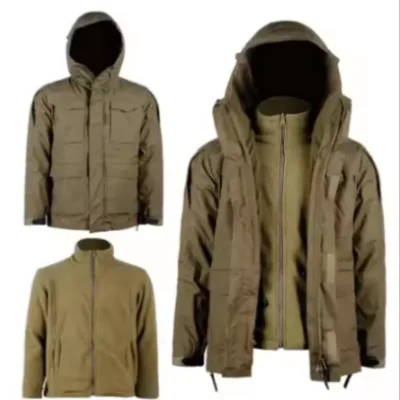
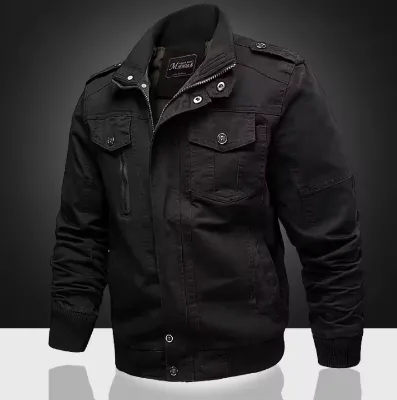
Manufacturer wholesale of customizable waterproof fleece-lined tactical jackets
$12.98 - $13.80
MOQ: 100 pieces
Comprehensive Sourcing Guide
Windproof Cotton Blend Tactical Jacket Sourcing Guide
Sourcing windproof cotton blend tactical jackets requires a disciplined approach to balancing durability, weather resistance, and operational comfort. These garments are engineered for environments where mobility and protection are equally critical, making them suitable for law enforcement, security personnel, and outdoor tactical operations. The core material composition typically involves a blend of cotton and polyester, offering a balance between the natural comfort and breathability of cotton and the structural integrity and quick-drying properties of synthetic fibers. Buyers must recognize that "tactical" in this context implies specific design features such as reinforced stitching, multiple utility pockets, and a silhouette that allows for layering without restricting movement.
The procurement process for these items is characterized by a wide variance in product specifications, pricing, and minimum order quantities (MOQs). Market data indicates a price range from approximately $0.50 to $37.98 USD, reflecting differences in material quality, brand positioning, and manufacturing complexity. Similarly, MOQs can vary significantly, ranging from as low as 5 units for sample or small-batch orders to 3,000 units for large-scale industrial procurement. Understanding these variables is essential for aligning supplier capabilities with your organization’s budget and inventory requirements, ensuring that you do not overcommit to stock or underutilize supplier capacity.
Product Scope and Observed Listing Signals
The product landscape for windproof cotton blend tactical jackets includes various sub-types such as tactical uniforms, combat jackets, and windbreakers, each serving slightly different operational needs. Listings often highlight features like windproofing, waterproofing, rip-stop fabric, and breathability, which are critical for maintaining body temperature and protecting against environmental elements. The gender classification is predominantly unisex or men’s, with size ranges typically spanning from Small to 3XL, accommodating a broad spectrum of body types. Buyers should verify that the specific model they select matches the intended user demographic and fit requirements, as tactical gear must allow for full range of motion during physical activities.
Color and customization options are significant factors in tactical procurement, with multi-color options and camouflage patterns being common to suit various operational environments. Many suppliers offer OEM/ODM support, allowing for custom branding, badge placement, and specific design modifications to meet organizational standards. The product origin is frequently listed as China, with specific hubs in Hubei and Nanjing, indicating established manufacturing clusters for tactical apparel. Buyers should leverage these customization capabilities to ensure that the final product aligns with their visual identity and functional requirements, while also verifying that the customization process does not compromise the structural integrity of the jacket.
Technical Specifications to Verify
Material composition is the primary technical specification to verify, with cotton/polyester blends being the standard for balancing comfort and durability. The fabric weight and thickness are typically described as normal or medium, suitable for winter or transitional seasons, providing warmth without excessive bulk. Buyers should request detailed fabric specifications, including the percentage of cotton versus polyester, to ensure the blend meets their performance expectations for breathability and quick-drying capabilities. Additionally, features such as anti-wrinkle, anti-static, and wearproof properties should be confirmed through supplier documentation or sample testing, as these attributes directly impact the longevity and maintenance requirements of the uniform.
Structural and dimensional specifications are equally critical, with jacket lengths ranging from standard to coat-length designs to provide varying levels of coverage. The product models, such as G8, M105, M104, and YM1-572, often correspond to specific design iterations or supplier catalogs, so buyers must cross-reference these codes with detailed size charts and feature lists. Packing standards vary, with some suppliers using polybags for individual units and cartons for bulk shipping, with carton dimensions and weights provided to assist in logistics planning. Verifying these specifications ensures that the ordered goods will fit the intended storage and distribution infrastructure, preventing unexpected costs or delays during the receiving process.
Compliance and Safety Documentation
While specific certification statuses may not be universally applicable to all tactical jackets, buyers should inquire about compliance with relevant safety and quality standards. Some suppliers may reference standards such as SGS for quality assurance or EN 342 for protective clothing against cold, although the latter is more specific to extreme cold protection and may not apply to all windproof jackets. Buyers must verify that the supplier can provide test reports or certificates of conformity for the materials used, particularly regarding flammability, chemical safety, and durability. This documentation is essential for ensuring that the garments meet regulatory requirements in the destination market and do not pose health risks to the end-users.
Documentation should also include clear labeling and care instructions, which are vital for maintaining the performance characteristics of the cotton blend fabric. Buyers should ensure that the supplier provides accurate information on washing and drying methods to preserve the windproof and rip-stop properties of the jacket. Additionally, any custom branding or badge attachments should be reviewed for compliance with safety regulations, ensuring that they do not interfere with the garment’s functionality or create hazards during use. Proper documentation not only aids in regulatory compliance but also enhances the professionalism and reliability of the procurement process.
Cost Drivers and Commercial Terms
The cost of windproof cotton blend tactical jackets is influenced by several factors, including material quality, design complexity, and order volume. The observed price range of $0.50 to $37.98 USD reflects the diversity in product tiers, from basic utility jackets to high-performance tactical gear with advanced features. Buyers should analyze the cost breakdown to understand how material composition, such as the ratio of cotton to polyester, impacts the final price. Higher-quality blends with additional features like waterproofing or enhanced breathability will naturally command a higher price, so it is important to align the budget with the required performance level.
Commercial terms, including MOQs and payment conditions, play a significant role in the overall procurement strategy. MOQs ranging from 5 to 3,000 units allow for flexibility, but buyers must consider the implications of ordering in bulk versus small quantities. Larger orders may offer better unit prices but require more storage space and capital investment, while smaller orders provide flexibility but may come with higher per-unit costs. Buyers should negotiate terms that balance cost efficiency with inventory management needs, ensuring that they do not overstock or face stockouts. Additionally, understanding the supplier’s lead times and shipping options is crucial for planning delivery schedules and avoiding disruptions in supply.
Supplier Qualification and Quality Control
Supplier qualification is a critical step in ensuring the reliability and consistency of the tactical jacket supply chain. Buyers should assess suppliers based on their manufacturing capabilities, quality control processes, and track record in producing tactical apparel. Suppliers located in established manufacturing hubs like Hubei and Nanjing may have access to better resources and expertise, but buyers must verify their actual production capacity and quality standards. Requesting samples and conducting factory audits can provide valuable insights into the supplier’s ability to meet specifications and maintain consistent quality across batches.
Quality control measures should be integrated into the procurement process to minimize the risk of defects and non-conformities. Buyers should establish clear acceptance criteria for the jackets, including checks for stitching quality, fabric integrity, and functional features like zippers and pockets. Implementing pre-shipment inspections can help identify and rectify issues before the goods are dispatched, reducing the likelihood of returns or disputes. Additionally, maintaining open communication with the supplier regarding any quality concerns can foster a collaborative relationship and ensure continuous improvement in product quality.
Long-Term Procurement Checks
Long-term procurement success depends on the ability to monitor supplier performance and adapt to changing market conditions. Buyers should regularly review supplier metrics, such as on-time delivery rates, defect rates, and responsiveness to issues, to identify potential risks and opportunities for improvement. Establishing key performance indicators (KPIs) and conducting periodic supplier evaluations can help maintain high standards and drive accountability. Additionally, staying informed about industry trends and technological advancements in tactical apparel can enable buyers to make informed decisions about product upgrades or sourcing strategies.
Building a resilient supply chain involves diversifying suppliers and developing contingency plans for potential disruptions. Buyers should consider working with multiple suppliers to mitigate the risk of single-source dependency and ensure continuity of supply. Regularly reviewing and updating procurement policies and procedures can also help address emerging challenges and optimize the sourcing process. By maintaining a proactive approach to supplier management and quality assurance, buyers can ensure that their organization continues to receive high-quality windproof cotton blend tactical jackets that meet their operational needs.
FAQs
What materials are used for the tactical jacket?
The tactical jacket is constructed from a cotton and polyester blend. This combination ensures durability while maintaining comfort for the wearer during extended outdoor activities or tactical operations.
Can the jacket be customized for specific orders?
Yes, customization is available for this tactical jacket product. Buyers can request specific modifications to meet their unique requirements, supported by OEM and ODM capabilities for tailored production runs.
Which features make the jacket suitable for winter use?
The jacket offers windproof, breathable, and warmth features ideal for winter conditions. It is designed to provide warmth and wearproof protection while allowing breathability during physical exertion in cold weather.
What is the typical packaging configuration for bulk orders?
Packaging typically involves one set per polybag with twenty sets packed into a carton. Some variations may include sixty by forty by thirty centimeter boxes containing twenty pieces each for efficient shipping.
How does the jacket perform in terms of durability?
The jacket features rip-stop fabric and anti-wrinkle properties for enhanced durability. It is also designed to be windproof and breathable, ensuring long-lasting performance in demanding tactical or outdoor environments.
What size range is available for this tactical jacket?
The jacket is available in a size range from small to triple extra large. This sizing covers adult demographics, ensuring a proper fit for various body types in men and unisex applications.