Source High Temp Performance Combustor for Engines, Heaters, Machinery
Find 30 verified options for High Temp Performance Combustor units suitable for engines, industrial heaters, and machinery accessories. Compare specifications like ignition frequency, operating temperature, and material composition to select the right supplier for your needs; compare the available evidence and request quotations based on your requirements.
Key considerations
Products List


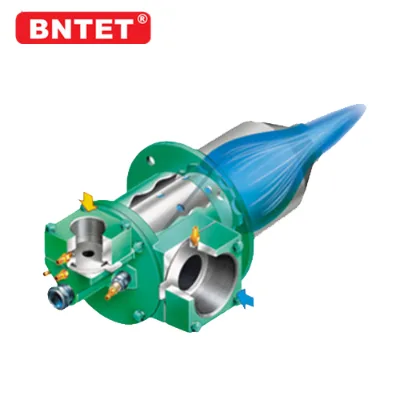

High Quality Gas Generator Reliable Performance Long Service Life
$10000.00 - $100000.00
MOQ: 1 Pieces


Comprehensive Sourcing Guide
High Temp Performance Combustor Sourcing Guide
Procuring high-temperature performance combustors requires a disciplined approach to aligning thermal efficiency with mechanical durability. Buyers must first define the operational envelope, specifically the required operating temperature range and ignition frequency. The observed market data indicates units capable of handling temperatures from -40℃ to 200℃ with ignition frequencies between 1 and 10 times per second. These parameters are critical for ensuring the burner can sustain stable combustion under varying load conditions without thermal degradation or flame instability.
Beyond thermal metrics, the physical configuration of the combustion chamber dictates installation compatibility. Observations show a prevalence of six-cylinder, four-stroke designs with L-shaped cylinder arrangements, often utilizing diesel fuel and compression ignition. These mechanical traits suggest applications in heavy machinery or industrial heating systems where robust power delivery is essential. Sourcing teams should verify whether the specific model supports naturally aspirated intake or requires forced induction, as this significantly impacts the auxiliary air supply system design and overall footprint requirements.
Product Scope and Observed Listing Signals
The current market landscape for high-temperature combustors reveals a diverse range of customization options and material compositions. Listings frequently highlight customizable rated voltages and materials, including iron, aluminum, copper, alloy, brass, plastic, and steel. This variability allows buyers to tailor the unit to specific chemical compatibility needs or structural load requirements. However, the presence of diverse materials also necessitates careful verification of the primary combustion chamber material to ensure it can withstand prolonged exposure to high-velocity pulsed energy ranging from 10 to 30 kV.
Packaging and origin data provide additional context for logistics planning. Products are often sourced from regions like Heze, Shandong, or Dongguan, China, with origins explicitly stated as China. Packaging methods vary from international logistics standards to custom wooden boxes or cartons, depending on the unit's weight and fragility. For instance, specific high-speed burner models are noted to weigh approximately 26 kg and are packed in wooden boxes, indicating a need for reinforced handling procedures during transit to prevent damage to sensitive internal components like the cooling cylinders.
Technical Specifications to Verify
Technical verification must begin with the cooling system architecture, as thermal management is paramount for high-temperature applications. Many observed units feature water-cooled cylinders, which require integration into the facility’s existing coolant loops. Buyers should confirm the flow rate requirements and pressure ratings for the cooling system to prevent overheating during continuous operation. Additionally, the piston movement is typically reciprocating, driven by a high-speed engine, which imposes specific vibration and mounting constraints that must be addressed in the installation design.
The control method and ignition mode are equally critical for operational safety and efficiency. Closed-loop control systems are commonly employed to maintain precise combustion parameters, adjusting fuel-air ratios in real-time. The compression-ignition mode eliminates the need for external spark sources, relying instead on high compression ratios to ignite the diesel fuel. Buyers must verify the compatibility of the control interface with their existing automation systems and ensure that the ignition frequency settings can be adjusted to match the specific thermal demand of the application.
Compliance and Safety Documentation
Safety documentation is non-negotiable when dealing with high-temperature combustion equipment. Buyers should request machinery test reports that validate the structural integrity of the combustion chamber under extreme thermal stress. These reports should include data on thermal cycling endurance and pressure vessel compliance. Without such documentation, the risk of catastrophic failure due to material fatigue or seal degradation increases significantly, potentially leading to hazardous leaks or explosions in industrial settings.
Certification status provides a baseline for quality assurance, with ISO certification being a common standard observed in the market. However, buyers must verify if the specific unit complies with regional safety codes such as ASME, TEMA, JIS, or GB standards, depending on the installation location. The presence of a warranty, often cited as 1.5 years, offers some protection but does not replace the need for independent verification of safety mechanisms. Ensure that the supplier provides clear instructions for emergency shutdown procedures and regular maintenance intervals to maintain compliance over the equipment's lifecycle.
Cost Drivers and Commercial Terms
Cost structures for high-temperature combustors are heavily influenced by the level of customization and material selection. Customizable models, particularly those requiring specific drawing formats like 2D PDF/CAD or 3D IGES/STEP files, often incur higher engineering fees. The choice of material also plays a significant role, with exotic alloys or specialized plastics commanding premium prices compared to standard iron or steel constructions. Buyers should clarify whether the quoted price includes the cost of custom tooling or if it is a one-time setup fee.
Commercial terms regarding minimum order quantities (MOQ) and lead times vary widely across suppliers. Observed MOQs range from single units to 500 pieces, allowing for both prototype testing and mass production runs. Lead times are not explicitly standardized in the provided data but are likely influenced by the complexity of the CNC machining and surface treatment processes, such as powder coating. Buyers should negotiate clear delivery schedules and penalty clauses for delays, especially when custom manufacturing is involved, to mitigate supply chain disruptions.
Supplier Qualification and Quality Control
Supplier qualification requires a thorough assessment of their manufacturing capabilities and quality control infrastructure. Look for suppliers equipped with professional QC staff and spectrographic analysis tools to verify material composition and structural integrity. The use of CNC machining ensures high precision in component manufacturing, which is essential for maintaining tight tolerances in high-speed combustion engines. Buyers should request evidence of their production type, whether mass production or small-batch customization, to ensure the supplier can meet volume requirements without compromising quality.
Surface treatment and finishing processes also impact the longevity and performance of the combustor. Powder coating is a common surface treatment that provides corrosion resistance and aesthetic appeal, but buyers should verify the thickness and adhesion quality of the coating. Additionally, the supplier’s ability to provide OEM/ODM services indicates flexibility in meeting specific design requirements. Establishing a clear communication channel for technical queries and after-sales support is crucial, as high-temperature equipment often requires specialized maintenance and troubleshooting expertise.
Long-Term Procurement Checks
Long-term procurement success depends on establishing a robust framework for ongoing supplier performance evaluation. Regular audits of the supplier’s quality control processes and adherence to stated standards should be conducted to ensure consistency in product quality. Monitoring the performance of delivered units in the field, including tracking any failures or maintenance issues, provides valuable feedback for future procurement decisions. This data-driven approach helps in identifying reliable suppliers who can consistently meet technical and commercial expectations.
Sustainability and lifecycle management are increasingly important factors in long-term procurement strategies. Buyers should inquire about the recyclability of materials and the availability of spare parts for extended maintenance. Understanding the total cost of ownership, including energy efficiency and maintenance costs, allows for more informed decision-making. By focusing on these long-term aspects, organizations can build resilient supply chains that support operational continuity and cost efficiency over the lifespan of the high-temperature performance combustors.
FAQs
What customization options are available for the High Temp Performance Combustor?
Customization is available for the rated voltage, product model, material, and standard. You can select from iron, aluminum, copper, or plastic materials. The operating temperature range spans from -40 to 200 degrees Celsius. This flexibility allows the unit to meet specific industrial requirements effectively.
How is the High Temp Performance Combustor packed for international shipping?
The product is packed using international logistics methods or custom cartons and wooden boxes based on your demand. This ensures safe transport across borders. The packaging is designed to protect the unit during transit. You can request specific packing arrangements to suit your logistical needs.
Which certifications does the High Temp Performance Combustor hold?
The product holds ISO certification to ensure quality and safety standards. It also complies with various standards including ASME, TEMA, JIS, and APIEN. These certifications verify that the manufacturing process meets rigorous international requirements. Buyers can rely on these documented standards for compliance.
Can the High Temp Performance Combustor operate in extreme temperatures?
Yes, the unit operates reliably within a temperature range of -40 to 200 degrees Celsius. This wide range supports diverse industrial applications. The design ensures stable performance under high heat conditions. It is suitable for environments requiring robust thermal management capabilities.
What is the ignition frequency of the High Temp Performance Combustor?
The ignition frequency ranges from one to ten times per second. This capability supports high-speed combustion processes. The system delivers high-voltage pulsed energy between ten and thirty kilovolts. These specifications ensure efficient and rapid ignition for demanding industrial tasks.
How is the quality of the High Temp Performance Combustor verified?
Quality is verified by professional QC staff and spectrograph instruments. A machinery test report is provided for each unit. This ensures that every product meets the specified performance criteria. The rigorous checking process guarantees reliability and consistency in operation.
What is the warranty period for the High Temp Performance Combustor?
The product comes with a warranty period of one and a half years. This coverage protects against manufacturing defects and ensures customer satisfaction. The warranty applies to the unit as delivered. Buyers receive support for the specified duration after purchase.